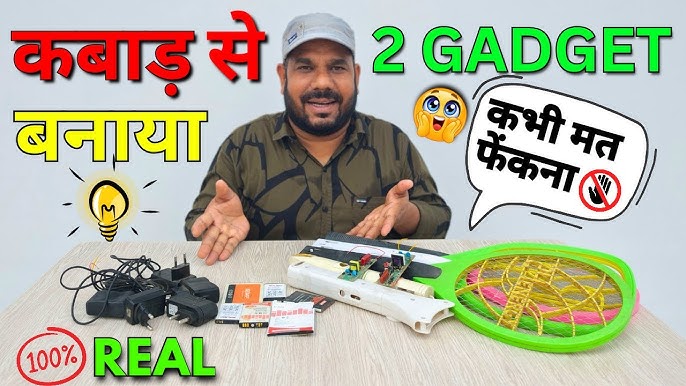
Are you fascinated by the world of electronics and eager to create your own gadgets right at home? Imagine the thrill of building a device with your own hands, understanding its inner workings, and then watching it come to life.
This guide on “How to Make Electronic Gadgets at Home in Hindi” is designed just for you. Whether you’re a curious beginner or someone with a budding interest in electronics, you’ll discover step-by-step instructions that are easy to follow and understand.
Dive into this exciting adventure where creativity meets technology, and learn how to transform simple components into functional gadgets. Get ready to unlock a new skill and impress your friends with your homemade electronic creations. Keep reading to find out how you can start today!
Basic Tools And Materials
Building electronic gadgets at home starts with having the right tools and materials. Without these basics, your DIY project can become frustrating or even unsafe. Knowing what to use and where to find it helps you work efficiently and confidently.
Essential Tools For Diy Electronics
Your toolkit should have a few key items that make soldering, testing, and assembling easier. A good soldering iron with adjustable temperature is vital for joining components securely. You will also need wire cutters, tweezers, and a multimeter to measure voltage and continuity.
Having a breadboard can save time by allowing you to test circuits without permanent soldering. Don’t forget precision screwdrivers and a small hammer for mechanical parts. These tools are affordable and widely available online or at local hardware stores.
Common Components And Where To Buy
Basic components like resistors, capacitors, LEDs, and transistors form the building blocks of your gadgets. You can purchase these in bulk from electronic markets or reliable online stores such as Amazon or specialized electronics shops. Kits that include a variety of components are perfect for beginners.
Microcontrollers like Arduino or Raspberry Pi open up more advanced project options and are easy to source. Look for quality parts with clear specifications to avoid frustration later. Have you checked if local electronics hobbyist groups have spare parts or swap meets? Sometimes sharing resources can save you money and time.
Safety Tips For Handling Electronics
Working with electronics requires respect for safety to avoid injury or damage. Always unplug devices before working on them and avoid touching live circuits. Use insulated tools to protect yourself from shocks.
Wear safety glasses when soldering to guard against hot solder splashes. Make sure your workspace is well-ventilated to avoid inhaling fumes. Remember, a small mistake can cause large damage—do you double-check your connections before powering up?

Credit: www.youtube.com
Simple Electronic Circuits
Simple electronic circuits form the foundation of many electronic gadgets. They are easy to make at home. Learning these circuits helps understand how devices work. These projects use basic components like resistors, LEDs, and transistors. They are safe and perfect for beginners. Experimenting with these circuits builds confidence in electronics.
Building A Basic Led Circuit
A basic LED circuit lights up an LED using a battery. The main parts are:
- One LED
- One resistor (usually 220 ohms)
- A battery (like 9V)
- Connecting wires
Connect the resistor to the positive terminal of the battery. Attach the resistor’s other end to the LED’s longer leg (anode). Connect the LED’s shorter leg (cathode) to the battery’s negative terminal. The LED will glow, showing the circuit works.
Creating A Simple Sound Detector
A sound detector circuit senses sound and lights an LED. It uses:
- Microphone
- Transistor (like BC547)
- LED
- Resistors
- Battery
The microphone picks up sound waves. It sends signals to the transistor. The transistor switches the LED on when sound is detected. This circuit helps learn about sensors and amplifiers.
Assembling A Small Fan Circuit
This circuit runs a small fan using a transistor switch. Needed parts include:
- Small DC fan (5V or 12V)
- Transistor (such as TIP120)
- Diode (1N4007)
- Resistor (1k ohm)
- Battery
Connect the resistor to the transistor’s base pin. Attach the fan’s positive wire to the battery positive. Connect the fan’s negative wire to the transistor’s collector. The transistor’s emitter goes to the battery negative. The diode protects the transistor from voltage spikes. Power the circuit, and the fan starts spinning.
Soldering Techniques
Soldering is a fundamental skill when making electronic gadgets at home. It connects components and creates a reliable electrical path. Mastering soldering techniques can save you time and improve the quality of your projects.
Choosing The Right Soldering Iron
Not all soldering irons are the same, and picking the right one can make a huge difference. Look for a soldering iron with adjustable temperature control to handle different components safely. A fine tip is better for small electronics, while a broader tip suits larger connections.
Consider wattage too—around 30-60 watts works well for most hobby electronics. If you want comfort during longer sessions, choose an iron with an ergonomic handle. Have you checked if your soldering iron heats up quickly? That can speed up your work significantly.
Step-by-step Soldering Process
- Start by cleaning the soldering iron tip; a clean tip ensures better heat transfer.
- Heat the joint by placing the soldering iron tip on the wire and pad simultaneously.
- Apply solder to the heated joint, not directly to the iron, so it flows evenly.
- Remove the solder first, then the iron, allowing the joint to cool undisturbed.
Watch how the solder forms a shiny, smooth connection. If it looks dull or grainy, the joint may be weak. Practice on spare wires before working on your actual gadget.
Avoiding Common Soldering Mistakes
One common error is overheating components, which can damage sensitive parts. Avoid applying solder for too long; aim for just a couple of seconds per joint. Cold joints happen when the solder doesn’t melt properly—check that your iron is hot enough.
Don’t use too much solder; it can cause shorts by bridging connections accidentally. Also, never touch the tip to the solder spool—it contaminates the tip. Have you ever cleaned your soldering iron tip with a wet sponge regularly? This simple habit keeps it in top shape.
Designing Your Own Gadgets
Designing your own electronic gadgets at home is an exciting way to bring your ideas to life. It allows you to customize devices exactly how you want them and learn valuable skills along the way. With a clear plan and hands-on practice, you can turn simple components into something truly useful.
Planning Your Project
Start by defining what you want your gadget to do. Write down the features and functions you need. This will guide you in choosing the right components and tools.
Sketch a rough diagram of your circuit. Visualizing connections helps avoid mistakes later on. Also, decide on the power source and size constraints.
Think about how your gadget will be used daily. Will it be portable? Does it need a screen or buttons? These questions shape your design choices.
Using Breadboards For Prototyping
Breadboards let you build and test circuits without soldering. This means you can easily change parts or fix errors. It’s perfect for beginners and quick experiments.
Place components like resistors, LEDs, and microcontrollers on the breadboard according to your plan. Connect them with jumper wires.
Once assembled, power up your circuit and observe if it works as expected. If not, rearrange connections or swap parts until it does.
Testing And Troubleshooting
Testing your gadget step-by-step catches problems early. Check each part separately before combining everything. This approach saves time and frustration.
If something doesn’t work, don’t panic. Use a multimeter to measure voltage and continuity in your circuit.
Ask yourself: Are all connections secure? Is every component receiving power? Sometimes the smallest loose wire can cause the biggest issues.
Popular Diy Projects
Trying out popular DIY electronic projects at home can boost your skills and give you practical gadgets that make daily life easier. These projects are simple yet rewarding, perfect for beginners and hobbyists alike. You get to learn by doing, which is the fastest way to understand electronics deeply.
Homemade Flashlight
Making a homemade flashlight is a great starting point. You only need a few components: an LED bulb, batteries, a switch, and some wires. By assembling these parts, you create a portable light source that works whenever you need it.
This project teaches you about circuits and power flow. Once built, you can customize it by adding features like adjustable brightness or a rechargeable battery. What would you add to your flashlight to make it uniquely yours?
Diy Fm Radio
Building a DIY FM radio helps you understand how signals are received and processed. The kit usually includes a small circuit board, an antenna, and a speaker. It’s fascinating to hear radio channels you can tune manually.
This project sharpens your skills in soldering and tuning circuits. You could even experiment with different antenna designs to improve reception. Imagine the satisfaction of listening to your favorite FM station on a radio you assembled yourself!
Basic Home Automation Setup
Setting up a basic home automation system at home can save time and increase comfort. You can start with simple tasks like controlling lights or fans using a smartphone app or remote control. Essential parts include a microcontroller (like Arduino), relays, and sensors.
This project introduces you to programming and wireless communication. Once you get the hang of it, you can expand the system to include security alarms or temperature controls. How would automating your home change your everyday routine?

Credit: www.youtube.com
Learning Resources In Hindi
Learning electronic gadgets at home becomes easier with the right resources in Hindi. Hindi materials help beginners understand concepts clearly. They offer simple explanations and practical examples. These resources cover basics to advanced topics. They support self-paced learning and hands-on practice. This section highlights valuable Hindi learning resources.
Recommended Books And Guides
- “इलेक्ट्रॉनिक्स की शुरुआत” – A beginner-friendly book explaining electronics basics.
- “हैंडबुक ऑफ़ इलेक्ट्रॉनिक्स प्रोजेक्ट्स” – Guides for simple DIY projects.
- “माइक्रोकंट्रोलर और एम्बेडेड सिस्टम” – Detailed guide on microcontrollers in Hindi.
- “इलेक्ट्रॉनिक सर्किट डिज़ाइन” – Covers circuit design with easy language and diagrams.
Online Tutorials And Videos
- YouTube channels dedicated to electronics in Hindi offer step-by-step tutorials.
- Websites provide free video courses on basic and advanced gadget making.
- Short video lessons explain components and circuit assembly clearly.
- Interactive tutorials help practice programming microcontrollers at home.
Community Forums And Groups
- Hindi electronics forums where beginners ask questions and share tips.
- Facebook groups focused on DIY electronics in Hindi for peer support.
- WhatsApp groups connecting hobbyists for project ideas and troubleshooting.
- Local maker communities offering workshops and meetups in Hindi.

Credit: www.youtube.com
Frequently Asked Questions
What Basic Tools Are Needed To Make Electronic Gadgets At Home?
Basic tools include a soldering iron, multimeter, wire cutters, screwdrivers, and a breadboard. These tools help assemble, test, and troubleshoot circuits effectively and safely at home.
How Can Beginners Learn Electronics In Hindi Easily?
Beginners should start with simple tutorials, videos, and books in Hindi. Practice basic circuits and use online Hindi resources for step-by-step guidance.
What Safety Precautions Are Important While Making Gadgets At Home?
Always work in a well-ventilated area, use insulated tools, and avoid water near circuits. Switch off power before handling components to prevent shocks or damage.
Which Electronic Components Are Essential For Diy Projects?
Key components include resistors, capacitors, transistors, LEDs, and microcontrollers. These parts form the foundation of most DIY electronic gadgets and circuits.
Conclusion
Making electronic gadgets at home in Hindi can be fun and useful. Start with simple projects and follow clear steps. Use common tools and parts to keep costs low. Practice helps you learn and improve skills fast. Create small gadgets to solve daily problems.
Share your work with friends and family. Stay safe and enjoy the process of building. Keep exploring new ideas to grow your knowledge. Making gadgets yourself brings pride and joy. Keep trying, and you will get better each day.
Leave a Reply