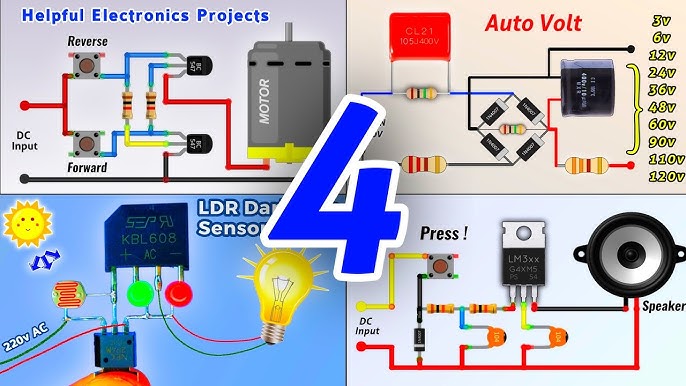
Imagine the thrill of creating your very own electronic components right at home. Yes, you!
Whether you’re an aspiring inventor, a hobbyist, or simply someone curious about the inner workings of gadgets, this guide is for you. Making electronics components at home is not just a rewarding experience; it’s a gateway to endless possibilities and innovation.
It allows you to personalize your projects, save money, and deepen your understanding of how things work. Ready to dive in and unlock the secrets of DIY electronics? Stick around, because what you discover here might just ignite your next big idea.
Basic Materials Needed
Making electronic components at home requires a clear list of materials. This list helps you prepare well and avoid delays during your projects. Gather the right items for better results and smoother work.
Choosing quality materials is important. It improves the function and life of your homemade electronics. Start with basic parts, tools, and safety gear. These form the foundation of your workspace.
Common Components To Gather
- Resistors of various values
- Capacitors (ceramic and electrolytic)
- Diodes and LEDs
- Transistors (NPN and PNP types)
- Integrated circuits (ICs)
- Printed circuit boards (PCBs) or breadboards
- Wires and connectors
- Solder and soldering flux
Tools For Diy Electronics
- Soldering iron with adjustable temperature
- Wire cutters and strippers
- Multimeter for testing voltage and resistance
- Small screwdrivers and tweezers
- Helping hands or PCB holders
- Hot glue gun for fixing parts
- Magnifying glass or microscope for detailed work
Safety Gear Essentials
- Safety glasses to protect your eyes
- Heat-resistant gloves for soldering
- Ventilation fan or mask to avoid fumes
- Fire extinguisher nearby for emergencies
- First aid kit for minor injuries
Simple Circuit Components
Simple circuit components form the backbone of any electronic project you want to create at home. Understanding how to make these basic parts yourself not only saves money but deepens your grasp of electronics. You’ll find that crafting your own resistors, capacitors, and inductors can be surprisingly straightforward and rewarding.
Making Resistors
Resistors control the flow of electric current in a circuit. You can make a basic resistor by using a pencil lead or graphite strip because graphite naturally resists electrical flow.
Try drawing a thick line on a piece of paper with a pencil, then connect wires at both ends. Measure the resistance with a multimeter and adjust the length or thickness of the graphite line to change resistance values.
Have you thought about how the length and thickness of a material affect its resistance? Experimenting with these variables can give you a better feel for what makes a resistor work.
Creating Capacitors
Capacitors store and release electrical energy in circuits. You can create a simple capacitor using aluminum foil and wax paper.
- Cut two small pieces of aluminum foil.
- Place a thin sheet of wax paper between them as a dielectric.
- Attach wires to each foil piece and tape them securely.
Test your homemade capacitor by connecting it to a multimeter set to measure capacitance. Adjust the size of the foil or the thickness of the wax paper to see how capacitance changes.
Building Inductors
Inductors store energy in a magnetic field when electrical current passes through them. You can make one by coiling insulated wire around a cylindrical object like a pen or a plastic tube.
The number of wire turns and the coil diameter impact the inductor’s strength. Using a thicker wire or adding more coils increases the inductance.
Have you tried measuring inductance with your homemade coil? It’s a great way to connect theory with practical skills and learn how inductors influence circuits.
Diy Semiconductors
DIY semiconductors might sound complex, but you can actually make basic components at home with simple materials and tools. Understanding the fundamentals of how semiconductors work gives you the confidence to create your own electronic parts. Have you ever thought about building a diode or transistor from scratch? It’s not only educational but also empowering to see your circuits come alive with components you made yourself.
Crafting Diodes
Diodes control the direction of current flow, allowing it to pass one way but blocking the other. You can craft a simple diode using materials like selenium or copper oxide. These substances create a junction that behaves similarly to a semiconductor.
Start by heating a thin copper sheet in air until it forms a layer of copper oxide. Then, press a pure copper wire against the oxide layer to create a contact point. This setup acts as a basic diode, allowing current to flow in one direction.
Test your diode with a multimeter to check the forward and reverse resistance. You’ll notice low resistance in one direction and high resistance in the other. This practical experiment shows you how material properties influence electronic behavior.
Assembling Transistors
Transistors amplify electrical signals and switch currents on and off. Although making a transistor at home is trickier, you can assemble a simple point-contact transistor with basic materials.
Use a small slab of germanium or silicon as the base semiconductor. Attach two fine wires—one as the emitter and one as the collector—touching the surface at carefully spaced points. A third wire acts as the base, controlling the current between emitter and collector.
Try adjusting the pressure and position of the wires to observe changes in amplification. This hands-on approach helps you understand transistor operation beyond just theory. What unexpected challenges might you face in making your own transistor? Experimenting can reveal practical insights that no textbook provides.

Credit: www.homemade-circuits.com
Soldering And Assembly Tips
Soldering and assembly form the heart of building electronic components at home. Precision and care during this stage ensure your project works well and lasts long. Learning the right techniques reduces errors and saves time. Focus on clean solder joints and correct component placement. Testing early helps find problems before they grow.
Soldering Basics
Use a clean, well-heated soldering iron. Choose solder with a flux core for better flow. Heat the joint, not just the solder. Apply solder to the heated parts, not directly on the iron tip. Avoid cold joints by ensuring the solder melts smoothly and covers the connection. Trim excess wire after soldering. Work in a well-ventilated area to avoid fumes.
Component Placement Techniques
Place components carefully according to the circuit diagram. Insert leads fully into the holes on the board. Keep components flat against the board to ensure good contact. Use tweezers for small parts. Space components evenly to prevent shorts. Double-check polarity on diodes and capacitors before soldering. Secure the board to avoid movement during assembly.
Testing And Troubleshooting
Check all solder joints for smooth, shiny surfaces. Use a multimeter to test connections and component values. Power the circuit in stages to avoid damage. Look for shorts or open circuits before full power-up. Replace or re-solder any faulty connections. Test each section separately to isolate problems. Keep notes of your tests to track issues easily.
Advanced Component Projects
Advanced component projects push your DIY electronics skills beyond the basics. They challenge you to create parts that are usually bought pre-made, giving you deeper insight into how devices really work. These projects not only save money but also allow you to customize parts to fit your unique needs, making your builds truly one-of-a-kind.
Homemade Sensors
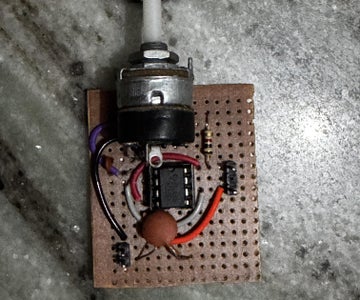
Building your own sensors can seem intimidating, but it’s surprisingly doable with simple materials. You might start with a temperature sensor using a thermistor and a basic circuit you design yourself. Creating light sensors from photoresistors or moisture sensors using conductive materials can also be great beginner projects.
Have you tried making a sensor that reacts to changes in your environment? It’s exciting to see your creation respond live to temperature shifts or light intensity. Experimenting with homemade sensors lets you learn about signal processing and calibration firsthand.
Custom Pcbs
Designing and making your own printed circuit boards (PCBs) at home can take your projects to the next level. You can start by drawing your circuit layout on copper-clad boards using permanent markers or specialized pens. Then, use etching solutions like ferric chloride to remove unwanted copper, leaving behind your circuit paths.
This hands-on approach gives you control over your circuit’s size and shape. You also get to practice precision and patience—qualities essential in electronics. Have you considered how a custom PCB could simplify your next project or make it more compact?
Integrating Microcontrollers
Microcontrollers like Arduino or ESP8266 can turn your homemade components into smart devices. You can program these tiny computers to read data from your sensors and control outputs like LEDs or motors. This integration opens up endless possibilities for automation and interactive projects.
When you connect your sensors and PCBs to a microcontroller, you start creating systems that can think and react. Have you experimented with writing your own code to make your electronics components communicate? This step transforms basic circuits into intelligent machines.
Credit: www.instructables.com
Common Mistakes To Avoid
Making electronic components at home can be exciting and rewarding. However, there are common mistakes that can slow down your progress or even cause damage. Avoiding these pitfalls will save you time, money, and frustration.
Handling Components Incorrectly
Electronic parts are delicate. Touching sensitive pins with bare hands can transfer oils and dirt, leading to poor connections or corrosion.
Static electricity is another enemy. Even a small static shock can fry a microchip or sensor. Use an anti-static wristband or work on a grounded mat to protect your components.
Have you ever grabbed a resistor or capacitor without checking its rating? Mixing up parts can cause your circuit to fail or behave unpredictably. Always verify and label your components before use.
Poor Circuit Design
Rushing through your circuit layout often leads to mistakes. Overcrowding your board or placing components too close can cause short circuits or signal interference.
Ignoring power requirements is a frequent error. Using an incorrect voltage or current rating can damage your components or cause your circuit to underperform.
Double-check your connections and consider drawing a detailed schematic before assembling. This habit helps catch errors early and improves your project’s reliability.
Ignoring Safety Precautions
Working with electricity carries risks you shouldn’t take lightly. Skipping safety gear or proper tools can result in injury or equipment damage.
Always unplug power sources before making adjustments. Even a small mistake can cause shocks or burn components.
Have you set up a fire extinguisher nearby or ensured good ventilation? These simple steps prepare you for unexpected situations and keep your workspace safe.
Resources For Further Learning
Finding the right resources can make a big difference in your journey to create electronic components at home. The learning curve might feel steep, but with the right guidance, you can build skills faster and more confidently. Below are some great places to deepen your knowledge and connect with others who share your interest.
Online Tutorials
Online tutorials offer step-by-step guidance and visuals that help you understand complex concepts. Websites like YouTube and specialized platforms provide detailed videos on soldering, circuit design, and component fabrication.
Look for tutorials that include downloadable schematics or lists of materials. This hands-on approach allows you to follow along at your own pace and practice as you learn.
Community Forums
Joining forums lets you ask questions and share experiences with people who have faced similar challenges. Places like the Electronics Stack Exchange and Reddit’s r/electronics are full of knowledgeable hobbyists and professionals.
Engaging in discussions can expose you to troubleshooting tips you won’t find in books or videos. Have you tried reaching out to others when stuck on a project? Their insights can save you hours of trial and error.
Recommended Books
Books remain a valuable resource for thorough explanations and reference material. Titles like “Make: Electronics” by Charles Platt and “Practical Electronics for Inventors” by Paul Scherz provide clear instructions and theory.
These books often include exercises and projects that build your skills progressively. Keeping a physical copy handy while working can help you quickly look up information without disrupting your workflow.
Credit: www.youtube.com
Frequently Asked Questions
How Can I Make Simple Electronic Components At Home?
You can create basic components like resistors or capacitors using household items. Use graphite for resistors and aluminum foil for capacitors. Simple tools like a multimeter help test these components for functionality.
What Materials Are Needed For Homemade Electronic Components?
Common materials include copper wire, graphite pencils, aluminum foil, and plastic sheets. Basic tools like soldering irons, multimeters, and pliers are essential for assembly and testing.
Is It Safe To Make Electronics Components At Home?
Yes, if you follow safety guidelines. Use protective gear, work in a ventilated area, and handle tools carefully. Avoid high-voltage projects without proper knowledge to prevent accidents.
Can Homemade Components Perform Like Commercial Ones?
Homemade components work for basic projects but may lack precision and durability. They are ideal for learning and prototyping but not recommended for complex or high-performance electronics.
Conclusion
Making electronic components at home can be simple and fun. Start with basic materials and follow clear steps. Practice helps improve your skills over time. Creating your own parts saves money and teaches valuable knowledge. Small projects build confidence and lead to bigger ones.
Always stay safe and work carefully. Enjoy the process of learning and making. Your home can become a creative space for electronics. Keep trying, and your skills will grow day by day.
Leave a Reply