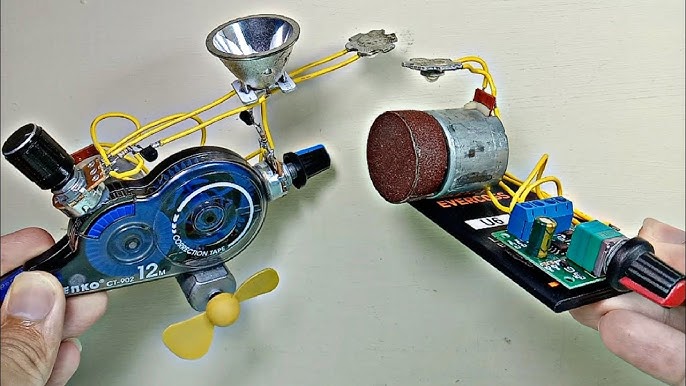
Ever wondered how to transform your living room into a mini tech-lab? Imagine creating gadgets that not only impress your friends but also make everyday tasks easier.
You don’t need to be a tech wizard or have expensive equipment to start making cool electronic things at home. All it takes is a bit of curiosity and a few simple tools. Ready to dive into the world of DIY electronics?
Let’s explore simple projects you can tackle right from your home. You’re about to discover how fun and rewarding it can be to build your own electronic creations. Stay with us, and you’ll soon have your own collection of clever devices that are both functional and fun.
Basic Tools And Materials
Building cool electronic projects at home begins with having the right tools and materials. Without these basics, even the simplest idea can become frustrating or impossible to complete. Gathering your essentials upfront saves time and boosts your confidence as you create.
Essential Electronics Tools
You don’t need a fancy lab to start making electronics. A few well-chosen tools will get you far. Here’s what I always keep handy:
- Soldering iron:This tool is your best friend for connecting components securely. A basic 30-40 watt soldering iron works well for most projects.
- Multimeter:Use it to check voltages, resistances, and continuity. It helps you troubleshoot and verify your circuits.
- Wire cutters and strippers:Cutting and stripping wires cleanly makes your work neat and reliable.
- Helping hands or a small vise:Holding tiny parts steady makes soldering easier and safer.
- Screwdrivers and tweezers:Small parts often need precise handling and assembly.
Think about the last time you struggled without the right tool. How much smoother would your project have gone with these basics?
Common Components For Diy
Knowing which parts to stock up on lets you experiment without waiting for shipments. Start with these common components:
- Resistors:Control the flow of electricity in your circuits.
- Capacitors:Store and release electrical energy when needed.
- LEDs:Light up your projects and give visual feedback.
- Transistors:Act as switches or amplifiers in circuits.
- Microcontrollers (like Arduino or Raspberry Pi):Add intelligence and control to your creations.
- Breadboard:Test and build circuits without soldering.
Imagine having these parts ready whenever inspiration strikes. How much more could you create if you never had to pause for supplies?
Safety Tips For Home Projects
Working with electronics can be fun, but safety can’t be ignored. Always protect yourself and your workspace:
- Wear safety glasses:Prevent accidental injuries from solder splashes or flying wires.
- Work in a well-ventilated area:Solder fumes can irritate your lungs and eyes.
- Unplug tools when not in use:Avoid electrical shocks or fires by disconnecting power sources.
- Keep liquids away:Water and electronics don’t mix well and can cause shorts or damage.
- Double-check connections:Wrong wiring can damage components or cause hazards.
Have you ever rushed through a step and ended up fixing mistakes later? Taking a moment for safety saves you from bigger headaches down the road.
Simple Circuits To Start
Starting with simple circuits is the best way to build your confidence and skills in electronics. These projects use basic components and easy wiring, making them perfect for beginners. You’ll see how small parts come together to create something that actually works, which is both fun and rewarding.
Led Blinkers
LED blinkers are classic beginner projects that teach you about timing and switching. You only need a few components like a resistor, an LED, a battery, and a timer chip such as the 555 timer. Wiring these together lets you create a blinking light that can be used for indicators or decorations.
Try changing the blink speed by adjusting the resistor or capacitor values. This hands-on trial helps you understand how electronic signals control behavior. Have you ever thought about how traffic lights or digital clocks use similar timing circuits?
Basic Light Sensors
Light sensors respond to changes in brightness around them, making them great for automation projects. A simple photoresistor combined with a transistor and a power source can turn on an LED when it gets dark. This introduces you to sensors and how they interact with other parts.
Experiment with placing your sensor in different lighting conditions. It’s fascinating to see how sensitive these circuits can be to small changes. What everyday problems could you solve with a light-activated switch?
Simple Sound Makers
Making sound with electronics is exciting and teaches about oscillators and audio signals. A basic circuit with a buzzer, resistor, and transistor can generate a beeping noise. You can even modify the tone by tweaking component values.
Try building a simple alarm or notification sound device. This project helps you understand how electronic signals turn into sound waves. What creative uses can you imagine for your homemade sound maker?
Fun Projects With Microcontrollers
Microcontrollers are tiny computers that control electronic devices. They make learning electronics fun and easy. With simple parts and basic coding, you can create exciting projects at home. These projects help you understand how devices work and improve your skills.
Getting Started With Arduino
Arduino is a popular microcontroller for beginners. It uses simple hardware and easy programming. You only need a board, a USB cable, and free software. The Arduino community offers many tutorials and project ideas. Start by blinking an LED light to see how it works. This small success builds confidence to try bigger projects.
Building A Digital Thermometer
A digital thermometer shows temperature on a small screen. Use an Arduino, a temperature sensor, and an LCD display. Connect the sensor to the Arduino to read temperature data. Program the Arduino to show numbers on the screen. This project teaches about sensors and data display. It’s useful for checking room or outdoor temperature.
Creating A Mini Robot
A mini robot moves around and avoids obstacles. Use an Arduino, motors, wheels, and sensors. Attach sensors to detect objects in front of the robot. Program the microcontroller to change direction when it finds something. This project combines mechanics, electronics, and coding. Building a mini robot feels like creating a small living thing.

Credit: www.youtube.com
Wearable Electronics
Wearable electronics let you blend technology with daily life. These gadgets are small, light, and easy to carry. You can make them at home with simple parts and tools. They not only look cool but also offer useful functions. Creating wearable electronics is a fun way to learn about circuits and programming. Start with small projects and grow your skills over time.
Led Bracelets
LED bracelets are bright and fun to wear. Use small LEDs, coin batteries, and copper tape to build one. Connect the LEDs in a series or parallel circuit on a flexible base. Make sure to secure all connections well. You can create different light patterns by adding a small microcontroller. These bracelets are perfect for parties or night walks.
Diy Smartwatch Basics
A DIY smartwatch shows time and basic info on a small screen. Use a microcontroller like Arduino or ESP32 for the brain. Add a small OLED or LCD display for the watch face. Include a battery and buttons for control. Start by programming simple watch functions such as time display and alarms. Expand with sensors for steps or heart rate later.
Sewing Circuits Into Clothes
Sewing circuits into clothes makes tech wearable and flexible. Use conductive thread to connect LEDs, sensors, or small lights. Choose a fabric that is easy to work with, like cotton. Plan the circuit layout before sewing to avoid mistakes. Attach components with snaps or small stitches for easy removal. This method keeps electronics safe and comfortable to wear.
Home Automation Ideas
Home automation makes daily life easier and more fun. You can control many things in your house with simple electronic projects. These projects save time and add comfort. They also help you learn new skills while building useful tools.
Start with small ideas that use common parts. These projects fit well in any home and do not need special tools. You can build systems that respond to your needs automatically. This way, your home can become smarter step by step.
Smart Light Controls
Smart light controls let you change lighting without getting up. Use sensors or apps to turn lights on or off. You can set lights to follow a schedule or react to movement. This saves energy and creates a cozy atmosphere.
- Use a microcontroller like Arduino or Raspberry Pi.
- Connect motion sensors to detect presence.
- Control LED strips or bulbs with relays or smart switches.
- Program automatic dimming based on time of day.
Automated Plant Watering
Plants need water, but remembering to water can be hard. Automated watering systems help keep plants healthy. Use soil moisture sensors to check if plants need water. The system can turn on a small pump to water plants automatically.
- Use a moisture sensor to measure soil wetness.
- Connect to a water pump or valve for delivery.
- Set a microcontroller to read sensor data and activate watering.
- Adjust watering times based on plant needs.
Diy Security Sensors
Security sensors can alert you about unwanted visitors. You can build door or window sensors easily. These sensors send alerts when a door opens or motion is detected. Integrate with your phone or alarm for quick response.
- Use magnetic reed switches for doors and windows.
- Add PIR sensors for motion detection.
- Connect sensors to a microcontroller or wireless module.
- Set up alerts via SMS or app notifications.

Credit: www.youtube.com
Troubleshooting Tips
Troubleshooting is a key skill in making cool electronic projects at home. It saves time and reduces frustration. Problems often arise, but clear steps help fix them fast. Understanding common issues and learning to test circuits makes your work smoother. Staying organized also speeds up finding and solving problems.
Common Circuit Issues
Loose connections cause many circuit failures. Check wires and components for solid contact. Wrong component placement can stop a circuit from working. Verify each part matches the circuit diagram. Short circuits happen if wires touch incorrectly. Look for accidental bridges between points. Power supply problems also affect circuits. Ensure batteries or adapters provide correct voltage.
Testing And Debugging
Use a multimeter to measure voltage, current, and resistance. This tool helps find where electricity stops or leaks. Test components like resistors and capacitors before use. Follow the signal flow through the circuit to spot errors. Divide the circuit into sections and check each part. Swap parts with known good ones to isolate faults. Use an LED or buzzer to test outputs quickly.
Keeping Projects Organized
Label wires and parts to avoid confusion. Use small containers for screws and components. Draw clear circuit diagrams and keep notes of changes. Store tools and materials in one place. Clean your workspace after each session. Organize files and codes related to your project. A tidy workspace saves time and helps focus on solving issues.

Credit: m.youtube.com
Frequently Asked Questions
What Basic Tools Do I Need To Make Electronics At Home?
You need a soldering iron, multimeter, wire cutters, and a breadboard. These tools help build and test circuits effectively. Starter kits often include essential components, making it easier for beginners.
How Can I Learn Electronics Without Prior Experience?
Start with simple projects and online tutorials. Use beginner-friendly kits and watch videos. Practice consistently to understand circuit basics and component functions.
What Are Safe Practices For Home Electronics Projects?
Always work in a well-ventilated area and use safety goggles. Disconnect power before adjustments and avoid working with high voltages. Keep your workspace clean and organized to prevent accidents.
Where Can I Find Free Resources For Diy Electronics?
Websites like Instructables, YouTube channels, and electronics forums offer tutorials. Many online communities share projects, tips, and troubleshooting advice for free. Libraries also provide helpful books and guides.
Conclusion
Creating cool electronic projects at home is fun and rewarding. You learn new skills step by step. Start with simple ideas, then try more complex ones. Use tools and parts you already have or can buy easily. Always stay safe and double-check your work.
Share your projects with friends or online communities. Keep practicing and enjoy the process. Making electronics can become a great hobby or even a career. Give it a try, and watch your ideas come to life.
Leave a Reply