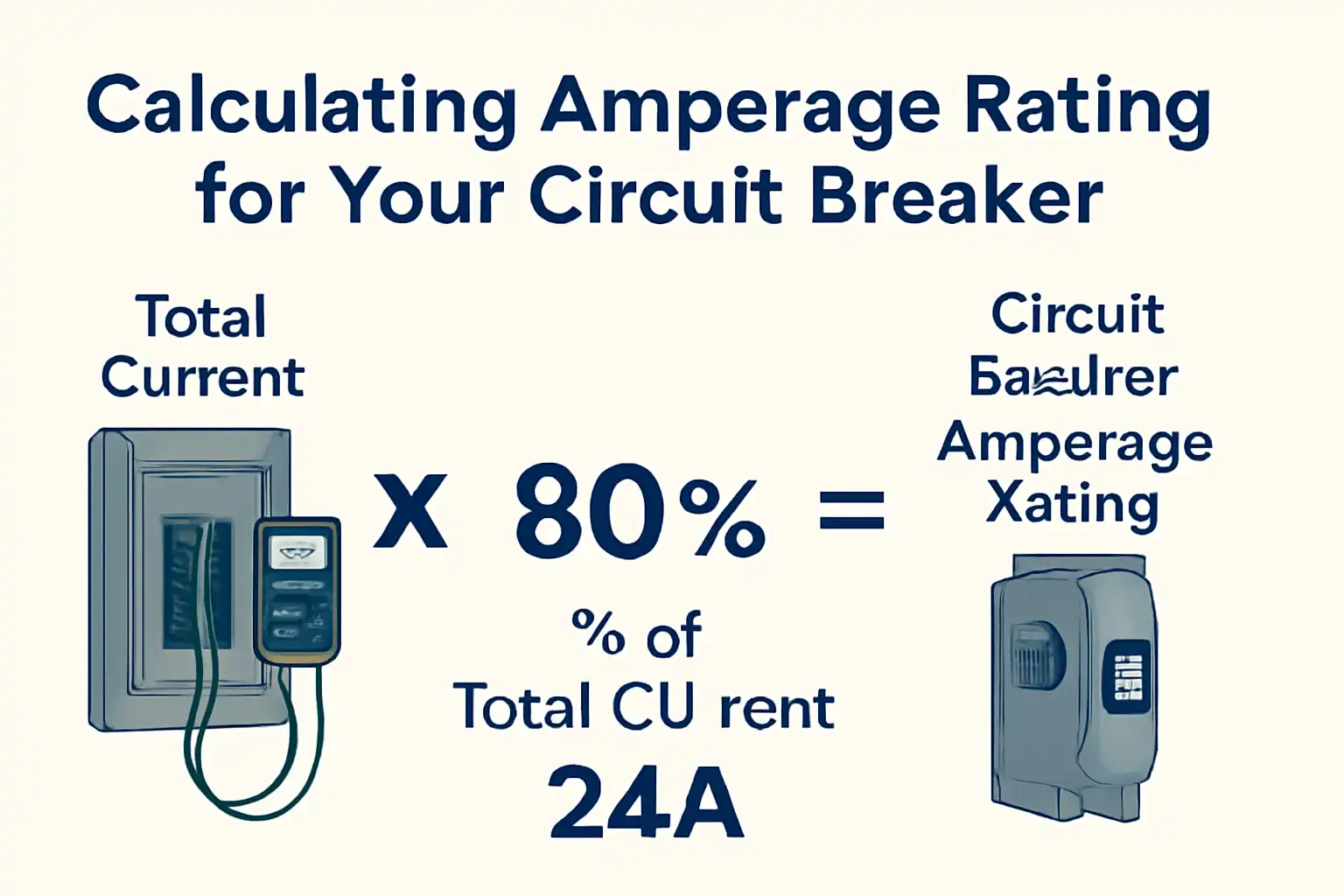
Have you ever wondered about the amps and voltage needed for your home electronics circuit? Understanding these electrical basics is crucial for keeping your devices running smoothly and safely.
Whether you’re setting up a new home office, installing the latest smart home gadgets, or just curious about how everything works, knowing the right electrical specifications can save you time and money—and prevent potential hazards. By the end of this article, you’ll have a clear grasp of the amps and voltage required for your home electronics, empowering you to make informed decisions and possibly even impressing your friends with your newfound knowledge.
Are you ready to dive in and illuminate your understanding of home electronics? Let’s get started!
Credit: www.renogy.com
Basic Electrical Terms
Understanding basic electrical terms is essential for working with home electronics circuits. These terms explain how electricity flows and how devices use power. Knowing them helps you choose the right parts and keep your system safe.
Voltage And Its Role
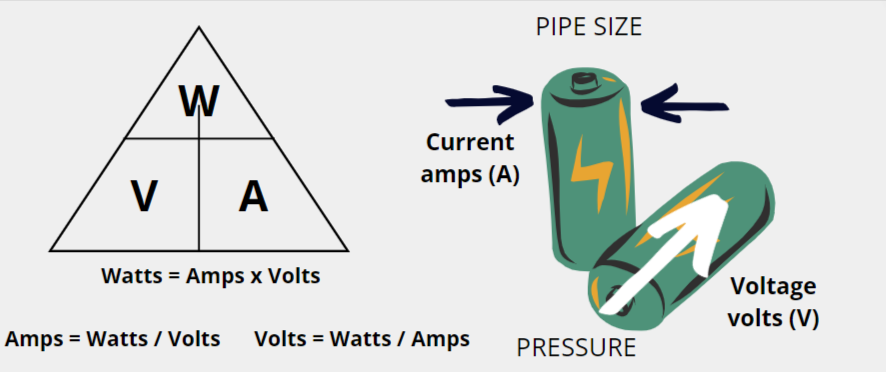
Voltage is the force that pushes electric current through a circuit. It is like water pressure in a pipe. Higher voltage means more force to move electrons. Household electronics usually use 120 or 240 volts in many countries. Voltage is measured in volts (V).
Current And Amperage
Current is the flow of electric charge through a wire. It tells how many electrons move in a second. Amperage, or amps (A), measures current size. Devices need different amps to work properly. Too much current can damage electronics or cause fires.
Power And Wattage
Power shows how much energy a device uses over time. It combines voltage and current. Wattage (W) is the unit for power. You can find wattage by multiplying volts and amps. For example, a 100 W bulb uses more energy than a 60 W bulb.

Credit: www.morganscloud.com
Standard Household Voltage
Standard household voltage is the foundation of your home’s electrical system. It determines how your electronics operate and how much current they draw. Knowing this helps you avoid overloads and keeps your devices running safely and efficiently.
Typical Voltage Levels
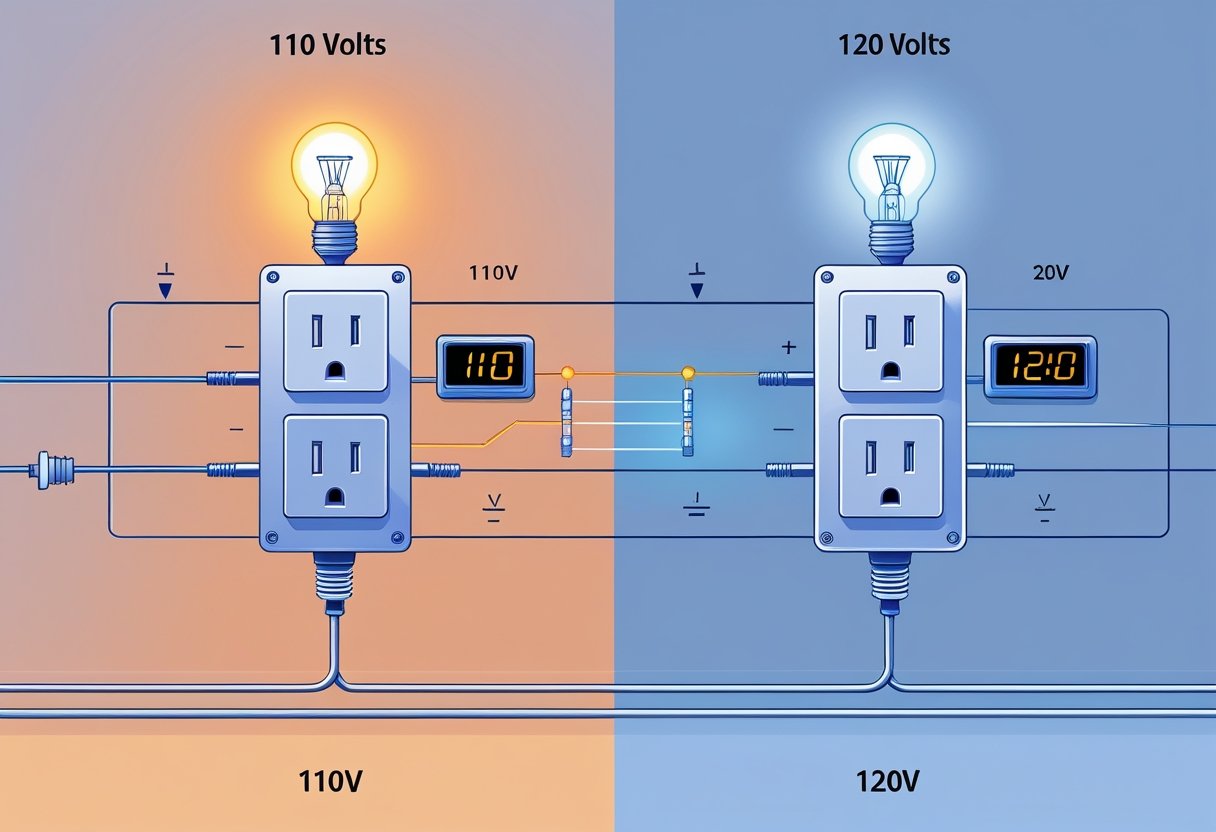
In most homes, the standard voltage is around 120 volts. This voltage powers everyday devices like lamps, TVs, and computers. Some larger appliances, like ovens and dryers, use 240 volts for more power.
Voltage can vary slightly depending on your location and utility company. Have you ever noticed flickering lights or a buzzing outlet? These can be signs of voltage issues that need attention.
Single-phase Vs. Three-phase Power
Most households use single-phase power, which delivers electricity through two wires: one live and one neutral. This setup is enough for standard home needs and keeps wiring simple.
Three-phase power, common in commercial buildings, uses three live wires and offers more consistent and higher power. Your home probably doesn’t need this, but if you run heavy equipment or workshops, it might be worth considering.
Understanding the difference can help you decide if your home’s electrical system suits your power demands. Have you ever wondered why your neighbor’s workshop seems to run more smoothly? It could be the advantage of three-phase power.
Common Amperage Ratings For Devices
Understanding the common amperage ratings for your home electronics can save you from unexpected electrical issues and help you plan your circuits better. Each device pulls a specific amount of current measured in amps, depending on its power needs. Knowing these ratings helps you choose the right wiring and circuit breakers to keep your home safe and efficient.
Low-power Electronics
Devices like smartphones, laptops, and LED lamps usually draw very low current, often less than 1 amp. These gadgets typically operate on 5 to 12 volts via adapters or USB chargers. Because their amperage is low, they rarely require dedicated circuits or heavy wiring.
Think about your phone charger; it might only draw around 0.5 amps. That’s why you can safely plug several chargers into one power strip without tripping your breaker. Do you know how much current your everyday devices really use?
Medium-power Appliances
Appliances such as microwaves, vacuum cleaners, and desktop computers generally draw between 5 to 15 amps. These operate mostly on standard 120-volt household outlets. Their higher current draw means they need proper circuit breakers, usually rated at 15 or 20 amps, to avoid overload.
For instance, a typical microwave may pull around 10 amps while running. It’s important to avoid plugging multiple medium-power devices into the same outlet or you risk tripping the breaker. Have you ever experienced a sudden power cut when using multiple appliances at once?
High-power Equipment
Heavy-duty tools, electric ovens, and HVAC systems require much more current, often ranging from 20 to 50 amps or more. These devices run on higher voltages, sometimes 240 volts, to meet their power demands. Special circuits with thicker wiring and dedicated breakers are essential for these appliances.
Take an electric oven, for example; it might need a 40-amp circuit to function safely. Installing or upgrading these circuits usually calls for professional help to ensure compliance with electrical codes. Are your high-power devices connected to the right circuits to avoid hazards?
Calculating Circuit Requirements
Calculating the electrical needs of your home electronics circuit is essential for safety and efficiency. This process ensures that wires, breakers, and devices work well without overload. Understanding amps and voltage requirements helps prevent electrical hazards and equipment damage.
Start by knowing the total load, choose the right wire size, and pick proper circuit breakers. These steps keep your home electronics running smoothly.
Estimating Total Load
Calculate the total wattage of all devices on the circuit. Check the label on each device for its power rating in watts or amps. Add the wattage values to find the total load.
Convert watts to amps using this formula:
- Amps = Watts ÷ Voltage
For example, if the total wattage is 1800 watts and voltage is 120 volts, the current is 15 amps. Always add 20% extra for safety margin.
Determining Wire Gauge
Wire size depends on the current load and distance. Thicker wires carry more current safely. Use a wire gauge chart to find the right size.
Common wire gauges for home circuits:
| Amps | Wire Gauge (AWG) |
|---|---|
| 15 amps | 14 AWG |
| 20 amps | 12 AWG |
| 30 amps | 10 AWG |
Longer wire runs require a thicker gauge to avoid voltage drop. Choose wires rated for the environment, like indoor or outdoor use.
Choosing Circuit Breakers
Select breakers that match the wire gauge and load current. Breakers protect circuits by stopping excess current flow. Use the following guidelines:
- 15-amp breaker for 14 AWG wire
- 20-amp breaker for 12 AWG wire
- 30-amp breaker for 10 AWG wire
Breakers prevent overheating and fire risks. Avoid using breakers rated higher than the wire can handle.
Safety Considerations
Safety is key when dealing with amps and voltage in home electronics circuits. Electrical mishaps can cause fires, shocks, or damage to devices. Understanding safety steps helps keep your home and family secure. Simple precautions can avoid many common risks linked to electricity.
Preventing Overloads
Overloading circuits causes wires to heat up and may start fires. Always check the amp rating of your circuit. Never plug in devices that exceed this limit. Use circuit breakers to stop excess current flow. Spread out devices across different outlets to reduce load. Avoid using too many high-power electronics on one circuit.
Grounding And Insulation
Grounding provides a safe path for electricity to flow in faults. It stops electric shocks by directing current away from people. Insulation covers wires and parts to prevent accidental contact. Use properly insulated wires and connectors for all circuits. Regularly inspect cords for damage or wear. Replace any broken or frayed insulation immediately.
Using Surge Protectors
Surge protectors guard devices from sudden voltage spikes. These spikes can damage sensitive electronics or cause fires. Plug valuable electronics into surge protectors for extra safety. Choose surge protectors with a high joule rating for better protection. Replace them after a strong surge event, as their effectiveness reduces over time.
Energy Efficiency Tips
Energy efficiency in your home electronics circuit not only saves money but also reduces unnecessary strain on your electrical system. Small changes in how you select and manage your devices can lead to significant drops in energy consumption. Are you ready to discover practical tips that make your home electronics work smarter, not harder?
Selecting Energy-efficient Devices
Choosing devices with high energy efficiency ratings directly impacts how many amps and volts your circuit draws. Look for labels like ENERGY STAR or similar certifications—they guarantee lower power use without sacrificing performance. I switched to LED bulbs and energy-efficient appliances last year and noticed my electric bill dropped noticeably within months.
Pay attention to the wattage and voltage requirements when buying new electronics. Opt for devices designed to operate at lower voltage levels if possible, as this reduces current flow and heat generation. Have you checked your current devices’ efficiency ratings lately?
Reducing Standby Power
Many electronics continue to draw power even when turned off—this is called standby power or vampire power. Unplugging devices or using power strips to cut power completely can prevent wasted energy. I started unplugging my phone charger and entertainment systems overnight, which saved me a surprising amount of energy.
Consider smart plugs that automatically shut off power after a set time or when the device is not in use. This simple habit can reduce your overall amperage load and extend the life of your electronics. What devices in your home are silently consuming electricity?
Smart Power Management
Using smart power management systems helps you control and monitor your electricity usage more efficiently. Devices like programmable timers and energy monitors give you clear insight into when and how much power your electronics consume. I installed a smart meter last year and finally understood which gadgets were energy hogs.
Adjust settings on your electronics to energy-saving modes whenever possible. For example, setting your computer to sleep mode after inactivity lowers power draw significantly. Could smarter power management be the key to optimizing your home’s electrical load?
Troubleshooting Electrical Issues
Electrical issues in your home can be tricky and sometimes dangerous. Troubleshooting these problems quickly helps protect your devices and keeps your home safe. Understanding how to spot common issues like overcurrent and voltage fluctuations can save you time and money.
Identifying Overcurrent Problems
Overcurrent happens when too much electric current flows through a circuit. This can cause wires to heat up and potentially damage your appliances or even start a fire.
Look out for signs like:
- Frequent tripping of circuit breakers
- Buzzing sounds or burning smells near outlets
- Lights flickering or dimming when you turn on multiple devices
If you notice these, check how many devices are plugged into the same circuit. Are you running a high-power appliance alongside sensitive electronics? This often leads to overcurrent issues.
Voltage Fluctuation Causes
Voltage fluctuation means the electrical supply changes unexpectedly. This can cause your devices to reset, perform poorly, or even get damaged.
Common causes include:
- Large appliances like air conditioners or refrigerators switching on
- Faulty wiring or loose connections
- Problems with the utility company’s supply
Have you ever noticed your lights dim when the washing machine starts? This is a classic example of voltage drop that may indicate an overloaded or weak circuit.
When To Call A Professional
Some electrical problems are too complex or risky to handle on your own. If you experience persistent breaker trips, burning smells, or sparks from outlets, it’s time to get expert help.
Electricians have the tools and knowledge to safely diagnose and fix issues. Don’t wait until a small problem turns into an expensive repair or safety hazard.
Remember, your safety and your home’s electrical health are worth the investment.
Credit: magnifyelectric.com
Frequently Asked Questions
What Voltage Is Standard For Home Electronics Circuits?
Most home electronics circuits use 120V or 240V, depending on your region. The voltage ensures safe and efficient operation of devices. Low-voltage circuits, like 12V, are common for specific electronics. Always check device specifications before connecting to avoid damage.
How Many Amps Do Typical Home Circuits Carry?
Home circuits usually carry 15 to 20 amps for general outlets and lighting. High-power appliances may require 30 amps or more. Correct amperage prevents circuit overload and potential hazards. Use circuit breakers rated appropriately for your devices.
Why Is Amperage Important For Home Electronics Safety?
Amperage determines the current flowing through your circuits. Too high amperage can cause overheating and fire risks. Proper amperage ensures devices operate safely and efficiently. Always match your circuit’s amperage rating to your electronics’ needs.
Can I Use Lower Voltage For Home Electronics Circuits?
Yes, many home electronics operate on lower voltages like 5V or 12V. These are common for USB devices and LED lighting. Using lower voltage reduces electrical hazards and power consumption. Ensure your power supply matches the device’s voltage requirements.
Conclusion
Knowing the right amps and voltage keeps your electronics safe. Too much power can damage devices or cause hazards. Always check the labels on your gadgets before connecting them. Use the correct wires and fuses to handle the current. This simple step protects your home and your equipment.
Understanding these basics helps you avoid costly repairs. Keep your circuits balanced and your devices running well. Small care leads to long-lasting electronics in your home.
Leave a Reply