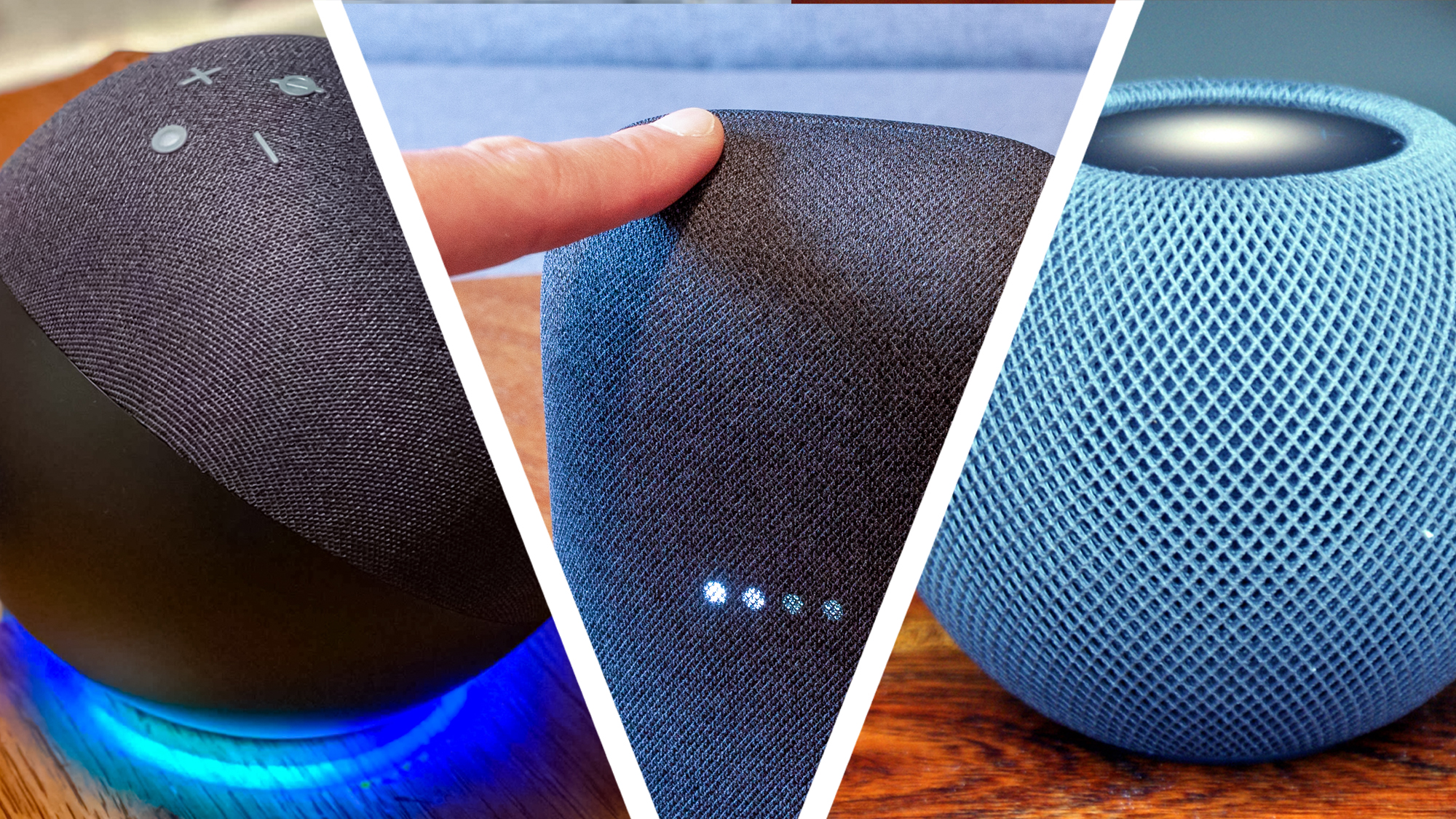
Imagine transforming your home into a smart, connected hub where everything responds to your voice commands. This isn’t a futuristic dream—it’s happening now with devices like Google Home and Amazon Echo.
These gadgets aren’t just popular; they’re redefining how you interact with your surroundings. But with so many options flooding the market, how do you choose the right one for your lifestyle? You might find yourself overwhelmed by the choices, wondering which device can truly elevate your daily routine.
Stay with us, and you’ll discover the exciting world of smart electronics, their unique features, and how they can seamlessly fit into your life. Let’s dive in to explore what makes these smart assistants indispensable and which ones deserve a place in your home.

Credit: www.engadget.com
Smart Speakers To Watch
Smart speakers have become essential gadgets for many homes. They help you control your devices, get information, and even manage your schedule with simple voice commands. Choosing the right smart speaker can change the way you interact with technology every day.
Google Home Series
The Google Home series offers smart speakers with excellent voice recognition and seamless integration with Google services. Models like the Google Nest Mini and Nest Audio deliver clear sound and support a wide range of smart home devices.
One feature I appreciate is how effortlessly you can ask Google to play music, set reminders, or even control your thermostat. Plus, the Google Home app makes managing your devices straightforward. Have you tried using Google Assistant to simplify your daily tasks yet?
Amazon Echo Lineup
Amazon Echo devices are known for their versatility and the Alexa voice assistant. From the compact Echo Dot to the powerful Echo Studio, there’s a model for every room and budget.
Alexa skills add endless possibilities—from ordering groceries to controlling lights and locks. I found that the Echo’s ability to connect with numerous third-party apps enhances its usefulness. What smart home functions do you want to control with your voice?
Other Notable Brands
Beyond Google and Amazon, brands like Apple, Sonos, and Bose offer smart speakers that combine quality sound with smart features. Apple’s HomePod mini integrates tightly with iPhones and other Apple devices, making it a great choice for Apple users.
Sonos speakers stand out for audiophiles who don’t want to sacrifice sound quality for smart features. Bose offers a balanced mix of premium sound and smart assistant support. Which brand do you trust most to blend smart technology with great audio?
Key Features To Compare
Choosing between Google Home and Amazon Echo means comparing their key features. These features affect how well the device works for your needs. Focus on voice assistant skills, sound quality, smart home links, and design. Each plays a big role in your daily use.
Voice Assistant Capabilities
Google Home uses Google Assistant, known for quick, accurate answers. It handles complex questions well and supports multiple languages. Amazon Echo runs on Alexa, which has a vast number of skills and third-party apps. Alexa can control many smart devices and offers routines for automation. Both assistants recognize voice commands clearly and can manage calendars, reminders, and shopping lists.
Sound Quality
Sound matters for music, podcasts, and calls. Google Home offers clear, balanced audio with good bass. Its speakers suit small to medium rooms. Amazon Echo models vary, with some offering richer bass and louder sound. Echo’s premium versions deliver better stereo and 3D audio effects. Both support multi-room music setups, but Echo often leads in volume and bass depth.
Smart Home Integration
Google Home works best with Google Nest and many third-party devices. It supports popular brands like Philips Hue and TP-Link. Amazon Echo integrates with a wider range of smart home products. Alexa supports thousands of smart devices and custom skills. Echo allows easier setup of routines and groups for smart homes. Both systems let you control lights, locks, thermostats, and cameras by voice.
Design And Build
Google Home features a simple, modern look with soft edges and fabric covers. It fits well in most rooms and comes in various colors. Amazon Echo devices come in different shapes and sizes, from compact to large speakers. Echo’s design often includes fabric or wood finishes for style variety. Both devices are sturdy and designed for easy use, with buttons and microphones placed for convenience.
Budget-friendly Options
Finding smart home devices that fit your budget can be tricky. You want good features without paying a fortune. Luckily, there are several affordable options from Google Home and Amazon Echo that give you smart functionality without emptying your wallet.
Affordable Google Home Models
Google offers budget-friendly models that still pack a punch. The Google Nest Miniis a compact speaker with clear sound and Google Assistant built-in. It’s perfect if you want voice control for your music, lights, or even quick answers.
Another option is the Google Nest Audio, which costs a bit more but delivers richer sound quality. If you enjoy podcasts or music, this model strikes a great balance between price and performance. Have you considered how much sound quality matters to your daily listening?
Entry-level Amazon Echo Devices
Amazon’s entry-level devices are great for those new to smart speakers. The Echo Dotis a small, affordable device that connects to Alexa and your smart home gear. It’s compact, easy to place anywhere, and frequently goes on sale, making it a top choice for budget shoppers.
The slightly larger Echo Dot with Clockadds a handy LED display for time, alarms, and timers. This is useful if you want a smart speaker on your nightstand without buying a separate clock.
Best Value Alternatives
If you want to explore beyond Google and Amazon, there are other brands offering solid smart speakers at lower prices. Devices from brands like Lenovo Smart Clockor JBL Linkprovide reliable voice assistant support and decent audio quality.
Think about what features matter most to you—sound, display, or assistant type. Sometimes, a lesser-known brand matches your needs better without the premium price. What would you be willing to compromise on to save money?

Credit: www.pcworld.com
Premium Smart Speakers
Premium smart speakers bring more than just voice commands to your home. They combine sleek design with powerful sound and smart features to enhance your daily routines. If you’re ready to invest in a top-quality device, here’s a closer look at what Google and Amazon offer in their premium lines.
High-end Google Devices
Google’s premium smart speakers, like the Nest Audio and Nest Hub Max, focus on delivering rich sound and a seamless Google Assistant experience. The Nest Audio stands out with its clear, room-filling sound that adapts to your environment.
The Nest Hub Max adds a 10-inch touchscreen, perfect for video calls, home monitoring, and displaying recipes or photos. These devices integrate well with other Google services, making them a smart choice if you already use Google apps daily.
Top-tier Amazon Echo Products
Amazon’s high-end Echo speakers, including the Echo Studio and Echo Show 10, offer impressive audio quality combined with Alexa’s vast functionality. The Echo Studio supports 3D audio and Dolby Atmos, providing a cinematic listening experience.
The Echo Show 10 features a rotating screen that follows you around the room, enhancing video calls and interaction. These devices also control smart home gadgets effortlessly and access Amazon’s wide range of services.
Luxury Smart Speaker Choices
If you want to go beyond mainstream options, brands like Bang & Olufsen and Sonos offer luxury smart speakers that combine superior craftsmanship with smart technology. These devices often support both Google Assistant and Alexa, giving you flexibility.
For example, the Sonos One combines excellent sound with multi-room audio capabilities, allowing you to fill your entire home with music. Investing in these luxury speakers means you get both style and substance, but are you ready to pay for that extra edge in quality?
Compatibility And Ecosystem
Choosing between Google Home and Amazon Echo often comes down to how well these devices fit into your existing tech setup. Compatibility and ecosystem play a huge role in ensuring your smart assistant not only works but enhances your daily routine. Understanding what each device supports can save you time and frustration while maximizing your smart home’s potential.
Works With Android And Ios
Both Google Home and Amazon Echo offer apps compatible with Android and iOS, so you can control your devices from almost any smartphone. Google Home naturally syncs seamlessly with Android devices, especially if you use Google services like Gmail and Google Calendar. However, Amazon Echo’s Alexa app is equally functional on iOS, allowing iPhone users to enjoy voice commands and device management without issues.
Have you noticed any difference in responsiveness or ease of use between these platforms? Your choice might depend on which phone you carry most of the day.
Smart Home Device Support
Smart home device compatibility is a key factor. Amazon Echo supports a broad range of smart devices, including brands like Philips Hue, Ring, and SmartThings. Google Home also supports many of these, but tends to integrate better with Nest products and Google’s own ecosystem.
Here’s a quick comparison:
| Feature | Google Home | Amazon Echo |
|---|---|---|
| Smart Lights | Works well with Google Nest and Philips Hue | Supports Philips Hue, LIFX, TP-Link and more |
| Security Cameras | Best with Nest cameras | Compatible with Ring, Arlo, and others |
| Smart Plugs | Works with Google Assistant-compatible plugs | Wide compatibility with many brands |
Think about the devices you already own. Which ecosystem adds more value without forcing you to replace gear?
Third-party App Integration
Both platforms integrate with numerous third-party apps that enhance their usefulness. Alexa’s Skills store offers thousands of options, from ordering pizza to guided meditation sessions. Google Assistant accesses many services through Actions, including calendar management and real-time translations.
Integration isn’t just about quantity but also about quality and ease of use. You might find one ecosystem offers smoother connections with the apps you rely on daily.
What apps do you use most, and how well do they work with your smart assistant? Testing this early can help you avoid headaches later.

Credit: www.youtube.com
Privacy And Security Features
Smart home devices like Google Home and Amazon Echo collect personal data to function effectively. Privacy and security features protect this information from misuse. These devices use various methods to keep your data safe and give you control over what is shared.
Data Protection Measures
Both Google Home and Amazon Echo use strong encryption to protect your data. Voice recordings are stored securely to prevent unauthorized access. They also use secure servers and regular security updates. These steps reduce the risk of data breaches.
User Control Settings
Users can manage their privacy settings easily. You can review and delete voice recordings anytime. Both devices allow you to mute the microphone for privacy. Settings also include control over data sharing with third parties.
Recent Updates And Improvements
Manufacturers frequently update software to enhance security. New features include better voice recognition and data anonymization. Updates also improve user control and transparency. These changes help build trust and protect user privacy.
Future Trends In Smart Speakers
Smart speakers like Google Home and Amazon Echo have already changed how you interact with technology at home. But what’s next for these devices? Future trends point toward smarter, faster, and more connected experiences that will make your daily routines easier and more enjoyable.
Ai Advancements
Expect smart speakers to become much better at understanding your natural speech. They will recognize context and emotions, making conversations feel more human-like. Imagine asking your device not just for the weather but for advice based on your mood or schedule.
These improvements mean your speaker could anticipate your needs. For example, it might suggest playing relaxing music after a long day without you even asking. This shift from reactive to proactive assistance could change how you manage your time and wellbeing.
Enhanced Connectivity
Smart speakers will connect more seamlessly with a wider range of devices. This means fewer compatibility issues and smoother control over your smart home gadgets. You’ll be able to control lights, thermostats, security cameras, and even kitchen appliances with a single command.
Think about walking into your house and having the lights turn on, your favorite playlist start, and the thermostat adjust automatically. The real power lies in how these devices communicate behind the scenes to create a unified experience just for you.
Expanding Smart Home Roles
Beyond playing music or answering questions, smart speakers will take on more complex roles. They could become central hubs for home security, health monitoring, and even energy management. This means your device might alert you to unusual activity or remind you to take medication.
Would you trust your speaker to help manage your home’s safety or your daily health? As these roles expand, privacy and control will become important topics for you to consider. The future will likely offer more customizable options so you can decide how much your smart speaker handles.
Frequently Asked Questions
What Smart Speakers Like Google Home Are Available?
Google offers various smart speakers like Nest Mini, Nest Audio, and Nest Hub. These devices feature voice control, smart home integration, and high-quality audio.
How Does Amazon Echo Compare To Google Home Devices?
Amazon Echo uses Alexa for voice commands, supports many smart devices, and offers multiple models like Echo Dot and Echo Show.
Can I Use Google Home And Amazon Echo Together?
Yes, both devices can coexist in one home. However, they operate independently and require separate apps for control.
What Features Do Google Home And Amazon Echo Share?
Both provide voice assistance, smart home control, music streaming, weather updates, and support for third-party apps and devices.
Conclusion
Smart home devices like Google Home and Amazon Echo bring ease and fun. They help with tasks, play music, and control other gadgets. Choosing the right one depends on your needs and budget. Both brands offer many options with useful features.
These devices fit well in any home or office. Now, you know which electronics can make life simpler and more connected. Try one and enjoy the benefits of smart technology today.
Leave a Reply