Imagine the unsettling thought of someone listening to your private conversations or watching your every move in the comfort of your home. It’s a chilling idea, but the reality is, electronic bugs can be more common than you think.
If you’ve ever felt like your privacy is being invaded or noticed strange clicks during phone calls, it might be time to investigate. In this guide, you’ll discover the simple steps you can take to detect any unwanted electronic devices hidden around your house.
Protecting your privacy is crucial, and understanding how to safeguard your personal space can give you peace of mind and control over your environment. Are you ready to ensure your home is truly your private sanctuary? Read on to learn how to uncover and eliminate those pesky electronic bugs once and for all.

Credit: pointepest.com
Signs Of Electronic Bugs
Detecting electronic bugs in your home can be challenging because these devices are designed to be hidden and discreet. However, certain signs can alert you to their presence. Paying attention to small details around your living space helps you catch potential intrusions early and protect your privacy.
Unusual Sounds And Interference
Have you noticed strange clicking, buzzing, or static noises during phone calls or while using your radio? These sounds might indicate electronic bugs transmitting signals. Even small background interference on your television or audio devices can be a red flag.
Try to identify if the noise occurs consistently in specific areas or times. Sometimes, bugs cause subtle disruptions in your wireless connections. Does your phone call suddenly drop or crackle when you move to certain rooms?
Unexpected Battery Drain
If your devices like smartphones, tablets, or laptops lose battery faster than usual, it could mean something is running in the background without your knowledge. Electronic bugs often require power, and hidden transmitters or cameras may drain batteries quickly.
Check for apps or processes you don’t recognize that consume energy. You might also find that certain devices heat up more than normal, which can be another clue. Have you ever charged your phone overnight only to find it nearly dead the next morning?
Strange Devices And Wires
Look closely around your home for unusual gadgets, tiny holes, or unfamiliar wires. Bugs are often concealed in everyday objects like smoke detectors, clocks, or electrical outlets. Sometimes, a small lens or a wire that doesn’t belong can give them away.
Inspect places where you wouldn’t expect electronics, such as behind pictures or inside lamps. Pay special attention to new items you didn’t put there yourself. Have you ever found a wire that seemed out of place or a device you don’t remember buying?

Credit: pointepest.com
Types Of Electronic Bugs
Electronic bugs come in various forms. Each type serves a different spying purpose. Understanding these types helps you detect hidden devices in your home quickly.
Audio Bugs
Audio bugs capture sound and voice. They can be tiny microphones hidden in everyday objects. Detecting them requires careful listening for unusual noises or clicks. Some audio bugs transmit sound wirelessly to a receiver.
Video Bugs
Video bugs record or stream video secretly. These devices often look like small cameras or are hidden inside objects. They can capture live footage or save recordings. Spotting unusual lenses or small holes helps find these bugs.
Wireless Transmitters
Wireless transmitters send data without wires. They can carry audio, video, or other information. These bugs use radio signals, Wi-Fi, or Bluetooth. Specialized detectors can find their signals by scanning your home.
Tools For Detection
Detecting electronic bugs in your home requires more than just a keen eye. You need the right tools designed to uncover hidden devices that transmit or record data. These tools help you scan your environment efficiently, making your search both thorough and effective.
Rf Detectors
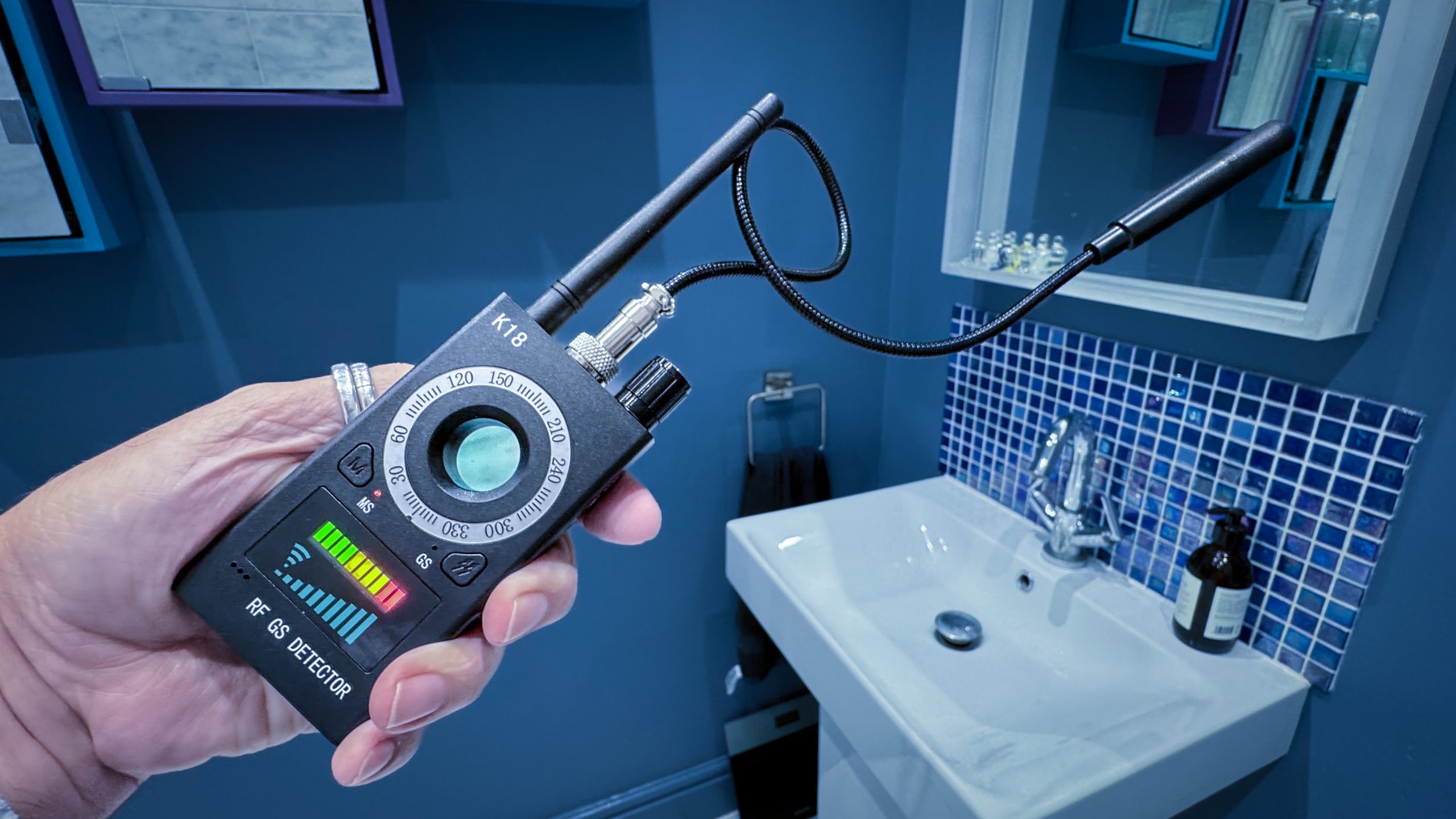
RF (Radio Frequency) detectors scan for wireless signals emitted by bugs. These devices pick up transmissions from hidden microphones, cameras, or GPS trackers.
Many RF detectors can alert you with sound or visual cues when they detect suspicious signals. They are especially useful in detecting active bugs that send data remotely.
Remember, some devices may use low power or operate intermittently. So, scanning at different times and locations in your home increases your chances of finding them.
Non-linear Junction Detectors
Non-linear junction detectors (NLJDs) find electronic components by sending radio waves and analyzing the reflections. Unlike RF detectors, NLJDs can detect inactive or powered-off bugs because electronic circuits reflect signals differently than natural materials.
This tool is valuable when you suspect bugs that are hidden but not currently transmitting. It can detect hidden chips in walls, furniture, or objects.
Using an NLJD requires practice; false positives can happen near metal objects. Take your time and scan methodically to avoid missing a hidden device.
Signal Analyzers
Signal analyzers provide detailed information about signals in your environment. They can identify frequencies, modulation types, and signal strength, helping you pinpoint suspicious transmissions.
These tools are more advanced and often used by professionals, but some user-friendly models are available for personal use. They offer a deeper look into your home’s electronic landscape.
Have you noticed unexplained signals on your phone or Wi-Fi? A signal analyzer can help you investigate these anomalies and reveal hidden bugs you might otherwise miss.

Credit: ukspygear.com
Diy Detection Techniques
Detecting electronic bugs in your home doesn’t always require expensive equipment or professional help. With some keen observation and simple tools, you can perform an effective check yourself. These DIY detection techniques put you in control and help you spot hidden devices before they invade your privacy.
Physical Inspection Tips
Start by carefully examining areas where bugs are often hidden. Look inside smoke detectors, light fixtures, clocks, and even behind picture frames. Bugs are usually tiny, so use a flashlight to spot small wires or unusual holes.
Check for any objects that seem out of place or recently added. Loose panels, new screws, or strange devices near power outlets deserve extra attention. If you find something suspicious, don’t touch it immediately—note its location for further investigation.
Using Your Smartphone
Your smartphone can be a handy tool to detect bugs. Try turning off the lights and using your phone’s camera to scan for infrared lights that some bugs emit. These tiny red or white blinking lights are invisible to the naked eye but can be seen through a phone camera.
Use your phone’s microphone to listen for faint buzzing or clicking noises. Moving your phone slowly around the room might help you catch hidden transmitters. Also, several apps claim to detect suspicious signals or magnetic fields; while not foolproof, they can add another layer to your search.
Conducting A Bug Sweep
Performing a bug sweep means systematically checking every room and every corner. Start with common hiding spots like vents, electrical outlets, and furniture joints. Don’t forget areas near your home office or bedrooms where privacy is most critical.
Use a small mirror to peek into tight spaces or under furniture. Carry a handheld RF detector if you have access to one; it picks up wireless signals emitted by bugs. Move slowly and pay attention to any spikes or unusual readings, which could indicate hidden devices.
Have you ever felt uneasy in your own home but couldn’t explain why? Maybe a bug is the cause. Regularly practicing these DIY techniques can give you peace of mind and help protect your personal space.
Professional Bug Sweeping Services
Professional bug sweeping services offer a thorough and reliable way to detect hidden electronic bugs in your home. These experts use advanced tools and techniques that go beyond simple DIY methods, giving you peace of mind that your privacy is secure. Hiring professionals can uncover even the most well-hidden devices, saving you time and stress.
When To Hire Experts
You should consider hiring professional bug sweepers if you notice unusual noises during phone calls, unexpected interference on your devices, or if you suspect someone may be spying on you. New homeowners often use these services to ensure the property is free of any surveillance devices left behind. Business owners with sensitive information also benefit from regular sweeps to protect their trade secrets.
What To Expect From A Sweep
During a professional sweep, technicians will scan your entire home using specialized equipment that detects radio frequencies, hidden cameras, and other electronic bugs. They will check common hiding spots like smoke detectors, light fixtures, and electrical outlets. After the sweep, you will receive a detailed report outlining any findings and recommendations for removal or further action.
Costs And Considerations
Costs for professional bug sweeping services vary depending on the size of your home and the complexity of the sweep. On average, you might pay between $200 and $500 for a thorough inspection. Consider the value of your privacy and security when deciding if the expense fits your needs. Some companies offer follow-up visits or ongoing monitoring as part of their packages, which could be worth exploring if you want long-term protection.
Preventing Electronic Bugs
Preventing electronic bugs in your home means taking active steps to block unauthorized devices from spying on your private life. It’s not just about detecting bugs after they’re there—it’s about making your home a tough place for them to hide. Simple changes in how you secure your home and monitor signals can save you from a lot of trouble.
Securing Entry Points
Think about every possible way someone could sneak a bug into your home. Doors, windows, vents, and even mail slots are common entry points. You can tighten security by installing strong locks, window sensors, and security cameras focused on these vulnerable spots.
Check for hidden openings like loose panels or gaps behind furniture where a bug could be slipped in unnoticed. Sealing these spots with weather stripping or caulking creates fewer hiding places for electronic devices.
Using Signal Jammers
Signal jammers disrupt the wireless signals bugs rely on to send information out. Using these devices in key areas of your home can stop bugs from transmitting data to outsiders. However, you need to be aware of local laws, as signal jammers are regulated in many places.
Experiment with portable jammers during sensitive conversations or meetings to add an extra layer of protection. Have you ever noticed strange interference on your phone or Wi-Fi? It could be a sign that someone is trying to listen in.
Regular Security Audits
Schedule routine checks to inspect your home for electronic bugs. Use bug detection tools or hire professionals who specialize in technical surveillance countermeasures. Regular audits help catch new threats before they become serious privacy breaches.
Keep a log of your findings and any actions taken. This habit helps you notice patterns and improve your security over time. How often do you review your home’s security? Making it a regular task could prevent unexpected surprises.
Legal Aspects And Privacy
Understanding the legal aspects and privacy concerns around electronic bugs is crucial before you start detecting them in your home. Surveillance laws vary widely depending on your location, and knowing your rights can protect you from unintended legal issues. Privacy isn’t just about keeping secrets—it’s about maintaining control over your personal space and information.
Laws On Surveillance Devices
Many regions have specific laws regulating the use of surveillance devices. These laws often prohibit secret recording or bugging without consent, especially in private areas like homes.
Before you search for bugs, check local regulations to understand what’s allowed. Some places require at least one party’s consent for any audio or video recording. Violating these laws can lead to serious penalties.
Have you ever wondered if your neighbor’s strange behavior might be legal surveillance? Knowing the law helps you spot when something feels off and whether you have grounds to act.
Rights And Responsibilities
You have the right to privacy in your own home, which often includes protection against unauthorized surveillance. But this right comes with responsibilities too.
While you can detect and remove bugs, you must avoid invading others’ privacy in the process. For example, if you suspect a device in a shared space, you should proceed carefully and legally.
Understanding your rights can empower you to protect your home without crossing legal boundaries. It also helps you respect others’ privacy while safeguarding your own.
Reporting Suspicious Activity
If you find a bug or suspect illegal surveillance, reporting it to the proper authorities is a key step. Local police or specialized privacy protection agencies usually handle such cases.
Document what you find carefully—take photos, note locations, and keep records of any unusual activity. This information can support your report and help authorities investigate effectively.
Ignoring suspicious devices might seem easier, but asking yourself what’s at stake when your privacy is compromised can motivate you to take action. Who else might be listening or watching?
Frequently Asked Questions
How Can I Detect Electronic Bugs At Home?
Use a bug detector or RF scanner to find hidden bugs. These devices identify unusual signals. Also, inspect suspicious items and wires physically for tampering.
What Are Common Signs Of Electronic Bugging Devices?
Look for unusual sounds, static, or clicks during calls. Unexplained battery drain or overheating devices may also indicate bugs. Strange objects or wires are red flags too.
Can Smartphones Detect Hidden Bugs Effectively?
Yes, smartphones with specific apps can detect some RF signals. However, they may miss low-frequency or non-radio bugs. Dedicated bug detectors provide more reliable results.
Are There Diy Methods To Find Hidden Bugs?
Yes, you can visually inspect rooms for strange devices. Use a flashlight to spot reflective lenses. Turn off lights and listen for buzzing or clicking sounds.
Conclusion
Detecting electronic bugs helps protect your privacy at home. Stay alert to unusual sounds or signals around you. Use simple tools like bug detectors or smartphones to scan rooms. Regularly check common hiding spots like smoke detectors or clocks. Trust your instincts if something feels off.
Taking these small steps keeps your home safe. Stay calm and act carefully to avoid damage. Privacy matters. Keep your space secure and worry less.
Leave a Reply