
Imagine relaxing in the comfort of your home, knowing that every corner is secure and safe. Gas leaks are a silent danger that can disrupt this peace, but you have the power to detect them before they become a threat.
The Home Flex Electronic Gas Leak Detector is your ally in safeguarding your home. With its user-friendly design, this tool helps you identify gas leaks effortlessly. Are you ready to take control of your home’s safety? In this guide, you’ll discover how to use this detector effectively, ensuring your family’s safety and your peace of mind.
Keep reading to unlock the secrets to a safer, more secure home environment.

Credit: us.amazon.com
Home Flex Gas Leak Detector Features
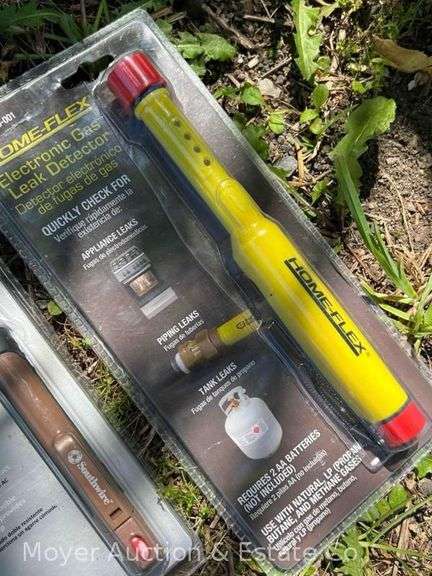
The Home Flex Gas Leak Detector offers reliable safety features to protect your home. It quickly senses gas leaks, alerting you before danger grows. This device is easy to use and designed for everyday home safety checks. Understanding its features helps you use it effectively and keep your family safe.
Key Components
- Compact handheld design for easy handling
- Long sensor probe to reach tight spaces
- Clear LED display showing gas concentration
- Audible alarm to warn of gas presence
- Indicator lights for battery and sensor status
Sensor Technology
The detector uses advanced semiconductor sensors to detect gases. These sensors respond quickly to natural gas and propane leaks. They provide accurate readings even at low gas levels. This technology ensures early warning and helps prevent accidents.
Power And Battery Options
The device runs on standard AAA batteries for easy replacement. It has low battery warning to avoid sudden power loss. Battery life lasts several hours for continuous use. Power efficiency helps maintain reliable operation during checks.
Credit: bids.moyerauction.com
Setting Up Your Detector
Setting up your Home Flex Electronic Gas Leak Detector is simple and quick. Proper setup ensures accurate readings and safety in your home. Follow these steps to prepare your device for reliable use.
Unboxing And Initial Checks
Carefully open the package and take out the detector. Check for any visible damage or missing parts. Your box should include the detector, user manual, and batteries. Read the manual briefly to understand basic functions. Inspect the sensor area to ensure it is clean and clear.
Installing Batteries
Locate the battery compartment, usually on the back of the device. Open it gently without forcing the cover. Insert the batteries according to the positive (+) and negative (-) signs. Use fresh batteries for best performance. Close the compartment tightly to avoid loose connections.
Calibrating The Device
Turn on the detector by pressing the power button. Let it warm up for a few seconds as per the manual. Hold the detector in fresh air, away from any gas sources. Press the calibration button if available, or follow the manual’s calibration instructions. Wait until the device signals that calibration is complete. This step sets the baseline for accurate gas detection.
Operating The Detector
Operating the Home Flex Electronic Gas Leak Detector is simple and straightforward. This device helps you find gas leaks quickly and safely. Knowing how to use it properly ensures your home stays protected.
Turning On And Off
Start by pressing the power button to turn on the detector. You will hear a beep indicating it is active. Wait a few seconds for the device to warm up. To turn it off, press the power button again. The detector will stop beeping and shut down.
Interpreting Alerts
The detector uses sound and light to warn you about gas leaks. A steady beep means no gas is detected. When the beep speeds up and the light flashes, gas is nearby. The louder the beep, the stronger the gas concentration. Always move away and ventilate the area if alerts activate.
Testing For Leaks
Hold the detector near gas pipes, fittings, and appliances. Slowly move the sensor along the surfaces to check for leaks. Pay special attention to joints and valves. If the alarm sounds or lights flash, mark the spot and avoid using the gas. Repeat the test regularly to keep your home safe.
Safety Precautions During Use
Using the Home Flex Electronic Gas Leak Detector safely is essential to protect yourself and your home. Handling this device with care ensures accurate readings and prevents unnecessary panic. Paying attention to safety precautions during use keeps your environment secure and helps you respond effectively to potential gas leaks.
Avoiding False Alarms
False alarms can cause unnecessary stress and confusion. To minimize them, avoid using the detector near strong odors like paint, cleaning products, or aerosols. These substances can trigger the sensor and lead to inaccurate alerts.
Make sure to test the detector in a well-ventilated area before scanning your home. This simple step helps you understand the device’s normal behavior and reduces the chance of misreading harmless gases. Have you ever experienced a false alarm that wasted your time? Being mindful can save you that hassle.
Proper Handling And Storage
Handle the gas detector gently; rough treatment may damage its sensitive components. Always keep the device clean and free from dust, which can interfere with its sensors. Store it in a cool, dry place away from direct sunlight to maintain its accuracy and longevity.
Battery life is crucial for reliable operation. Remove batteries if you won’t use the detector for a long time to prevent leakage. Regularly check and replace batteries to avoid the device shutting off unexpectedly during critical moments.
When To Seek Professional Help
If the detector signals a gas leak, do not try to fix the issue yourself unless you are trained. Evacuate the area immediately and call your gas company or emergency services. Professionals have the right tools and knowledge to handle dangerous gas leaks safely.
Even if the detector shows minor readings, consider having a professional inspection. Sometimes leaks are small but can grow into serious hazards. Would you rather take a small precaution now or face costly repairs and health risks later?
Maintaining Your Detector
Maintaining your Home Flex Electronic Gas Leak Detector ensures it works well and lasts long. Regular care keeps the device sensitive to gas leaks. It also helps avoid false alarms and keeps you safe.
Regular Cleaning Tips
Keep the detector clean to avoid dust build-up. Use a soft, dry cloth to wipe the outer surface. Avoid using water or cleaners that can damage the device.
Check the sensor area gently for dirt. Use a small brush or compressed air to clear dust. Do this once every month or more if needed.
Battery Replacement
Low battery can cause the detector to fail. Replace batteries regularly to keep the device ready. Use the battery type recommended in the manual.
Remove old batteries carefully to avoid damage. Insert new ones in the correct direction. Test the detector after battery replacement to confirm it works.
Software Updates And Troubleshooting
Check for software updates if your detector supports them. Updates improve performance and fix bugs. Follow the manufacturer’s guide to update safely.
If the device shows errors, reset it by turning off and on. Consult the user manual for specific troubleshooting tips. Contact customer support if problems continue.
Common Issues And Solutions
Using your Home Flex Electronic Gas Leak Detector should be straightforward, but sometimes issues pop up that can confuse or frustrate you. Knowing how to troubleshoot common problems helps you keep your device reliable and your home safe. Let’s look at typical challenges and how to fix them quickly.
Detector Not Responding
If your detector doesn’t turn on or respond, start by checking the battery. Weak or dead batteries are often the culprit. Try replacing them with fresh, high-quality batteries to see if that restores power.
Also, inspect the battery contacts for dirt or corrosion. Cleaning them gently with a dry cloth can improve connection. Have you noticed any unusual smells or damage near the battery compartment? That could signal a deeper issue requiring professional help.
Frequent False Alerts
False alarms can be annoying and may make you ignore real dangers. If your detector keeps beeping without gas presence, look at its placement first. Avoid putting it near kitchens, bathrooms, or vents where steam or cooking fumes can trigger alerts.
Regularly clean the sensor area with a soft brush or compressed air. Dust and debris often cause false readings. If alerts continue, try resetting the device by turning it off and on again.
Sensor Sensitivity Problems
Sensitivity issues can mean your detector misses leaks or reacts too easily. If you suspect this, test it using a known safe gas source or consult the manual for calibration steps. Some models allow you to adjust sensitivity settings directly.
If your detector feels less responsive over time, it might need sensor replacement. Sensors degrade and lose accuracy after extended use. Have you checked the warranty or support options? Sometimes getting a new sensor or device is the best choice for your safety.
Enhancing Home Safety
Enhancing home safety goes beyond just owning a gas leak detector like the Home Flex Electronic Gas Leak Detector. It’s about creating a secure environment where risks are minimized and everyone knows what to do in an emergency. Taking extra steps to protect your home can give you peace of mind and protect your loved ones from potential dangers.
Complementary Safety Devices
Adding more safety devices alongside your gas leak detector can create a robust defense system for your home. Smoke detectors, carbon monoxide alarms, and fire extinguishers work together to cover different risks. Each device plays a unique role, so combining them helps you catch hazards early.
Think about placing smoke detectors in bedrooms and hallways, while carbon monoxide alarms should be near sleeping areas. Keep a fire extinguisher in the kitchen, where most household fires start. These devices, along with your gas leak detector, create layers of protection that complement each other.
Creating A Gas Leak Emergency Plan
Having a plan ready before an emergency happens can save lives. Make sure everyone in your home knows how to respond if the gas detector goes off. Discuss where to meet outside and how to call for help.
Practice turning off the main gas valve so everyone feels confident doing it when needed. Also, identify safe exits in each room and keep emergency numbers visible on the fridge or near phones. Knowing exactly what to do reduces panic and speeds up your response time.
Tips For Gas Leak Prevention
Preventing gas leaks is the best way to keep your home safe. Regularly check your appliances, connections, and gas lines for any signs of wear or damage. Tighten loose fittings and replace old hoses promptly.
- Schedule professional inspections for your gas system at least once a year.
- Never ignore the smell of gas—even a faint odor can signal trouble.
- Avoid using open flames or electrical switches if you suspect a leak.
Have you checked your appliances recently? Small maintenance steps can prevent a dangerous leak from happening. Your Home Flex detector is a great tool, but prevention remains your strongest defense.

Credit: www.ebay.com.au
Frequently Asked Questions
How Do I Turn On The Home Flex Gas Leak Detector?
Press and hold the power button for 3 seconds. The device will beep and the LED light will turn on, indicating it’s ready to detect gas leaks.
Where Should I Place The Detector For Accurate Readings?
Place the detector near gas appliances or suspected leak areas. Hold it close to pipes, valves, and joints for best results.
What Gases Can The Home Flex Detect?
The detector identifies natural gas, propane, methane, and butane leaks. It alerts you with sound and flashing lights for safety.
How Often Should I Calibrate The Gas Leak Detector?
Calibrate the detector every 6 months to maintain accuracy. Follow the manufacturer’s instructions for proper calibration procedures.
Conclusion
Using the Home Flex Electronic Gas Leak Detector keeps your home safe. It helps you find gas leaks quickly and easily. Always test the device before use to ensure it works well. Regular checks protect your family from dangerous gas leaks.
Follow the steps carefully for best results. Stay alert and act fast if the detector signals a leak. Safety at home starts with simple tools like this one. Keep your home secure and enjoy peace of mind every day.
Leave a Reply