Imagine having peace of mind knowing that your home is protected around the clock. Electronic security systems for homes are not just about high-tech gadgets; they’re about safeguarding your loved ones and your cherished belongings.
You might be wondering what exactly these systems are and how they can fit into your lifestyle. With a wide array of options available, from smart cameras to motion sensors, these systems offer tailored solutions for every home and budget.
By the end of this article, you’ll discover how electronic security systems can transform your home into a fortress of safety and serenity. Are you ready to unlock the secrets to a safer home? Let’s dive in.
Types Of Electronic Security Systems
Electronic security systems protect homes using different types of technology. These systems help detect intruders and alert homeowners. They also monitor activities and control access to the house. Understanding the types of electronic security systems helps you choose the right one for your needs.
Alarm Systems
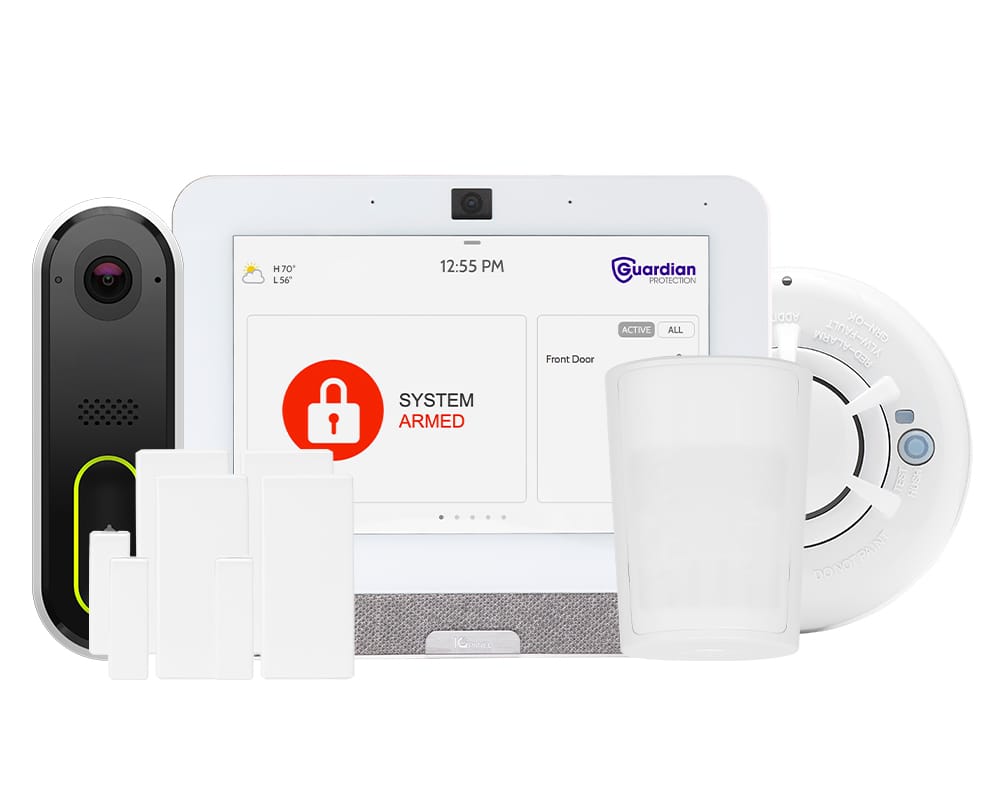
Alarm systems sound a loud noise when triggered by an intruder. They can alert neighbors and scare off burglars. Many alarms connect directly to police or security companies. These systems often include door and window sensors.
Surveillance Cameras
Surveillance cameras record and display video of your home’s surroundings. They help monitor activities both inside and outside the house. Some cameras have night vision and motion detection features. You can watch live footage from your phone or computer.
Motion Sensors
Motion sensors detect movement within a certain area. They can trigger alarms or turn on lights automatically. These sensors are useful for spotting intruders in dark or hidden spaces. They work well with other security devices for added protection.
Access Control Systems
Access control systems limit who can enter your home. They use key cards, codes, or biometric data like fingerprints. These systems keep track of who enters and when. They offer a higher level of security than traditional locks.
Smart Locks
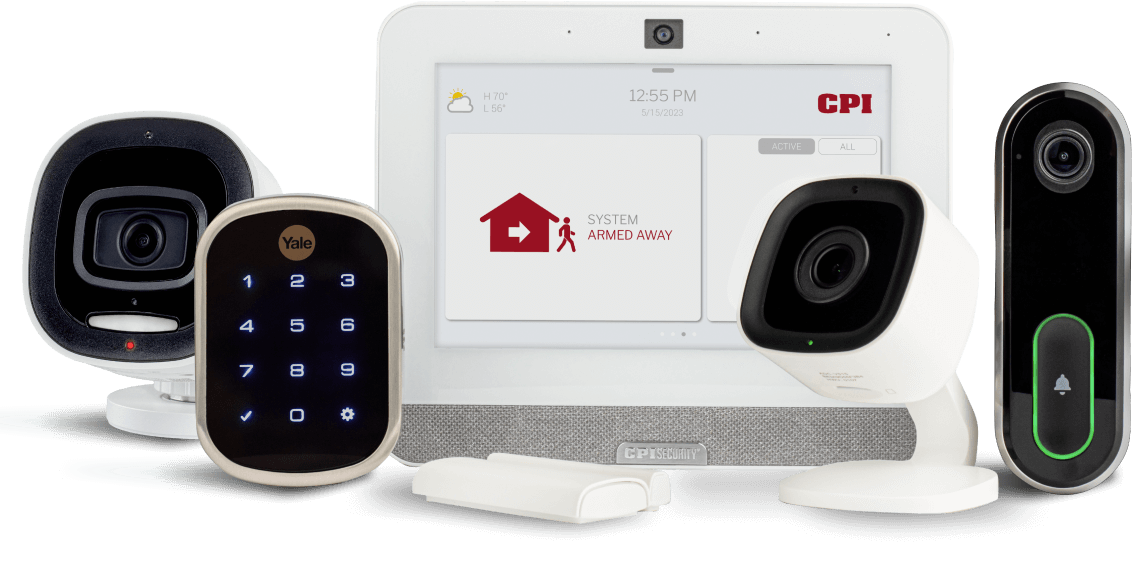
Smart locks allow you to lock and unlock doors remotely. You can control them using a smartphone app or voice commands. They often include temporary codes for guests or service workers. Smart locks increase convenience and improve home security.
Credit: guardianprotection.com
Key Features To Consider
Choosing the right electronic security system for your home means looking beyond just the brand or price. The features it offers can make a huge difference in how secure and convenient your home feels. Understanding what to look for helps you get a system that fits your lifestyle and provides real peace of mind.
Remote Monitoring
Remote monitoring lets you keep an eye on your home from anywhere using your smartphone or computer. Imagine being able to check your front door camera while at work or get alerts if an alarm triggers. This feature adds a layer of control and awareness that many homeowners find essential.
Integration With Smart Home Devices
Does your security system work well with other smart devices you own? Integration with smart lights, locks, and thermostats means you can automate your home’s security and energy use. For example, your system could turn on lights automatically when you unlock the door, creating a safer environment.
Battery Backup
Power outages happen, but your security shouldn’t stop working when the electricity goes out. A reliable battery backup keeps your system active during blackouts. This feature ensures continuous protection, so you’re never left vulnerable even when the grid fails.
User-friendly Interfaces
Security systems should be easy to use, not a source of frustration. Look for intuitive apps and control panels that everyone in your household can operate without hassle. Clear instructions and simple navigation make managing your home’s safety straightforward and stress-free.
Professional Monitoring Services
Some systems offer professional monitoring, where experts watch over your home 24/7 and alert authorities if needed. This can be a lifesaver if you’re away or unable to respond quickly. Ask yourself if having a dedicated team ready to act gives you added confidence and security.
Benefits Of Electronic Security Systems
Electronic security systems offer more than just protection; they bring a range of benefits that enhance your home’s safety and your daily life. These systems act as a reliable partner, keeping you informed and prepared against potential threats. Understanding these benefits helps you see how investing in such technology can truly change your home environment.
Deterrence Of Intruders
Visible security cameras and alarm systems often stop intruders before they even try to break in. When potential burglars see these devices, they usually move on to easier targets. You can think of these systems as a strong first line of defense that works 24/7 without taking a break.
Real-time Alerts
Imagine getting a notification on your phone the moment someone tries to enter your home. Electronic security systems provide instant alerts that keep you updated no matter where you are. This immediate information allows you to act quickly, whether it’s calling the police or checking the live camera feed yourself.
Evidence Collection
In case something does happen, security systems help gather vital evidence. Recorded videos and logs can be crucial for police investigations or insurance claims. Having clear evidence not only helps catch the culprit but also speeds up the process of resolving the situation.
Insurance Advantages
Many insurance companies offer discounts if you have an electronic security system installed. This is because homes with security systems are less likely to suffer damages or theft. You save money on premiums while increasing your home’s protection—a win-win situation.
Peace Of Mind
Knowing your home is monitored constantly brings a unique comfort that’s hard to measure. You can focus on your daily activities without worrying about what might happen when you’re away. Isn’t it worth a little investment to feel safe and relaxed every day?
Installation And Maintenance Tips
Installing and maintaining electronic security systems is essential for home safety. Proper setup ensures the system works effectively. Regular upkeep keeps the system reliable over time. Simple tips can help keep your home secure and your system running smoothly.
Diy Vs Professional Installation
DIY installation saves money but requires some skills. Follow instructions carefully and use proper tools. Professional installation costs more but ensures proper setup. Experts position devices for best coverage and avoid technical errors. Choose based on your comfort with technology and budget.
Placement Of Devices
Place cameras where they cover main entrances and blind spots. Avoid direct sunlight or areas with heavy shadows. Motion sensors work best in open spaces without obstacles. Alarms should be near doors and windows for quick alerts. Proper placement maximizes system effectiveness.
Regular Testing
Test alarms and sensors monthly to ensure they work. Check camera feeds for clear images and proper angles. Verify that notifications reach your phone or monitoring service. Regular tests prevent surprises and keep the system ready. Keep a testing schedule to stay consistent.
Software Updates
Keep your system software updated for security and new features. Updates fix bugs and improve device performance. Enable automatic updates if available for convenience. Regular updates protect against hacking and system failures. Check the system app or website for update alerts.
Troubleshooting Common Issues
Restart devices if they stop working or freeze. Check batteries and power sources regularly. Clear camera lenses and sensor covers from dust or dirt. Review system settings after updates or changes. Contact support if problems persist beyond simple fixes.
Cost Factors And Budgeting
Understanding the cost factors helps plan your home security system budget. Costs vary depending on system type, features, and service plans. Breaking down expenses into clear parts makes budgeting easier.
Initial Investment
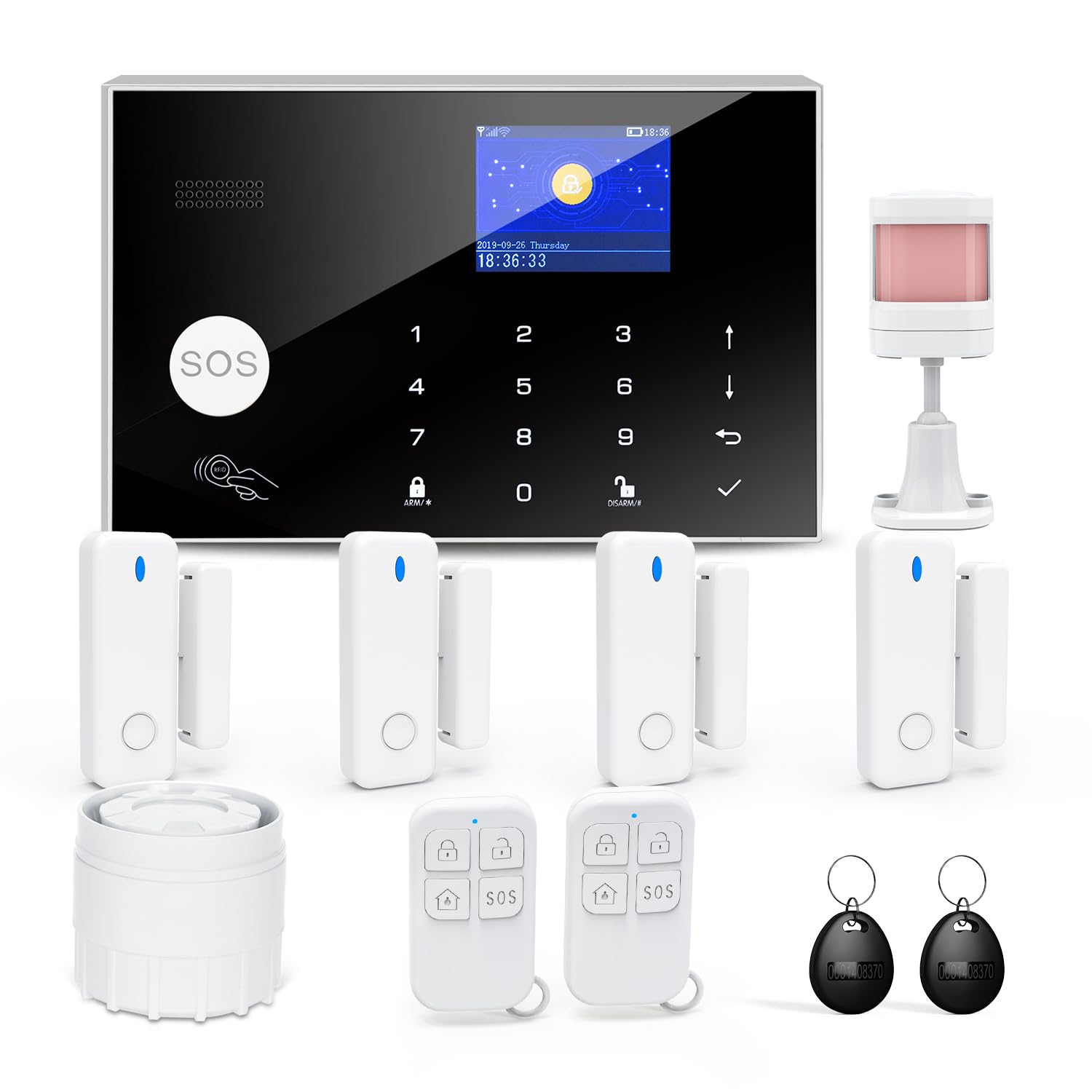
The initial cost covers buying equipment and installation fees. Basic systems cost less but offer fewer features. Advanced systems with cameras, sensors, and smart home integration cost more. Professional installation adds to the upfront price. Some systems allow self-installation to save money.
Subscription Fees
Many security systems require monthly or yearly subscription fees. These fees cover monitoring, cloud storage, and app access. Prices vary by service level and provider. Some companies offer no-contract options but higher fees. Others offer long-term contracts with lower monthly costs.
Equipment Upgrades
Technology improves over time, requiring equipment upgrades. New sensors, cameras, or control panels may boost security. Upgrades can be optional or necessary for compatibility. Budgeting for future upgrades helps avoid surprises. Some providers offer trade-in or upgrade plans.
Long-term Savings
Investing in a security system can reduce home insurance costs. Some insurers offer discounts for monitored systems. Preventing theft or damage saves money on repairs and losses. Smart systems can lower energy bills by managing devices efficiently. These savings add up over time, offsetting initial costs.
Credit: www.amazon.com
Future Trends In Home Security
Home security is evolving fast. New technologies make homes safer and smarter. The future holds many exciting changes. These changes will make security systems more reliable and easier to use.
Ai And Machine Learning
Artificial Intelligence helps security systems learn from data. It improves threat detection and reduces false alarms. Cameras can recognize faces and unusual activities. Systems adapt to patterns in your home for better protection.
Integration With Iot
The Internet of Things connects devices in your home. Security systems will link with lights, locks, and alarms. This creates a smart network that responds instantly. You can control everything from a single app on your phone.
Biometric Authentication
Biometric tools use unique body features for access. Fingerprints, facial recognition, and voice commands become common. These methods offer stronger security than passwords or codes. Access is quick, safe, and hard to fake.
Enhanced Cybersecurity Measures
As systems connect online, cybersecurity grows in importance. New protections stop hackers from breaking in remotely. Encryption and secure networks keep your data safe. Regular updates help defend against new cyber threats.
Credit: cpisecurity.com
Frequently Asked Questions
What Are Electronic Security Systems For Homes?
Electronic security systems protect homes using technology like alarms, cameras, and sensors. They detect intrusions and notify homeowners or authorities instantly to prevent theft or damage.
How Do Home Security Systems Work?
Home security systems use sensors and cameras to monitor entry points. When triggered, they send alerts via phone or monitoring services to respond quickly to potential threats.
What Components Are Included In Home Security Systems?
Key components include motion detectors, door/window sensors, surveillance cameras, control panels, and alarms. Together, they provide comprehensive monitoring and alert homeowners about suspicious activities.
Are Electronic Home Security Systems Easy To Install?
Many modern systems offer DIY installation with user-friendly instructions. Professional installation is available for complex setups, ensuring optimal placement and system functionality.
Conclusion
Electronic security systems help protect your home and family. They watch for danger and alert you fast. Many types fit different needs and budgets. Easy to use and install, they add peace of mind. Choosing the right system keeps your home safer.
Smart technology makes security more reliable every day. Stay aware and protect what matters most. Safety begins with good electronic security at home.
Leave a Reply