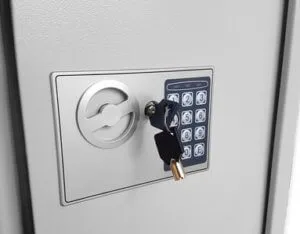
Have you ever stood in front of your home fire safe, feeling the weight of its importance but unable to access its contents? Losing the combination to your electronic safe can be a frustrating and nerve-wracking experience.
You know that inside, your most valuable documents and cherished memories await, but without the right code, they remain out of reach. Don’t worry; you’re not alone in this predicament. Many people find themselves in this exact situation. You’ll discover practical and straightforward steps to open your home fire safe even if you’ve lost the combination.
Imagine the relief and satisfaction of finally retrieving what’s inside. Keep reading to unlock the secrets of accessing your safe and put your mind at ease.
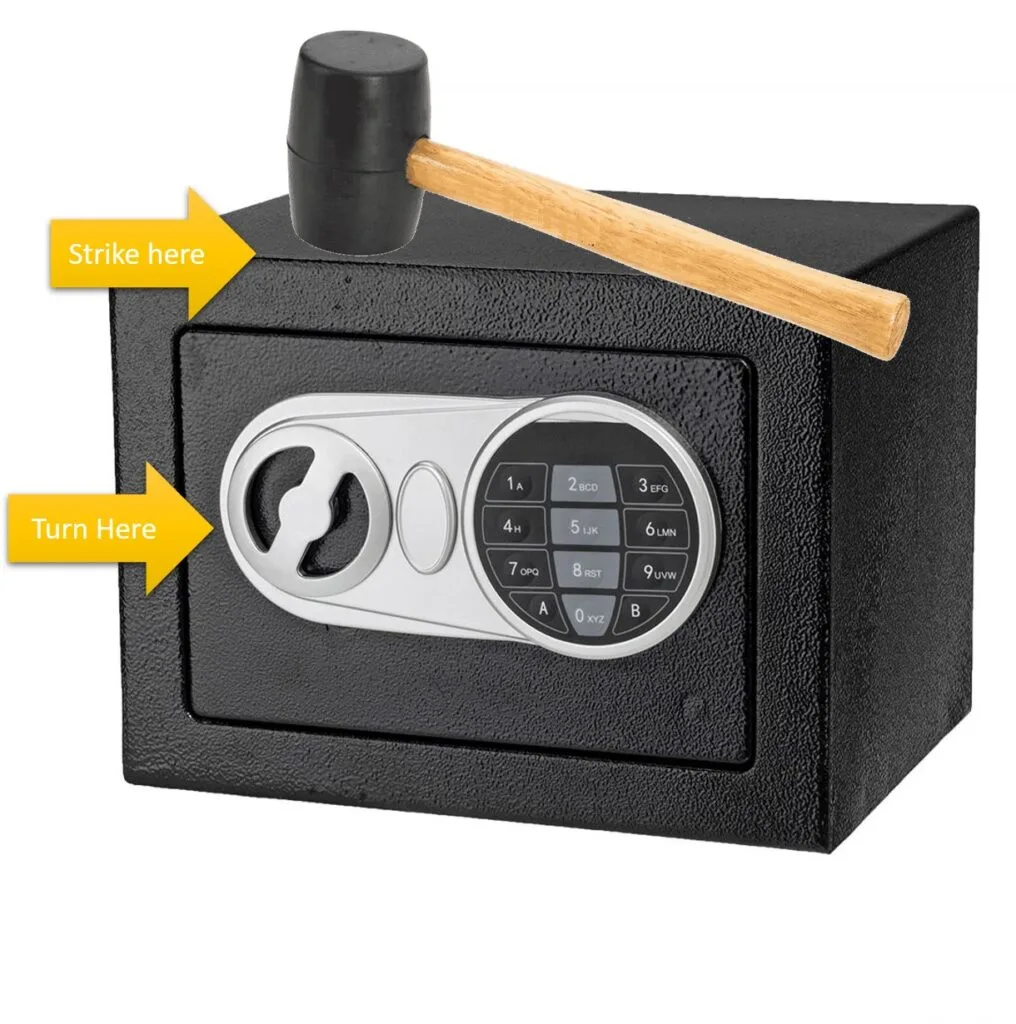
Credit: www.acmelocksmith.com
Types Of Home Fire Safes
Choosing the right home fire safe can be confusing, especially if you’re unsure about the types available. Each safe type offers unique features that affect how you open it, especially if you lose the combination or access code. Understanding these differences can save you time and stress when you need to access your valuables quickly.
Mechanical Dial Safes
Mechanical dial safes use a rotating dial to enter a combination. They don’t require batteries, so you never have to worry about power issues. However, if you lose the combination, opening one can be tricky without professional help.
Many people find the tactile nature of turning the dial reassuring. But have you ever considered how precise you need to be? Even a slight mis-turn can lock you out completely.
Electronic Keypad Safes
Electronic keypad safes let you enter a numeric code to unlock the door. They offer quicker access than mechanical dials and often allow you to change codes easily. If you forget your code, some models include backup keys or reset options, but these vary widely.
These safes often beep or flash when buttons are pressed, adding an extra layer of feedback. Think about how this immediate response could help you avoid mistakes when in a hurry.
Biometric Safes
Biometric safes use fingerprint recognition to grant access. This technology can be very convenient because you don’t need to remember codes or carry keys. But what happens if your fingerprint isn’t recognized due to dirt or injury?
Many biometric safes include alternative entry methods for such cases. Knowing these backup options is essential if you rely on biometric security for your home safe.
Common Reasons For Lost Combinations
Many people face trouble opening their home fire safes because they lose the combination. This problem is common and can happen for several reasons. Understanding why combinations get lost helps prevent future issues and guides you on what to do next.
Sometimes, the combination is written down but misplaced. Other times, people simply forget the code. Electronic safes may also fail due to battery problems. Each of these situations requires a different approach to regain access.
Misplacing The Combination Card
Most safes come with a combination card or paper that shows the code. People often store this card somewhere safe but forget where. Over time, the card may get lost, damaged, or thrown away by mistake. Without this card, you cannot easily find the correct code.
Forgetting The Code
Memorizing the combination can be difficult, especially if you rarely open the safe. Stress or time can cause forgetfulness. Some people change the code and forget the new one. Forgetting the code leaves the safe locked and frustrating to open.
Battery Failure In Electronic Safes
Electronic safes rely on batteries to work. When batteries run out, the keypad stops responding. This failure can make it seem like the combination is lost. Replacing batteries often solves this issue and restores access to the safe.
Initial Steps To Access Your Safe
Opening a home fire safe without the combination can feel stressful. Start with simple checks. These first steps might save time and avoid damage. Focus on easy ways to access your safe safely.
Checking For Backup Keys
Many safes come with backup keys for emergencies. Check if you have a hidden key slot. Look around the safe’s edges or under removable panels. The key can open the safe without needing the code. Keep backup keys in a secure but easy-to-find place.
Resetting Electronic Safes
Electronic safes often have reset options. Find the reset button usually inside the battery compartment. Press and hold it following the safe’s instructions. You may need to enter a master code or use a reset key. This can restore factory settings and let you set a new code.
Consulting The User Manual
The user manual is a helpful resource for opening your safe. It explains features and emergency procedures. Check for troubleshooting sections and reset instructions. Manuals sometimes include codes or hints for lost combinations. Keep the manual in a safe, accessible place for future use.
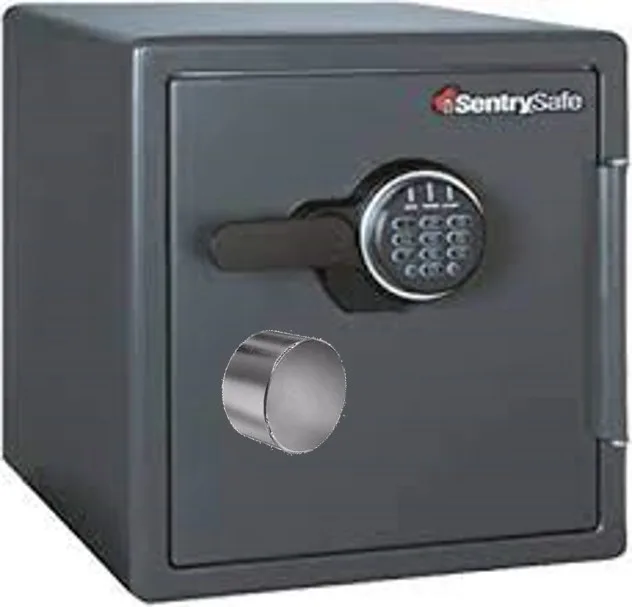
Credit: www.acmelocksmith.com
Techniques For Mechanical Dial Safes
Mechanical dial safes rely on a combination dial that must be precisely aligned to open. Without the combination, gaining access requires patience and a keen sense of touch and hearing. Using specific techniques, you can try to decode the combination or bypass the locking mechanism.
Manual Dial Manipulation
Start by turning the dial slowly and paying attention to how it feels. The dial may offer subtle resistance or a slight catch when it reaches a correct number. Move the dial back and forth gently around these points to identify potential combination numbers.
This process demands focus and a steady hand. Have you noticed how certain numbers feel different when you turn the dial? This small feedback can be your guide.
Listening For Clicks And Feedback
Using your ear to detect clicks can reveal the safe’s internal mechanism positions. Place your ear close to the dial and slowly rotate it while listening carefully for subtle sounds like clicks or changes in tension. These audio clues often indicate when the dial is aligned with the correct number.
Try doing this in a quiet room to avoid distractions. Can you hear the difference between a regular turn and a click? This technique requires patience but can be surprisingly effective.
Using Locksmith Tools
Professional tools like dial manipulators or safe cracking stethoscopes can help detect the safe’s internal movements. These tools amplify the feedback from the dial and locking bolts, making it easier to pinpoint the correct combination. While specialized, they can sometimes be rented or purchased for home use.
Using these tools needs practice and a delicate touch. Are you ready to invest some time learning how these tools reveal the safe’s secrets? With skill, you might open your safe without damaging it.
Solutions For Electronic Safes
Electronic safes offer convenience but can become frustrating if you lose the combination or the keypad stops responding. Fortunately, there are practical solutions that can help you regain access without causing damage. Understanding these options empowers you to act quickly and avoid costly locksmith services.
Reset Procedures
Most electronic safes have a reset function that allows you to set a new code if you forget the original one. This usually involves opening the safe’s interior panel, where a reset button is located. You might need the original override key or battery access to press this button.
Make sure to carefully follow the manufacturer’s instructions, as pressing the wrong buttons may lock the safe further. Have you checked your safe’s manual or the brand’s website? They often provide step-by-step reset guides tailored to your model.
Replacing Or Recharging Batteries
Dead batteries often cause electronic safes to stop responding. Before panicking, try replacing the batteries with fresh ones or recharge them if they are rechargeable. Many safes use common AA or 9V batteries, which are easy to find at local stores.
Look for a battery compartment typically located inside the door or behind the keypad. If your safe has an external battery pack, use it to power the safe temporarily and gain access. Could a simple battery change be the fix you need?
Using Override Keys
Many electronic safes come with a physical override key designed for emergencies. This key bypasses the electronic lock, letting you open the safe manually. The keyhole is often hidden behind a removable panel near the keypad.
If you lost the override key, contact the safe’s manufacturer with proof of purchase; they might provide a replacement. Keep your override key in a secure but accessible place to avoid lockouts. Have you identified where your override key is stored?
When To Call A Professional
Knowing when to call a professional is key to avoid damage and frustration. Opening a home fire safe without the combination or electronic access is tricky. Some situations demand expert skills to protect your valuables and the safe itself. Recognize these moments to save time and avoid costly errors.
Signs You Need Expert Help
- The safe shows unusual resistance or sounds when trying to open.
- You have tried multiple combinations without success.
- The electronic keypad is unresponsive or damaged.
- The safe is old and the locking mechanism feels stuck.
- You notice signs of tampering or forced entry attempts.
- There are important documents or items inside that cannot be risked.
Choosing A Reliable Locksmith
Pick a locksmith with experience in fire safes. Check their credentials and reviews online. Confirm they have proper licenses and insurance. Ask if they use non-destructive methods first. A good locksmith explains the process clearly. Avoid services that promise fast but risky solutions.
Cost Considerations
| Service Type | Estimated Cost | Notes |
|---|---|---|
| Basic Code Recovery | $50 – $150 | For electronic safes with simple issues |
| Locksmith Opening | $150 – $400 | Depends on safe size and complexity |
| Safe Drilling (Last Resort) | $200 – $600 | May damage safe, costly repairs needed |
Investing in professional help often saves money in the long run. Avoid damaging your safe by guessing or forcing it open.
Preventive Measures For Future Access
Preventing future lockouts from your home fire safe starts with smart habits and a bit of foresight. You want to make sure you can access your valuables easily without risking security or forgetting your combination again. The steps you take now will save you frustration and expense later.
Storing Combinations Securely
Write down your safe’s combination and store it in a secure but accessible place. Avoid obvious spots like under the safe or in a drawer labeled “Safe Info.” Instead, consider a locked document box or a secure digital password manager.
Ask yourself: if you lost access to your memory, where would you find the code quickly? Sharing the combination with a trusted family member can also help in emergencies, but ensure they understand the responsibility.
Regular Maintenance And Testing
Test your safe’s locking mechanism every few months to confirm it works smoothly. This simple habit helps you catch any issues early before they become serious problems. If you notice any resistance or delays, schedule a professional checkup.
Maintaining your safe isn’t just about the lock—it includes cleaning the keypad and replacing batteries in electronic models. Have you ever been stuck because the keypad was unresponsive due to dead batteries? Don’t let that happen to you.
Upgrading To Advanced Safes
Consider upgrading to a safe with biometric access or backup keys if you often worry about losing combinations. These options add layers of security while giving you alternative entry methods. Make sure the safe’s features match your lifestyle and security needs.
Technology changes fast—so does safe technology. Investing in a modern safe today can prevent headaches tomorrow. Would you rather deal with a forgotten code or a quick fingerprint scan?
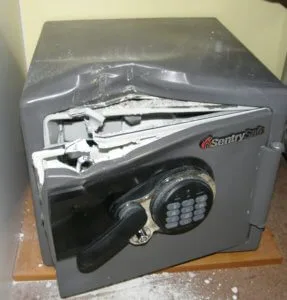
Credit: www.acmelocksmith.com
Frequently Asked Questions
How Can I Open A Home Fire Safe Without A Combination?
You can open a fire safe by contacting the manufacturer for a reset code. Alternatively, use a locksmith or safe technician to unlock it safely without damage.
What To Do If I Lost My Electronic Safe Combination?
If you lost your electronic safe code, check the user manual for reset instructions. Contact the manufacturer with proof of ownership for a master reset or assistance.
Can I Reset An Electronic Fire Safe Without The Code?
Most electronic safes require the current code to reset. Without it, you must contact the manufacturer or a professional locksmith for safe access and reset options.
Is It Safe To Try Diy Methods To Open Fire Safes?
DIY methods risk damaging the safe or its contents. It’s best to consult a professional locksmith or the manufacturer to avoid voiding warranties or causing harm.
Conclusion
Opening a home fire safe without the combination can be tough. Start by checking any backup keys or documents you have. Try simple methods like battery replacement or reset codes. Calling a professional locksmith is often the safest choice. Take care not to damage the safe or its contents.
Patience and caution matter most in this process. You can protect your valuables and regain access safely. Keep your new code in a secure place for the future.
Leave a Reply