Imagine never having to worry about someone knocking on your door to read your home gas meter. In the age of smart technology, electronic reading of gas meters is becoming more common, offering convenience and accuracy.
But when exactly are these electronic readings required? This question might have crossed your mind, especially if you’re looking to streamline your utility management. Understanding the regulations and benefits surrounding electronic gas meter readings can save you time, reduce errors, and even lower your bills.
Dive into this article to uncover the key moments when your home gas meters should be read electronically, ensuring you’re always one step ahead in managing your energy consumption.
Credit: www.energia.ie
Electronic Meter Reading Basics
Electronic meter reading is becoming a standard practice in many homes. Understanding its basics helps you see why and when your gas meter needs this upgrade. It’s about accuracy, convenience, and often, cost savings for you as a homeowner.
What Is Electronic Meter Reading
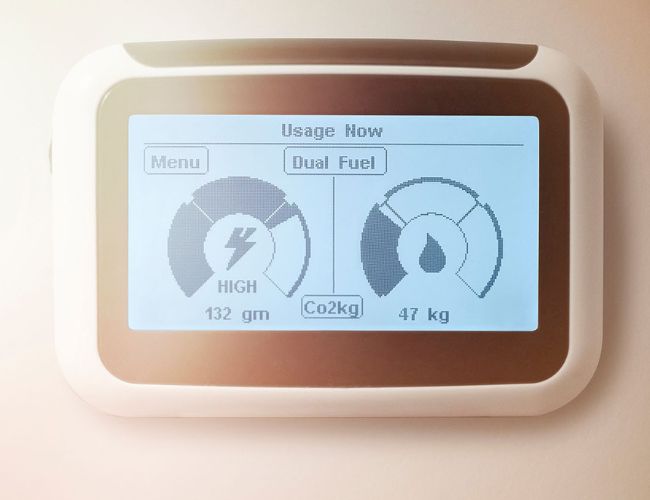
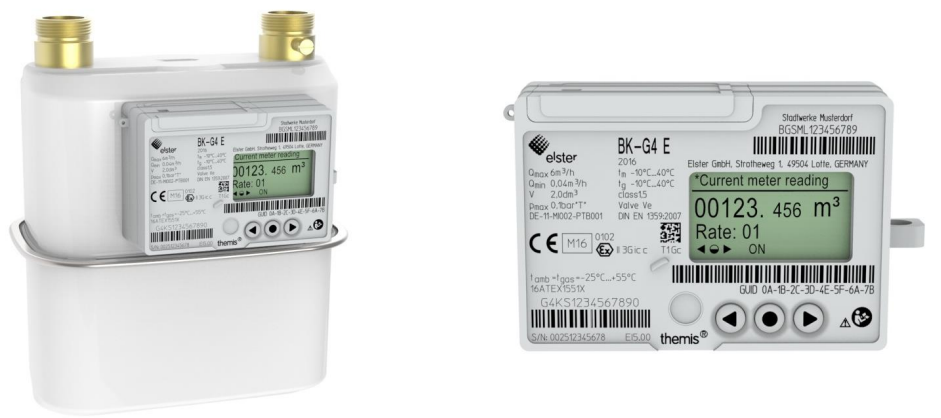
Electronic meter reading uses digital technology to capture your gas usage data remotely. Instead of a person visiting your home to note the numbers, the meter sends the information automatically.
This process often involves smart meters or devices attached to your existing meter. They communicate via wireless networks or other digital methods to your energy provider.
Imagine not having to be home for a meter reader or worry about estimated bills. Electronic reading gives you exact data, making your billing fair and transparent.
How It Differs From Manual Reading
Manual reading means someone physically checks your meter, usually once a month or quarter. They write down the numbers by hand and send them to your energy company.
Electronic reading removes this step entirely. It reduces human error and delays because the data is sent instantly and directly.
Have you ever had a bill that didn’t seem right because the reading was estimated? Electronic reading cuts out that guesswork, giving you peace of mind and potentially saving money.
Regulations Driving Electronic Reads
Understanding the regulations behind electronic reads for home gas meters is key to knowing when and why these devices are installed. These rules are not just technical guidelines—they impact your billing accuracy, safety, and even environmental goals. Knowing what drives these changes helps you anticipate updates in your home’s gas system and ensures you stay informed about your utility services.
Government Mandates
Governments worldwide are pushing for electronic gas meter readings to improve energy efficiency and reduce manual errors. Many regions now require utilities to switch to smart meters by specific deadlines. These mandates often come with strict deadlines and penalties for non-compliance.
For example, some countries enforce laws that compel utility companies to provide real-time consumption data to consumers. This transparency helps you track your usage and spot unusual spikes that could indicate leaks or faulty appliances.
Have you ever wondered how your gas provider ensures your bills are accurate every month? These mandates are a big part of the answer, driving the shift from estimated to precise readings through technology.
Industry Standards
Beyond government rules, industry standards also shape when electronic reads are required. These standards ensure that gas meters meet safety, accuracy, and interoperability criteria.
Organizations like the American Gas Association (AGA) and international bodies set benchmarks for smart meter technology. Utilities adopt these standards to maintain reliability and customer trust.
When your gas meter complies with these standards, you benefit from consistent data quality and improved service. This also supports better outage management and faster response times during emergencies.
Timeline For Electronic Meter Adoption
The timeline for adopting electronic home gas meters is structured to ensure smooth transition. Utility companies plan this change carefully. This helps avoid confusion and service disruption. The shift to electronic meters aims to improve accuracy and convenience for users.
Electronic meter installation is happening step-by-step. This allows time for system upgrades and customer awareness. Clear deadlines help homeowners understand when to expect the change. Planning the timeline also supports regulatory compliance.
Phased Implementation
The rollout of electronic gas meters happens in stages. Areas with older meters get priority. This ensures the newest technology reaches those who need it most. Utility providers monitor progress closely during each phase.
- Phase 1 targets urban centers with dense populations.
- Phase 2 covers suburban and rural areas.
- Phase 3 focuses on final installations and replacements.
Phased implementation reduces pressure on installation teams. It also allows time to fix unexpected issues. Communication with homeowners happens regularly throughout the process.
Deadlines For Homeowners
Homeowners receive clear deadlines for electronic meter installation. These dates vary depending on location and utility provider. Notices are sent well in advance to prepare residents.
| Region | Deadline | Notes |
|---|---|---|
| Urban | End of 2024 | First phase, priority areas |
| Suburban | Mid 2025 | Second phase, moderate density |
| Rural | End of 2025 | Last phase, remote locations |
Missing a deadline may cause delays in billing updates. Cooperation makes the process faster and easier. Homeowners can contact providers for help or questions anytime.
Benefits Of Electronic Gas Meters
Electronic gas meters offer clear benefits over traditional meters. They improve how gas usage is measured and managed at home. The benefits reach beyond just accurate billing. They also enhance safety and help protect the environment.
Accuracy And Efficiency
Electronic meters provide precise readings every time. They reduce human errors common with manual reading. This leads to fairer bills for consumers. Data is sent directly to utility companies, saving time and effort. Customers no longer need to submit meter readings themselves.
Safety Improvements
Electronic meters reduce the need for physical inspections. This lowers the risk of accidents for both customers and workers. They can detect leaks and unusual gas flow quickly. Early warnings help prevent dangerous situations. This makes homes safer and boosts peace of mind.
Environmental Impact
Electronic meters support energy conservation efforts. Accurate data helps users track and reduce gas consumption. Less wasted gas means fewer emissions released into the air. Utilities can optimize the gas supply chain better. This contributes to a smaller carbon footprint overall.
Installation And Maintenance
Installing and maintaining home gas meters with electronic reading capabilities involves specific processes. Proper setup ensures accurate data collection and safety. Regular upkeep helps avoid errors and prolongs meter life.
Who Handles Installation
Licensed gas utility professionals manage the installation of electronic gas meters. They have training to connect meters safely to gas lines. Homeowners should not attempt installation themselves. Utilities schedule appointments to install meters at homes. The process includes verifying meter type and location before setup.
Maintenance Requirements
Electronic gas meters require routine checks to ensure they work properly. Utilities perform inspections to detect faults or damage. Maintenance tasks include:
- Cleaning meter components
- Testing electronic sensors
- Updating firmware remotely if needed
- Replacing worn parts
Regular maintenance prevents reading errors and service interruptions. Homeowners should report any meter issues immediately for prompt service.
Costs And Billing Changes
Understanding the costs and billing changes linked to electronic reading of home gas meters can help you prepare for shifts in your utility expenses. These changes affect not just how often your meter is read but also how you’re billed and what you might pay over time.
Potential Cost Implications
Switching to electronic meter readings often means more accurate billing. You could avoid estimated bills that sometimes lead to unexpected spikes.
However, some utilities may introduce fees to cover the installation and maintenance of electronic meters. It’s important to check if these costs will appear on your bill and how they compare to your current charges.
Have you noticed any changes in your gas bills since electronic reading was introduced? Sharing your experience can help others anticipate what to expect.
Impact On Billing Processes
Electronic readings allow for more frequent and timely updates to your bill. Instead of waiting for a manual reading, your usage can be tracked almost in real-time.
This can lead to smoother billing cycles and reduce the chances of bill disputes. Plus, you’ll likely receive more detailed information about your consumption patterns.
Consider how having access to near-instant data about your gas use might change the way you manage your household budget. Would it encourage you to adjust your habits to save money?
Consumer Responsibilities And Rights
Consumers have important responsibilities and rights regarding electronic readings of home gas meters. Understanding these helps ensure smooth access and accurate billing. Knowing what to expect protects your privacy and supports utility providers in their work.
Access For Meter Reading
Consumers must allow utility workers to access gas meters for electronic readings. Access helps avoid estimated bills and errors. Ensure meters are clear and easy to reach. If meters are inside locked areas, provide a key or code. You can schedule readings at convenient times. Refusing access may cause service interruptions or extra charges.
Privacy Concerns
Electronic meter readings collect detailed data about gas use. Consumers have the right to know how this data is handled. Utilities must follow privacy laws to protect your information. Data is used only for billing and service improvements. You can ask about data storage and sharing policies. Consumers should report any suspicious activity or breaches.

Credit: globalnews.ca
Troubleshooting Common Issues
Electronic reading of home gas meters has streamlined the way energy consumption is monitored, but it can come with its own set of challenges. When the system doesn’t work as expected, it can cause frustration and delays. Understanding common issues and how to tackle them helps you maintain smooth and accurate readings without unnecessary hassle.
Connectivity Problems
One of the biggest hurdles with electronic gas meter reading is connectivity. These meters rely on a stable signal, often through cellular networks or Wi-Fi, to transmit data. If your meter isn’t sending readings, the first thing to check is whether the network in your area is reliable.
Walls, interference from other devices, or even weather can disrupt signals. You might notice your meter failing to update regularly, or your utility provider may contact you about missed reads. Try moving your router closer to the meter or removing obstacles that block the signal.
Sometimes, the issue isn’t on your end but with the provider’s system. Keeping communication lines open with your utility company can save you time. Have you ever wondered how often these connectivity glitches happen and how quickly they get fixed? Staying proactive and reporting problems early often leads to faster resolutions.
Dispute Resolution
Disputes over meter readings can occur, especially if you suspect the electronic reading doesn’t reflect your actual gas usage. Before escalating, review your past bills and compare with your usage patterns. You might find seasonal changes or household activities that explain the differences.
If the numbers still don’t add up, contact your utility provider and request a manual meter reading. Many companies offer this service to verify electronic data. In some cases, a technician visit can uncover problems like faulty meters or wiring issues.
Keep a record of all communications and readings during the dispute process. This documentation helps if you need to escalate the issue to a regulatory body. What if your concern is ignored? Knowing your rights and the complaint channels can empower you to seek fair treatment.
Credit: forum.ovoenergy.com
Frequently Asked Questions
When Must Home Gas Meters Be Read Electronically?
Home gas meters are required to be read electronically when utility companies upgrade to smart meter systems. This ensures accurate, real-time data and improves billing efficiency. Regulations often mandate electronic readings to enhance safety and monitoring, reducing manual reading errors and visits.
Why Are Electronic Gas Meter Readings Important?
Electronic readings provide precise usage data instantly, reducing estimation errors. They help detect leaks early, improve billing accuracy, and support energy efficiency programs. Electronic readings also enable remote monitoring, saving time and enhancing customer service.
How Often Are Electronic Gas Meters Read?
Electronic gas meters are typically read every 30 minutes to an hour. This frequent reading allows continuous monitoring and quick detection of anomalies. The data helps both consumers and providers track usage and manage energy consumption effectively.
Can I Opt Out Of Electronic Gas Meter Reading?
In most regions, opting out is limited due to regulatory requirements. Electronic readings are part of smart grid initiatives, aiming for better service and safety. However, some providers may offer alternatives under special circumstances; check with your local utility company.
Conclusion
Electronic reading of home gas meters helps ensure accurate billing. Utility companies schedule these reads based on safety and technology rules. This method saves time and reduces errors compared to manual checks. Most homes will switch to electronic meters soon.
Knowing when meters get read electronically helps you stay informed. It also supports better energy use and billing transparency. Keep an eye on notices from your gas provider about meter reading changes. Simple steps like this make managing your gas service easier and clearer.
Leave a Reply