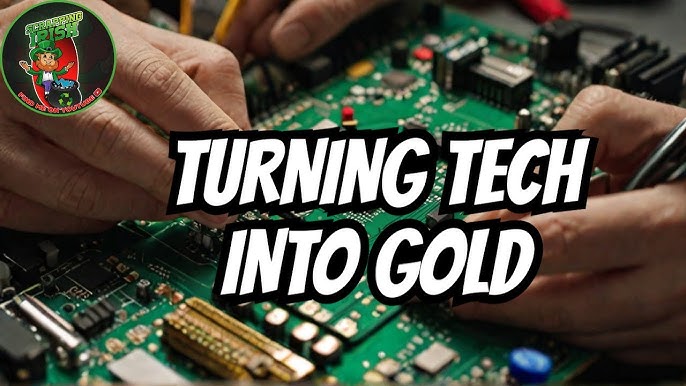
Imagine unlocking a hidden treasure trove right in your home. Did you know that your old electronics could be holding more than just memories?
They might contain gold! Yes, the precious metal that has fascinated people for centuries is tucked away inside many of your gadgets. You don’t need to be a tech wizard or a professional miner to retrieve it. You can do it right at home, with tools you probably already have.
Curious about how to turn those obsolete devices into a small fortune? This guide will reveal the step-by-step process, ensuring you can start harvesting gold safely and efficiently. Stick around, and you might just find yourself cashing in on that forgotten goldmine in your drawer!
Sources Of Gold In Electronics
Gold is a common metal used in many electronic devices. Its excellent conductivity and resistance to corrosion make it valuable for tiny parts inside gadgets. These small amounts add up when collecting from multiple devices.
Identifying the right sources helps in safely extracting gold. Some devices contain more gold than others. Knowing where to find gold-plated components makes the process easier and more rewarding.
Common Devices Containing Gold
- Old computers and laptops
- Mobile phones and smartphones
- TVs and remote controls
- DVD and Blu-ray players
- Printers and copiers
- Motherboards and circuit boards
- Audio and video cables
- Game consoles and handheld devices
Devices with circuit boards are especially rich in gold. The older the device, the more gold it might contain. Discarded electronics can become a valuable resource.
Identifying Gold-plated Components
Gold in electronics is often used as a thin coating. It usually covers connectors, pins, and contacts. These parts are gold-plated to improve performance and prevent rust.
- Look for yellowish metal on connectors and pins
- Check edge connectors on circuit boards
- Inspect CPU and memory module contacts
- Find gold-plated fingers on RAM sticks
- Identify gold layers on SIM card connectors
Gold plating is thin and shines with a bright yellow color. It does not tarnish like copper or silver parts. Handling these components carefully preserves the gold layer for recovery.
Credit: www.newsbreak.com
Tools And Materials Needed
Extracting gold from electronics requires specific tools and materials. These help you safely and efficiently collect and process the precious metal. Preparing the right equipment sets a strong foundation for success.
Basic Tools For Collection
- Screwdrivers – To open electronic devices.
- Pliers – For pulling out small parts.
- Wire cutters – To cut wiring and components.
- Plastic containers – To keep small pieces organized.
- Brushes – To clean circuit boards gently.
- Magnifying glass – To see tiny gold-plated parts.
Chemicals For Gold Extraction
- Aqua regia – A mix of nitric acid and hydrochloric acid used to dissolve gold.
- Hydrogen peroxide – Helps speed up chemical reactions.
- Sodium metabisulfite – Used to precipitate gold from solution.
- Distilled water – For diluting acids and rinsing materials.
- Activated carbon – Sometimes used to absorb gold from liquid.
Safety Gear Essentials
- Protective gloves – To avoid chemical burns and cuts.
- Safety goggles – To protect your eyes from splashes.
- Face mask or respirator – To prevent inhaling fumes.
- Apron or lab coat – To protect your clothes and skin.
- Well-ventilated workspace – To reduce exposure to harmful gases.
Collecting And Preparing E-waste
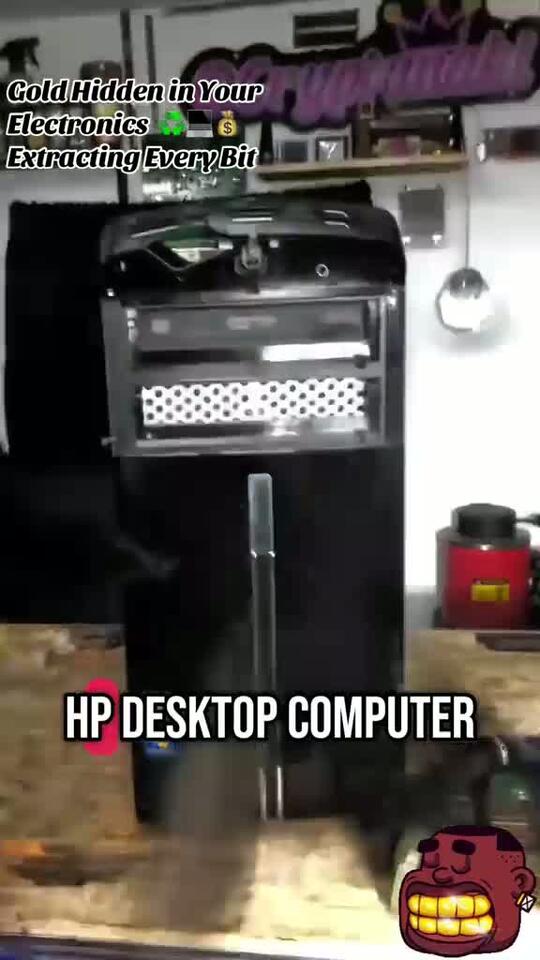
Collecting and preparing e-waste is the crucial first step in recovering gold from old electronics at home. It involves gathering devices that contain valuable metals and carefully getting them ready for extraction. Handling e-waste properly not only boosts your chances of success but also keeps you safe and reduces environmental harm.
Safe Disassembly Techniques
Before you start taking apart your electronics, make sure you wear gloves and safety glasses. Small parts can spring out, and some components might contain harmful substances. Use the right tools like screwdrivers and pliers to avoid damaging the gold-bearing parts.
Work slowly and keep track of the screws and pieces you remove. Organizing your workspace helps prevent accidents and makes the whole process smoother. Avoid using excessive force; if something won’t come apart easily, double-check for hidden screws or clips.
Sorting Gold-bearing Parts
Not all parts in your electronics contain gold, so knowing where to look saves you time. Circuit boards, connectors, and some pins often have thin layers of gold. Focus on these components and set aside plastic or metal parts that don’t contain precious metals.
As you separate parts, create piles based on their type and condition. This way, you can decide which pieces to process first or which might need special handling. Have you ever thought about how much gold lies unnoticed in your old gadgets?

Credit: www.youtube.com
Methods To Extract Gold
Extracting gold from electronics at home involves various methods, each with its own tools, risks, and effectiveness. Understanding these methods helps you choose the best approach for your situation. Some techniques require chemicals, while others rely on electrical processes or simple household items.
Chemical Leaching Process
Chemical leaching uses acids or other chemicals to dissolve gold from electronic components. One common technique involves soaking circuit boards in a mixture of acids like hydrochloric acid and hydrogen peroxide. This process separates gold from other metals and materials.
You must handle these chemicals carefully—wear gloves and work in a well-ventilated area. The solution will turn a yellow color as gold dissolves, which you can then precipitate out using specific reagents. Have you considered how safe your workspace is before starting?
Electrolytic Recovery
Electrolytic recovery uses electricity to pull gold from a solution onto a cathode. After dissolving gold with chemicals, you set up an electrolytic cell where gold ions migrate and deposit as solid metal. This method can yield high-purity gold if done correctly.
Setting up requires a power supply, electrodes, and a chemical bath. The process can take several hours but is rewarding when you see the gold plating onto the electrode. Think about whether you have the patience and equipment for this approach.
Alternative Diy Techniques
Not every method needs harsh chemicals or electricity. Some people use household items like vinegar and salt to extract small amounts of gold, although results vary. These techniques might involve soaking or scrubbing components to loosen gold flakes.
Another simple method involves melting and separating metals, but it requires a heat source capable of reaching gold’s melting point. These alternatives are less efficient but safer and more accessible for beginners. What tools do you already have that could help you try these?
Purifying And Refining Gold
Purifying and refining gold is a crucial step to transform raw gold extracted from electronics into a usable, shiny form. This process removes unwanted materials and enhances the gold’s quality. Understanding how to melt and clean your gold at home ensures you make the most out of your electronic scrap.
Melting And Molding
Start by melting the gold using a small crucible and a high-temperature torch. Gold melts at 1,948°F (1,064°C), so make sure your equipment can reach this heat safely.
Once melted, pour the liquid gold into a mold. You can use simple shapes like bars or coins, which are easier to handle and store.
Be careful during this step to avoid burns or spills. Have protective gloves and eye protection on hand. The smoother your mold, the cleaner your gold bars will look.
Removing Impurities
Impurities like dirt, solder, and other metals lower gold’s purity. To remove these, dissolve your gold in a mixture called aqua regia, made from hydrochloric and nitric acid.
This chemical process separates pure gold from impurities. After dissolving, you’ll precipitate the gold out of the solution by adding a reducing agent like sodium metabisulfite.
Handling acids requires caution—work in a well-ventilated area and use protective gear. Do you have the right setup to handle these chemicals safely?
Credit: www.vrxrf.com
Maximizing Profit From Recycled Gold
Maximizing profit from recycled gold requires more than just extracting it from old electronics. Understanding the value of the gold content and choosing the right selling avenue can significantly increase your earnings. Let’s dive into how you can evaluate your gold and decide the best places to sell it for top dollar.
Evaluating Gold Content
Not all electronics contain the same amount of gold. Small connectors, pins, and circuit boards often have thin layers of gold, while some older devices might have higher purity gold parts.
To get a clear idea of what you have, you can:
- Use a magnifying glass to spot gold-plated components.
- Weigh the extracted gold to estimate value—remember, even tiny amounts add up.
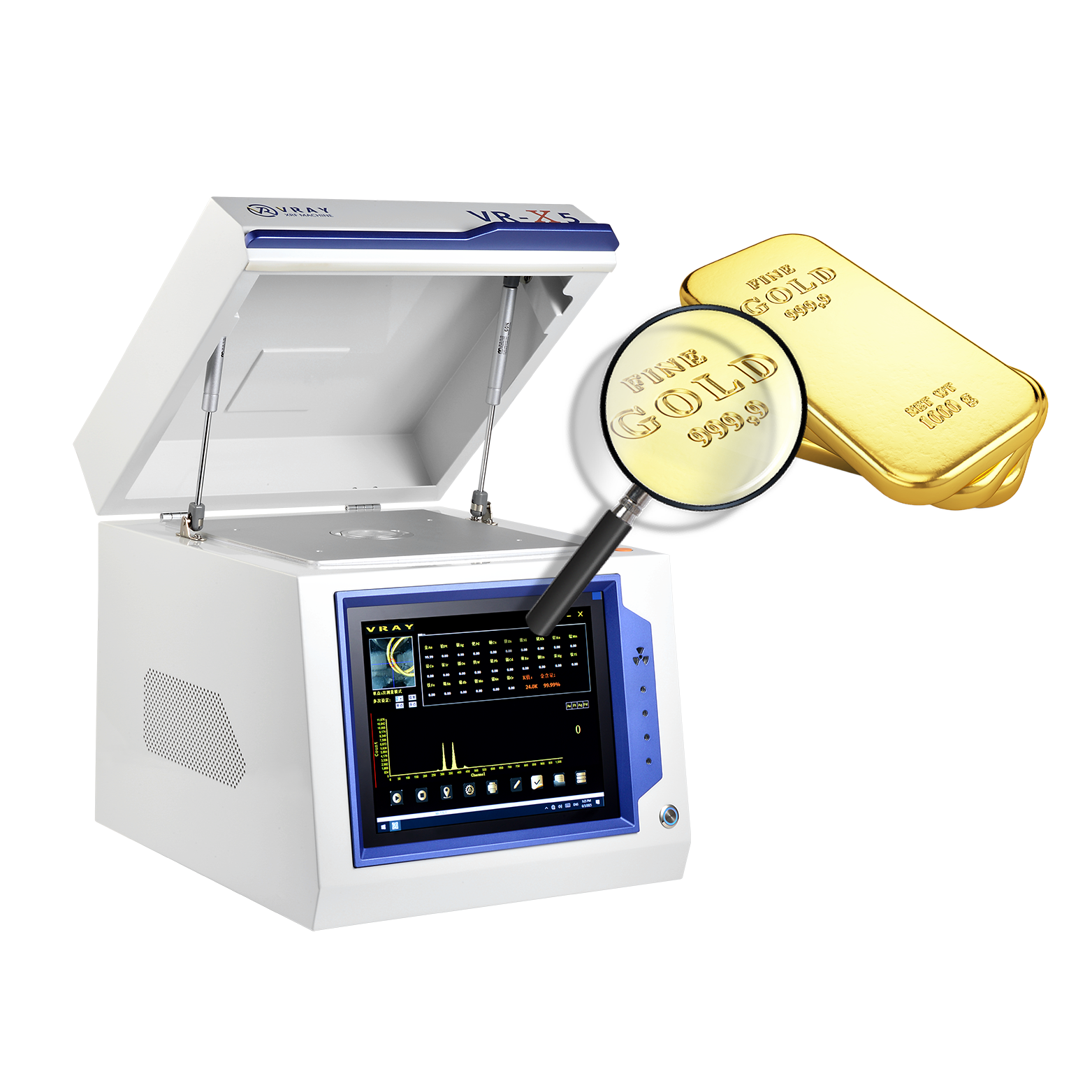
- Consider testing kits or send samples to a professional for purity analysis.
Understanding your gold’s purity helps you avoid undervaluing it. Have you checked how much gold you might already have in your drawers?
Selling Options And Marketplaces
Once you know your gold’s worth, choosing where to sell it matters. Different marketplaces offer various prices and fees.
Here are some selling options:
- Local jewelers:They might offer immediate cash but typically pay less than refiners.
- Online gold buyers:Convenient and often offer competitive prices, but watch for shipping and insurance costs.
- Gold refiners and scrap dealers:Usually pay by weight and purity, providing fair market value.
Research each option’s reputation and payment methods before committing. What selling option feels right for you based on convenience and profit?
Safety And Environmental Tips
Extracting gold from electronics at home can be rewarding, but it comes with important safety and environmental responsibilities. You must protect yourself and the planet while working with potentially harmful materials. Ignoring safety measures can cause serious health issues and environmental damage.
Handling Chemicals Responsibly
Many processes for getting gold involve acids and other strong chemicals. Always wear protective gloves, goggles, and a mask to avoid skin contact or inhaling fumes. Work in a well-ventilated area or outside to reduce the risk of breathing toxic vapors.
Use small amounts of chemicals at a time to limit potential spills and accidents. Store all chemicals in clearly labeled, sealed containers away from children and pets. Never mix chemicals unless you are certain about the reaction; unexpected fumes can be dangerous.
Have a plan for spills before you start. Keep baking soda or vinegar nearby to neutralize acid spills safely. Remember, your safety depends on preparation and respect for these substances.
Disposing Of Waste Properly
Waste from gold extraction contains toxic metals and acids that should never be poured down the drain or thrown in the trash. Check local regulations for hazardous waste disposal to find the safest way to dispose of your leftover chemicals and residues.
Consider collecting waste in separate containers labeled by type to make disposal easier and safer. Some communities have special collection days or facilities for hazardous household waste. If available, use these services to protect your local water and soil.
Could you be harming your neighborhood’s ecosystem without realizing it? Think twice before disposing of any chemical or electronic waste improperly. Taking responsibility helps keep your home and environment safe for everyone.
Frequently Asked Questions
What Electronics Contain The Most Gold At Home?
Old computers, smartphones, and circuit boards have the highest gold content. Gold is mainly found in connectors and pins. These devices offer the best value when extracting gold at home.
How Can I Safely Extract Gold From Electronics?
Use non-toxic chemicals like vinegar and baking soda for safety. Avoid harsh acids and always wear gloves and goggles. Work in a well-ventilated area to reduce health risks.
Is It Profitable To Get Gold From Home Electronics?
Extracting gold at home can be profitable if you have enough devices. Small amounts of gold add up with multiple electronics. However, large-scale refining is usually more cost-effective.
What Tools Are Needed To Extract Gold From Electronics?
Basic tools include pliers, screwdrivers, and a plastic container. Chemical supplies like vinegar and hydrogen peroxide help dissolve gold. Safety gear such as gloves and goggles is essential.
Conclusion
Recovering gold from electronics at home can be safe and rewarding. Start with small devices and follow steps carefully. Always wear gloves and work in a well-ventilated area. Patience is key to getting good results. This process helps reduce waste and saves money.
With practice, you can improve your skills over time. Keep learning and stay cautious to avoid risks. Extracting gold from old electronics is both useful and eco-friendly. Give it a try and see the benefits yourself.
Leave a Reply