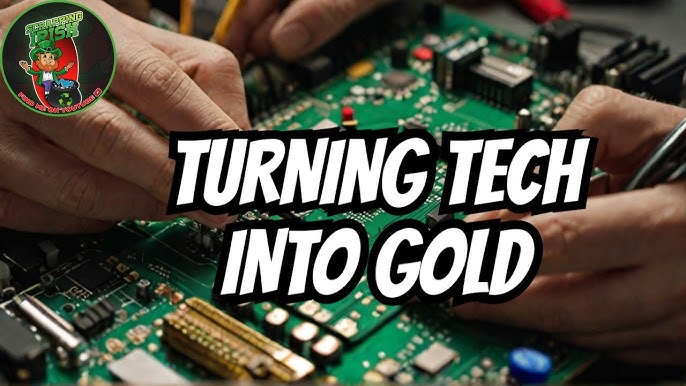
Imagine having the ability to extract something as precious as gold right from the comfort of your home. Yes, you heard that right!
Electronics that you use every day contain traces of gold, and with the right knowledge, you can retrieve it. This isn’t just about saving a few dollars; it’s about the thrill of discovering hidden treasures in your old gadgets. If you’re curious about how to turn your outdated electronics into golden opportunities, you’re in the right place.
Get ready to uncover a step-by-step guide that will not only save you money but also give you a fascinating new hobby. Stick around to learn how you can become your own gold miner, right from your living room.

Credit: www.youtube.com
Why Gold Is Found In Electronics
Gold is a key material in many electronic devices. It helps parts connect and work well. This metal does not rust or corrode. It carries electricity better than many metals. These traits make gold important in electronics. Understanding why gold is used helps to know how to remove it safely at home.
Common Electronics With Gold
- Smartphones and tablets
- Computers and laptops
- Televisions and monitors
- DVD and Blu-ray players
- Video game consoles
- Motherboards and circuit boards
- Hard drives and memory cards
Properties That Make Gold Valuable
- Excellent electrical conductivity
- Resistance to rust and corrosion
- High malleability and ductility
- Non-toxic and safe to handle
- Stable and does not tarnish over time
- Reliable for long-lasting connections
Safety Tips For Gold Extraction
Extracting gold from electronics can be rewarding, but it involves risks that you can’t ignore. Handling chemicals and small components requires care to avoid accidents or health issues. Prioritizing safety protects you and those around you while ensuring a smoother gold recovery process.
Essential Protective Gear
Always wear protective gloves to shield your skin from harmful chemicals. Nitrile gloves are a good choice because they resist acids and solvents better than latex. Don’t forget safety goggles—they protect your eyes from splashes and dust that can cause serious injury.
A lab coat or apron helps keep your clothes and skin safe from spills. If you’ve ever experienced a chemical splash on your hands, you know how uncomfortable and dangerous it can be. Proper gear is your first line of defense.
Safe Handling Of Chemicals
Use only the amount of chemical needed to avoid waste and reduce exposure. Pour acids slowly and never mix different chemicals unless you are sure of the reaction. Mixing unknown substances can produce toxic gases or dangerous explosions.
Keep all chemicals clearly labeled and stored in tightly sealed containers. If a spill occurs, clean it immediately using appropriate neutralizers or absorbents. Have a fire extinguisher and first aid kit nearby—you never know when they might be needed.
Proper Ventilation And Workspace Setup
Set up your workspace in a well-ventilated area, preferably near an open window or with a fan that directs fumes outside. Chemical vapors from acids and solvents can be harmful even in small amounts. You want fresh air circulating to reduce inhalation risks.
Keep your workspace organized and free from clutter to avoid accidents. Place all tools and materials within easy reach but separate from food or drink areas. Have a clear plan for waste disposal to prevent environmental damage and health hazards.
Tools And Materials Needed
Removing gold from electronics requires specific tools and materials. These help make the process safe and effective. Gathering the right items before starting saves time and effort.
Some tools assist with taking apart devices. Others help in handling chemicals. Proper storage is also important to keep materials secure and organized.
Basic Tools For Disassembly
- Small screwdrivers (Phillips and flathead)
- Plastic pry tools or spudgers
- Anti-static wrist strap
- Tweezers
- Magnifying glass or jeweler’s loupe
- Cutting pliers or wire cutters
- Work mat or surface protector
Chemicals And Supplies
- Aqua regia (a mix of nitric and hydrochloric acid) for dissolving gold
- Protective gloves and safety goggles
- Plastic or glass containers resistant to acids
- Distilled water for rinsing
- Cotton swabs or small brushes
- Filter paper or coffee filters
- Neutralizing agents like baking soda
Storage Containers And Equipment
- Plastic bottles with tight caps for storing chemicals
- Glass jars for holding small electronic parts
- Labeling materials to mark contents clearly
- Plastic trays or bins to organize tools
- Ventilated workspace or fume hood if possible

Credit: www.youtube.com
Step-by-step Gold Removal Process
Extracting gold from electronics at home requires patience and care. The process involves carefully breaking down devices, isolating gold-containing parts, and using safe chemical treatments to separate the precious metal. Understanding each step clearly will help you avoid mistakes and maximize your recovery.
Disassembling Electronics
Start by gathering old electronics like phones, computers, or circuit boards. Use screwdrivers and pliers to carefully open the devices. Avoid rushing; some components are fragile and can break easily.
Remove screws, plastic covers, and metal parts methodically. Keep track of small pieces to prevent losing valuable gold-plated elements. Have a well-lit workspace to see tiny details clearly.
Separating Gold Components
Once disassembled, identify parts that contain gold, such as connectors, pins, and circuit board fingers. These are often shiny and gold-colored but may be thin layers.
Use a magnifying glass to spot gold plating on chips or pins. Cut or pry these parts gently to separate them from the rest of the material. The cleaner the separation, the easier the chemical process will be.
Chemical Treatment Methods
To dissolve the base metals and leave gold behind, use household chemicals like nitric acid and hydrochloric acid carefully. Always wear gloves and eye protection.
Mix acids in a glass container and slowly add your separated gold components. The acids will dissolve metals like copper and nickel but not gold. This step requires patience; bubbles and color changes indicate the reaction is working.
Filtering And Collecting Gold
After the chemical reaction stops, filter the mixture using a fine cloth or filter paper. The solid gold particles will remain while the liquid drains away.
Rinse the collected gold thoroughly with water to remove acid residues. Let it dry completely before handling. At this point, you have raw gold that can be melted or refined further.
Alternative Methods For Gold Recovery
Recovering gold from electronics at home doesn’t have to rely solely on harsh chemicals. Alternative methods offer safer and sometimes more efficient ways to extract gold, especially if you want to experiment or avoid strong acids. These approaches can be fascinating to try and might even surprise you with their effectiveness.
Electrolytic Recovery
Electrolytic recovery uses electricity to separate gold from other metals in electronic waste. You set up an electrolytic cell where your electronic scraps act as the anode, and a clean metal plate serves as the cathode. By passing a controlled electric current through a suitable electrolyte solution, gold ions move and deposit onto the cathode.
This method is cleaner and can yield purer gold compared to chemical dissolving. However, it requires some basic knowledge of electricity and safety precautions. Have you ever thought about using a simple battery charger or power supply to start your own gold recovery project?
Mechanical Separation Techniques
Mechanical separation involves physically breaking down and sorting components to isolate gold parts. This could mean shredding circuit boards, then using tools like tweezers, magnets, or sieves to separate gold-plated pieces from other materials.
One practical tip is to carefully scrape gold-plated connectors or pins with a small blade to collect tiny flakes. It’s a slower process, but it avoids chemicals entirely and lets you see your progress up close. Could you dedicate a weekend to picking apart old electronics and collecting visible gold bits?
Cleaning And Refining Recovered Gold
After successfully extracting gold from electronics, the next crucial phase is cleaning and refining it. This process removes unwanted materials and improves the purity of your recovered gold. Proper refinement not only increases its value but also prepares the gold for practical use or resale.
Removing Impurities
Impurities like copper, nickel, and solder residue often stick to your recovered gold. You can dissolve these unwanted metals using a chemical bath, typically involving aqua regia or a safer alternative like a mixture of hydrochloric acid and hydrogen peroxide.
Always wear protective gloves and work in a well-ventilated area when handling these chemicals. After soaking, rinse the gold thoroughly with distilled water to remove any leftover acid. This step ensures your gold is clean and ready for the next stage.
Melting And Molding Gold
Once your gold is clean, melting it allows you to reshape and purify it further. Use a small crucible and a propane torch or a jeweler’s furnace to heat the gold until it liquefies.
Pour the molten gold into a mold to create bars or other shapes. This process helps remove trapped impurities and gives you a compact form that’s easier to store or sell.
Have you considered trying melting at home? It can be surprisingly simple, but make sure you have the right tools and safety gear. Proper melting not only refines your gold but also adds a personal touch to your recovery project.
Environmental Considerations
Removing gold from electronics can impact the environment. Chemicals and waste from this process need careful handling. Understanding environmental considerations helps protect nature and health.
Disposing Of Chemicals Responsibly
Many chemicals used to extract gold are harmful. Pouring them down drains or in trash can pollute soil and water. Store leftover chemicals in sealed containers. Take them to hazardous waste disposal sites. Never mix different chemicals before disposal.
Reducing Environmental Impact
Use small amounts of chemicals to limit waste. Work in a well-ventilated area to avoid harmful fumes. Reuse materials when possible to reduce trash. Choose safer, less toxic chemicals if available. Keep electronic waste separate and recycle at local centers. Protecting the environment starts with small steps at home.
Tips For Maximizing Gold Yield
Maximizing the amount of gold you can recover from electronics requires more than just the right tools. It demands smart choices and careful handling throughout the process. Small changes in how you select and process your materials can lead to a significant boost in your gold yield.
Choosing The Right Electronics
Not all electronics contain the same amount of gold. Devices like old smartphones, computers, and certain circuit boards usually hold more gold than simpler gadgets.
Look for items with gold-plated connectors, pins, or circuit traces. For example, older motherboards often have thicker gold layers compared to newer ones designed to reduce costs.
Ask yourself: Are you targeting devices known for higher gold content? This choice directly impacts how much gold you can extract.
Efficient Extraction Practices
Careful dismantling helps avoid losing gold-plated parts. Use tools that minimize damage to connectors and circuit boards, preserving the gold coating.
When processing, maintain consistent temperatures and avoid overuse of chemicals, which can harm the gold or lower purity.
Rinsing components thoroughly before and after chemical treatment can prevent contamination and improve recovery rates.
- Separate different materials before processing to isolate gold-rich parts.
- Reuse chemicals wisely to reduce waste and maintain extraction quality.
- Monitor processing times closely to avoid gold loss.
Have you noticed how small adjustments in your technique can make a big difference in results? Paying attention to these details can turn a modest haul into a rewarding one.
Credit: ledouxandcompany.com
Frequently Asked Questions
What Tools Are Needed To Remove Gold From Electronics?
You need basic tools like gloves, safety goggles, plastic containers, and small screwdrivers. Chemical supplies include nitric acid and hydrochloric acid. Always handle chemicals carefully and in a well-ventilated area to avoid health risks.
Is It Safe To Remove Gold From Electronics At Home?
Removing gold involves hazardous chemicals, so safety is crucial. Use protective gear and work in a ventilated space. Follow all safety guidelines strictly. If unsure, seek professional help to avoid accidents or exposure to toxic fumes.
Which Electronic Parts Contain The Most Gold?
Gold is mostly found in connectors, pins, and circuit boards. Older electronics like cell phones and computers have higher gold content. Focus on these parts for efficient gold recovery during the extraction process.
How Can I Maximize Gold Recovery From Electronics?
Disassemble devices carefully and collect gold-plated components. Use proper chemical methods to dissolve gold safely. Avoid damaging gold layers to improve yield. Patience and precision during extraction increase gold recovery significantly.
Conclusion
Removing gold from electronics at home can be safe and rewarding. Follow the steps carefully and use the right tools. Take your time and work in a well-ventilated space. Wear gloves and protect your eyes to stay safe. Small amounts of gold add up over time.
Patience and care make the process easier. Keep learning and practicing to improve your skills. You can recycle old electronics and help the environment too. This simple method saves money and reduces waste. Give it a try, and see the results yourself!
Leave a Reply