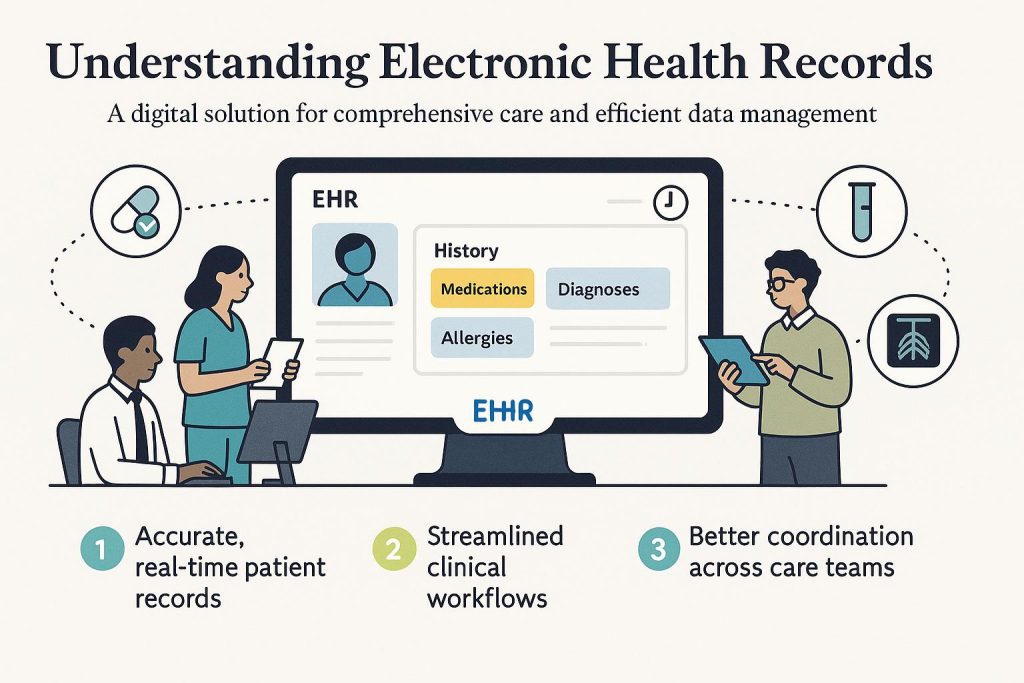
If you or a loved one is in a nursing home, understanding how electronic health records (EHR) work with Medicare can make a big difference in care and costs. You might wonder how these digital records impact the quality of treatment and billing.
Knowing this can help you make smarter decisions and ensure smoother healthcare experiences. Keep reading to discover how nursing home EHRs are used for Medicare and why it matters to you.
Role Of Ehr In Nursing Homes
The role of Electronic Health Records (EHR) in nursing homes has become essential, especially when dealing with Medicare requirements. EHR systems help nursing homes manage vast amounts of patient data efficiently. They ensure that care providers have the right information at the right time, improving both the quality and accuracy of care.
Streamlining Patient Information
EHRs organize patient data in one central place, making it easy for staff to access and update records. You no longer have to sift through piles of paperwork or rely on memory. This saves time and reduces errors.
Imagine a nurse needing to check a resident’s medication history quickly. With EHR, all details are just a few clicks away. This instant access helps avoid medication mistakes and supports better health outcomes.
Enhancing Care Coordination
Care in nursing homes often involves multiple healthcare professionals. EHR systems allow doctors, nurses, therapists, and other staff to share information seamlessly. This collaboration ensures everyone is on the same page about a patient’s condition and care plan.
Have you noticed how communication gaps can delay treatment or cause confusion? EHRs reduce these gaps by providing real-time updates. This means your loved one’s care team can respond quickly to changes in health status.
Supporting Clinical Decisions
EHRs provide tools that assist healthcare providers in making informed clinical decisions. These systems can flag potential drug interactions, remind staff about screenings, and track vital signs over time. Such support helps prevent complications before they arise.
Think about the confidence you feel knowing that your care team has decision-making tools that catch risks early. EHRs enhance this confidence by backing clinical choices with accurate, up-to-date data. This leads to safer and more personalized care tailored to each resident’s needs.
Medicare Requirements For Ehr
Medicare requires nursing homes to use Electronic Health Records (EHR) that meet specific standards. These rules ensure accurate care and proper billing. Nursing homes must follow guidelines that protect patient information and improve health outcomes.
Compliance Standards
Nursing homes must use EHR systems that follow federal Medicare rules. These standards include accurate data entry and timely updates. The systems should support clinical decisions and help avoid errors. Meeting these requirements allows nursing homes to receive Medicare payments without issues.
Documentation And Reporting
Nursing homes must document all patient care in the EHR clearly. Records must include medications, treatments, and patient progress. Proper reporting helps Medicare track the quality of care provided. It also supports audits and reviews by Medicare officials.
Data Security And Privacy
Protecting patient data is a key Medicare requirement. Nursing homes must use secure EHR systems with strong access controls. Patient information must be encrypted and stored safely. These steps prevent unauthorized access and keep patient privacy intact.
Benefits Of Ehr For Medicare Patients
Nursing home electronic health records help Medicare patients get faster and safer care. They keep all health information in one place, making it easy for doctors to check and update treatments. This reduces errors and improves patient health management.
Electronic Health Records (EHR) transform healthcare for Medicare patients in nursing homes. They provide real-time, accurate patient data, improving care quality. EHR systems enhance communication among healthcare providers. This ensures patients receive timely and efficient care. Let’s explore the benefits of EHR for Medicare patients.Improved Patient Outcomes
EHRs store comprehensive medical histories. Doctors access patient information instantly. This leads to better diagnosis and treatment. Quick access to records helps customize care plans. Tailored treatments improve patient outcomes significantly.Reduced Medical Errors
Digital records decrease human error risks. EHRs offer accurate medication lists. This prevents harmful drug interactions. Nurses and doctors have clear, updated information. It reduces chances of misdiagnosis or incorrect treatments.Faster Claim Processing
EHRs streamline billing processes. They reduce paperwork and manual errors. Automated systems speed up claim submissions. Faster processing means quicker reimbursements. Medicare patients benefit from smooth, timely financial transactions.
Credit: www.tebra.com
Financial Incentives Linked To Ehr
Financial incentives linked to Electronic Health Records (EHR) play a crucial role in how nursing homes manage Medicare processes. These incentives encourage facilities to adopt and use EHR systems effectively, ensuring better patient care and streamlined documentation. Understanding these financial benefits can help you see why investing in EHR technology is not just about compliance but also about improving your facility’s bottom line.
Medicare Incentive Programs
Medicare offers several incentive programs to nursing homes that use EHR systems properly. The most well-known is the Promoting Interoperability Program, which rewards facilities for demonstrating meaningful use of electronic health records. By meeting specific criteria like electronic prescribing and data sharing, you can receive direct financial bonuses from Medicare.
These incentives are designed to push nursing homes toward better digital record-keeping, which ultimately benefits patient care. Have you checked if your facility qualifies for these programs yet?
Penalty Avoidance
Not using EHR systems efficiently can lead to penalties that reduce Medicare reimbursements. Facilities that fail to meet the required EHR usage standards risk losing a portion of their Medicare payments each year. Avoiding these penalties can mean keeping thousands, or even millions, in revenue that would otherwise be lost.
This makes EHR adoption not just a technological upgrade but a financial necessity. Are you confident your nursing home is meeting the required EHR standards to avoid these penalties?
Cost Savings For Facilities
Beyond incentives and penalty avoidance, EHR systems help nursing homes save money in daily operations. They reduce paperwork, prevent duplicate tests, and improve billing accuracy. This means less administrative time and fewer errors, which directly lowers operational costs.
One facility I worked with cut billing errors by 30% after switching to a robust EHR system, significantly improving their cash flow. How much could your facility save by optimizing your health records management?
Challenges In Implementing Ehr
Implementing Electronic Health Records (EHR) in nursing homes for Medicare use is not without its hurdles. These challenges can slow down progress and affect the quality of care you aim to provide. Understanding these obstacles can prepare you better for a smoother transition and more effective use of EHR systems.
Technical Barriers
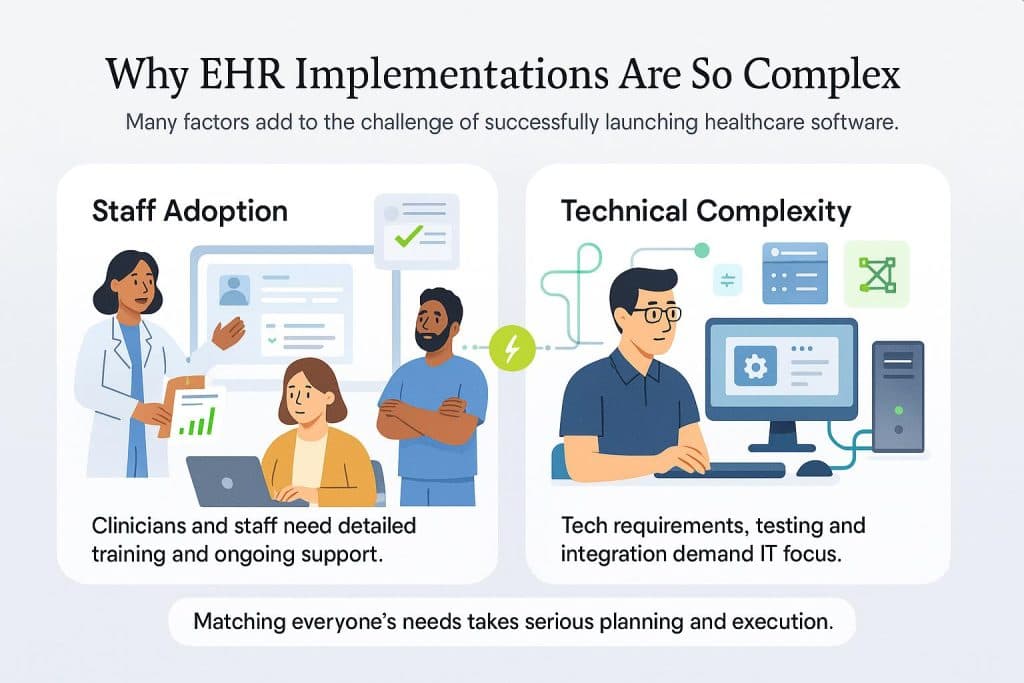
One major challenge is the technical complexity of EHR systems. Many nursing homes struggle with outdated hardware or limited internet connectivity. This can cause frequent system crashes and data loss, frustrating staff and disrupting patient care.
Also, EHR software often requires regular updates and maintenance. Without a dedicated IT team, these tasks can fall behind, leaving your system vulnerable to errors or security breaches. Have you considered how your facility’s current tech setup might handle these demands?
Staff Training And Adoption
Getting your staff comfortable with EHR technology takes time and effort. Many nurses and caregivers may resist change, especially if they’re used to paper records. Training sessions can help, but they need to be practical and ongoing.
When I worked with a nursing home, staff initially found the EHR system confusing. However, hands-on workshops and real-time support made a huge difference in their confidence and efficiency. How well prepared is your team to embrace new digital tools?
Integration With Existing Systems
Another issue is making sure the new EHR system works smoothly with your existing software, like billing or pharmacy management. Poor integration can lead to data duplication or gaps that affect Medicare billing accuracy.
It’s important to choose an EHR that offers compatibility with your current platforms or has flexible APIs. Otherwise, you might spend more time fixing errors than caring for residents. What steps can you take to ensure your systems talk to each other seamlessly?
Credit: www.business.com
Future Trends In Nursing Home Ehr
The future of Nursing Home Electronic Health Records (EHR) holds exciting possibilities that can transform how care is delivered and managed under Medicare. As technology evolves, nursing homes will have more tools to improve patient outcomes, streamline operations, and enhance communication among healthcare providers. Understanding these trends can help you anticipate changes and make better decisions for your facility or loved one’s care.
Advanced Analytics And Ai
Advanced analytics combined with AI will play a bigger role in Nursing Home EHR systems. These technologies can analyze large amounts of patient data quickly, identifying patterns and predicting potential health risks before they become serious problems.
Imagine getting alerts that help prevent falls or detect early signs of infections. This proactive approach could reduce hospital readmissions and improve Medicare compliance. Are you ready to trust AI-driven insights to support your care decisions?
Interoperability Enhancements
Interoperability, or the ability of different healthcare systems to communicate seamlessly, is becoming a priority for nursing homes. Improved interoperability means your EHR can easily share data with hospitals, pharmacies, and Medicare systems.
This will reduce paperwork, avoid duplicate tests, and speed up care coordination. Think about how much smoother transitions between care settings could be if all providers had instant access to accurate, up-to-date patient records.
Patient-centered Innovations
Future Nursing Home EHRs will focus more on patient-centered features that empower residents and their families. This includes easier access to health information, personalized care plans, and tools for better communication with care teams.
For example, family members might receive updates or have the ability to participate in care decisions remotely. How would having more control and transparency over your loved one’s care impact your peace of mind?
Credit: www.ntst.com
Frequently Asked Questions
What Role Do Ehrs Play In Medicare Nursing Homes?
Electronic Health Records (EHRs) streamline patient data management in nursing homes. They enhance care coordination and improve Medicare billing accuracy. EHRs ensure compliance with Medicare regulations and support quality reporting. This leads to better patient outcomes and efficient healthcare delivery.
How Does Ehr Improve Medicare Billing Accuracy?
EHRs reduce errors by automating Medicare billing processes. They capture accurate patient information and treatment details. This minimizes claim denials and delays. EHRs also help track reimbursements, ensuring proper payment under Medicare guidelines. Overall, they increase billing efficiency and financial transparency.
Can Ehrs Enhance Patient Care In Nursing Homes?
Yes, EHRs provide real-time access to patient records. They enable timely medical interventions and personalized care plans. EHRs help nurses and doctors monitor chronic conditions effectively. This leads to improved patient safety and satisfaction within Medicare nursing facilities.
Are Nursing Home Ehrs Compliant With Medicare Standards?
Nursing home EHR systems must meet Medicare’s regulatory requirements. They ensure data security, privacy, and interoperability. Compliance supports accurate reporting and audit readiness. Using certified EHR technology helps nursing homes maintain eligibility for Medicare reimbursements.
Conclusion
Nursing home electronic health records help improve Medicare care. They keep patient information clear and easy to access. Staff can make faster, better decisions for each resident. Errors reduce, and communication between teams gets stronger. These records also support billing and reporting for Medicare.
Using them saves time and helps follow rules. Overall, they play an important role in nursing home care. They make sure residents get the right care at the right time.
Leave a Reply