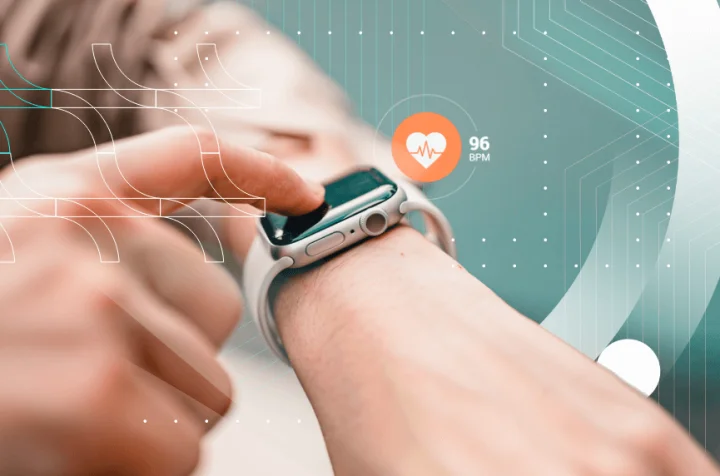
Have you ever wondered how some people stay motivated to keep moving and eat right every day? The secret often lies right on their wrist or in their pocket.
Wearable fitness technology is changing the way you take care of your health. These smart devices don’t just track your steps—they give you real-time feedback, help set goals, and keep you accountable. Imagine having a personal coach available 24/7, guiding you toward better habits without any extra effort.
Keep reading to discover how wearable fitness tech can transform your health and make staying fit easier than ever before.
Credit: www.health.harvard.edu
Rise Of Wearable Fitness Tech
Wearable fitness technology has become a part of everyday life for many people aiming to stay healthy. These devices track your movements, heart rate, sleep, and more, helping you understand your body better. But how did this tech become so popular, and what makes it so useful for your health journey?
Popular Devices And Brands
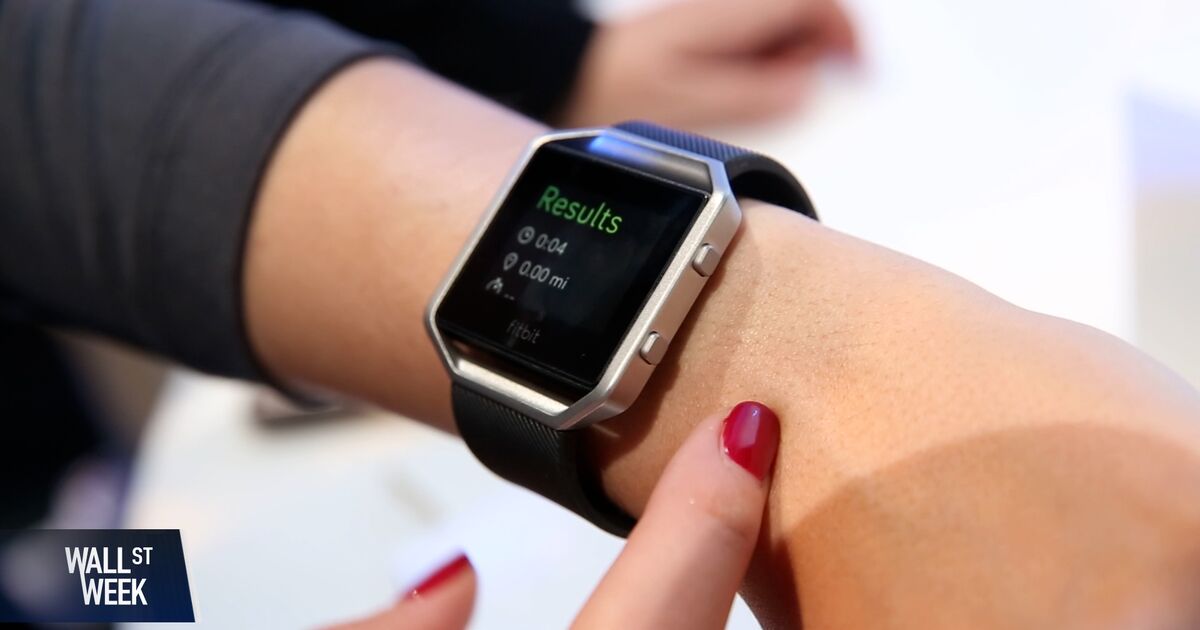
Brands like Fitbit, Apple, and Garmin lead the market with devices designed to fit different lifestyles. Fitbit offers simple trackers that count steps and monitor sleep. Apple Watch adds features like ECG monitoring and workout tracking for those who want more detailed health insights.
Garmin appeals to athletes with GPS tracking and advanced metrics for running and cycling. You can choose a device based on what fits your daily habits and goals. Have you found a device that truly motivates you to move more or sleep better?
Evolution Over The Years
Wearable fitness technology has come a long way from basic pedometers. Early devices only counted steps, but now they measure heart rate, oxygen levels, and even stress. This evolution means you get a clearer picture of your health without visiting a clinic.
Tech improvements have also made devices smaller, more accurate, and easier to wear all day. Battery life has extended, and many devices now sync seamlessly with your phone or computer. How much easier would it be to maintain your health if you had real-time feedback all day?
Key Features Boosting Health
Wearable fitness technology offers more than just cool gadgets on your wrist—it delivers real, actionable insights that help you take control of your health. The key features embedded in these devices provide continuous feedback, making it easier to understand your body and adjust your habits. Let’s look at some of the most impactful tools that can boost your health journey.
Activity And Step Tracking
Tracking your daily steps and overall activity keeps you aware of how much you move throughout the day. Seeing the numbers can challenge you to beat your previous records or simply avoid too much sitting. This feature turns everyday movement into a tangible goal, encouraging small but consistent improvements.
Have you noticed how reaching a step goal changes your mindset? It pushes you to take the stairs, walk during breaks, or choose a longer route. These little changes add up and improve your overall fitness without feeling like a chore.
Heart Rate Monitoring
Continuous heart rate monitoring gives you real-time data about your cardiovascular health. Knowing your resting heart rate and how it changes during exercise helps you understand your fitness level and stress responses. You can also spot irregularities early, which is crucial for preventing serious issues.
Imagine adjusting your workout intensity based on your heart rate zones instead of guessing. This precision makes your exercise sessions safer and more effective. Do you check your heart rate during workouts, or rely on how you feel?
Sleep Analysis
Good health depends on quality sleep, and wearable tech helps you track your sleep patterns effortlessly. It shows how long and how well you sleep, including deep and light sleep phases. This insight helps you identify habits that disrupt rest and improve your nightly routine.
Many people underestimate how much sleep affects their daily energy and mood. By reviewing your sleep data, you might find surprising factors affecting your rest, such as late-night screen time or inconsistent bedtimes. What small change could you make tonight to sleep better?
Calorie Counting
Understanding calorie intake and expenditure is essential for weight management. Wearables simplify this by estimating calories burned during activities and sometimes allowing you to log food intake. This creates a balanced picture of your energy flow and supports smarter choices.
Have you ever been surprised by how many calories you burn during a simple walk or household chores? Seeing this data can motivate you to stay active throughout the day. How often do you track your calories, and does it influence your eating habits?
Benefits For Everyday Wellness
Wearable fitness technology offers many benefits for daily health. These devices help people stay active and make smarter choices. They turn everyday activities into opportunities for better wellness. Simple tools on your wrist or phone guide you toward a healthier lifestyle.
Motivation And Goal Setting
Wearables keep motivation high by tracking daily steps and exercise. Setting clear, achievable goals becomes easy with reminders and progress updates. Small wins build confidence and encourage consistent activity. Seeing progress boosts the desire to reach new milestones.
Real-time Feedback
Devices provide instant feedback on heart rate, calories burned, and activity levels. This helps users adjust their efforts during workouts or daily tasks. Real-time data prevents overexertion and promotes balanced exercise. Immediate insights make health management simple and effective.
Personalized Health Insights
Wearables collect data to create tailored health reports. These insights highlight patterns in sleep, activity, and stress. Users learn what works best for their bodies. Personalized tips guide better habits and improve overall wellness over time.
Impact On Chronic Disease Management
Managing chronic diseases requires constant attention and timely action. Wearable fitness technology is transforming how people monitor and control conditions like hypertension and diabetes. These devices provide real-time data and personalized feedback that help you stay on top of your health every day.
Monitoring Blood Pressure And Glucose
Wearables equipped with sensors can track your blood pressure and glucose levels throughout the day. This ongoing monitoring helps you detect patterns and identify triggers that affect your condition.
Imagine noticing your blood pressure spikes after certain meals or stressful events. These insights allow you to adjust your lifestyle immediately, rather than waiting for your next doctor’s visit.
Some devices even sync data directly with your healthcare provider, enabling quicker response and better tailored treatment plans. Wouldn’t you feel more confident managing your health with such detailed information?
Encouraging Consistent Exercise
Regular physical activity is crucial for managing chronic illnesses, but staying motivated can be tough. Wearable fitness trackers offer gentle reminders and set achievable goals that fit your daily routine.
They celebrate your progress with badges and friendly notifications, turning exercise from a chore into a rewarding habit. Having a device that cheers you on can make a real difference when motivation wanes.
Tracking steps, heart rate, and calories burned also helps you understand how exercise impacts your symptoms. Could this kind of feedback help you stick to a healthier lifestyle?
Early Warning Systems
Some advanced wearables use algorithms to detect early signs of health issues before symptoms become severe. Alerts about irregular heartbeats or abnormal glucose fluctuations can prompt you to seek medical help sooner.
Receiving a timely warning can prevent complications and reduce hospital visits. This proactive approach gives you more control and peace of mind over your chronic condition.
Imagine how different your health journey could be with a device that watches over you 24/7. Are you ready to take advantage of this technology to protect your wellbeing?
Integrating Wearables With Health Apps
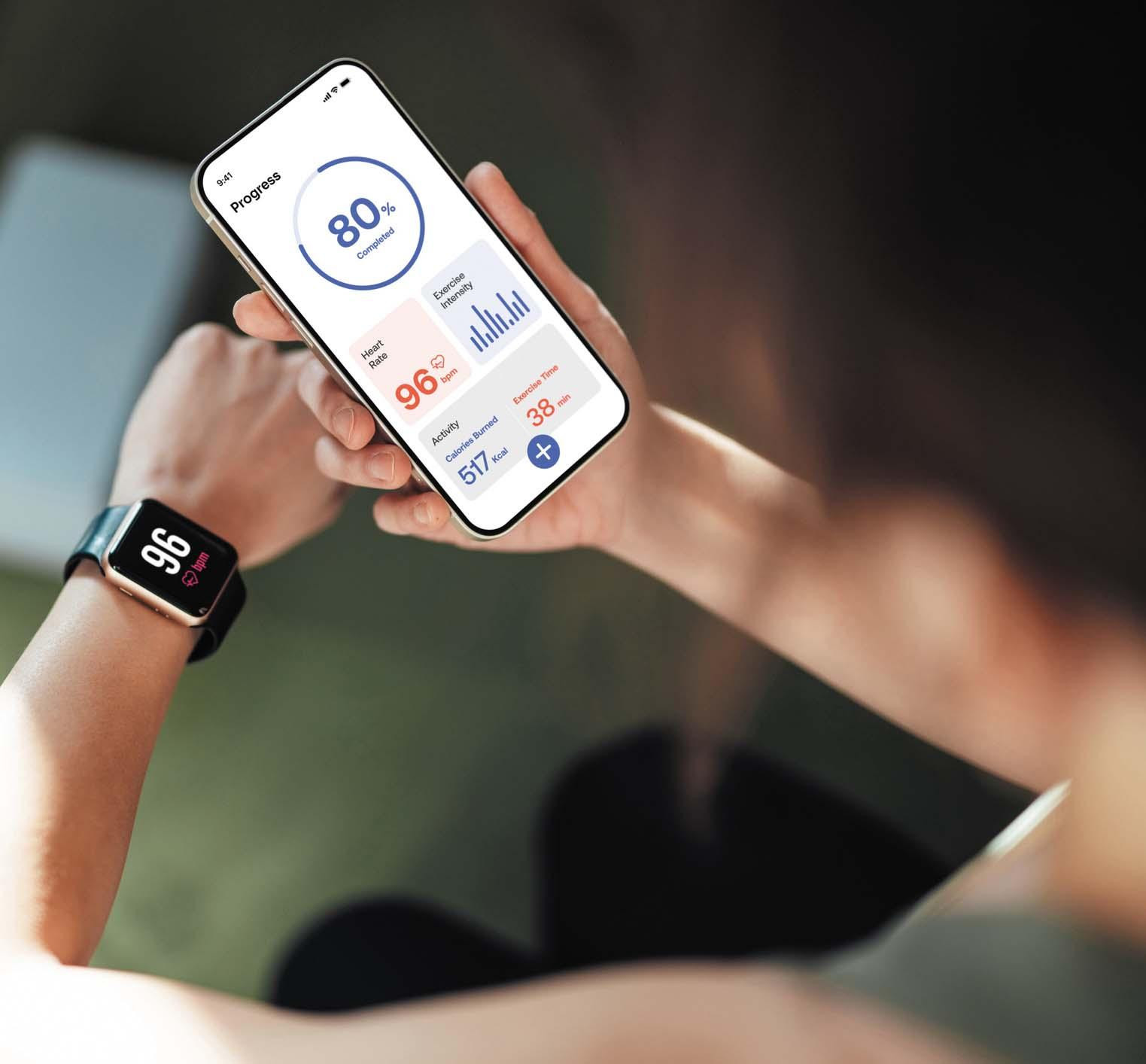
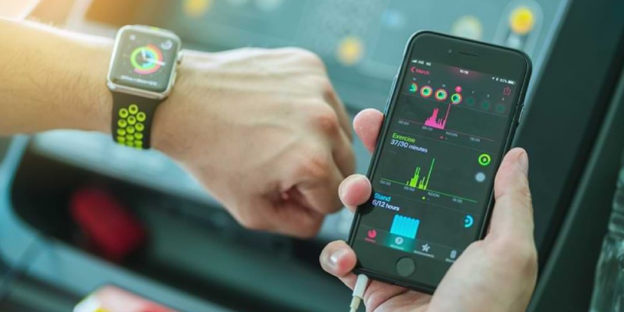
Wearable fitness devices are more useful when paired with health apps. These apps collect and analyze data from wearables. This integration helps users track their health in one place. It makes managing fitness goals easier and more precise. The combination of wearables and apps supports healthier habits daily.
Data Synchronization
Wearables sync data automatically with health apps. This includes steps, heart rate, and sleep patterns. Users see all information updated in real time. It removes the need to enter data manually. Accurate tracking helps users understand their health better.
Customized Workout Plans
Health apps use wearable data to create workout plans. Plans adjust based on activity levels and progress. Users get exercises suited to their fitness and goals. This personalization keeps workouts safe and effective. It motivates users to stay active consistently.
Community And Social Features
Many health apps offer social and community tools. Users can join groups or share achievements. This builds motivation through friendly competition and support. Connecting with others makes fitness journeys less lonely. Community features encourage users to keep moving forward.
Credit: www.bloomberg.com
Challenges And Limitations
Wearable fitness technology offers exciting benefits, but it’s not without its challenges. Understanding these limitations can help you set realistic expectations and make smarter choices about how to use your device. Let’s break down some key issues that many users face.
Accuracy Concerns
One of the biggest frustrations with fitness wearables is the accuracy of the data. Step counts, heart rate readings, and calorie estimates can vary significantly between devices and even from day to day on the same device.
I once trusted my smartwatch to track my runs, only to find the distance was off by almost 20%. This made me question the reliability of the data I was using to improve my workouts.
Ask yourself: Are you relying on this data to make important health decisions? If so, it’s worth cross-checking with other methods or devices to avoid misleading results.
Privacy And Data Security
Your health data is personal and sensitive. Fitness trackers collect a lot of information about your daily habits, locations, and body metrics. This raises serious privacy questions.
Many devices sync data to cloud services, which can be vulnerable to hacks or misuse. Reading the privacy policies and understanding what data is shared can help you protect your information.
Think about how comfortable you are with your data being stored and possibly shared. Would you want a stranger or company to have access to your detailed health profile?
User Engagement Over Time
At first, wearing a fitness tracker can feel motivating and fun. But many people find their enthusiasm fading after a few weeks or months. The novelty wears off, and the device becomes just another gadget.
To stay engaged, set clear, achievable goals and regularly update them. Some users find success by joining challenges or linking their device to social groups for added accountability.
How will you keep your motivation alive when the initial excitement drops? Planning for this can help you maintain healthy habits long term.
Future Trends In Fitness Wearables
The future of fitness wearables is shaping up to be more exciting and useful than ever. As technology advances, these devices are becoming smarter, more versatile, and better at supporting your health goals. What new features will make a real difference in how you track and improve your fitness?
Advanced Sensors And Ai
Fitness wearables are getting equipped with advanced sensors that track more than just steps or heart rate. New sensors can monitor blood oxygen levels, hydration, stress, and even detect irregular heart rhythms. Combined with AI, these devices analyze your data to provide personalized health advice and early warnings.
Imagine your wearable alerting you about signs of fatigue before you feel it or suggesting the best time to work out based on your body’s readiness. This level of insight can help you avoid injury and improve your performance consistently.
Wearables Beyond The Wrist
The future isn’t just about wristbands. Fitness trackers are moving to different parts of your body, like smart clothing, rings, and even earbuds. These alternatives offer more comfort and detailed data by staying closer to key muscles or monitoring breathing patterns.
If you’ve ever stopped wearing a wristband because it felt bulky or uncomfortable, these new forms might change your mind. They blend fitness tracking seamlessly into your daily routine without feeling like extra gear.
Integration With Telehealth
Wearables are becoming crucial tools in telehealth, connecting your health data directly with medical professionals. This connection allows for real-time monitoring and quicker responses to potential health issues.
Think about having your doctor receive alerts if your wearable detects unusual heart activity or if your recovery from an injury isn’t progressing as expected. This immediate feedback loop can lead to better healthcare decisions and more personalized treatment plans.
Credit: medium.com
Frequently Asked Questions
How Do Wearable Fitness Devices Track Health Metrics?
Wearable fitness devices use sensors to monitor heart rate, steps, sleep, and calories burned. They collect real-time data to help users understand and improve their health habits effectively.
Can Wearables Motivate People To Exercise Regularly?
Yes, wearables provide reminders, goals, and progress updates that encourage consistent physical activity. This motivation helps users stay committed to their fitness routines.
Are Wearable Fitness Trackers Accurate For Health Monitoring?
Most wearables offer reasonably accurate data for everyday health tracking. However, they may not replace professional medical devices or diagnostics for serious conditions.
How Do Wearables Help Manage Chronic Health Conditions?
Wearables track vital signs and alert users about abnormalities. This continuous monitoring supports better management of conditions like diabetes and heart disease.
Conclusion
Wearable fitness technology supports healthier living. It tracks physical activity and health metrics. People can monitor progress easily. This tech encourages regular exercise and healthy habits. Users set goals and stay motivated. It offers personalized feedback and insights. More people now embrace technology for health benefits.
Fitness devices are user-friendly and widely available. They suit different lifestyles and needs. These tools make health maintenance simpler and more engaging. Adopting wearable fitness technology is a smart step. It’s a practical choice for anyone seeking better health.
Leave a Reply