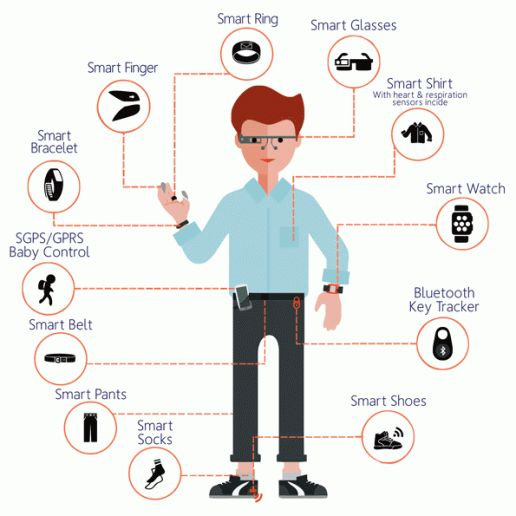
Have you ever wondered what those gadgets people wear on their wrists or clothes really do? Technology wearables are changing the way you live, work, and stay healthy.
These small devices can track your steps, monitor your heart rate, and even help you stay connected without pulling out your phone. But what exactly are technology wearables, and how can they make a difference in your daily life? Keep reading to discover how these smart tools fit into your world and why you might want one too.
Types Of Wearable Devices
Wearable devices come in many forms. Each type serves different needs and uses. Some track health, others improve communication or add convenience.
Wearables blend technology with daily life. They make tasks easier and provide useful data on the go.
Smartwatches And Fitness Trackers
Smartwatches offer notifications, apps, and fitness tracking on your wrist. They show calls, messages, and reminders instantly.
Fitness trackers focus on health data. They monitor steps, heart rate, and sleep quality. Many models sync with smartphones.
Smart Glasses And Headsets
Smart glasses display information directly in your line of sight. They can show navigation, messages, or work tools.
Headsets combine audio and augmented reality. They help in hands-free communication and provide immersive experiences.
Wearable Medical Devices
Medical wearables track vital signs like blood pressure and glucose levels. They assist in managing chronic conditions.
Some devices alert users or doctors about health issues early. They improve care outside hospitals.
Smart Clothing And Accessories
Smart clothing includes fabrics with sensors to track movement and body stats. They help athletes and fitness lovers.
Accessories like rings or bracelets can monitor health or unlock phones. They blend style with technology.
Key Features Of Wearables
Wearable technology includes devices worn on the body to track health, fitness, and daily activities. These gadgets offer unique features that make them useful and easy to use. Understanding key features helps to see why wearables are popular and practical.
Sensors And Data Collection
Wearables use sensors to gather important information. Common sensors track heart rate, steps, sleep, and temperature. These sensors collect data continuously and send it to apps for review. Accurate sensors improve the quality of insights for users.
Connectivity And Integration
Wearables connect to smartphones and other devices via Bluetooth or Wi-Fi. This link allows real-time data transfer and notifications. Integration with apps helps users view detailed reports and control settings. Good connectivity ensures smooth and fast data sharing.
User Interface And Interaction
The user interface on wearables is simple and clear. Many use touchscreens, buttons, or voice commands to interact. Easy controls help users quickly access features and information. A clean interface makes wearables friendly for all ages.
Battery Life And Power Management
Battery life is crucial for wearables. Devices often last from one day to several days on a single charge. Power-saving modes extend battery life by limiting background tasks. Efficient power management lets users wear devices longer without charging.
Applications In Daily Life
Technology wearables have quickly become part of everyday life, offering practical solutions that fit seamlessly into your routine. These devices are designed to support various activities, making tasks easier and more efficient. Let’s look at how wearables impact different aspects of daily living.
Health And Fitness Monitoring
Wearables help you keep track of your health effortlessly. Devices like fitness bands and smartwatches monitor heart rate, sleep quality, and step counts throughout the day. This real-time data can motivate you to stay active or alert you to potential health issues before they become serious.
Have you ever noticed how a simple reminder to move can change your whole day? These devices do just that, encouraging you to build better habits without needing constant attention.
Workplace Productivity
In the workplace, wearables can enhance focus and efficiency. Smart glasses provide hands-free access to information, while wristbands can monitor stress levels and suggest breaks. This helps you manage workload without feeling overwhelmed.
Imagine receiving a gentle vibration when you’ve been sitting too long or when it’s time to switch tasks. Small alerts like these keep you balanced and productive throughout your workday.
Entertainment And Gaming
Wearables transform how you experience entertainment and gaming. Virtual reality headsets immerse you in new worlds, while smartwatches offer quick controls for music and video playback. These gadgets add convenience and excitement to your leisure time.
Have you tried controlling a game just by moving your wrist? This kind of interaction makes entertainment more engaging and interactive, changing the way you enjoy media.
Navigation And Communication
Wearables simplify navigation and staying connected. Smartwatches display turn-by-turn directions on your wrist, so you don’t have to pull out your phone while walking or cycling. They also provide quick access to calls, messages, and notifications.
How often do you miss important alerts because your phone is buried in your bag or pocket? Wearables keep you informed instantly and discreetly, helping you stay connected without distraction.

Credit: www.happiestminds.com
Impact On Healthcare
Technology wearables have reshaped healthcare by offering tools that keep you connected to your health every moment. These devices don’t just track steps or heart rate; they provide real-time data that can change how you manage your health. Imagine having a personal health assistant on your wrist—this is the impact wearables bring to healthcare.
Remote Patient Monitoring
Wearables allow doctors to monitor your vital signs without needing you to visit the clinic constantly. This means fewer hospital trips and more comfort for you at home. Devices can track heart rate, blood pressure, oxygen levels, and even sleep patterns, sending this information directly to healthcare providers.
Have you ever wondered how monitoring your health in real-time could prevent emergencies? Early detection of irregular patterns can alert your doctor and you to take action before problems escalate.
Chronic Disease Management
If you live with conditions like diabetes or hypertension, wearables can be a game-changer. They help you keep track of your condition daily and remind you to take medication or check key health metrics. This continuous data flow supports better decision-making for both you and your healthcare team.
Think about how much easier managing your illness could be if you had instant feedback on how lifestyle changes affect your condition. Wearables offer that insight, making self-care smarter and more effective.
Emergency Response Systems
Some wearables come with built-in emergency features that detect falls or sudden changes in your health. These systems can automatically alert emergency contacts or medical services, speeding up response times. This feature is especially valuable for older adults or those with high-risk health issues.
Wouldn’t you feel safer knowing help is just a button press or an automatic alert away? This technology adds a layer of security that could save lives when every second counts.
Personalized Health Insights
Wearables collect data unique to your body and lifestyle, helping create personalized health profiles. This means you get recommendations that suit your specific needs rather than generic advice. Over time, these insights can guide you toward healthier habits based on your own patterns.
How much more motivated would you be if your health goals were tailored just for you? Personalized data makes your wellness journey clearer and more achievable.
Challenges And Limitations
Technology wearables offer many benefits but face notable challenges and limitations. These issues affect their performance and user experience. Understanding these challenges helps users make better decisions about these devices.
Privacy And Data Security
Wearables collect sensitive personal data like health and location. Protecting this data is crucial to avoid misuse or theft. Many devices lack strong encryption and secure storage. Users worry about their information being shared without consent. Companies must improve security measures to build trust.
Device Accuracy And Reliability
Wearables must provide accurate data for users to rely on them. Sensors sometimes give incorrect readings due to movement or external factors. Battery life also limits continuous monitoring. Inconsistent performance can frustrate users and reduce usefulness.
User Adoption And Comfort
Not all users find wearables comfortable to wear daily. Bulky or heavy designs can cause discomfort. Some people resist changing habits or learning new technology. Ease of use and ergonomic design are key to better adoption.
Cost And Accessibility
High prices limit access to many wearable devices. Not everyone can afford the latest technology. Limited availability in some regions also restricts use. More affordable and widely available options are needed for broader reach.
Credit: www.t3.com
Future Trends In Wearable Tech
The future of wearable technology is shaping up to be more intelligent, efficient, and deeply connected to our daily lives. As these devices evolve, they will not only track your fitness or notify you of messages but will become proactive partners in managing your health, productivity, and environment.
Advancements In Ai And Machine Learning
Wearables are getting smarter with AI and machine learning algorithms that can analyze your habits and predict your needs. Imagine a fitness tracker that adjusts your workout plan based on your recovery patterns or a smartwatch that detects early signs of stress and suggests breathing exercises.
These improvements mean your device won’t just collect data but will provide insights tailored uniquely to you. How much more effective could your daily routine be if your wearable could anticipate your next move?
Improved Battery And Materials
Battery life is often a pain point with wearable tech, but new materials and energy-efficient designs promise longer usage without frequent charging. Flexible batteries and solar-powered options are becoming more common, making your device less of a hassle and more reliable.
Durable, lightweight materials will also make wearables more comfortable, encouraging you to wear them all day and night. Wouldn’t it be great if your wearable felt as natural as a second skin?
Expanded Medical Applications
Wearables are moving beyond fitness tracking into serious medical territory. Devices can now monitor glucose levels, detect irregular heartbeats, or even track medication adherence in real time.
This means you could catch health issues early or manage chronic conditions more effectively without constant doctor visits. How much peace of mind would you gain from a wearable that acts as your personal health assistant?
Integration With Iot Ecosystems
Your wearable won’t work alone—it will connect seamlessly with your smart home, car, and other devices through the Internet of Things (IoT). This integration allows for smoother control, like adjusting your thermostat or locking your door just by tapping your smartwatch.
The connected ecosystem will create a more convenient lifestyle where devices talk to each other and anticipate your needs. How much easier would your day be if your wearable could manage your environment with a simple gesture?

Credit: medium.com
Frequently Asked Questions
What Are Technology Wearables Used For?
Technology wearables track health, fitness, and daily activities. They provide real-time data to improve well-being and convenience. Common uses include monitoring heart rate, sleep, and physical activity.
How Do Wearable Devices Connect To Smartphones?
Wearables connect to smartphones via Bluetooth or Wi-Fi. This allows data syncing, notifications, and remote control of apps. It enhances user experience by integrating device functions.
Are Technology Wearables Secure To Use?
Most wearables use encryption to protect data. However, users should update software regularly and use strong passwords. Security depends on both device design and user habits.
What Types Of Technology Wearables Are Popular Today?
Popular wearables include smartwatches, fitness trackers, and smart glasses. These devices offer health monitoring, notifications, and augmented reality features. Their variety caters to different user needs.
Conclusion
Technology wearables change how we live and work. They offer convenience and connectivity. From smartwatches to fitness trackers, they fit into daily life. These devices monitor health, track activities, and even help with tasks. As technology advances, wearables become more useful.
They adapt to our needs and lifestyle. Simple and powerful tools. Exciting times for tech lovers. Exploring new possibilities with each innovation. Wearables continue to grow and evolve. They make life easier and more efficient. Keep an eye on this tech trend.
It’s here to stay.
Leave a Reply