Have you ever wondered how wearable technology is changing the way you live, work, and stay healthy? The overall wearable technology market is booming, and it’s more than just smartwatches and fitness trackers.
This market is shaping your daily habits, personal health, and even the way businesses operate. If you want to understand what’s driving this growth and how it could impact your life, keep reading. You’ll discover the key trends, the biggest players, and why wearable tech might be the next big thing you don’t want to miss.
Market Size And Growth
The wearable technology market is expanding rapidly worldwide. It includes devices worn on the body to track health, fitness, and daily activities. Understanding its market size and growth helps businesses and consumers see its impact and potential.
Current Market Value
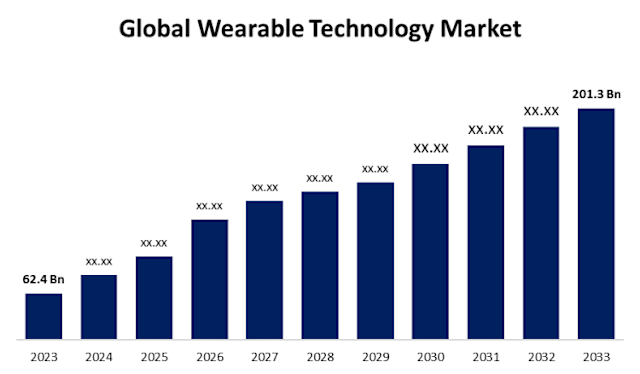
The global wearable technology market is valued at over $60 billion. Smartwatches, fitness trackers, and smart glasses lead this market. The health sector holds a large share due to rising demand. Consumer interest in convenience and health awareness boosts sales.
Growth Projections
Experts expect the market to grow at a compound annual growth rate (CAGR) of around 15%. This growth will likely continue for the next five years. Increased adoption in healthcare and sports drives this trend. New product launches and improved technology support expansion.
Key Growth Drivers
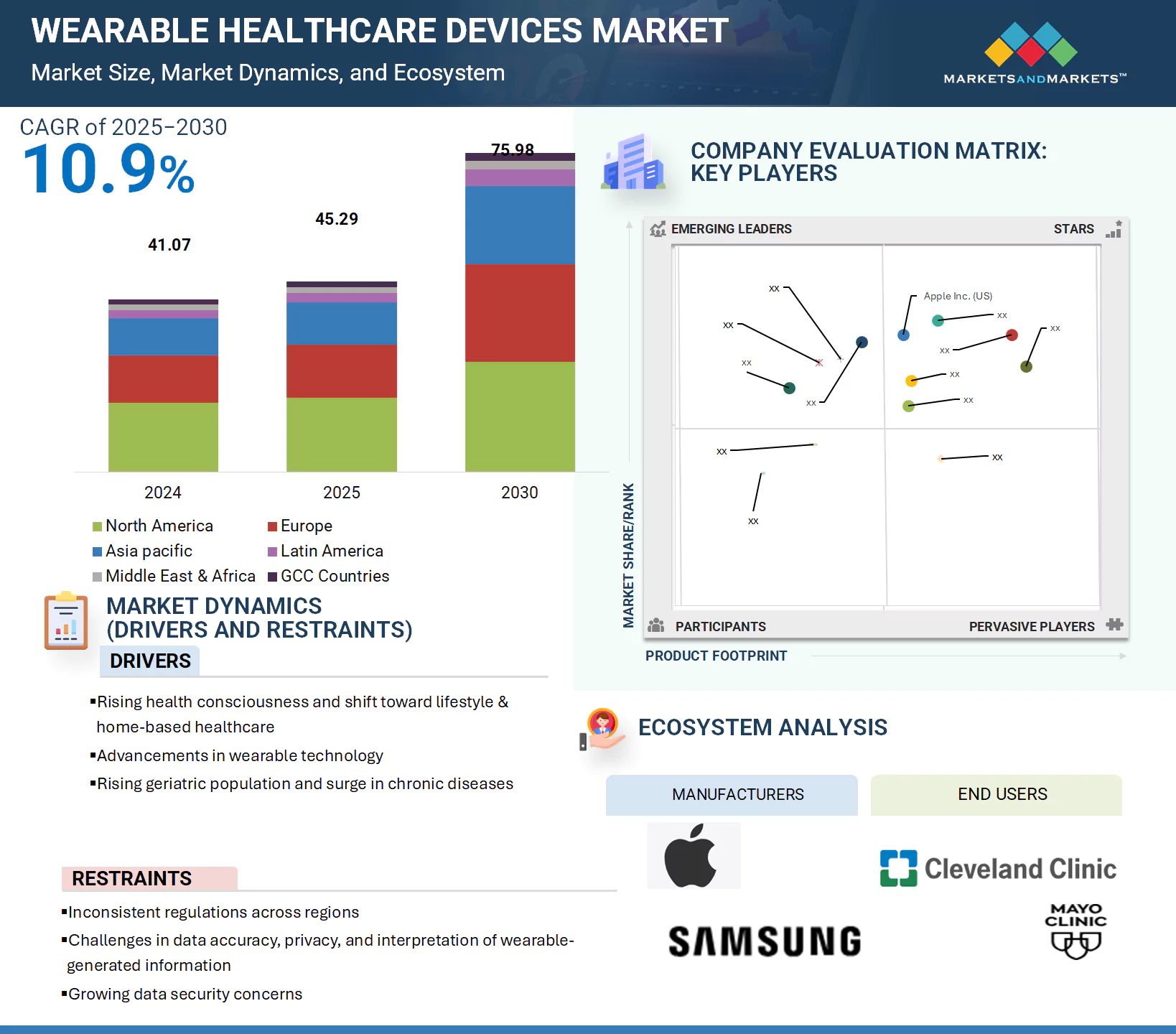
- Rising health consciousness among all age groups
- Technological advances in sensors and connectivity
- Growing demand for personalized health monitoring
- Expansion of fitness and wellness industries
- Integration with smartphones and other smart devices
- Rising awareness of chronic disease management
Credit: www.fortunebusinessinsights.com
Popular Wearable Devices
Wearable devices have become an essential part of everyday life for many people. They blend technology seamlessly with daily routines, offering convenience and valuable data right on your wrist or face. Understanding the most popular types of wearable devices can help you decide which one fits your lifestyle and goals best.
Smartwatches
Smartwatches do more than just tell time. They keep you connected with notifications, calls, and messages without needing to pull out your phone. Many models also include GPS, music controls, and customizable watch faces.
If you value staying updated and tracking your daily activities, a smartwatch could be your perfect companion. Have you noticed how a quick glance at your wrist can save you from constantly checking your phone?
Fitness Trackers
Fitness trackers focus on monitoring your physical activity and health metrics. They count steps, measure heart rate, track sleep patterns, and even analyze your workouts. Their lightweight design makes them comfortable to wear all day.
Using a fitness tracker can motivate you to move more and improve your habits. What small changes could you make if you had real-time feedback on your activity levels?
Smart Glasses
Smart glasses bring technology directly into your field of vision. They can display notifications, provide navigation, or even translate languages in real time. While still evolving, these devices offer hands-free access to information.
Imagine walking through a new city with directions right in front of your eyes. Would smart glasses make your daily tasks easier or feel intrusive?
Wearable Medical Devices
Wearable medical devices monitor vital health signs such as blood pressure, glucose levels, and oxygen saturation. They provide critical data that can help manage chronic conditions and alert users to potential health issues early.
For those with specific medical needs, these devices offer peace of mind and greater control over their health. Could a wearable medical device improve your well-being or that of someone you care about?
Technology Advancements
Technology advancements have dramatically shaped the wearable technology market, making devices smarter, more efficient, and user-friendly. These improvements allow wearables to provide real-time data, enhanced accuracy, and longer usage times. Understanding these key technological shifts helps you choose devices that truly fit your lifestyle and needs.
Improved Sensors
Sensors in wearables have become more precise and versatile, tracking everything from heart rate to sleep patterns with greater accuracy. This means you get more reliable health insights and can trust the data to make better decisions about your wellness. Have you noticed how some devices now detect stress levels or blood oxygen? That’s the power of better sensors at work.
Battery Life Enhancements
Longer battery life is a game-changer for wearables. You no longer need to charge your device every day, which makes using it less of a hassle. Advances in battery technology and power management let you stay connected and track your activities for days, sometimes weeks, without interruptions.
Ai And Machine Learning Integration
AI and machine learning help wearables understand your habits and preferences, offering personalized feedback that feels tailored just for you. This tech learns from your data to predict your needs, such as suggesting workout plans or alerting you to irregular health signs. How would your daily routine change if your wearable could anticipate your next move?
Credit: www.marketsandmarkets.com
Consumer Demographics
Understanding who uses wearable technology helps you see why the market grows the way it does. Consumer demographics reveal patterns about age, location, and what features people want most. These insights can help you pick the right device or even predict the next big trend.
Age Groups
Wearable tech appeals to a wide range of ages, but usage varies. Younger people, especially those between 18 and 34, often favor smartwatches and fitness trackers to stay connected and monitor health.
Older adults, particularly those over 50, tend to focus on health monitoring devices like heart rate trackers and fall detectors. Understanding these preferences helps companies tailor products to meet specific needs.
Geographical Trends
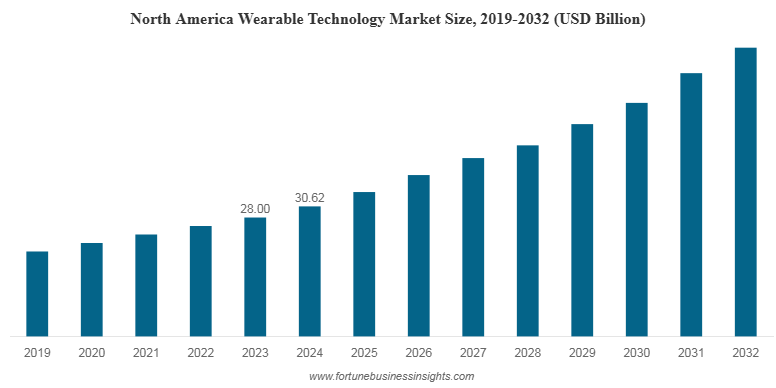
Where you live can influence your wearable tech choices. North America and Europe have high adoption rates due to strong tech infrastructure and health awareness.
In Asia-Pacific, rising middle-class populations and increasing smartphone usage drive growth. However, affordability and local preferences shape the types of devices people buy.
User Preferences
Different users want different features. Some prioritize battery life and durability for outdoor activities, while others want sleek designs and seamless smartphone integration.
Many users look for health-related functions like sleep tracking, step counting, or ECG monitoring. What features matter most to you when choosing a wearable device?
Industry Applications
The wearable technology market serves many industries, each using devices in unique ways. These devices help users track data, improve efficiency, and enhance experiences. Industries like healthcare, sports, entertainment, and workplaces benefit greatly from wearables.
Healthcare
Wearable devices monitor vital signs such as heart rate and blood pressure. They help in tracking chronic diseases and alert patients to health issues early. Doctors use wearables to collect real-time data and improve patient care. Devices like smartwatches and fitness bands support remote health monitoring.
Sports And Fitness
Athletes use wearables to track performance and optimize training. These devices measure steps, calories, and sleep quality. Wearables provide feedback on movement and help prevent injuries. Fitness enthusiasts use them to set goals and stay motivated.
Entertainment
Wearables enhance gaming and virtual reality experiences. Devices like smart glasses offer immersive visuals and interactive content. They track user movements to make entertainment more engaging. Music lovers use wearables to control playback and volume easily.
Workplace Productivity
Wearables improve communication and task management at work. Devices provide hands-free access to notifications and schedules. They help monitor worker safety in hazardous environments. Employers use wearables to boost efficiency and reduce downtime.
Credit: www.kbvresearch.com
Challenges Facing The Market
The wearable technology market faces several challenges that slow its growth and user adoption. These challenges affect both consumers and manufacturers. Addressing them is key to the future success of wearables.
Understanding these obstacles helps explain why some users hesitate to fully embrace wearable devices. Privacy, cost, and technical issues remain major concerns.
Privacy Concerns
Wearable devices collect sensitive personal data such as health metrics and location. Users worry about how this data is stored and shared. Security breaches can expose private information, causing distrust.
Strict privacy laws and transparent data policies are needed. Without them, many potential buyers avoid wearables due to fear of data misuse.
High Costs
The price of many wearable devices remains high for average consumers. Advanced sensors and materials increase production costs. This limits accessibility and slows market growth.
Lowering costs without sacrificing quality is a major hurdle. More affordable options are essential to attract a wider audience.
Technical Limitations
Battery life is often short, requiring frequent charging. This frustrates users who want all-day use. Device size and comfort also affect wearability.
Many wearables struggle with accuracy and compatibility with other devices. These issues reduce user satisfaction and trust.
Future Trends
The future of the wearable technology market is shaping up to be incredibly dynamic and user-focused. As devices become smarter and more connected, they will offer new ways to enhance your daily life. Let’s look at some key trends that will define what comes next in wearable tech.
Integration With Iot
Your wearable devices will increasingly connect with other smart gadgets around you, creating a seamless network known as the Internet of Things (IoT). Imagine your smartwatch communicating with your home security system or your fitness tracker adjusting your thermostat based on your activity level.
This integration means you can control multiple devices from a single point—your wrist or glasses—making daily tasks simpler and more efficient. How would managing your smart home or workplace through wearables change your routine?
Enhanced Health Monitoring
Wearables are moving beyond basic step counting to offer detailed health insights. Sensors now track heart rate variability, blood oxygen levels, and even stress indicators with clinical accuracy.
These advancements allow you to catch potential health issues early and manage chronic conditions better. If your wearable could alert you to a health risk before symptoms appear, would you be more proactive about your well-being?
Wearables In Augmented Reality
Augmented reality (AR) wearables will blend digital content with your physical surroundings, changing how you interact with information. Smart glasses can overlay navigation prompts, work instructions, or social media updates right in your line of sight.
This hands-free access to data can boost productivity and entertainment alike. What tasks in your daily life could become easier if you had instant, visual information at your fingertips?
Leading Market Players
The wearable technology market grows fast, driven by many strong players. These companies shape the market with their products and ideas. They compete and cooperate to bring new devices to users. Understanding the leading players helps see market trends and future directions.
Top Manufacturers
Large companies lead the wearable tech market with wide product ranges. They invest heavily in research and development. Their devices often feature advanced sensors and stylish designs. These manufacturers include well-known brands with global reach.
- Apple – famous for the Apple Watch and AirPods.
- Samsung – offers smartwatches and fitness bands.
- Fitbit – focuses on health and activity trackers.
- Garmin – known for GPS and sports wearables.
- Xiaomi – provides affordable smart bands and watches.
Innovative Startups
New startups bring fresh ideas and unique products. They focus on niche markets or new technology types. Some create smart clothing, others develop health monitoring tools. These startups drive innovation and challenge big brands.
- Whoop – specializes in performance and recovery wearables.
- Oura – creates smart rings for health tracking.
- Motiv – offers wearable rings for fitness and security.
- NeuroMetrix – works on nerve health monitoring devices.
Collaborations And Partnerships
Companies join forces to improve products and expand markets. Partnerships help combine strengths in technology and marketing. Collaborations often speed up new product launches and innovation. They also help enter new regions or customer groups.
- Apple and Nike – work together on fitness-focused wearables.
- Google and Fitbit – combine health data and software.
- Samsung and Under Armour – develop fitness tracking apps.
- Garmin and Firstbeat – collaborate on advanced health analytics.
Frequently Asked Questions
What Is The Overall Wearable Technology Market Size?
The overall wearable technology market includes all smart wearable devices globally. It is valued in billions and growing rapidly due to rising demand for fitness, health, and communication devices.
Which Devices Dominate The Wearable Technology Market?
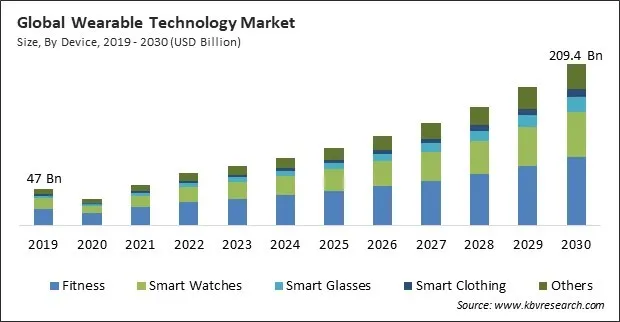
Smartwatches, fitness trackers, and smart glasses lead the wearable tech market. These devices offer health monitoring, notifications, and hands-free communication, driving their popularity.
What Factors Drive Wearable Technology Market Growth?
Market growth is driven by increasing health awareness, technological advances, and consumer demand for convenience. Enhanced battery life and connectivity also boost adoption rates.
How Does Wearable Technology Impact Healthcare?
Wearable technology provides real-time health monitoring and data tracking. It improves patient care, enables early diagnosis, and supports remote health management, making healthcare more efficient.
Conclusion
The wearable technology market is growing rapidly. It offers many opportunities for innovation. Devices like smartwatches and fitness trackers lead the way. They make life more convenient. They also help monitor health. People enjoy the benefits of connected devices. This trend shows no signs of slowing down.
Companies continue to invest in new technologies. Consumers look for more features and comfort. The market’s future seems promising. As technology evolves, so will wearables. They will become an essential part of daily life. Stay informed to see how this market changes.
Leave a Reply