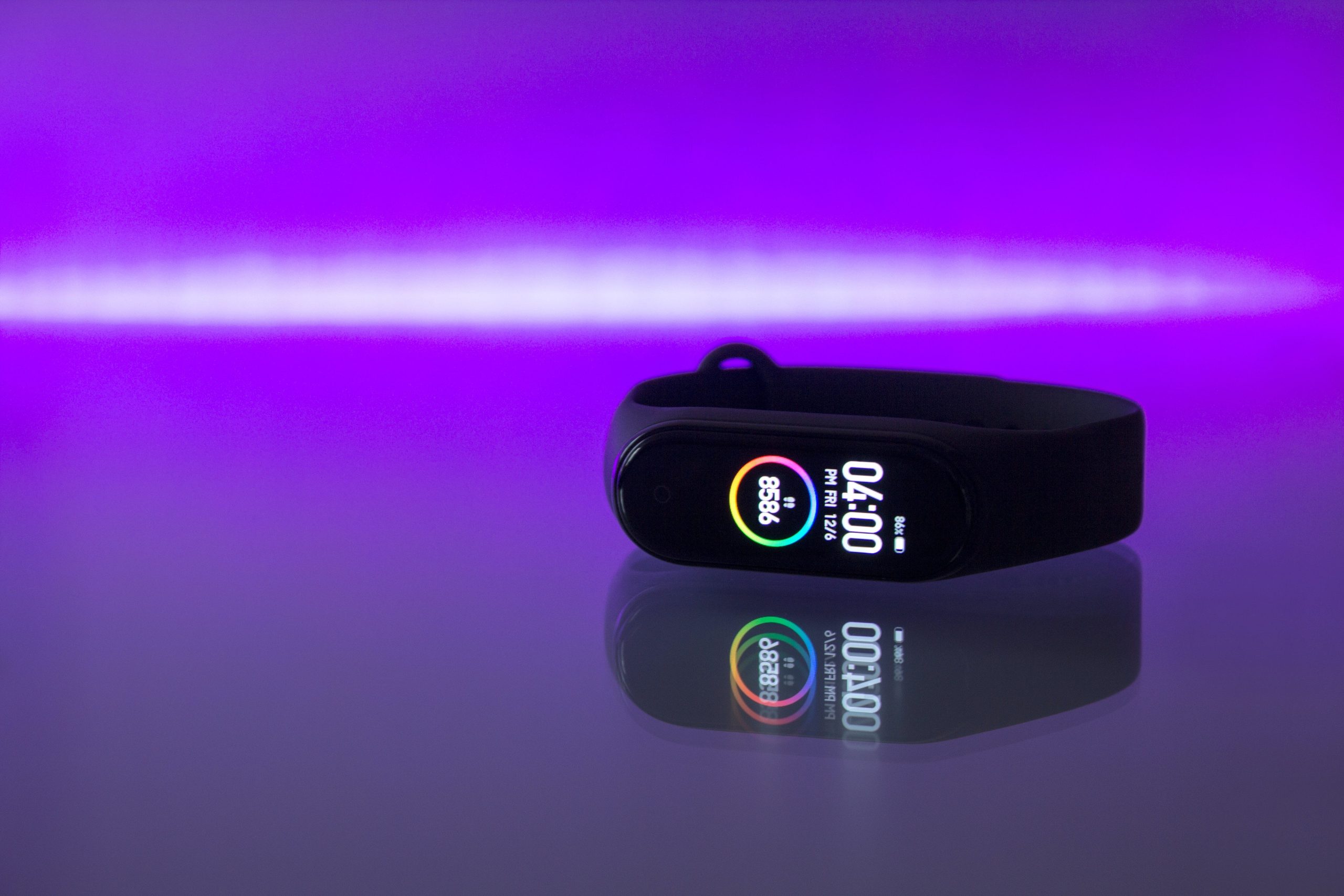
Have you ever wondered why wearable technology was created in the first place? These small devices, worn right on your body, have changed the way you track your health, stay connected, and even improve your daily life.
Understanding the reason behind their invention can help you appreciate how they fit into your routine—and why they might be more important to you than you think. Keep reading to discover the surprising story of wearable technology and how it was designed with your needs in mind.

Credit: medium.com
Origins Of Wearable Tech
Wearable technology was created to help people track health and stay connected easily. Early designs focused on convenience and hands-free use. This innovation aimed to blend technology with daily life seamlessly.
Early Innovations
The origins of wearable technology trace back to simple devices designed to assist humans in daily tasks. Think of the wristwatch—created not just to tell time but to keep it handy and accessible. This small innovation marked a shift toward integrating technology directly into what people wear.
Later, inventors added more complex functions. The hearing aid, for instance, helped millions improve their hearing discreetly. These early devices focused on solving practical problems while fitting seamlessly into everyday life.
What if your daily tools could become part of your clothing? Early innovators thought so, pushing technology beyond handheld gadgets. This mindset paved the way for the wearable tech we use today.
Influence Of Science Fiction
Science fiction has long shaped how you imagine the future of technology. Movies and books often presented wearable devices as extensions of human ability—like heads-up displays or smart glasses. These ideas fueled the curiosity of engineers and designers.
Take the concept of a smartwatch, for example. Science fiction imagined watches that did more than tell time—they connected you to information instantly. This vision inspired real-world tech companies to bring such ideas to life.
Have you ever wondered how much your favorite sci-fi story has influenced the gadgets you use? Many wearable technologies started as imaginative concepts before becoming practical tools in your daily life.
Credit: www.venture7.com
Key Problems It Solves
Wearable technology was created to solve everyday challenges. It helps people track health, stay connected, and work better. These devices fit on the body, making tasks simpler and faster. They bring practical solutions to common problems.
Health Monitoring
Wearables track vital signs like heart rate and sleep patterns. They alert users about health risks early. This helps people manage chronic conditions easily. Doctors get accurate data for better treatment. Fitness tracking motivates users to stay active and healthy.
Convenience And Connectivity
Wearables keep users connected without using hands. They show notifications, calls, and messages instantly. Users can control music or apps quickly. These devices reduce the need to check phones constantly. They make daily life smoother and more efficient.
Workplace Efficiency
Wearables improve communication among team members. They provide quick access to important information. Workers can monitor tasks and deadlines on the go. Safety features help prevent accidents in risky jobs. These tools boost productivity and reduce errors.
Technological Milestones
The journey of wearable technology is marked by key technological milestones that shaped how these devices evolved from simple gadgets to essential tools in daily life. Understanding these milestones helps you appreciate the innovation behind the devices you might already wear. Each step brought new possibilities and challenges that pushed the boundaries of what wearable tech can do.
First Wearable Devices
The earliest wearable devices emerged in the 1960s and 1970s, primarily as experimental gadgets. One notable example is the calculator watch introduced in the 1980s, which combined timekeeping with basic computing. These initial devices were bulky and limited but laid the groundwork for making technology physically close to the user.
Imagine carrying a calculator on your wrist before smartphones existed—it was about convenience and quick access to information. These first devices showed the potential to blend technology into everyday accessories.
Advancements In Sensors
The real breakthrough came with the development of compact, accurate sensors. Heart rate monitors, accelerometers, and gyroscopes allowed wearables to collect detailed health and movement data. These sensors made devices smarter and more useful for fitness and medical applications.
Wearable sensors turned technology into a personal assistant that tracks your well-being without needing constant input. Have you ever wondered how your smartwatch knows when you’re jogging or resting? That’s the sensor technology working silently for you.
Integration With Smartphones
Connecting wearables to smartphones was a game-changer. This integration expanded the functionality of wearables by allowing them to display notifications, control music, and sync data seamlessly. It transformed wearables from standalone gadgets into extensions of your phone.
Now, you can check messages or control apps without pulling out your phone—making daily tasks smoother. How could your routine change if your wearable and smartphone worked together even more intuitively?
Impact On Daily Life
Wearable technology has reshaped how you interact with the world every day. It’s no longer just about gadgets; it’s about enhancing your daily experiences. From tracking your health to keeping you connected and safe, wearables have become a part of your routine in ways you might not even notice.
Fitness And Wellness
Wearable devices like smartwatches and fitness bands help you monitor your physical activity effortlessly. They track steps, heart rate, and sleep patterns, giving you real-time data to improve your health. Have you ever noticed how a small vibration reminding you to move can make a big difference in your day?
These devices also encourage healthier habits by setting goals and celebrating achievements. This kind of feedback can motivate you more than just relying on memory or willpower. Imagine having a personal coach on your wrist pushing you to do better every day.
Communication Enhancements
Wearables keep you connected without pulling out your phone constantly. Notifications, calls, and messages come straight to your wrist, making communication smoother and more discreet. This means you can stay focused on what you’re doing while never missing important updates.
Think about times when you needed to check your phone but couldn’t—wearables fill that gap perfectly. They help you respond quickly, whether you’re in a meeting, driving, or just on the move. How often do you find this convenience making your life easier?
Safety And Security
Wearable technology plays a crucial role in keeping you safe. Devices with GPS tracking and emergency alert features can notify loved ones or authorities if you’re in trouble. This is especially important for children, elderly family members, or anyone with health risks.
Some wearables also monitor your vital signs continuously, alerting you to potential health issues before symptoms appear. This kind of early warning can be life-saving. Do you feel more secure knowing help is just a button press away on your wrist?
Future Directions
The future of wearable technology points to smarter, more connected devices. These devices will offer deeper insights and better support for daily life. Advancements focus on improving user experience and expanding wearable functions.
Wearables will blend more with artificial intelligence to offer personalized help. They will also integrate with augmented reality to create new ways to interact. Health care will see personalized monitoring and early alerts from these devices.
Ai And Wearables
Artificial intelligence will make wearables smarter and more adaptive. Devices will learn user habits and provide tailored suggestions. Real-time data analysis will improve fitness tracking and safety alerts. AI will also help reduce false alarms and increase device accuracy.
Augmented Reality Integration
Augmented reality will add visual layers to wearable devices. Users can see information overlaid on their surroundings. This will enhance navigation, gaming, and work tasks. AR wearables will improve hands-free interaction and user engagement.
Personalized Healthcare
Wearables will offer custom health insights based on individual data. Continuous monitoring will detect early signs of illness or stress. Devices will guide users with personalized tips for better health. Remote care and telemedicine will become more effective with wearable support.

Credit: www.happiestminds.com
Frequently Asked Questions
Why Was Wearable Technology Originally Created?
Wearable technology was created to enhance convenience and improve health monitoring. It aimed to provide real-time data on fitness, vital signs, and daily activities. Early inventions targeted hands-free communication and personalized user experience, making technology more accessible and integrated into daily life.
How Does Wearable Technology Benefit Daily Life?
Wearable technology benefits daily life by tracking health, improving fitness, and enabling quick access to information. It promotes better lifestyle choices and increases productivity. Users can monitor their heart rate, sleep quality, and receive notifications without checking their phones constantly.
What Problems Did Wearable Technology Solve?
Wearable technology solved issues like limited mobility, inefficient health tracking, and communication barriers. It eliminated the need to carry multiple devices. Wearables provide hands-free operation and instant data, enhancing safety and convenience in various activities and environments.
Who Invented The First Wearable Technology?
The first wearable technology was invented by Steve Mann in the 1980s. He developed a wearable computer to augment human vision. His innovation laid the foundation for modern smartwatches and fitness trackers by integrating computing with wearable accessories.
Conclusion
Wearable technology exists to enhance daily life. It aids health monitoring, communication, and convenience. Devices like smartwatches simplify tasks. They provide quick access to information. Health trackers help people stay fit. Monitoring vital signs is now easier. Wearables also improve safety and connectivity.
They bring people closer to technology. The invention of wearables fulfills a growing need. A need for seamless integration in daily routines. They offer practical solutions for modern challenges. Wearable technology continues to evolve. It promises more benefits in the future.
Its purpose remains clear: to improve human life.
Leave a Reply