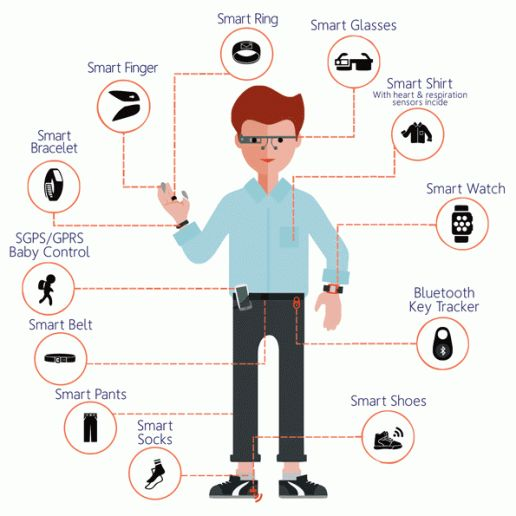
Have you ever wondered who actually uses wearable technology? You might think it’s just for fitness fans or tech lovers, but the truth is far more surprising.
Wearable devices have found their way into many lives—maybe even yours—helping people stay connected, track health, and boost productivity. If you want to discover whether wearable tech fits into your lifestyle, keep reading. This article will show you exactly who benefits from these gadgets and why they might be the perfect addition to your daily routine.
Credit: www.fortunebusinessinsights.com
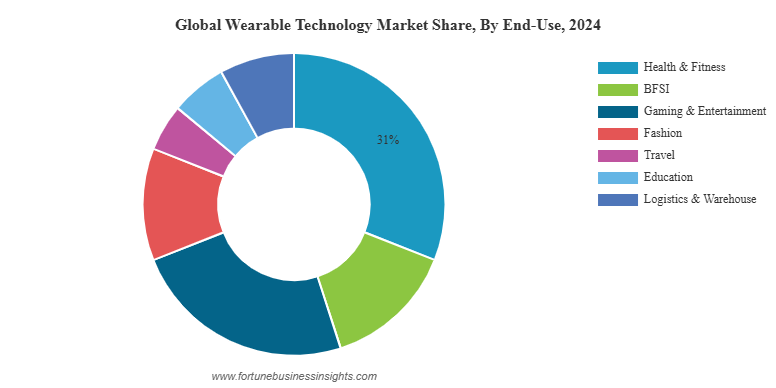
Wearable Tech In Fitness
Wearable technology has become a key part of fitness routines. These devices help people track their progress and stay motivated. They offer real-time data that supports healthier choices and better workouts. Fitness enthusiasts, from beginners to athletes, rely on wearable tech to reach their goals.
Tracking Workouts And Activity
Wearables record steps, distance, and calories burned. They monitor different exercises like running, cycling, and swimming. Users can see their daily activity levels at a glance. This helps maintain consistency and encourages movement throughout the day.
Monitoring Health Metrics
Many devices track heart rate, sleep quality, and oxygen levels. This data shows how the body responds to exercise and rest. It can alert users to potential health issues early. Tracking these metrics helps users make better lifestyle choices.
Enhancing Performance
Wearable tech provides feedback to improve technique and stamina. Some devices suggest personalized workouts based on user data. Athletes use this information to train smarter and avoid injury. It makes every workout more effective and focused.
Credit: www.fortunebusinessinsights.com
Healthcare Applications
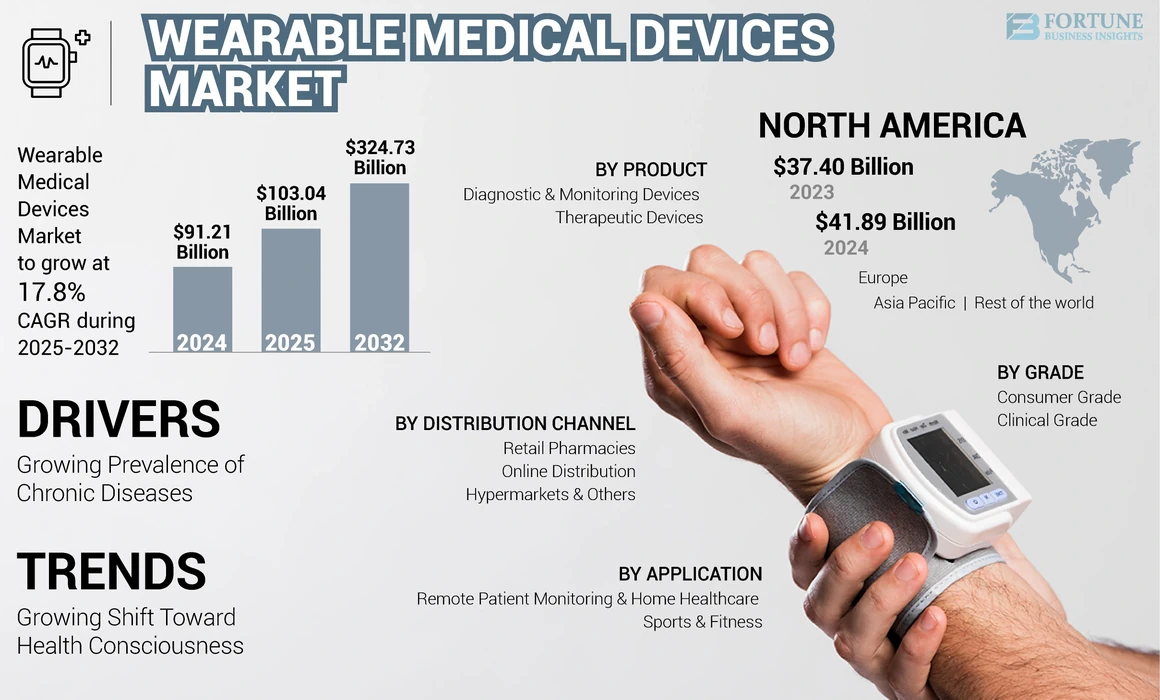
Wearable technology is becoming a vital tool in healthcare, helping both patients and providers manage health more effectively. These devices collect real-time data, allowing for continuous monitoring and quicker responses to medical needs. Their use extends beyond fitness tracking to critical health applications that can improve outcomes and save lives.
Remote Patient Monitoring
Wearables allow doctors to keep an eye on patients without the need for frequent office visits. Devices like smartwatches and sensors can track vital signs such as heart rate, blood pressure, and oxygen levels. This constant stream of data helps detect potential health issues early, often before symptoms become severe.
Imagine being able to share your health stats instantly with your doctor after a tough workout or during a bad day. This kind of monitoring puts you in control and keeps your healthcare provider informed, making care more personalized and timely.
Chronic Disease Management
Managing chronic illnesses like diabetes, asthma, or heart disease requires constant attention. Wearable tech simplifies this by reminding you to take medication, tracking symptoms, and alerting you when something is off. Some devices even analyze trends over time, helping you and your doctor adjust treatments effectively.
Think about how a simple alert on your wrist could prevent a dangerous drop in blood sugar or catch an irregular heartbeat early. These small interventions can make a big difference in maintaining your health and avoiding hospital visits.
Emergency Response Features
Wearables can act as a lifeline during emergencies. Many come equipped with fall detection, automatic SOS alerts, and GPS tracking. If you experience a sudden health crisis, the device can notify emergency services and loved ones instantly.
Have you considered how quick help could arrive if you were unable to call for yourself? This feature offers peace of mind, especially for seniors or those with severe health conditions, ensuring help is never far away.
Wearables In The Workplace
Wearable technology is becoming common in many workplaces. These devices help companies keep workers safe, improve work speed, and make talking easier. Many industries use wearables, from factories to offices.
Improving Employee Safety
Wearable devices can track workers’ health and environment. Sensors detect harmful gases, extreme temperatures, or falls. Alerts notify both the worker and the safety team fast. This quick warning helps prevent serious injuries.
Some wearables monitor heart rate and fatigue. They warn workers to rest before accidents happen. This technology is useful for jobs in construction, mining, and healthcare.
Boosting Productivity
Wearables help workers finish tasks faster. Smart glasses show instructions without stopping work. Wristbands track movements to find better work methods.
Data from wearables lets managers see where delays happen. They can adjust schedules or tools to save time. This helps companies reach goals on time.
Facilitating Communication
Wearable devices keep teams connected, even far apart. Voice commands and quick messages help workers share updates instantly. This reduces misunderstandings and keeps projects on track.
Hands-free communication is useful in noisy or busy places. Workers can focus on tasks without stopping to use phones. This makes teamwork smoother and faster.
Usage Among Gamers And Tech Enthusiasts
Wearable technology has gained strong popularity among gamers and tech enthusiasts. These users adopt wearables to enhance their digital worlds and daily tech experiences. The devices offer new ways to engage, interact, and improve skills.
Immersive Experiences
Wearables create a deeper connection to games and apps. Smart gloves, headsets, and suits allow users to feel actions and movements. This leads to more realistic and exciting gameplay. Gamers can sense touch, motion, and environment changes directly.
Augmented And Virtual Reality
AR and VR headsets are common wearables for tech fans. They blend real and virtual worlds or create full 3D environments. Players explore new places and solve puzzles with natural gestures. These devices offer fresh ways to enjoy stories and challenges.
Performance Tracking
Wearables also help track player performance and health. Sensors monitor heart rate, reaction time, and movement accuracy. This data helps gamers improve their skills and avoid strain. Tech lovers use it to fine-tune their routines and setups.
Benefits For Seniors
Wearable technology offers seniors a new level of safety and comfort that can directly impact their quality of life. These devices are designed to support daily living by providing timely information and quick responses during emergencies. The benefits extend beyond convenience, offering peace of mind for both seniors and their families.
Fall Detection
One of the most valuable features for seniors is fall detection. Wearables can sense sudden movements or impacts and automatically alert emergency contacts or medical services. This quick response can be life-saving, especially if you live alone or spend a lot of time without immediate help nearby.
Imagine the difference it makes knowing help is just a button press or automatic alert away. Have you ever thought about how fast you could get assistance if you experienced a fall?
Health Monitoring
Wearable devices track important health metrics like heart rate, blood pressure, and sleep patterns. This continuous monitoring helps you and your healthcare provider catch potential issues early. You can also see daily trends that encourage healthier habits.
For instance, noticing irregular heartbeats or changes in blood pressure can prompt timely doctor visits. How often do you check your vital signs now, and could a wearable make this easier?
Enhanced Independence
Wearables help seniors maintain independence by providing support without being intrusive. You can stay active and connected while feeling secure about your health and safety. Devices that remind you to take medication or alert you to upcoming appointments help manage everyday tasks.
Having these tools means you can focus more on enjoying life and less on worrying about what might happen. What activities would you do more confidently if you had reliable tech support on your wrist?
Wearable Devices For Children
Wearable devices for children offer practical tools for parents and guardians. These gadgets help keep kids safe and healthy while giving parents peace of mind. They are designed with simple features suitable for young users. Many devices combine safety, health, and control functions in one compact design.
Safety And Location Tracking
Wearable devices often include GPS tracking to know a child’s location. Parents can check real-time locations through a smartphone app. Some devices send alerts if a child leaves a safe zone. These features protect children from getting lost or wandering into danger. Tracking helps parents respond quickly in emergencies.
Health And Activity Monitoring
Many wearables track daily activity like steps and sleep patterns. They encourage children to stay active and develop healthy habits. Some devices measure heart rate and other health signs. This data helps parents understand their child’s physical condition. It also motivates kids to enjoy exercise and rest properly.
Parental Controls
Wearable technology often includes parental control settings. Parents can limit phone calls and messages to trusted contacts only. Controls also restrict app usage and screen time on connected devices. This keeps children safe from unwanted communication and distractions. Parental controls create a safer digital environment for kids.
Emerging Trends In Wearables
Wearable technology is evolving fast, changing how people interact with devices daily. New trends push wearables beyond simple fitness tracking, making them smarter and more integrated into our lives. Let’s look at some of the exciting directions wearable tech is heading and how you might soon use these advances.
Smart Clothing And Accessories
Imagine wearing clothes that monitor your health or adjust to temperature changes automatically. Smart fabrics now can sense your heart rate, muscle activity, or even posture. These innovations help athletes improve performance and assist people managing chronic conditions without bulky devices.
Accessories like smart rings and bracelets are becoming stylish yet functional. They can track sleep, stress levels, and even alert you to important notifications discreetly. How would integrating these subtle wearables into your daily wardrobe change the way you stay connected?
Ai Integration
Artificial intelligence is making wearables more intuitive and personalized. Devices can learn your habits, predict needs, and offer tailored advice. For example, some smartwatches now suggest workout routines based on your energy levels and recovery rates.
This AI-driven approach means wearables can act like your personal coach or health assistant. Instead of just collecting data, they help you make smarter decisions in real time. What if your wearable could warn you about health issues before you even notice symptoms?
Future Possibilities
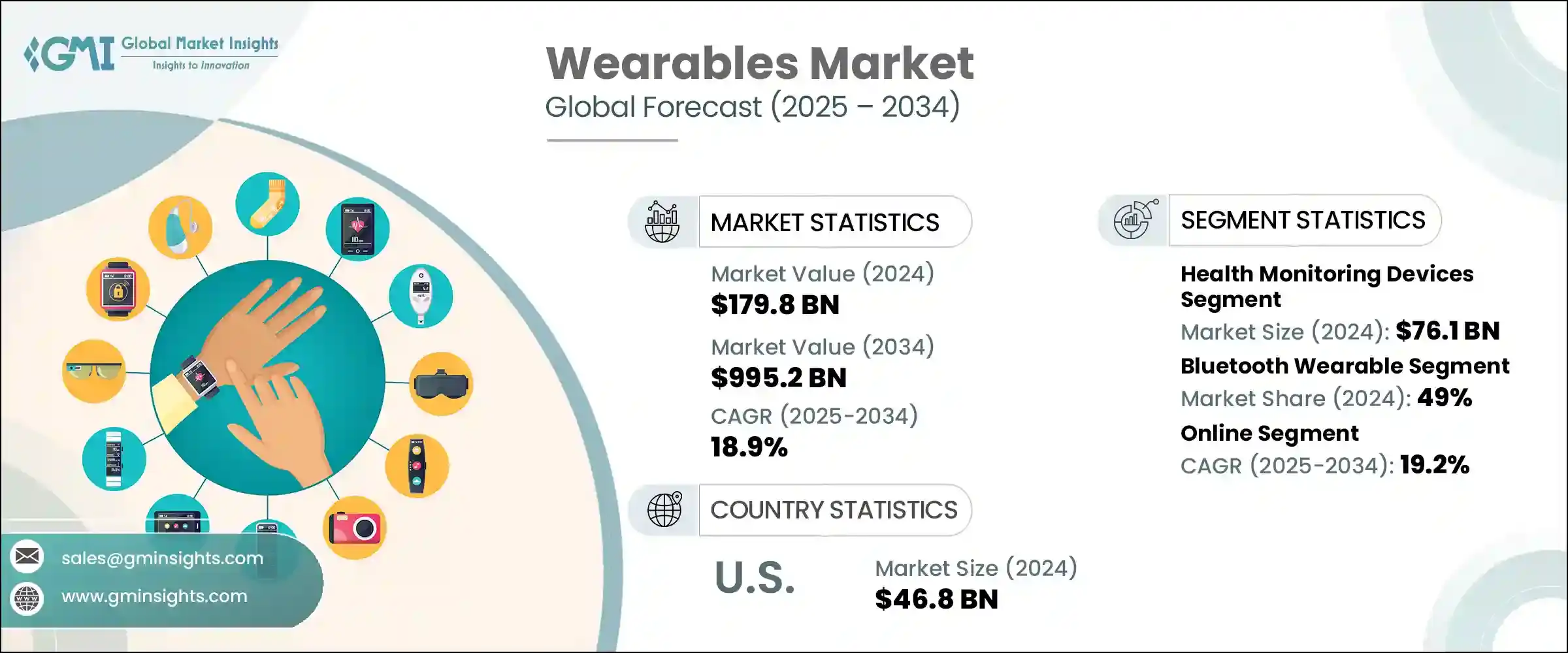
The future of wearables holds fascinating possibilities that stretch beyond current imagination. Technologies like flexible displays and bio-implantable sensors could make wearables practically invisible yet incredibly powerful. You might soon have devices that blend seamlessly with your skin or even enhance your senses.
As these trends develop, consider what you would want your wearable to do for you. Would you prefer more health monitoring, better communication tools, or something completely new? Your needs will shape the next wave of wearable technology innovations.
Credit: www.gminsights.com
Frequently Asked Questions
Who Primarily Uses Wearable Technology Today?
Wearable technology is widely used by fitness enthusiasts, healthcare patients, and tech-savvy consumers. It helps track health, improve fitness, and stay connected on the go.
How Do Athletes Benefit From Wearable Devices?
Athletes use wearables to monitor heart rate, track workouts, and analyze performance. This data helps optimize training and prevent injuries effectively.
Can Healthcare Professionals Use Wearable Technology?
Yes, healthcare professionals use wearables to monitor patient vitals remotely. This technology improves patient care and enables early detection of health issues.
Are Wearable Devices Popular Among Everyday Users?
Everyday users wear devices to track steps, sleep, and notifications. They enjoy convenience, health insights, and easy access to digital information.
Conclusion
Wearable technology attracts diverse users from athletes to seniors. Athletes track performance and health. Busy professionals monitor fitness and productivity. Healthcare providers use it for patient monitoring. Seniors benefit from safety features and health alerts. Students use wearables for learning and organization.
Everyday users enjoy fitness tracking and convenient notifications. Wearables offer something for everyone, providing valuable insights and convenience. As technology advances, even more people will find uses for wearables. Embracing wearable tech can lead to healthier, more connected lives. It’s clear that wearable technology continues to grow in popularity and utility across various groups.
Leave a Reply