Have you ever wondered what makes wearable biosensors so powerful and smart? These tiny devices do more than just track your steps or heart rate—they use cutting-edge technology to keep a close eye on your health in real time.
But what exactly drives these amazing gadgets behind the scenes? Understanding the key technological forces will not only help you appreciate how they work but also show you how they can transform your daily health routine. Keep reading to discover the fascinating tech that powers wearable biosensors and how it can benefit your life.
Key Technologies In Wearable Biosensors
Wearable biosensors rely on several key technologies to deliver accurate health data. These technologies make sensors smaller, more flexible, and more energy-efficient. Each innovation plays a vital role in improving user comfort and device performance.
Flexible Electronics
Flexible electronics allow sensors to bend and stretch with the body. These circuits use thin, flexible materials instead of rigid components. This flexibility helps sensors fit comfortably on skin or clothing. It also improves durability during movement.
Advanced Sensor Materials
New materials enhance sensor sensitivity and selectivity. Nanomaterials, such as graphene and carbon nanotubes, detect tiny biological signals. These materials improve accuracy and speed of measurements. They also reduce power consumption.
Miniaturized Components
Miniaturization shrinks sensor parts to microscopic sizes. Smaller components fit into compact, wearable designs. This allows devices to be lightweight and discreet. Miniaturized electronics also enable multi-function sensors in one device.
Energy Harvesting Solutions
Energy harvesting captures power from body heat, movement, or light. This reduces the need for frequent battery changes or charging. Wearable biosensors with energy harvesting run longer and stay active continuously. It enhances convenience and reliability.

Credit: advanced.onlinelibrary.wiley.com
Innovations In Data Processing
Innovations in data processing are transforming how wearable biosensors deliver value. These advances allow devices to handle vast amounts of health data quickly and efficiently, making your health monitoring more accurate and immediate. Let’s look at the key technologies driving this change and how they impact your wearable experience.
Edge Computing Integration
Edge computing brings data processing closer to where data is collected—right on your wearable device or nearby. This reduces the time it takes to analyze information, allowing faster responses without relying on cloud servers. Have you noticed how some fitness trackers give instant feedback? That’s edge computing at work.
This setup also enhances privacy since sensitive health data doesn’t always need to leave your device. It means fewer delays and better security for your personal information.
Ai And Machine Learning
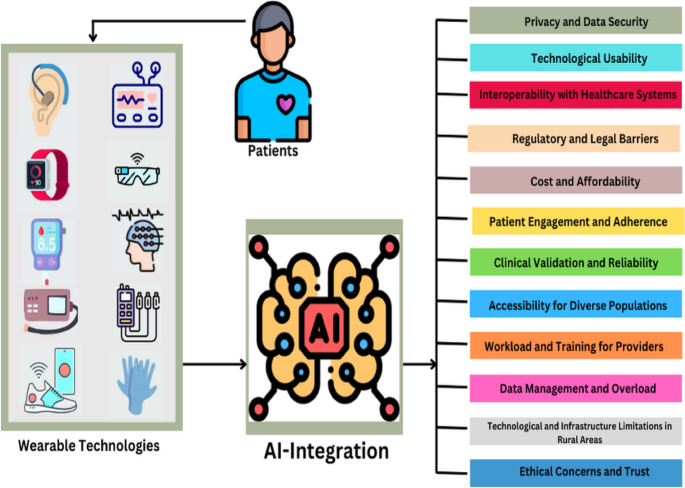
Artificial intelligence and machine learning enable wearables to learn from your data patterns over time. These technologies help the device recognize abnormal signs, predict potential health issues, and personalize recommendations just for you. For example, AI can detect irregular heartbeats that you might miss during your daily routine.
By constantly improving through your data, these systems make wearables smarter and more responsive. How much more useful would your device be if it could anticipate your health needs before you do?
Real-time Data Analytics
Real-time data analytics processes information as it arrives, giving you up-to-the-second insights. This capability turns your wearable into a proactive health companion, alerting you instantly if something unusual happens. Imagine getting a warning about dehydration during your workout—this immediate feedback can help you act quickly.
Such analytics require powerful algorithms and efficient hardware working together seamlessly. The result is a smoother, more interactive experience that keeps you informed and in control of your health.
Connectivity Enhancements
Connectivity enhancements play a key role in the growth of wearable biosensors. These devices rely on strong, fast, and reliable connections to send health data seamlessly. Advances in wireless technology allow real-time monitoring and better user experiences. Better connectivity enables continuous data flow from sensors to healthcare providers or apps.
5g And Iot Networks
5G networks offer high speed and low latency connections. These features support instant data transfer from wearable biosensors. 5G also allows many devices to connect simultaneously without slowing down.
Internet of Things (IoT) networks link various devices to share health data. IoT creates a smart ecosystem where biosensors communicate with phones and medical systems. This network improves remote monitoring and quick response to health changes.
Bluetooth And Low Energy Protocols
Bluetooth technology connects biosensors to mobile devices without wires. Low Energy (LE) Bluetooth saves battery life, making wearables last longer. This protocol is essential for continuous health tracking throughout the day.
Its short-range connection is stable and uses minimal power. Bluetooth LE supports easy pairing and data exchange between devices and apps.
Cloud Data Synchronization
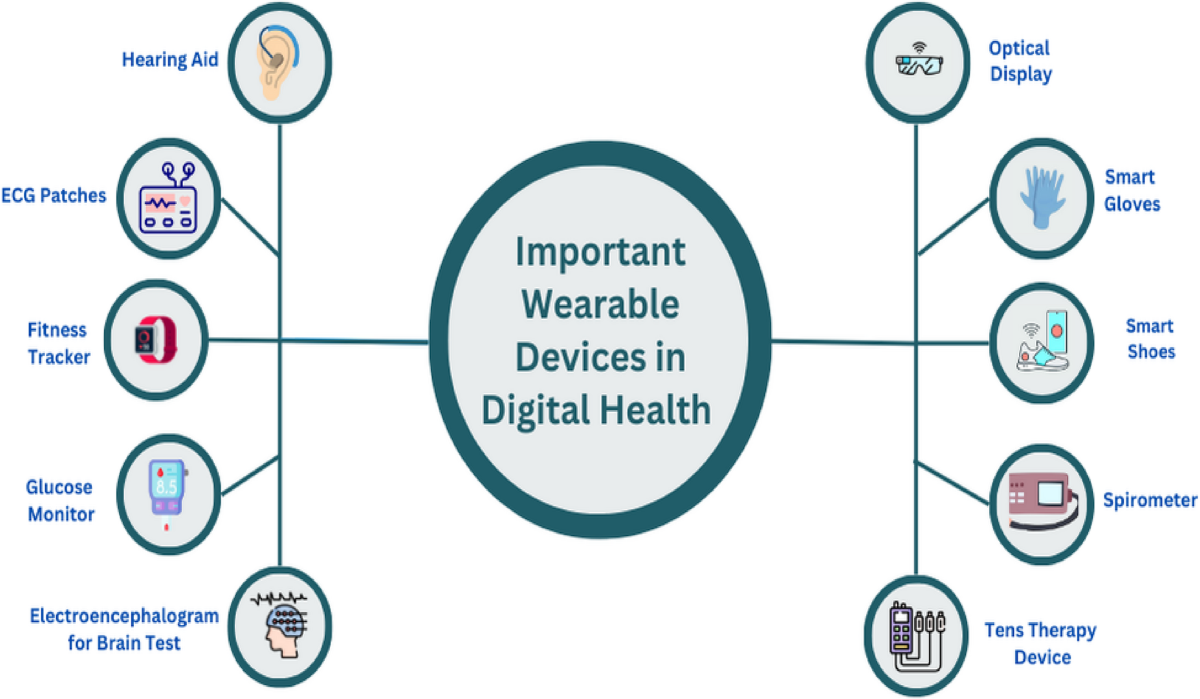
Cloud platforms store and sync data collected by biosensors. Users access their health information anytime, from any device. Cloud syncing ensures data safety and prevents loss during device changes.
It also allows healthcare providers to analyze data remotely. This helps in faster decision-making and better patient care.
Credit: journalofcloudcomputing.springeropen.com
Power Management Advances
Power management is a key factor in wearable biosensors. It ensures devices run longer and work reliably. Advances in this area help reduce size and improve user comfort. Efficient power use also supports continuous health monitoring without frequent charging.
Battery Technology Improvements
New battery materials extend device life and reduce weight. Lithium-polymer and solid-state batteries offer higher capacity. These batteries are safer and fit better in small devices. Longer-lasting batteries mean fewer interruptions for users.
Wireless Charging Methods
Wireless charging adds convenience for wearable biosensors. Users can recharge devices without cables or plugs. Technologies like inductive and resonant charging are common. This reduces wear and tear on charging ports and improves water resistance.
Energy-efficient Circuit Design
Low-power circuits minimize energy use in biosensors. Designers optimize components to reduce power drain. Sleep modes and power gating extend battery life. Efficient circuits allow devices to collect data continuously without quick battery loss.
User Experience And Design
User experience and design play a crucial role in the success of wearable biosensors. These devices must blend technology with comfort and style to encourage regular use. Users expect wearables to fit naturally into their daily lives without causing discomfort or confusion.
Good design goes beyond looks. It focuses on how the device feels on the body and how easy it is to use. Designers work to create products that users want to wear for long hours. This requires careful attention to ergonomics, aesthetics, and interface design.
Ergonomic And Aesthetic Design
Wearable biosensors must match the shape and movement of the human body. Ergonomic design ensures the device does not irritate or restrict motion. It fits snugly but gently, avoiding pressure points or chafing.
Aesthetic design makes the device attractive and stylish. A good look encourages people to wear the sensor openly. Colors, materials, and shapes are chosen to suit different tastes and lifestyles.
Wearability And Comfort
Comfort is key for wearables used over long periods. Lightweight materials reduce fatigue. Breathable fabrics prevent sweat buildup and skin irritation.
Adjustable straps or flexible bands help users find the perfect fit. Water resistance and durability also contribute to daily wearability. The goal is a device that users forget they are wearing.
User-friendly Interfaces
Interfaces must be simple and clear. Small screens with readable text and icons improve usability. Touch controls and voice commands make interaction easy.
Apps connected to biosensors provide clear, actionable information. Notifications and alerts must be timely without being annoying. User-friendly interfaces reduce frustration and increase engagement.
Credit: journalofcloudcomputing.springeropen.com
Future Trends In Wearable Biosensors
The future of wearable biosensors is shaping up to be incredibly exciting and practical for everyday users. These devices are becoming more than just gadgets; they’re evolving into essential health partners that fit seamlessly into your daily life. Understanding the upcoming trends can help you anticipate how these technologies will support your health goals and lifestyle.
Integration With Smart Textiles
Imagine clothing that monitors your health without you even noticing. Smart textiles embed biosensors directly into fabrics, turning your shirt or wristband into a real-time health tracker.
This integration means comfort and convenience improve dramatically. You won’t have to remember to wear a separate device because your clothes will do the job for you.
Have you ever thought about your shirt checking your heart rate during a workout? That’s closer than you might think.
Multimodal Sensing Capabilities
Future wearable biosensors won’t just track one thing—they’ll monitor multiple health indicators at once. Combining data like heart rate, sweat composition, and body temperature gives you a fuller picture of your wellbeing.
This multimodal approach can catch health changes early, offering timely alerts. It’s like having a mini-lab on your wrist that keeps an eye on everything important.
Would you trust a device that can detect dehydration, stress, and muscle fatigue all at once? This is where biosensors are heading.
Personalized Health Monitoring
Wearable biosensors will tailor their feedback and recommendations based on your unique body signals. This means more accurate and relevant health insights, rather than one-size-fits-all advice.
Imagine a device that learns your normal patterns and alerts you only when something unusual happens. This reduces false alarms and keeps your focus on what truly matters.
How much better would you feel knowing your device understands your body as well as you do?
Frequently Asked Questions
What Are Wearable Biosensors Made Of?
Wearable biosensors use materials like flexible electronics, biocompatible polymers, and nanomaterials. These enable accurate and comfortable health monitoring on the skin.
How Do Wearable Biosensors Detect Physiological Signals?
They use sensors that measure electrical, chemical, or optical signals from the body. These signals are converted into digital data for analysis.
What Role Does Ai Play In Wearable Biosensors?
AI analyzes the collected data to detect patterns and predict health trends. It enhances accuracy and provides personalized health insights.
Why Is Wireless Connectivity Important For Wearable Biosensors?
Wireless tech enables real-time data transmission to smartphones or cloud servers. This allows instant monitoring and remote healthcare management.
Conclusion
Wearable biosensors are changing health monitoring. They provide real-time data. This helps in early detection of health issues. Advances in sensor technology make them more accurate. Smaller designs improve comfort and usability. Wireless connectivity offers seamless integration with devices. Power-efficient batteries extend their use.
Continuous innovation drives these advancements. Wearable biosensors will become more common. They offer potential benefits for many. From fitness tracking to chronic disease management. Understanding their impact is crucial. They represent a step forward in personal health care. Exciting possibilities lie ahead.
Stay informed and explore their potential.
Leave a Reply