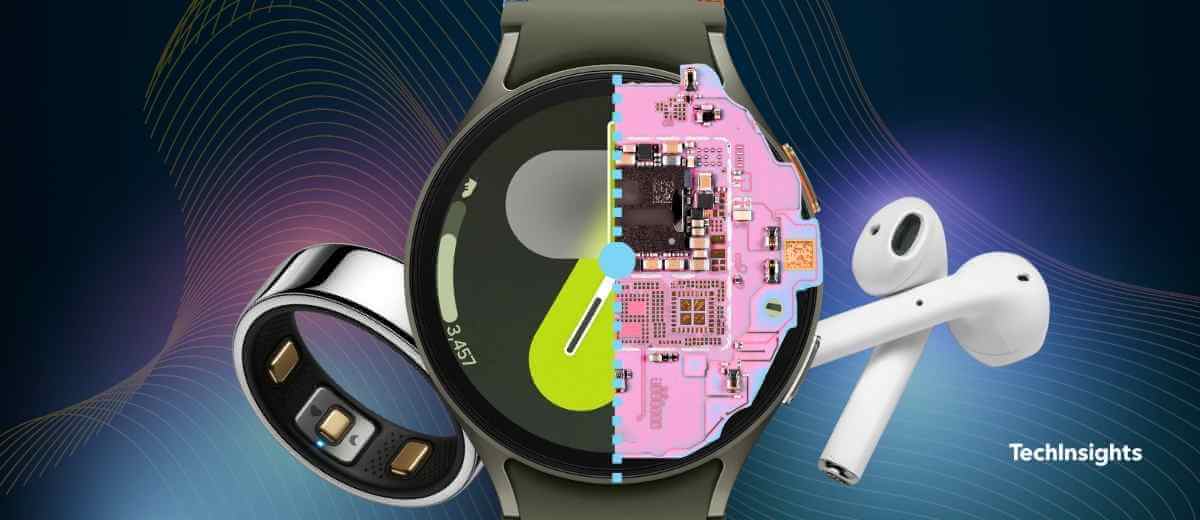
Have you ever wondered how your watch or glasses could do more than just tell time or improve vision? Wearable technology is changing the way you live, work, and stay healthy.
It’s not just a cool gadget—it’s becoming a part of your daily routine. But is this just a passing fad, or is wearable technology truly the future? Keep reading to discover how these smart devices could transform your life and why you should pay attention now.
Rise Of Wearable Tech
Wearable technology has moved from being a niche gadget to a mainstream tool that millions rely on daily. Its rise reflects how technology adapts to fit seamlessly into your life, offering convenience and new ways to monitor your health and stay connected. But how did wearable tech reach this point, and what does it mean for your future?
Early Innovations
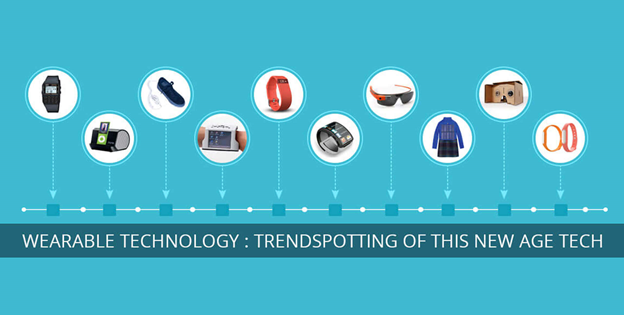
The first wearable tech devices were simple and limited, like the calculator watch in the 1980s. These early gadgets focused mainly on basic functions such as telling time or simple calculations.
Later, fitness trackers appeared, offering step counting and basic heart rate monitoring. These devices began to show the potential of wearables to support health and fitness goals in a practical way.
Current Market Leaders
Today, companies like Apple, Fitbit, and Garmin lead the wearable market with devices that do much more than track steps. You can monitor your sleep quality, get ECG readings, and even receive notifications on these compact devices.
Apple Watch, for instance, integrates fitness tracking with powerful health features and smart notifications, making it a versatile tool for many users. Fitbit focuses on user-friendly health tracking, while Garmin appeals to athletes with advanced performance metrics.
Consumer Adoption Trends
You might wonder how widely wearables are accepted and used. Data shows a steady increase in adoption, especially among health-conscious consumers and tech enthusiasts.
Wearables are no longer just for early adopters; many people now see them as everyday essentials. As these devices become more affordable and feature-rich, you may find yourself considering one to support your personal health and productivity.
Credit: www.tomsguide.com
Key Technologies Powering Wearables
Wearable technology is reshaping how you interact with the digital world. Behind every sleek smartwatch or fitness band lies a suite of advanced technologies working together to deliver real-time data and seamless connectivity. Understanding these key technologies helps you appreciate the innovation that makes wearables not just gadgets but essential tools for daily life.
Sensors And Biometric Tracking
Sensors are the heart of wearable devices. They collect data on your heart rate, steps, sleep patterns, and even stress levels. Imagine wearing a device that alerts you before your heart rate spikes dangerously—this is possible thanks to advanced biometric sensors.
Wearables use accelerometers, gyroscopes, and optical sensors to monitor movement and physiological changes. This technology allows you to track your health accurately without bulky equipment. Have you noticed how your smartwatch nudges you to move after sitting too long? That’s sensors at work, helping you stay active.
Battery And Power Solutions
Battery life often determines how useful a wearable is. You want a device that lasts all day without frequent recharging. Manufacturers are now using efficient lithium-polymer batteries and exploring energy-harvesting methods like solar charging or kinetic energy from your movement.
Some wearables even switch to low-power modes to extend battery life when you’re inactive. Think about how convenient it is when your device works uninterrupted during long trips or intense workout sessions. Do you find yourself frustrated when your device dies at the worst moment?
Connectivity Advances
Connectivity allows your wearable to sync with your smartphone or the cloud instantly. Technologies like Bluetooth Low Energy (BLE) minimize power use while maintaining a strong connection. This means your notifications, health stats, and music controls are always at your fingertips.
Newer wearables support LTE and 5G, enabling standalone operation without a phone. This freedom lets you leave your phone behind during runs or quick errands while staying connected. How much easier would your daily routine be with a truly independent wearable?
Impact On Health And Fitness
Wearable technology is reshaping how you understand and manage your health and fitness. These devices go beyond simple gadgets; they act as personal health assistants that provide real-time data and insights. You can use this information to make smarter choices about your well-being every day.
Personal Health Monitoring
Wearables track key health metrics like heart rate, sleep quality, and stress levels. Imagine catching irregular heartbeats early before they become serious problems. Many users report better sleep and reduced anxiety because they can monitor and adjust their habits based on clear data.
Do you know your resting heart rate right now? These devices help you stay aware of subtle changes in your health that might otherwise go unnoticed.
Fitness Tracking And Motivation
Tracking your steps, calories burned, and workout progress keeps you motivated. Seeing your progress on a screen can push you to take one more lap or add a few more reps. Some wearables even offer friendly competition with friends to keep you engaged.
Think about how your phone’s step counter motivates you to get moving. Wearables take that a step further by offering personalized goals and feedback tailored to your fitness level.
Medical Applications
Wearables are becoming valuable tools in medical care. They allow doctors to monitor patients remotely, reducing the need for frequent hospital visits. This can be especially helpful for managing chronic conditions like diabetes or hypertension.
Could your smartwatch someday alert you to a health issue before symptoms appear? The technology is moving in that direction, making healthcare more proactive and personalized.
Credit: medium.com
Wearables In Daily Life
Wearable technology is becoming a natural part of daily life for many people. These devices do more than just track steps or show notifications—they help you stay connected, informed, and efficient throughout your day. Let’s look at how wearables fit into your routine, whether you’re at home, out with friends, or working.
Smartwatches And Accessories
Smartwatches have moved beyond telling time. They monitor your health, remind you to move, and even manage calls and messages. Imagine checking your heart rate during a workout without pulling out your phone—that’s a real convenience.
Accessories like smart rings and fitness bands offer similar benefits but with a subtler look. You can wear them all day without feeling like you’re carrying extra gadgets. How often do you find yourself needing quick info without reaching for your phone?
Augmented Reality Devices
Augmented reality (AR) glasses and headsets add digital layers to the world around you. Whether you’re navigating a new city or learning a new skill, AR can provide instant guidance right in your line of sight. This hands-free access to information changes how you interact with your environment.
Think about trying to fix something at home while watching step-by-step instructions floating in front of you. Wouldn’t that save you from juggling tools and devices? AR wearables could soon be as common as smartphones.
Wearables For Work And Productivity
Wearable tech is reshaping how we work. Devices that track posture, remind you to take breaks, or provide quick access to calendars and emails keep you focused and healthy. When your wrist buzzes to signal a meeting, you stay on top of your schedule without interruption.
Some companies even use wearables to boost team collaboration and safety. Could your workplace benefit from smarter technology that helps you work better and feel better? These tools push productivity beyond the screen and into your daily habits.
Challenges Facing Wearable Tech
Wearable technology promises exciting possibilities, but it also comes with real challenges that could slow its growth. These hurdles are not just technical; they affect how you use and trust these devices every day. Understanding these challenges can help you make smarter choices about which wearables fit your lifestyle and needs.
Privacy And Data Security
Wearables collect a lot of personal information, from your heart rate to your location. This data can be very sensitive, and you need to be sure it’s protected. Have you ever wondered who else might see your health stats or activity logs?
Many devices send data to the cloud, increasing the risk of hacking or misuse. Companies must improve encryption and give you control over your data. You should ask yourself: do I trust this device with my private information?
Design And Comfort Issues
If a wearable is uncomfortable, you won’t wear it regularly, no matter how advanced it is. Some devices are bulky or cause skin irritation after long use. How often have you taken off a gadget because it just didn’t feel right?
Designers face the challenge of balancing features with comfort. Lightweight materials and adjustable straps help, but there’s still room for improvement. Your experience depends heavily on how well the device fits your daily routine.
Battery Life Limitations
Nothing is more frustrating than a wearable that dies halfway through your day. Battery life can be a major issue, especially in devices packed with sensors and screens. Have you ever missed an important notification because your device was out of power?
Improving battery technology is essential, but so is managing power consumption through software. Some wearables offer power-saving modes or quick charging to help you stay connected longer. Think about how often you’re willing to charge your device when choosing one.
Future Innovations To Watch
Wearable technology is evolving fast. New innovations will shape its future. These advances promise smarter, more useful devices. They will blend seamlessly into daily life. Here are key innovations to watch closely.
Flexible And Smart Fabrics
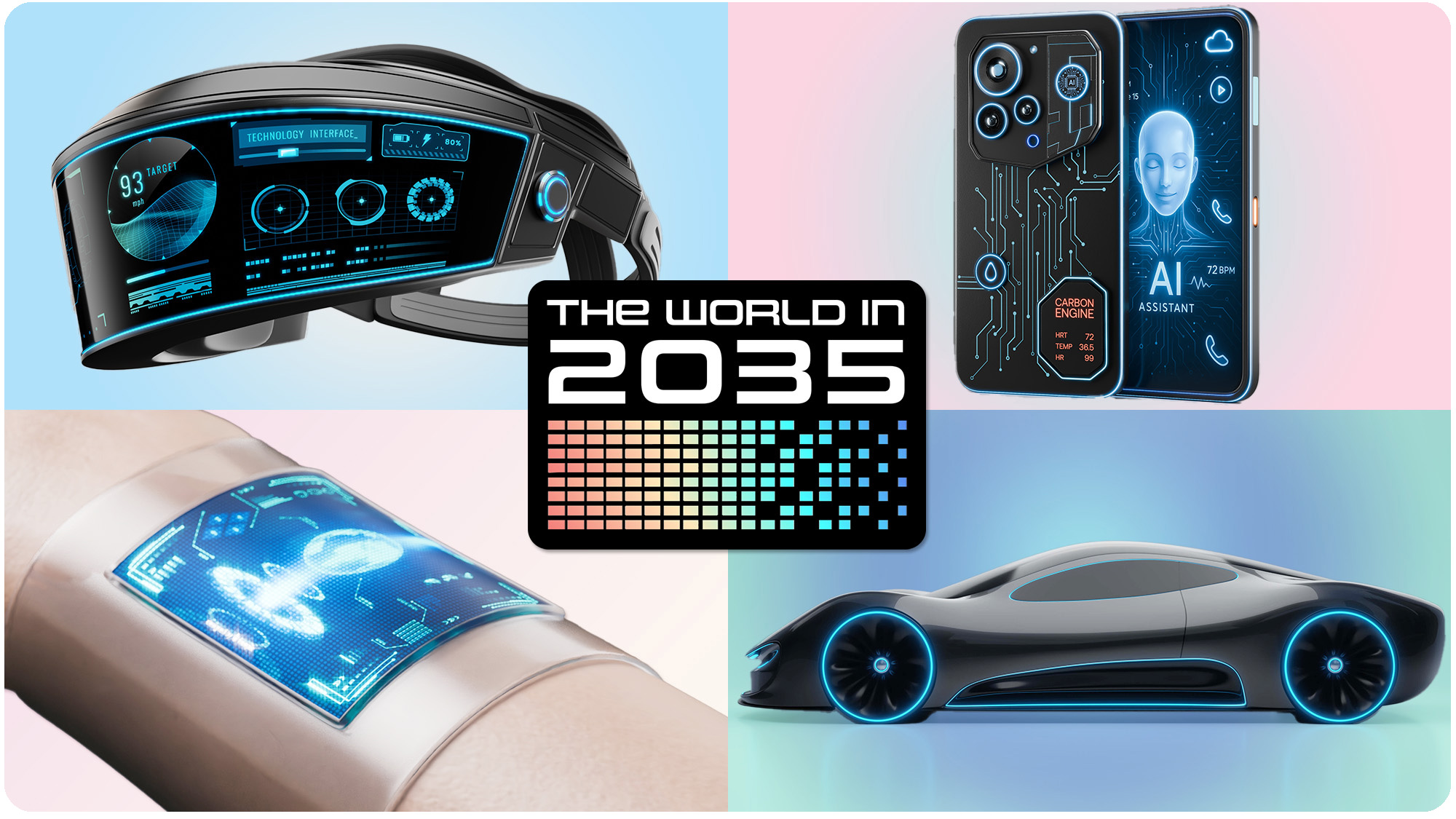
Smart fabrics are fabrics embedded with technology. They bend, stretch, and adapt to body movements. This makes wearables more comfortable and durable. Clothes could monitor health or change color. These fabrics may also power devices with body heat.
Ai Integration
Artificial intelligence will make wearables smarter. Devices will learn user habits and preferences. They can offer personalized advice and alerts. AI helps predict health issues early. It also improves voice and gesture controls for ease.
Health Diagnostics And Beyond
Wearables will move beyond simple fitness tracking. They will monitor vital signs like blood pressure and oxygen. Some may detect diseases before symptoms appear. This supports better health management and faster care. Future devices could even assist in medical treatments.
Market Growth And Predictions
The wearable technology market shows strong growth and exciting predictions. Demand for smartwatches, fitness trackers, and health monitors is rising fast. Consumers want devices that improve daily life and health. Businesses invest heavily in research and development. This drives innovation and new product launches. Market experts forecast steady expansion over the next decade.
Industry Forecasts
Experts predict the global market will grow by double digits yearly. By 2030, revenues could reach hundreds of billions of dollars. Health and fitness wearables will lead this surge. Advances in AI and battery life will boost device capabilities. Analysts expect more personalized and seamless user experiences. The rise of 5G networks will enhance connectivity and data speed. Market growth will also depend on regulatory support and data privacy laws.
Emerging Players
New companies enter the wearable tech field constantly. Startups focus on niche areas like medical monitoring and virtual reality. These players bring fresh ideas and innovative designs. Some focus on affordability to reach wider audiences. Others develop specialized devices for seniors or athletes. Established brands face increased competition from these newcomers. Partnerships and acquisitions are common as the market expands.
Global Adoption Rates
Wearable technology adoption varies across regions. North America and Europe lead due to high income and tech awareness. Asia-Pacific shows the fastest growth thanks to large populations. Emerging markets in Latin America and Africa are catching up. Smartphone penetration helps drive wearable device use worldwide. Younger generations embrace wearables more quickly than older ones. Health concerns and lifestyle trends push adoption further in many countries.

Credit: www.openpr.com
Frequently Asked Questions
What Is Wearable Technology?
Wearable technology refers to electronic devices worn on the body. These devices often track health and fitness metrics. Examples include smartwatches and fitness trackers. Wearables are becoming increasingly popular due to their convenience. They provide users with real-time data and insights.
Why Is Wearable Technology Trending?
Wearable technology is trending due to advancements in tech and design. These devices offer enhanced health monitoring features. They also integrate seamlessly with smartphones. Consumers appreciate the convenience and connectivity. The trend is also driven by the growing focus on personal health and wellness.
How Does Wearable Tech Impact Health?
Wearable tech positively impacts health by providing real-time monitoring. Devices track metrics like heart rate and steps. They encourage users to stay active and healthy. Wearables can detect abnormalities early, prompting medical consultation. This technology empowers individuals to take control of their health.
Are Wearables Secure For Personal Data?
Wearables pose some security risks, but improvements are ongoing. Manufacturers are enhancing data encryption and privacy settings. Users should stay informed about device security features. Regular software updates are crucial. It’s essential to understand and manage data-sharing settings for better security.
Conclusion
Wearable technology keeps growing in daily life. People use it to track health and stay connected. New devices get smarter and easier to use. This trend shows no signs of slowing down. It fits well with how we live today.
Expect more useful features in the near future. Wearables will likely become part of everyday routines. Simple, helpful, and always with you. The future looks bright for wearable tech.
Leave a Reply