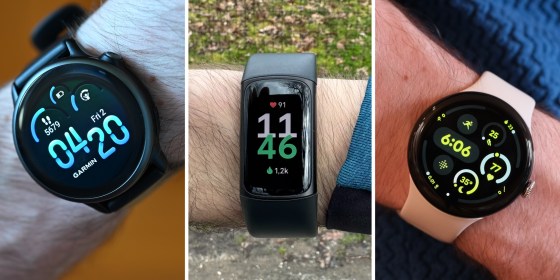
Are you ready to take control of your health in a smarter way? Choosing the best health wearable technology can feel overwhelming with so many options out there.
But what if you had a simple guide to help you find the perfect device that fits your lifestyle and keeps you motivated? This article will reveal which health wearables truly stand out, helping you track your fitness, monitor vital signs, and boost your well-being effortlessly.
Keep reading to discover how the right wearable can transform your daily health routine and bring real results you’ll notice.
Key Features To Consider
Choosing the best health wearable technology means looking closely at features that impact your daily use and long-term benefits. Not all devices are created equal, and understanding what matters most can save you time and money. Let’s break down the key features you need to consider before making your choice.
Accuracy And Sensors
The heart of any health wearable lies in its accuracy. The sensors track your steps, heart rate, sleep patterns, and sometimes even blood oxygen levels or ECG. If the data isn’t reliable, the insights won’t be either.
Look for devices with proven sensor technology and positive user reviews about accuracy. Some wearables use multiple sensors to cross-check data, which improves reliability. How confident would you feel relying on your device to alert you about health risks?
Battery Life
Battery life directly affects how often you need to charge your device, which can be frustrating if it’s too short. Some wearables offer just a day or two, while others last weeks on a single charge.
Consider your lifestyle—do you want to charge nightly or once every few weeks? Longer battery life means less interruption and more consistent tracking, especially during sleep or workouts.
Compatibility And Apps
Your wearable should work seamlessly with your smartphone or other devices. Check if it supports your phone’s operating system, whether it’s iOS or Android.
The companion app matters too. A user-friendly app with clear graphs, personalized insights, and goal-setting features can make a big difference. Would you prefer a simple app or one packed with advanced data analysis?
Design And Comfort
You’ll wear your health tracker all day, so comfort is essential. The device should fit well without causing irritation or getting in your way during activities.
Design also reflects your style—do you want something sleek and subtle or bold and sporty? Think about the materials too; some people prefer silicone bands, while others like leather or metal for a more polished look.
Top Health Wearables Of 2025
Health wearables have become essential tools for tracking wellness and fitness. The year 2025 offers devices that combine accuracy, comfort, and smart features. These wearables help users stay informed about their body and habits. Choosing the right device depends on individual health goals and budget. Below are the top health wearables of 2025, categorized by their strengths.
Best Overall Device
The best overall health wearable balances features, ease of use, and battery life. It tracks daily activity, heart rate, sleep, and more. This device offers a sleek design and integrates well with smartphones. Ideal for users wanting a reliable and comprehensive health companion.
Best For Fitness Tracking
Fitness-focused wearables provide detailed exercise data and motivation. They monitor steps, calories burned, workout intensity, and GPS routes. This device suits athletes and fitness enthusiasts aiming to improve performance. It often includes coaching and goal-setting tools.
Best For Heart Health
Heart health wearables deliver accurate heart rate monitoring and ECG features. They detect irregular rhythms and alert users to potential issues. This device is perfect for those with heart conditions or anyone wanting careful heart monitoring. It supports peace of mind through continuous tracking.
Best For Sleep Monitoring
Sleep trackers analyze sleep stages, duration, and quality. They identify disturbances and suggest ways to improve rest. This wearable helps users understand their sleep patterns better. It is useful for people struggling with sleep or seeking better recovery.
Best Budget Option
Budget health wearables offer essential tracking features at a low cost. They monitor steps, heart rate, and basic sleep data. This device is great for beginners or those with limited budgets. It provides good value without sacrificing core health monitoring functions.
Emerging Technologies In Health Wearables
Health wearable technology is evolving rapidly, bringing new tools that can change how you monitor and manage your well-being. Emerging technologies are pushing the limits of what wearables can do, making them more accurate, personalized, and integrated with your daily life. These innovations are not just gadgets; they are becoming essential companions for maintaining health.
Advanced Biometric Sensors
New biometric sensors can track a wide range of body signals with impressive precision. These sensors go beyond heart rate and steps, measuring things like hydration levels, blood oxygen, and even stress markers. Imagine having a device that alerts you when your body shows early signs of illness, giving you a chance to act quickly.
Some sensors now use light and electrical signals to provide continuous, real-time data without discomfort. This means you can wear your device all day and night without interruptions. The result is a clearer picture of your health trends over time.
Ai And Machine Learning Integration
Artificial intelligence in wearables is not about replacing doctors but about giving you smarter insights. AI analyzes your data patterns and predicts potential health risks before they become serious problems. It can also tailor recommendations based on how your body responds to activity, sleep, and diet.
Machine learning helps the device improve its accuracy the more you use it. It learns your unique patterns, so alerts become more relevant and less annoying. Have you noticed your wearable getting better at understanding your habits over weeks or months?
Wearables For Chronic Disease Management
Wearable devices are becoming crucial for people managing chronic conditions like diabetes, asthma, or heart disease. They offer continuous monitoring and send real-time alerts to both users and healthcare providers. This constant connection can prevent emergencies by catching warning signs early.
Some devices now include medication reminders and track adherence, helping you stay on top of your treatment plan. This level of support can improve outcomes and reduce hospital visits. Wouldn’t it be reassuring to have a device that acts like a personal health assistant?
Flexible And Smart Fabrics
Smart fabrics are weaving health monitoring directly into your clothes. These textiles contain sensors that measure vital signs without needing a separate device. You can wear a shirt or a band that tracks your heart rate, temperature, and movement comfortably throughout the day.
The flexibility of these fabrics means they move with you, offering more accurate data during activities like exercise or sleep. This technology makes health tracking less intrusive and more natural. How would it change your routine if your clothes did all the monitoring for you?

Credit: thegadgetflow.com
Choosing The Right Wearable
Choosing the right health wearable is more than just picking the latest gadget. It’s about finding a device that fits your unique needs and lifestyle. This decision can impact how motivated you stay and how effectively you track your health goals.
Matching Features To Your Needs
Start by listing what you want from a wearable. Are you focused on tracking heart rate, sleep quality, or maybe stress levels? Some devices offer detailed insights like blood oxygen monitoring or ECG, while others keep it simple with step counting and calorie tracking.
Think about the accuracy you need. For instance, if you’re training for a marathon, precise GPS and heart rate monitoring matter. But if you just want to stay active, a basic model might do the job.
Considering Lifestyle And Activity Level
Your daily routine affects which wearable will suit you best. If you’re often outdoors, you’ll want something durable with a long battery life. Someone who spends most time at a desk might prefer a sleek, lightweight device with reminders to move.
Also, check how comfortable the wearable feels. I once stopped using a fitness tracker because its bulky design irritated my wrist during work. Don’t let discomfort stop you from staying consistent.
Privacy And Data Security
Health wearables collect sensitive personal information. Ask yourself how the device handles your data. Does the company have a clear privacy policy? Are there options to control what data is shared and with whom?
Some brands offer encrypted data storage and do not sell your information to third parties. Choosing a device that respects your privacy can save you from future headaches.
Long-term Usability
Consider how the wearable will fit into your life months or years from now. Will it still be supported with software updates? Can you easily replace bands or batteries?
Look for devices with user-friendly apps. A clunky interface can make tracking your progress frustrating. Remember, a wearable is a tool to support your health journey, not add stress.
Future Trends In Health Wearables
The future of health wearable technology is exciting and full of promise. Devices will become smaller and easier to wear. They will offer deeper health insights and connect better with medical services. Sustainability will also play a big role. These trends will shape how we monitor and improve our health every day.
Miniaturization And Comfort
Wearables will shrink in size. Smaller devices mean more comfort. People can wear them all day without notice. Materials will be softer and lighter. This makes long-term use easier and less intrusive.
Enhanced Health Insights
Future devices will track more body signals. They will measure heart rate, sleep, stress, and more accurately. Advanced sensors will detect early signs of illness. Data will be clearer and easier to understand. This helps users make better health choices.
Integration With Healthcare Systems
Wearables will connect directly with doctors and hospitals. They will send real-time data to healthcare providers. This allows faster responses to health changes. Doctors can monitor patients remotely. It improves care for chronic conditions and emergencies.
Sustainability And Eco-friendly Materials
Manufacturers will use green materials. Devices will be recyclable and biodegradable. Batteries will last longer and be safer for the environment. This reduces waste and pollution. Eco-friendly wearables support a healthier planet and body.
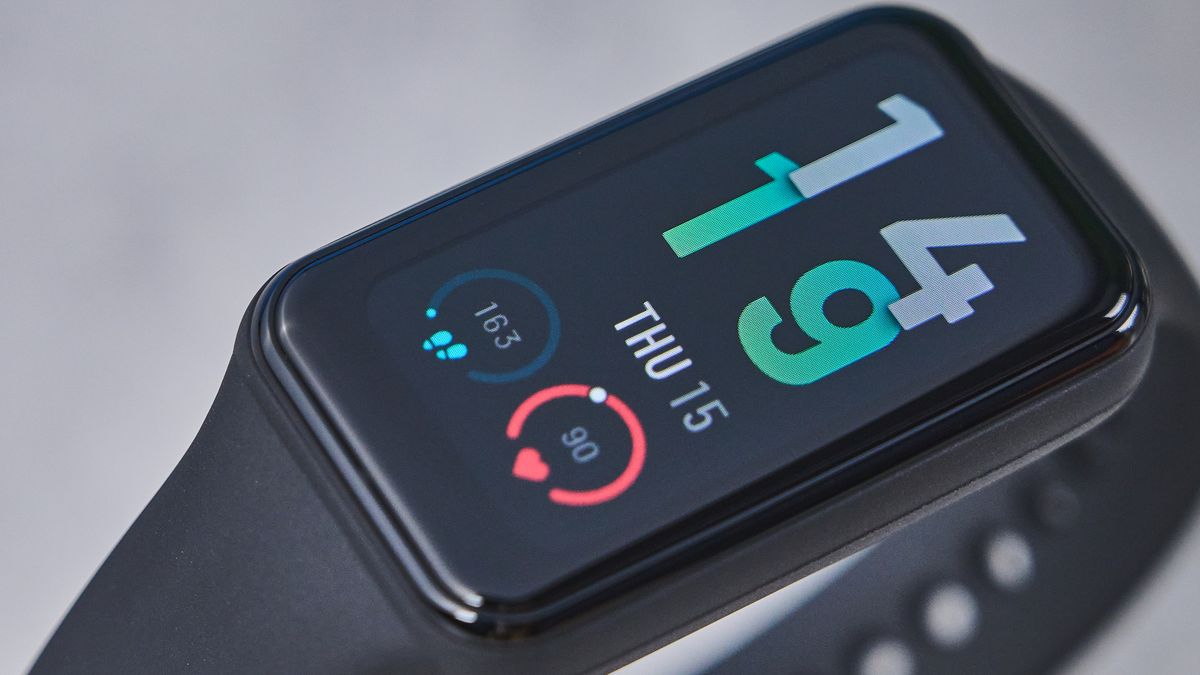
Credit: www.tomsguide.com
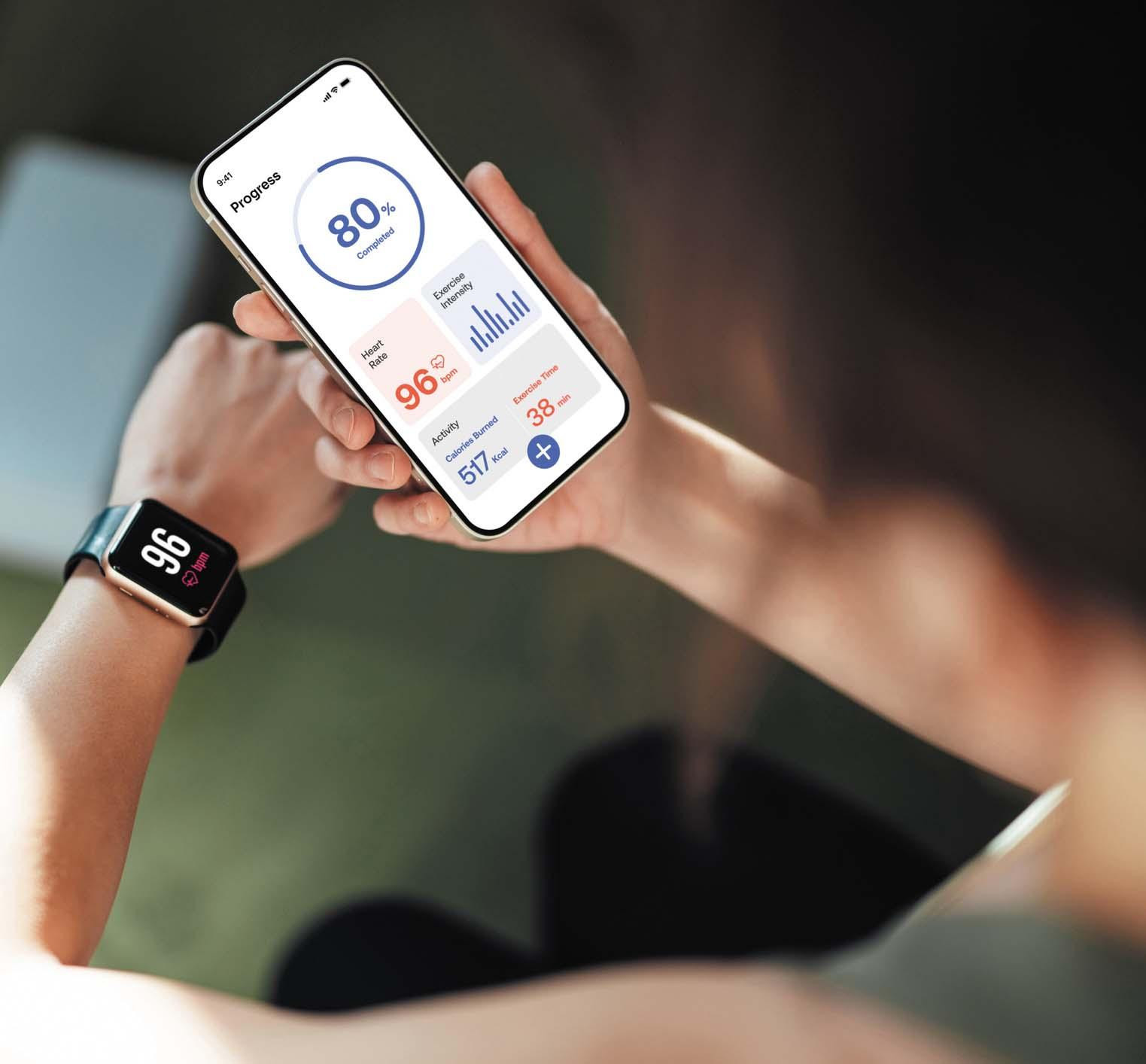
Credit: www.health.harvard.edu
Frequently Asked Questions
What Is The Top Health Wearable In 2023?
The top health wearable in 2023 is the Apple Watch Series 9. It offers advanced health metrics, including heart rate monitoring and blood oxygen levels. Its seamless integration with iOS devices enhances user experience. The durable design and long battery life make it a popular choice among users.
How Do Health Wearables Track Fitness?
Health wearables track fitness using sensors and algorithms. They monitor metrics like steps, heart rate, and calories burned. Advanced devices can track sleep patterns and oxygen levels. These insights help users optimize their workouts and maintain a healthy lifestyle. The data is usually accessible via a dedicated app.
Are Health Wearables Worth The Investment?
Yes, health wearables are worth the investment for many people. They provide valuable health insights and encourage an active lifestyle. These devices help track fitness goals and monitor vital health metrics. For those committed to improving their health, wearables offer convenience and motivation.
Can Wearables Help Detect Health Issues?
Yes, wearables can help detect certain health issues early. They continuously monitor vital signs like heart rate and oxygen levels. Abnormal readings can indicate potential health problems. While not a replacement for medical advice, they can prompt users to seek professional consultation when necessary.
Conclusion
Choosing the best health wearable depends on your needs and budget. Devices track steps, heart rate, and sleep well. Some offer extra features like GPS or stress monitoring. Comfort and battery life matter for daily use. Reading reviews helps find trusted options.
Wearable tech can support healthier habits easily. Start with one that fits your lifestyle best. Small changes lead to big health improvements. Stay active, stay informed, and enjoy better wellness.
Leave a Reply