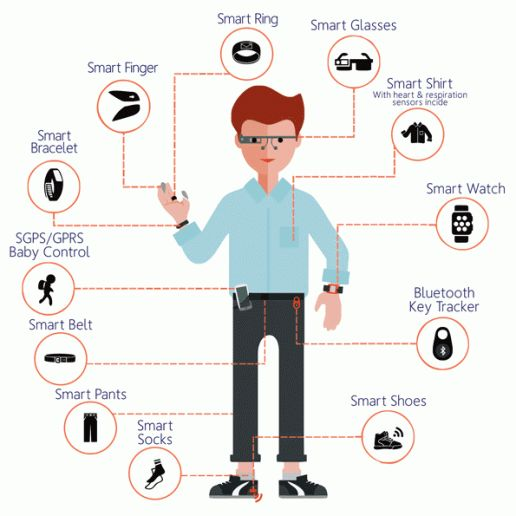
Have you ever wondered when wearable technology first came into being? You might think it’s a recent invention, but its story goes much deeper than you expect.
Understanding when wearable tech started can change the way you see the gadgets you use every day. You’ll discover surprising moments and key breakthroughs that shaped the devices on your wrist, in your pockets, and even in your clothes. Keep reading, and you’ll unlock the fascinating history behind the technology that’s become part of your daily life.
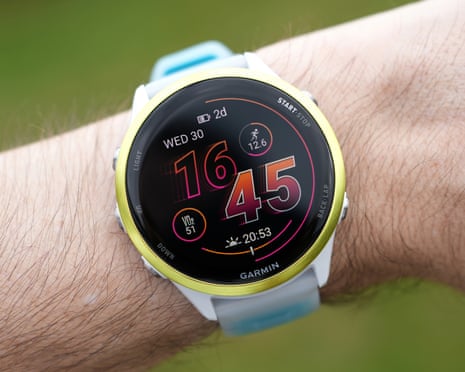
Credit: www.theguardian.com
Early Concepts Of Wearable Tech
Wearable technology has roots that reach far back in history. Before modern gadgets, people used simple devices worn on the body. These early concepts laid the groundwork for today’s smart wearables.
People sought ways to carry tools and information easily. These inventions combined utility with portability, making daily tasks simpler.
Ancient Wearable Devices
Ancient civilizations created wearable items for various purposes. Some served practical roles, while others held cultural or spiritual meaning.
- Jewelry and amulets:Often worn for protection or status.
- Timekeeping devices:Early sundials and water clocks were sometimes worn.
- Communication tools:Signal devices like whistles or bells attached to clothing.
These items show early attempts to blend technology with human form.
Mechanical Innovations In The 19th Century
The 1800s brought new mechanical devices worn on the body. The Industrial Revolution sparked interest in compact, portable machines.
- Pocket watches:Miniature clocks carried for timekeeping.
- Hearing aids:Early mechanical devices amplified sound.
- Calculating machines:Some were designed to be carried or worn.
These inventions marked a shift from simple adornments to functional technology worn daily.
Pioneering Electronic Wearables
Wearable technology began with early electronic devices designed to be worn on the body. These devices aimed to provide convenience and new functions through small, portable electronics. The first electronic wearables paved the way for today’s smart gadgets.
First Electronic Watches
The first electronic watches appeared in the 1970s. These watches used quartz crystals to keep time accurately. They were more precise than traditional mechanical watches. Early models had digital displays, showing time with numbers. These watches combined style and technology, making them popular worldwide. They marked a major step in wearable tech history.
Development Of Hearing Aids
Hearing aids were among the first electronic wearables for health. Early versions were large and not very effective. Advances in technology made them smaller and more powerful. Modern hearing aids use tiny microphones and processors. They help millions hear better every day. This development showed how wearables could improve quality of life.
Breakthroughs In The 20th Century
The 20th century marked a turning point for wearable technology. Early inventions paved the way for devices that combined fashion with function. Advances in miniaturization and computing power made wearables more practical and popular. This era saw the birth of gadgets that people could carry or wear every day.
Wearable technology started as simple tools but soon evolved into smart devices. These breakthroughs laid the foundation for the modern smartwatches and fitness trackers we use today. The century closed with wearables becoming more accessible and useful.
The Rise Of Smartwatches
Smartwatches began appearing in the late 20th century. At first, they were digital watches with extra features like calculators and calendars. Brands introduced devices with small screens and basic apps. These early smartwatches could show time and simple notifications.
By the 1990s, smartwatches included more functions. Some models had touchscreens and could connect to computers. These devices hinted at the future of wearable tech. They combined timekeeping with communication and data access.
Fitness Trackers And Health Monitoring
Fitness trackers emerged in the late 20th century as well. These devices counted steps and monitored physical activity. They helped users stay aware of their health and fitness goals.
Early health monitoring wearables measured heart rate and sleep patterns. Such devices encouraged healthier lifestyles. They showed how technology could support personal well-being.
These breakthroughs made wearables more than gadgets. They became tools for daily life and health management. The 20th century set the stage for the wearable tech revolution of the 21st century.

Credit: www.idtechex.com
Military And Medical Contributions
The history of wearable technology is deeply rooted in military and medical advancements. These sectors demanded early innovations that could enhance human capabilities and monitor health in real-time. Their needs shaped the first practical applications of wearables, setting the stage for the devices we use today.
Wearables In Defense
Military forces were among the first to use wearable tech to improve soldier performance and safety. Early devices included heads-up displays integrated into helmets, which provided crucial information without distracting troops.
Wearable sensors now track vital signs, fatigue levels, and environmental data. This helps commanders make better decisions and protect their teams in dangerous situations. Imagine how having instant health data on the battlefield could save lives—you’d want that kind of edge if you were in their boots.
Besides monitoring, wearables support communication and navigation, allowing soldiers to stay connected and oriented. These innovations show how wearables can serve practical, life-saving roles beyond just fitness tracking.
Medical Wearable Devices
The medical field quickly adopted wearable technology to monitor patients continuously and non-invasively. Early heart rate monitors and glucose sensors gave doctors real-time insights, improving patient care dramatically.
Today, devices like smartwatches can detect irregular heartbeats or track oxygen levels, alerting users and doctors to potential problems before symptoms appear. Have you ever wondered how many health issues could be caught earlier if you wore a simple device every day?
Wearables also encourage patients to take charge of their health by providing immediate feedback and reminders. This hands-on approach can improve treatment outcomes and reduce hospital visits.
Key Figures And Inventors
Wearable technology did not emerge overnight; it evolved through the efforts of several key figures and inventors who imagined a future where technology could seamlessly fit into daily life. Understanding who these innovators were and what they created helps you appreciate the devices you might wear today. Their inventions laid the foundation for the smartwatches, fitness trackers, and augmented reality glasses you see now.
Influential Innovators
Steve Mann is often called the “father of wearable computing.” In the 1980s, he built one of the first wearable computers, a backpack-sized device with a head-mounted display. His work opened the door to using computers in real-time, on the move, rather than just at desks.
Another key figure is Nicholas Negroponte, who co-founded the MIT Media Lab. His vision of personal computing included wearable devices that could interact naturally with users. He emphasized making technology intuitive and accessible, which remains a guiding principle in wearable design.
Don Lancaster also played a crucial role by inventing early head-mounted displays and wearable devices in the 1960s and 1970s. His inventions were not only technical achievements but also inspired others to think about how technology could assist in everyday tasks without hindering movement.
Milestone Patents And Products
The progression of wearable technology can be traced through key patents and products that changed the game. In 1961, the first wearable computer was patented by Edward O. Thorp and Claude Shannon to predict roulette outcomes. This device was bulky but proved the concept of a computer you could carry.
Fast forward to 1983, when Seiko introduced the first wristwatch with a built-in calculator. This might seem simple now, but it was a breakthrough that combined fashion with function, bringing computing power to the wrist.
In the 1990s, the launch of the Fitbit in 2007 marked a turning point. It transformed wearable tech from niche gadgets to mainstream health tools. This product showed how wearables could collect data, motivate users, and improve lifestyles.
- 1961:First wearable computer patent by Thorp and Shannon
- 1983:Seiko’s calculator wristwatch release
- 2007:Fitbit’s debut, popularizing fitness tracking
Have you ever wondered what the next big wearable invention might be? Understanding these milestones helps you see how innovations build on each other, shaping the tech you’ll use tomorrow.
Technological Advances Driving Growth
Technological advances have played a key role in the growth of wearable technology. Innovations in electronics and materials helped make devices smaller, smarter, and more useful. These improvements allowed wearables to become practical for everyday use.
Two main areas drove this progress: the miniaturization of components and the rise of wireless connectivity paired with advanced sensors. Both made wearables lighter, more comfortable, and better at tracking data.
Miniaturization Of Components
Early wearable devices were bulky and heavy. They needed large batteries and big circuit boards. Over time, technology made chips and batteries much smaller and lighter. This shrinkage allowed devices to fit on wrists, glasses, and clothes easily.
Smaller components also helped increase battery life. Devices could run longer without needing a charge. Miniaturization made wearables less noticeable and more stylish. Users could wear them all day without discomfort.
Wireless Connectivity And Sensors
Wireless technology changed how wearables communicate. Bluetooth and Wi-Fi let devices connect to phones and the internet without wires. This connection helps users receive notifications and sync data in real-time.
Advanced sensors measure heart rate, steps, sleep, and more. Sensors became more accurate and energy-efficient. These improvements gave users detailed health and activity insights instantly. Wireless and sensor technology combined to make wearables truly smart tools.
Cultural Impact And Adoption
Wearable technology has not only changed how we interact with gadgets but also how culture perceives and embraces innovation. The adoption of these devices marks a shift in lifestyle, blending technology seamlessly into daily life. Understanding this cultural impact helps you see why wearables moved from niche gadgets to everyday essentials.
Fashion Meets Function
Wearable tech started gaining traction when designers and tech companies began working together. This partnership made devices look stylish while keeping their smart features intact. Think about smartwatches that match your outfit or fitness trackers designed like bracelets.
Your choice to wear a device isn’t just about utility anymore; it’s about making a statement. This trend shows that technology can be both practical and a fashion accessory. Are you more likely to use a device that complements your style?
Mainstream Consumer Acceptance
At first, wearable tech was limited to early adopters and tech enthusiasts. But as prices dropped and features improved, more people joined in. Today, millions use wearables daily to track health, stay connected, or even manage tasks.
Brands like Apple and Fitbit played a big role by making devices easy to use and widely available. You might find yourself relying on your wearable without even realizing it, from checking notifications to monitoring sleep patterns. What everyday tasks could you simplify by wearing the right tech?

Credit: www.smithsonianmag.com
Future Directions Of Wearable Tech
The future of wearable technology is poised to reshape how you interact with the world. As devices become smarter and more integrated into daily life, they will offer capabilities beyond just tracking steps or notifications. Understanding where this technology is headed can help you prepare for the changes it will bring to your routine and society at large.
Emerging Technologies
Wearables are evolving with new materials and sensors that make devices smaller, lighter, and more comfortable. Flexible displays and skin-like patches will allow you to wear technology almost invisibly. Advances in artificial intelligence will help your devices learn from your habits and provide personalized insights without needing constant input.
Consider smart clothing that can monitor your health in real-time or augmented reality glasses that overlay useful information as you move through your day. These innovations will blur the line between technology and your body, making it easier to stay connected and informed.
Potential Societal Changes
As wearable tech becomes more widespread, it could change how we work, communicate, and care for our health. Imagine remote work powered by wearable devices that track your focus and suggest breaks to improve productivity. These tools might also shift healthcare by enabling early detection of illnesses through continuous monitoring.
But what about privacy? With more data being collected from your body, how will your personal information be protected? You need to think about the balance between convenience and security, as this will shape your trust in wearable technology moving forward.
Frequently Asked Questions
What Is The History Of Wearable Technology?
Wearable technology dates back to the 13th century with eyeglasses. The modern era began in the 1960s with the invention of wearable calculators. In the 1980s, the first wearable computers emerged. The 21st century saw the rise of fitness trackers and smartwatches, marking a new era of innovation.
Who Invented The First Wearable Device?
The first wearable device was eyeglasses, invented in the 13th century. Modern wearables, like the wearable computer, were developed by innovators like Steve Mann in the 1980s. His work laid the foundation for today’s smart devices, which combine computing power with everyday fashion.
How Has Wearable Technology Evolved Over Time?
Wearable technology has evolved from simple devices like eyeglasses to complex smartwatches. In the 1960s, wearable calculators emerged. The 1980s introduced wearable computers. Today, wearables integrate advanced technology, offering health monitoring, communication, and entertainment, revolutionizing how we interact with technology daily.
Why Is Wearable Technology Important Today?
Wearable technology is important for health monitoring, convenience, and connectivity. Devices like smartwatches track fitness, heart rate, and sleep patterns. They offer hands-free communication and real-time notifications. This technology enhances personal health awareness and connects users to the digital world seamlessly, improving daily life efficiency.
Conclusion
Wearable technology has a long and interesting history. It started as simple devices and grew into smart gadgets. These tools help people track health, communicate, and stay active. The journey shows how tech blends with daily life. This story is still unfolding, with new ideas each year.
Wearable tech will keep changing how we live and work. It’s clear this trend is here to stay.
Leave a Reply