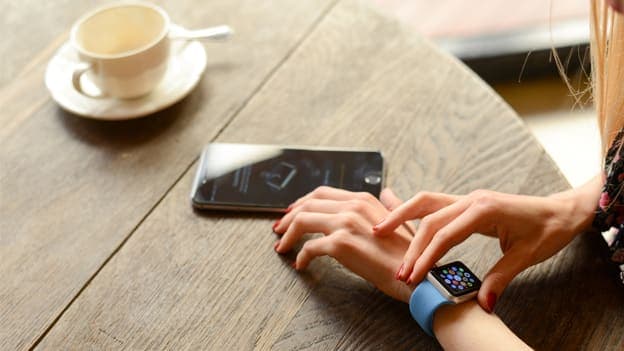
Have you ever wondered if wearable technology is just a passing trend or something that will change your life for good? You see people wearing smartwatches, fitness trackers, and even smart glasses everywhere.
But is this just a fad, or is it the future calling? What if these devices could actually make your daily routine easier, healthier, and more connected? Keep reading to find out why what you wear on your wrist or body might be more important than you think—and how it could shape your tomorrow.
Credit: www.mddionline.com
Rise Of Wearable Technology
Wearable technology has grown from simple gadgets to essential daily tools. It started as a niche interest and now impacts health, fitness, and communication. These small devices fit on the body and connect users to information instantly.
People use wearables to track steps, monitor heart rates, and receive notifications. The rise in demand shows a shift in how we interact with technology. This shift suggests wearables might be more than just a passing trend.
Early Devices And Innovations
The first wearable devices appeared in the 1980s and 1990s. They were bulky and had limited functions. Early examples include digital watches and simple fitness trackers.
Innovators aimed to make technology personal and portable. Some early devices focused on health, such as heart rate monitors. Others offered basic communication features, like pager watches.
These devices paved the way for modern wearables. They showed that people wanted technology on the go, not just at home or work.
Current Popular Wearables
- Smartwatches with fitness tracking and apps
- Wireless earbuds that monitor health and deliver sound
- Smart glasses offering augmented reality features
- Wearable ECG monitors for heart health
- Fitness bands that track sleep and activity levels
Today’s wearables are smaller, smarter, and more connected. They sync with smartphones and other devices. Users get real-time data and alerts.
Many wearables focus on health, helping users manage fitness and wellness. Others enhance communication or provide hands-free access to digital tools.
Key Features Driving Popularity
Wearable technology has gained traction for many reasons, but certain features stand out as the main drivers behind its rising popularity. These features not only enhance user experience but also add real value to everyday life. Understanding these can help you decide if wearable tech fits your lifestyle and needs.
Health And Fitness Tracking
Wearables monitor your heart rate, sleep patterns, and daily activity levels, giving you detailed insights into your health. This data helps you set realistic fitness goals and stay motivated. I noticed a big difference in my daily routine after tracking my steps and sleep quality for just a week—small changes made a big impact.
Are you aware of how your habits affect your well-being? Wearables make it easier to answer that question and take control of your health.
Connectivity And Convenience
These devices keep you connected without needing your phone in hand all the time. You can receive calls, messages, and notifications directly on your wrist, saving time and reducing distractions. Imagine not missing an important alert while in a meeting or on a run.
How often do you find yourself reaching for your phone unnecessarily? Wearables offer a smoother way to stay in touch with the world around you.
Fashion And Personalization
Wearable tech isn’t just functional—it’s becoming a style statement. With customizable bands, watch faces, and designs, you can match your device to your personality and outfit. This personal touch makes wearing tech feel less like a chore and more like an extension of yourself.
Would you wear a device that reflects your style while helping you stay productive and healthy? The growing options make it easier than ever to say yes.
Challenges Facing Wearable Tech
Wearable technology promises to change how you interact with the world, but it faces some real challenges before it becomes a seamless part of everyday life. These hurdles impact not only the user experience but also the trust and accessibility of these devices. Let’s look closely at what’s holding wearable tech back and how it might affect your decision to adopt it.
Privacy And Security Concerns
Your wearable device collects a lot of personal data, from health metrics to location tracking. This raises serious questions about who owns this data and how securely it is stored. Imagine if your heart rate data or sleep patterns were accessed by hackers or used without your permission—would you still feel comfortable wearing these devices daily?
Manufacturers must build stronger security measures, but until then, you should be cautious about the permissions you grant and the information you share. Think about the apps connected to your wearable—are they trustworthy? Regular updates and transparency from companies are crucial to protect your privacy.
Battery Life And Durability
Nothing kills the excitement of a new gadget faster than having to recharge it multiple times a day. Many wearables struggle with limited battery life, forcing you to choose between frequent charging and missing out on continuous tracking. If you rely on your device for health monitoring, short battery life can be a real inconvenience.
Durability is another concern. Wearables often face daily wear and tear, including sweat, bumps, and exposure to water. If your device can’t handle these conditions, it won’t last long. Look for wearables with good water resistance and sturdy materials if you want them to keep up with your lifestyle.
Cost And Accessibility
Wearable technology can be expensive, putting it out of reach for many people. High costs don’t just mean the device itself but also the apps, subscriptions, and accessories that may be necessary. This creates a barrier that limits who can benefit from the technology.
Beyond price, accessibility matters too. Not all wearables are designed with diverse users in mind, such as people with disabilities or those who are not tech-savvy. Are these devices truly inclusive, or do they cater only to a specific group? Your choice to invest in wearable tech should consider both affordability and usability for your needs.

Credit: medium.com
Wearables In Various Industries
Wearable technology has expanded beyond simple gadgets. It now plays a key role in many industries. These devices collect data and provide insights. They help improve efficiency and quality of life. Different fields use wearables in unique ways. Each industry finds new uses every day. This shows wearables are more than just a trend.
Healthcare And Medical Applications
Wearables track vital signs like heart rate and oxygen levels. Doctors use this data for better patient care. Devices alert users about irregular health patterns. They support chronic disease management and early diagnosis. Some wearables monitor medication adherence. Remote patient monitoring reduces hospital visits. This technology makes healthcare more accessible.
Sports And Fitness
Athletes wear devices to measure performance and recovery. Sensors track steps, distance, and calories burned. Wearables provide real-time feedback during workouts. Coaches analyze data to improve training plans. Injury prevention improves with motion tracking. These tools motivate users to stay active. Fitness wearables help users set and reach goals.
Workplace And Productivity
Wearables enhance safety in hazardous jobs. Devices monitor fatigue and alert workers to rest. Some track location to ensure worker security. Employers use wearables to boost productivity. They help with time management and task tracking. Wearables support better communication in teams. This tech creates safer and smarter workplaces.
Consumer Trends And Adoption Rates
Consumer trends and adoption rates reveal much about wearable technology’s place in the market. Understanding who buys these devices and where growth happens shows whether wearables are a short trend or here to stay.
Wearable tech has moved beyond fitness bands to smartwatches, health monitors, and even smart glasses. Different groups prefer different types. The speed at which people adopt these gadgets also varies worldwide.
Demographic Preferences
Young adults lead in adopting wearable technology. They favor smartwatches and fitness trackers for health and convenience. Middle-aged users often choose devices that monitor heart rate and sleep patterns.
Older adults are slower adopters but show growing interest in health-focused wearables. Women tend to prefer stylish and smaller devices. Men often select gadgets with more features.
- Teens and young adults seek social and fitness functions.
- Adults focus on health monitoring and notifications.
- Seniors look for easy-to-use devices that track vital signs.
Global Market Growth
The global wearable technology market continues to grow steadily. Asia-Pacific and North America lead in sales and innovation. Europe follows with increasing consumer interest.
Smartwatches hold the largest market share, followed by fitness trackers and hearables. Market reports show annual growth rates between 10% and 15%. This steady rise suggests wearables are more than a fad.
| Region | Market Growth Rate (Annual) | Popular Wearable Types |
|---|---|---|
| North America | 12% | Smartwatches, Fitness Trackers |
| Asia-Pacific | 15% | Smartwatches, Hearables |
| Europe | 10% | Fitness Trackers, Health Monitors |
Innovations Shaping The Future
Wearable technology is evolving fast. New innovations are shaping how we interact with devices daily. These advances push the boundaries of what wearables can do. They make devices smarter, more useful, and more comfortable to use. This section explores key innovations defining the future of wearable tech.
Ai Integration And Smart Features
Artificial intelligence is becoming central to wearable devices. AI helps devices learn user habits and preferences. This allows wearables to offer personalized suggestions and alerts. Voice assistants on smartwatches and earbuds improve hands-free control. AI also enhances health tracking by detecting unusual patterns quickly. These smart features create a more intuitive user experience.
Advanced Sensors And Materials
New sensors improve data accuracy and expand wearable functions. Heart rate, blood oxygen, and sleep monitoring are more precise. Flexible materials make devices lighter and more comfortable to wear. Some wearables now use self-healing or waterproof materials. These advances enable longer use and better durability. Sensors can also track new health markers, opening new possibilities.
Augmented Reality And Beyond
Augmented reality (AR) is growing within wearable tech. AR glasses overlay digital information on the real world. This helps users with navigation, work tasks, and entertainment. Mixed reality blends physical and virtual environments for interactive experiences. Future wearables may combine AR with AI for smarter assistance. This will change how people interact with both devices and surroundings.
Is Wearable Tech Here To Stay?
Wearable technology has sparked excitement and skepticism alike. You might wonder, is it just a passing trend or something that will stick around? Looking closely at its benefits, potential growth, and expert insights can help you decide if wearable tech is truly here to stay.
Long-term Benefits And Use Cases
Wearables offer practical benefits that go beyond just counting steps or notifications. Devices like smartwatches and fitness trackers help you monitor heart rate, sleep patterns, and even stress levels, giving you valuable health data daily.
Think about people managing chronic conditions. Wearables provide real-time monitoring, alerting users and doctors to potential issues before they become serious. This kind of proactive health management shows that wearables have meaningful, lasting value.
Outside health, wearables improve productivity and safety. For example, smart glasses assist workers by displaying instructions hands-free, reducing errors and speeding up tasks. These real-world applications prove wearables aren’t just gadgets—they’re tools that enhance everyday life.
Potential For Evolution
Wearable technology is far from static. It’s evolving rapidly with advancements in sensors, battery life, and artificial intelligence. Imagine a future where your wearable predicts illness before symptoms appear, based on subtle changes it detects.
Integration with other devices and smart home systems is another growth area. Your wearable could soon control your thermostat, unlock doors, or even pay for groceries, all seamlessly. This interconnectedness will make wearables even more essential in daily routines.
Software updates and new apps keep wearables fresh and useful. You don’t have to buy a new device to benefit from the latest features. This ongoing improvement encourages long-term use rather than quick abandonment.
Expert Opinions And Predictions
Industry experts largely agree that wearable tech is not a fad. Analysts predict steady growth in the market, driven by health and fitness demands and emerging enterprise solutions. This confidence from professionals suggests wearables will become even more embedded in our lives.
Some experts highlight privacy and data security as challenges to overcome. Your willingness to trust these devices with personal information will influence adoption rates. How comfortable are you sharing your health and location data with technology companies?
Visionaries also foresee wearables becoming more personalized and adaptive. Instead of one-size-fits-all devices, future wearables might learn your habits and tailor their functions accordingly. This level of customization could make wearables indispensable.
Credit: www.mddionline.com
Frequently Asked Questions
What Is Wearable Technology?
Wearable technology refers to electronic devices that can be worn on the body. These gadgets often track health and fitness metrics. They can also offer smart functionalities, such as notifications. Examples include smartwatches, fitness trackers, and augmented reality glasses. The technology aims to seamlessly integrate into daily life.
How Does Wearable Technology Benefit Users?
Wearable technology provides real-time health monitoring and fitness tracking. It also offers convenience through smart features like notifications and reminders. Users can gain insights into their daily activities and health metrics. This encourages healthier lifestyle choices and enhances personal productivity.
The technology aims to offer both health and convenience benefits.
Is Wearable Technology A Passing Trend?
Wearable technology shows signs of long-term adoption and growth. With continuous advancements, the market expands, integrating into healthcare and fitness. Consumer demand for health and convenience drives development. Major tech companies invest heavily in innovation. This suggests that wearable technology is not just a fad.
Can Wearable Tech Improve Health Outcomes?
Yes, wearable tech helps monitor vital signs and daily activity levels. It offers insights into personal health metrics. Users can track heart rate, sleep patterns, and physical activities. This data aids in making informed health decisions. It encourages healthier lifestyles and can prevent potential health issues.
Conclusion
Wearable technology is more than just a passing trend. People use it daily for health, fitness, and convenience. Devices keep improving and becoming more useful. Many industries adopt wearables to boost work and safety. The future shows wearables as part of life.
Users enjoy easy access to information and data. Challenges remain, but innovation moves fast. Wearable technology is here to stay. It shapes how we live and work. The question is not if, but how.
Leave a Reply