
Choosing the best electronics education programs for preschoolers helps build early skills in science and technology. These programs mix fun and learning to spark young minds.
Early exposure to electronics and coding can develop problem-solving and creativity in children. Books like “Baby Loves Coding!” Introduce basic concepts through simple stories. “Machine Learning for Kids” offers hands-on activities to explore STEAM ideas. Other resources, such as “Robotics for Young Children,” provide easy STEM projects to encourage curiosity.
Programs also cover related skills like phonics and shapes, aiding overall growth. Using clear, simple lessons, these materials suit young learners and support parents and teachers. Introducing electronics education early helps prepare kids for the future while keeping learning enjoyable and accessible.
Baby Loves Coding!

The book Baby Loves Coding! (Baby Loves Science Book 6) is ideal for parents and caregivers who want to introduce their toddlers and young children to the foundational concepts of coding and computer science in a fun and engaging way. This book is perfect for early learners curious about how technology works and for those who want to nurture an interest in STEM fields from a very young age.
Pros:
- Introduces complex coding concepts in a simple, age-appropriate manner
- Bright and colorful illustrations that capture children’s attention
- Short 22 pages suitable for brief, focused reading sessions
- Published by trusted manufacturer Charlesbridge known for quality educational books
- Encourages early STEM learning and critical thinking skills
Cons:
- Limited depth due to its board book edition format
- May require adult guidance to fully explain some concepts
- Not suitable for older children seeking detailed coding knowledge
Baby Loves Coding! combines engaging illustrations with straightforward language to make the abstract world of coding accessible to the youngest readers. The book uses simple examples and relatable scenarios to explain how computers follow instructions, laying a foundation for logical thinking and problem-solving. Its compact 22-page format ensures it holds the attention of toddlers, making learning both fun and manageable.
Published by Charlesbridge in 2018, this board book edition is durable and perfect for little hands. The book not only introduces children to the basics of coding but also encourages curiosity about science and technology, fostering an early love for learning. By engaging with this book, young children develop cognitive skills that will benefit their academic journey in STEM subjects.
Machine Learning For Kids

Machine Learning for Kids (Tinker Toddlers): STEAM Book to Kick-Start Your Future Genius! is ideal for young learners and parents who want to introduce children to the exciting world of machine learning and STEAM education in a fun and accessible way. This book is perfect for children who are curious about technology and eager to develop foundational skills that will set them up for future success in science, technology, engineering, arts, and mathematics.
Pros:
- Engaging and simple introduction to machine learning concepts for kids.
- Compact with only 14 pages, making it easy to digest.
- Published by Tinker Toddlers, a trusted name in educational content for children.
- Encourages early development of critical STEAM skills.
- Supports interactive learning and creativity.
Cons:
- Limited depth due to the short length of the book.
- May require adult guidance to fully understand some concepts.
- Publication date from 2019, so it might not include the latest machine learning advancements.
The book offers a concise yet effective way to introduce children to the fundamentals of machine learning through engaging activities and simple explanations. Its brevity makes it ideal for younger audiences who might otherwise feel overwhelmed by technical content. The focus on STEAM education ensures that children develop a balanced skill set that includes creativity and problem-solving, essential for future innovation.
By using this book, children benefit from early exposure to technology concepts that foster logical thinking and curiosity. Although brief, the content is thoughtfully designed to encourage hands-on learning experiences, which can significantly enhance understanding and retention. Overall, it serves as a valuable stepping stone for young learners embarking on their educational journey in the world of technology and science.
Grade 1 Phonics

The Grade 1 Phonics: Early Learning Skills book is perfect for young children who are just starting to learn the alphabet and basic phonics. Ideal for parents and educators seeking an engaging and educational resource, this book supports early reading development for kids in grade one or beginner readers.
Pros:
- Clear and simple phonics lessons tailored for young learners
- Compact with 32 pages, making it easy to handle for children
- Published by Baby Professor, a trusted name in children’s educational books
- Helps build foundational reading skills through interactive learning
Cons:
- Limited content due to its concise 32-page length
- May require adult guidance for best learning outcomes
- Publication date (2015) means it might not include the latest educational trends
This book features a well-structured approach to teaching phonics and alphabets, making it an effective tool for early literacy. The engaging content is designed to capture the attention of young children, helping them recognize letter sounds and develop reading confidence. With its straightforward layout, children can easily follow along, which encourages independent learning.
Additionally, the book’s compact size and focused content make it convenient for parents and teachers to incorporate into daily reading routines. By reinforcing early phonics skills, this resource lays a strong foundation for future reading success, ensuring that children build essential language skills at an early age.
Solar System For Kids

The Solar System for Kids: The Sun and Moon is an ideal choice for young children who are curious about astronomy and the universe. Perfect for early readers and young learners, this book introduces fundamental concepts about our solar system in a fun and engaging way, making it suitable for parents, educators, and caregivers looking to spark an interest in space exploration among children.
Pros:
- Simple and clear language suitable for young readers
- Illustrations that visually explain complex concepts
- Compact with 32 pages, making it easy to digest
- Published by a trusted manufacturer, Baby Professor
- Focuses specifically on the Sun and Moon, providing detailed insights
Cons:
- Limited depth due to short length
- May require adult guidance for full understanding
- Publication date (2015) means some information might be slightly outdated
This book offers an engaging introduction to the Sun and Moon, helping children understand their roles in the solar system. The colorful illustrations complement the text, making learning about astronomy accessible and enjoyable. The concise 32-page format ensures that young readers stay focused without feeling overwhelmed.
Additionally, the focus on just two celestial bodies allows for a deeper dive than many introductory books, enabling kids to develop a foundational understanding of how the Sun and Moon affect life on Earth. This makes it an excellent resource for parents and teachers aiming to nurture a lifelong interest in space and science.
Robotics For Young Children

Robotics for Young Children: STEM Activities and Simple Coding is ideal for parents, educators, and caregivers who want to introduce young learners to the exciting world of robotics and coding. This book is perfect for children who are curious about technology and those beginning to explore STEM concepts through hands-on activities. It offers a practical and engaging way to build foundational skills in a fun and accessible manner.
Pros:
- Contains a variety of age-appropriate STEM activities that promote creativity and problem-solving.
- Provides simple and clear instructions for coding basics, making it easy for young children to understand.
- Published by Redleaf Press, ensuring quality and educational value.
- Includes 148 pages packed with engaging content and colorful illustrations.
- Supports development of critical thinking and logical reasoning skills early on.
Cons:
- Some activities may require additional materials not included in the book.
- Best suited for children with some adult supervision to fully benefit from the coding exercises.
This book features a well-structured approach to introducing young children to robotics and coding. The activities are designed to be both fun and educational, helping children grasp complex concepts through simple, hands-on projects. By engaging in these tasks, kids develop a strong foundation in STEM disciplines, which is essential in today’s technology-driven world. The step-by-step guidance ensures that even beginners can follow along without feeling overwhelmed.
Additionally, the book encourages exploration and experimentation, which fosters a love for learning and innovation. The inclusion of both robotics and coding elements provides a comprehensive understanding of how technology works, preparing children for more advanced challenges in the future. Overall, this resource is an excellent tool for nurturing young minds and equipping them with valuable skills for their academic and personal growth.
I Can Read Now! Kindergarten Reading Book

The I Can Read Now! Kindergarten Reading Book: First Grade Activity Book: Pre-K Reading Workbook is ideal for parents and educators seeking an engaging and effective resource to help young children, especially toddlers and kindergarteners, develop foundational reading skills. This workbook is perfect for beginner readers who are just starting their literacy journey and need interactive activities to build confidence and comprehension.
Pros:
- Designed specifically for baby and toddler beginner readers, ensuring age-appropriate content.
- Combines reading and activity-based learning to enhance engagement and retention.
- Published by Speedy Publishing LLC, known for quality educational materials.
- Supports early literacy skills crucial for kindergarten and first grade readiness.
Cons:
- Number of pages is not specified, which might concern some buyers looking for a specific length.
- Publication date is from 2015, so some content might not include the latest educational trends.
- Limited information on digital or interactive formats, which are popular with young learners today.
This reading workbook offers a comprehensive approach to early literacy by integrating simple reading exercises with interactive activities that foster both recognition and understanding of words. The layout and design are tailored to keep young learners motivated, making reading practice a fun and rewarding experience. By focusing on kindergarten and first-grade reading levels, it ensures that children build a solid foundation that will benefit them as they progress in school.
Additionally, the workbook’s structure supports parents and educators by providing clear guidance and exercises that promote consistent practice. The emphasis on beginner readers means that even children with minimal exposure to reading can make significant progress. Overall, this book is a valuable tool for nurturing a lifelong love of reading in children during their crucial early years.
Shapes & Sizes: Learn Basic Shapes Book For Preschool

The Shapes & Sizes: Learn Basic Shapes Book for Preschool in Spanish and English is ideal for young children, especially preschoolers, who are beginning to explore the world of shapes and sizes. This bilingual book is perfect for parents and educators who want to introduce basic geometric concepts while simultaneously enhancing language skills in both Spanish and English. It is an excellent resource for early learners who are developing cognitive and language abilities in a fun and engaging way.
Pros:
- Bilingual content supports learning in both Spanish and English.
- Simple and colorful illustrations engage preschoolers effectively.
- Compact size with 15 pages makes it easy to handle for young children.
- Published by Hazelbazel Learn Spanish Books, a reputable source for educational materials.
Cons:
- Limited to basic shapes, may not challenge older children.
- Short length might require repeated readings to reinforce learning.
This book’s dual-language approach is a standout feature, making it a valuable tool for bilingual education. By presenting shapes in both Spanish and English, children not only learn to recognize and name shapes but also build vocabulary in two languages simultaneously. The colorful and simple illustrations help maintain attention and make abstract concepts like shapes more tangible for preschoolers.
Additionally, the book’s manageable length of 15 pages makes it an excellent choice for short, focused learning sessions, perfect for the limited attention spans of young children. The publication by Hazelbazel Learn Spanish Books ensures quality content designed to facilitate early childhood education, fostering both cognitive development and language skills in a nurturing way.
Sixth Grade Daily Geography

The Sixth Grade Daily Geography: Simple Geography Lessons: Wonders Of The World for Kids 6Th Grade Books is ideal for children in the sixth grade who have a curiosity about the world around them. This book is perfect for young learners who enjoy exploring geography through engaging and easy-to-understand lessons. Parents and educators looking for a resource to introduce children to the wonders of the world in a fun and educational way will find this book highly valuable.
Pros:
- Contains simple and clear geography lessons suitable for 6th graders
- Focuses on the wonders of the world to spark curiosity and learning
- Compact with 32 pages, making it manageable for young readers
- Published by Baby Professor, a trusted educational publisher
- Engages children with a mix of mystery and wonder elements
Cons:
- Limited depth due to its short length of 32 pages
- May not satisfy advanced learners looking for detailed geography content
This book features concise and straightforward lessons that introduce children to key geographical concepts through the lens of famous wonders of the world. The content is carefully designed to be accessible to sixth graders, ensuring that complex ideas are broken down into manageable chunks. The use of engaging storytelling elements adds an exciting dimension to learning, helping children retain information better.
Additionally, the book’s compact size makes it an excellent resource for daily learning sessions without overwhelming young readers. Its focus on the wonders of the world encourages children to develop an appreciation for global diversity and cultural heritage. Overall, this book serves as an effective educational tool that combines fun with learning, perfect for children eager to explore geography.
Little Music Lessons For Kids

Little Music Lessons for Kids: Lessons 1-5 is ideal for young beginners and parents or educators seeking an engaging and easy-to-understand introduction to music. This book is perfect for children who are just starting to explore the world of music, especially those interested in learning about the musical notes, piano keyboard, treble clef, and musical staff through fun and relatable stories.
Pros:
- Engaging stories that make learning musical concepts enjoyable
- Covers foundational music theory including notes, keyboard, and clefs
- Appropriate for young children with simple language and illustrations
- Comprehensive at 164 pages, providing thorough lessons
- Published content with a trusted release date ensuring reliable material
Cons:
- May be too basic for older or more advanced students
- Primarily focuses on early lessons, requiring additional materials for advanced topics
The Little Music Lessons for Kids book offers a unique approach by blending educational content with storytelling, which helps children retain information better. Each lesson is crafted as a sweet story that introduces essential musical concepts like the piano keyboard, musical notes, and the treble clef, making the learning process both fun and effective. The clear illustrations and simple explanations ensure that kids can follow along without feeling overwhelmed.
With a total of 164 pages, this book provides enough depth to cover the basics thoroughly while maintaining a child-friendly format. The lessons build a solid foundation for young learners, helping them develop confidence in reading music and understanding its structure. For parents and teachers, it serves as a valuable resource to complement practical music lessons or self-study at home.
Translingual Partners In Early Childhood Elementary-education
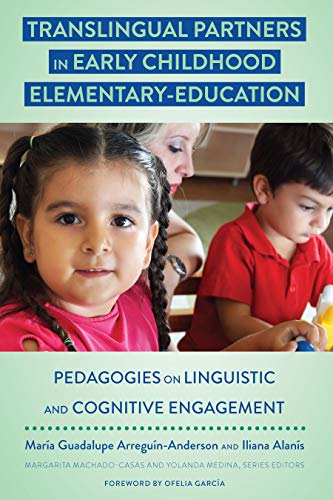
The book Translingual Partners in Early Childhood Elementary-Education: Pedagogies on Linguistic and Cognitive Engagement is ideal for educators, researchers, and graduate students who are passionate about early childhood education and the role of linguistic diversity in learning environments. Those who work with Latinxs in the Americas or are interested in translingual pedagogies will find this resource especially valuable for understanding how to foster cognitive and linguistic engagement in young learners.
Pros:
- In-depth analysis of translingual pedagogies tailored for early childhood and elementary education.
- Published by a reputable academic publisher, Peter Lang Inc.
- Comprehensive coverage across 230 pages providing detailed insights and research.
- Focuses on the intersection of language, cognition, and cultural identity.
- Suitable for both academic study and practical application in classrooms.
Cons:
- May be too specialized for casual readers or those outside the field of education.
- First edition, which might lack some updates found in later editions.
- Publication date in 2019 means some emerging research may not be included.
This book offers a thoughtful exploration of how translingual practices can be integrated into early childhood and elementary educational settings to support both linguistic and cognitive growth. The authors emphasize the importance of recognizing and valuing students’ diverse language backgrounds as assets rather than barriers. By doing so, educators can create more inclusive and engaging learning experiences that promote critical thinking and language development simultaneously.
Readers will benefit from practical pedagogical strategies that encourage linguistic engagement through collaborative and culturally responsive teaching methods. The detailed case studies and theoretical frameworks provide a solid foundation for understanding how to support Latinxs and other multilingual learners in the Americas. Overall, this work is a crucial resource for anyone dedicated to advancing equity and excellence in early education through innovative language practices.
Frequently Asked Questions
What Are The Best Electronics Programs For Preschoolers?
Top programs include Baby Loves Coding!, Machine Learning for Kids, and Robotics for Young Children. These teach coding, STEM, and early tech skills in a fun way.
How Do These Programs Support Early Learning Skills?
They use interactive books and activities to develop phonics, shapes, and basic science concepts. This builds cognitive and language skills effectively.
Are These Programs Suitable For Bilingual Preschoolers?
Yes, programs like Shapes & Sizes offer bilingual content in Spanish and English. This supports language development and cultural awareness.
Can Preschoolers Learn Coding Through These Books?
Absolutely. Titles like Baby Loves Coding! And Machine Learning for Kids introduce coding basics using simple, playful methods perfect for young minds.
What Stem Topics Are Covered In These Education Programs?
They cover robotics, astronomy, geography, and music fundamentals. These subjects build curiosity and foundational STEM knowledge early on.
How Do These Books Encourage Reading And Comprehension?
Books like I Can Read Now! And Grade 1 Phonics focus on beginner reading skills. They use engaging stories and activities to improve comprehension.
Conclusion
Choosing the right electronics education program can shape a preschooler’s early learning journey. Programs like Baby Loves Coding and Robotics for Young Children offer fun, hands-on activities. These help kids understand basic technology and science ideas. Books such as Machine Learning for Kids simplify complex topics in a way little ones can grasp.
Other resources, like Shapes & Sizes and Solar System for Kids, build foundational knowledge in shapes and space. Combining reading with interactive lessons makes learning more engaging. Early exposure to these subjects can boost curiosity and problem-solving skills. It also sets a strong base for future studies.
Parents and teachers can pick programs that fit a child’s interests and learning pace. Starting early with simple, enjoyable tools makes education feel like play. This encourages kids to explore and enjoy learning about electronics and science every day.