Choosing the best electronics circuits book can boost your learning and project success. This guide covers top books for all skill levels.
Electronics circuits books help readers understand how electronic devices work. Some books focus on hands-on projects, while others explain theory clearly. Titles like *Practical Electronics for Inventors* and *Make: Electronics* offer step-by-step instructions and real-world examples. Beginners will find *Electronics for Beginners* and *Circuitbuilding Do-It-Yourself For Dummies* easy to follow.
For deeper knowledge, *Foundations of Analog and Digital Electronic Circuits* and *Encyclopedia of Electronic Circuits* provide detailed explanations. These books suit students, hobbyists, and inventors wanting to improve their skills. Choosing the right book depends on your goals and experience. This list helps you find a useful resource to start or advance your electronics journey.
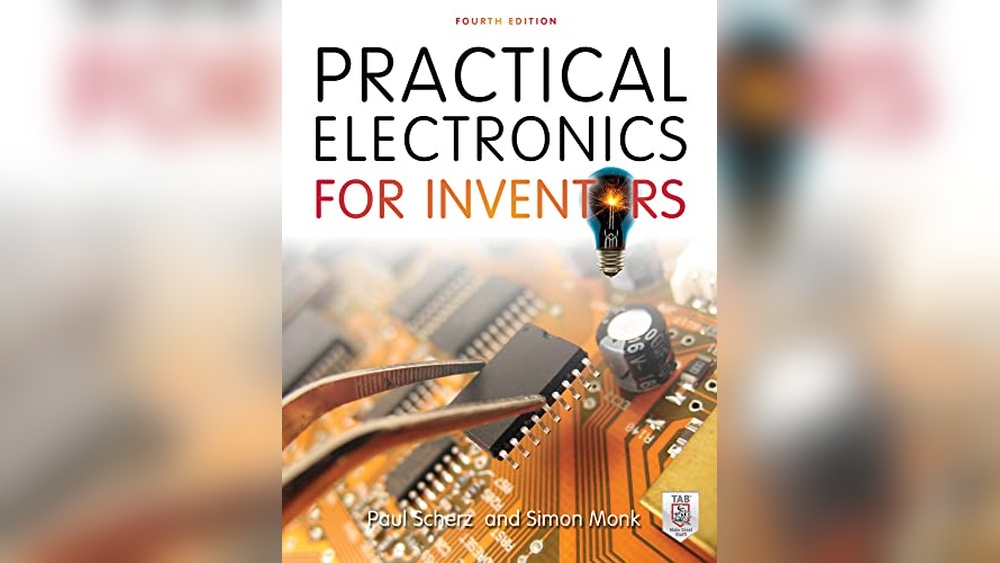
Practical Electronics For Inventors

The Practical Electronics for Inventors, Fourth Edition is ideal for hobbyists, students, and professionals who want a comprehensive and hands-on guide to understanding and building electronic circuits. This book is perfect for those who prefer a practical approach to learning electronics, offering detailed explanations combined with real-world applications. Whether you’re a beginner or someone looking to deepen your knowledge, this edition provides valuable insights and resources.
Pros:
- Extensive coverage with over 1056 pages of detailed content.
- Clear explanations of complex electronics concepts tailored for inventors and DIY enthusiasts.
- Includes practical examples and circuit diagrams that enhance understanding.
- Published by the reputable McGraw-Hill Education TAB, ensuring quality and accuracy.
- Physical dimensions (10.8 x 8.5 x 1.85 inches) make it a substantial yet manageable reference book.
Cons:
- The book’s weight of approximately 4.55 pounds can make it less portable for some users.
- Due to its comprehensive nature, beginners might find it slightly overwhelming at first.
- Published in 2016, some cutting-edge electronics advancements may not be covered.
This fourth edition of Practical Electronics for Inventors stands out due to its thorough and practical approach to electronics education. The book breaks down complex theories into understandable segments, supported by numerous illustrations and real-life applications. Users benefit from clear step-by-step instructions that guide them through designing and troubleshooting circuits, making it a valuable tool for both learning and reference.
Additionally, the book’s structure allows readers to progress at their own pace, starting from fundamental concepts and moving towards more advanced topics. This scalability ensures that learners from various skill levels gain useful knowledge. The extensive page count and detailed content provide a wealth of information that supports inventors in turning their ideas into functional electronic devices.
Electronics: Learning By Discovery

The Make: Electronics: Learning by Discovery book is ideal for the new electronics enthusiast who wants a hands-on approach to learning. Whether you’re a hobbyist, student, or self-learner, this primer offers a practical introduction to electronics concepts and projects. If you’re looking to build a solid foundation in electronics through engaging experiments and clear explanations, this book is perfect for you.
Pros:
- Comprehensive 325 pages of detailed, easy-to-follow content.
- Provides a hands-on learning experience with practical projects.
- Published by Make Community, LLC, a trusted name in DIY electronics.
- Compact and manageable size with dimensions of 9.75 x 8.0 x 0.68 inches.
- Latest 3rd edition published in 2021, ensuring updated information.
Cons:
- May be too basic for advanced electronics users.
- Physical book format might not suit those who prefer digital versions.
- Weight of approximately 2.3 pounds could be bulky for on-the-go reading.
This book emphasizes a learning-by-doing methodology, allowing readers to actively engage with electronics rather than passively reading theory. The projects included help reinforce concepts such as circuit design, component function, and troubleshooting, making complex ideas more accessible. By working through these hands-on exercises, users gain practical skills that can be applied to real-world electronics challenges.
Additionally, the clear layout and step-by-step instructions make it easy for beginners to follow along without feeling overwhelmed. The book’s updated content in the 3rd edition ensures readers have access to the latest techniques and components used in modern electronics. Overall, it serves as a valuable resource to build confidence and competence in electronics from the ground up.
Open Circuits

Ideal for electronics enthusiasts, hobbyists, and professionals interested in the intricate world of electronic components, Open Circuits: The Inner Beauty of Electronic Components offers a unique blend of technical insight and artistic appreciation. This book is perfect for those who want to explore the fascinating details behind everyday electronic parts and gain a deeper understanding of their design and function.
Pros:
- Contains detailed, high-quality photographs that reveal the inner beauty of components
- Comprehensive coverage with 304 pages of engaging content
- Published by reputable No Starch Press, ensuring reliable and well-researched information
- Compact dimensions (10.31 x 0.87 x 8.31 inches) and lightweight design for easy handling
- Combined edition includes a broad range of topics and components
Cons:
- Packaging may vary, which might affect collector value
- Primarily visual and artistic focus may not satisfy readers seeking deep technical schematics
Open Circuits stands out by capturing the often overlooked aesthetic aspect of electronic components through stunning imagery and detailed descriptions. The book’s combined edition format allows readers to explore a wide variety of parts in one volume, making it a valuable resource for both learning and inspiration. Its red cover and durable build make it an attractive addition to any bookshelf.
Beyond its visual appeal, this book offers insightful commentary on the function and design of components, helping users appreciate not only how electronics work but also the craftsmanship behind each piece. Whether you are a designer, engineer, or simply curious about the electronics world, this book provides a unique perspective that merges technology with art, enhancing your knowledge and appreciation of the field.
Understanding Basic Electronics

This book is ideal for beginners and enthusiasts who want to gain a solid understanding of basic electronics, including electricity, electronics, and simple circuits. Whether you are a student, hobbyist, or someone looking to build a foundation in electronics, this step-by-step guide by ARRL Inc. is designed to simplify complex concepts for easy learning.
Pros:
- Comprehensive coverage of electricity and electronics fundamentals.
- Clear, step-by-step explanations suitable for beginners.
- Produced by a reputable manufacturer: ARRL The National Association for Amateur Radio®.
- Compact and lightweight: 10.5 inches tall, 8 inches wide, and weighing only 1.82 pounds.
- Second edition with updated content and improved clarity.
- Contains 387 pages of detailed information and practical examples.
Cons:
- Published in 2010, so some advanced technologies may not be covered.
- Primarily focuses on basic concepts, which may not satisfy advanced learners.
- Physical dimensions might be slightly bulky for some readers to carry around.
The book offers a thorough introduction to the principles of electricity and electronics, making it easier for readers to grasp essential concepts through clear instructions and illustrations. The inclusion of simple circuits examples enables users to practically apply the theory, enhancing their understanding and skill development. This guide is especially beneficial for those who prefer a structured learning path with a focus on foundational knowledge.
Thanks to its detailed content and practical approach, readers can expect to build confidence in handling basic electronic components and circuits. The book’s design, featuring a manageable size and weight, ensures convenience for study sessions at home or on the go. Overall, it is an excellent resource that bridges the gap between theory and practice for anyone eager to explore the world of electronics.
500 Electronic Projects For Inventors

The book 500 Electronic Projects for Inventors with tested circuits is ideal for hobbyists, electronics enthusiasts, and inventors who are eager to explore a wide range of practical and innovative electronic circuits. Whether you are a beginner looking to learn through hands-on experience or an experienced engineer seeking new project ideas, this comprehensive guide offers valuable insights and tested designs to enhance your skills and creativity.
Pros:
- Contains 500 tested electronic projects with detailed circuits and instructions.
- Extensive 784 pages filled with practical and innovative ideas.
- Suitable for a wide range of skill levels from beginners to advanced inventors.
- Compact size and manageable weight for easy handling and reference.
- Independently published by KVISTER, ensuring unique and diverse content.
Cons:
- Due to the large number of projects, some circuits may be complex for absolute beginners without prior electronics knowledge.
- The book is primarily text and schematic-based, which might require supplementary tools or parts to fully realize projects.
This book offers an impressive collection of electronic projects that cover a variety of applications, from simple circuits to more advanced inventions. Each project is carefully tested, providing users with reliable and practical designs that can be replicated or modified for personal use. The detailed schematics and clear instructions make it easier for readers to understand the working principles and construction of each circuit.
Beyond just providing project ideas, the book encourages inventors to experiment and innovate by building on the tested circuits. Its extensive content serves as a valuable resource for learning electronics theory as well as gaining hands-on experience. With its comprehensive scope and user-friendly approach, 500 Electronic Projects for Inventors is a must-have reference for anyone passionate about creating electronic devices and expanding their technical knowledge.
Foundations Of Analog And Digital Electronic Circuits

The Foundations of Analog and Digital Electronic Circuits is ideal for students, educators, and professionals who seek a comprehensive understanding of both analog and digital electronics. This book is perfect for those who want to build a strong foundation in electronic circuit design, particularly within the context of computer architecture and design. Whether you are an engineering student or a practicing engineer, this resource offers valuable insights to enhance your technical knowledge.
Pros:
- Extensive coverage with 1008 pages providing in-depth knowledge
- Published by the reputable Morgan Kaufmann brand and manufacturer
- Combines both analog and digital circuit concepts in one volume
- Detailed explanations suitable for beginners and advanced learners
- Clear illustrations and practical examples that aid understanding
Cons:
- Relatively heavy weight (over 5 pounds), which may affect portability
- Published in 2005, so some content may be slightly outdated for the latest technologies
- Large size and volume may be overwhelming for casual readers
This book’s comprehensive approach to both analog and digital electronics makes it a valuable asset for anyone looking to deepen their understanding of electronic circuits. Its detailed content is supported by well-structured chapters, making complex topics more accessible. The focus on practical applications within the realm of computer architecture adds a relevant dimension for those interested in computer engineering.
The physical dimensions and substantial page count reflect the extensive material covered, ensuring that readers receive a thorough education in the subject matter. While the edition dates back to 2005, the fundamental principles discussed remain crucial for mastering electronic circuit design, providing lasting educational benefits.
Circuitbuilding Do-it-yourself For Dummies

Circuitbuilding Do-It-Yourself For Dummies is ideal for beginners and hobbyists who want to learn the fundamentals of circuit building in an easy-to-understand format. Whether you’re a student, an aspiring electronics enthusiast, or someone looking to develop practical skills in DIY electronics projects, this book provides clear guidance and hands-on instructions to get you started confidently.
Pros:
- Comprehensive coverage of basic to intermediate circuitbuilding concepts
- Easy-to-follow instructions tailored for beginners
- Includes practical tips and troubleshooting advice
- Compact size with 416 pages packed with useful content
- Published by the trusted For Dummies brand, known for user-friendly guides
Cons:
- Publication date (2008) may mean some information is outdated for advanced technologies
- Limited coverage on very advanced or specialized circuit designs
- Physical book format might not appeal to those who prefer digital resources
This edition of Circuitbuilding Do-It-Yourself For Dummies offers a well-structured approach to learning the essentials of circuit construction. Its dimensions and weight make it a convenient reference to carry around, and the detailed explanations support users in understanding electronic components and their functions. The book breaks down complex ideas into manageable lessons, making it easier for readers to build confidence and develop hands-on skills effectively.
By focusing on both theoretical knowledge and practical application, this guide empowers users to troubleshoot and customize their own circuits. The thorough content spanning 416 pages ensures a solid foundation in electronics, while the approachable language keeps readers engaged. Overall, this book is a valuable resource for anyone looking to embark on a DIY electronics journey with a trusted and accessible manual.
Circuit Analysis For Dummies

The Circuit Analysis For Dummies book is ideal for beginners, students, and hobbyists who want to grasp the fundamentals of circuit analysis without feeling overwhelmed. If you are someone looking to build a solid foundation in electrical engineering concepts or need a straightforward, easy-to-understand guide to help you learn at your own pace, this book is a perfect choice.
Pros:
- Clear and simple explanations of complex circuit analysis topics
- Comprehensive coverage with 384 pages of detailed content
- Compact size with dimensions suitable for easy handling (Height: 9.2 inches, Width: 1.1 inches, Length: 7.4 inches)
- Lightweight at approximately 2.3 pounds, making it portable for study on the go
- Published by the trusted For Dummies brand, known for accessible educational material
Cons:
- First edition, so some newer circuit analysis techniques or technologies might not be covered
- Publication date is 2013, so the content may not include the latest industry advancements
- Primarily focused on theory; limited practical exercises or hands-on projects
Circuit Analysis For Dummies provides a thorough introduction to the principles of circuit analysis, including essential concepts such as Ohm’s Law, Kirchhoff’s laws, and various circuit theorems. The book breaks down these topics into digestible sections, making it easier for readers to understand and apply them. This approach benefits learners by building confidence and enabling them to tackle more advanced electrical engineering problems.
The book’s structure and detailed explanations help users develop problem-solving skills and analytical thinking needed in real-world circuit design and troubleshooting. Its manageable size and weight make it convenient for students to carry around, while the trusted For Dummies branding ensures reliable and well-organized content. Overall, this book is an excellent resource for anyone aiming to master the basics of circuit analysis efficiently and effectively.
Electronics For Beginners

Electronics for Beginners: A Practical Introduction to Schematics, Circuits, and Microcontrollers is ideal for individuals who are new to the world of electronics and want a comprehensive yet accessible guide. This book is perfect for hobbyists, students, and anyone interested in learning the fundamentals of electronics, including understanding schematics, building circuits, and working with microcontrollers. If you seek a practical approach to mastering electronics concepts with clear explanations and hands-on projects, this book is a great fit.
Pros:
- Comprehensive coverage of electronics fundamentals and practical applications
- Includes detailed explanations of schematics, circuits, and microcontrollers
- Written by Apress, a reputable publisher in technical books
- Large format with 530 pages providing in-depth knowledge
- Easy to understand for beginners with step-by-step guidance
Cons:
- May be too detailed for those looking for a quick overview
- Physical size and weight (1.6 pounds) might not be convenient for travel
- First edition, so some newer technologies might not be covered
This book is thoughtfully designed to introduce readers to the core principles of electronics through practical examples and clear schematic diagrams. The detailed sections on microcontrollers enable beginners to grasp how programmable devices interact with circuits, providing a solid foundation for more advanced projects. The well-organized content allows readers to progress at their own pace, building confidence as they experiment with hands-on exercises.
Additionally, the book’s comprehensive length of 530 pages ensures that no essential topic is left untouched, making it a valuable resource for learning and reference. The practical approach taken by the authors helps users not only understand theoretical concepts but also apply them in real-world scenarios, enhancing their skills for both hobby and educational purposes.
Encyclopedia Of Electronic Circuits, Volume 7

The Encyclopedia of Electronic Circuits, Volume 7 is ideal for electronics enthusiasts, engineers, and students who seek an extensive and detailed reference guide. This volume is perfect for those who want to deepen their understanding of electronic circuit design and practical applications, offering comprehensive coverage that supports both learning and professional projects.
Pros:
- Contains over 1100 pages filled with detailed electronic circuit diagrams and explanations.
- Published by the reputable McGraw-Hill Education TAB, ensuring high-quality and reliable content.
- Comprehensive coverage of a wide range of electronic circuit topics, suitable for different skill levels.
- Well-organized and clearly illustrated, making complex concepts easier to understand.
- Durable physical dimensions and weight, providing a substantial and easy-to-handle reference book.
Cons:
- Publication date from 1998 may mean some content is outdated with respect to the latest technology advancements.
- Large size and weight (over 5 pounds) might make it less convenient to carry around.
- The first edition may lack some modern circuit design techniques found in newer volumes or resources.
The Encyclopedia of Electronic Circuits, Volume 7 features a vast collection of expertly crafted circuit diagrams and detailed explanations, making it an invaluable resource for anyone involved in electronic design. Its extensive number of pages ensures that users have access to a wide variety of circuits, from basic to advanced levels, supporting both academic learning and practical engineering applications.
This volume’s organization allows readers to quickly find relevant information, and the high-quality illustrations help demystify complex electronic principles. While the book’s age means it might not cover the newest technologies, its foundational content remains a crucial asset for understanding the core concepts and methodologies in electronics. Overall, it serves as a comprehensive guide for those looking to enhance their knowledge and skills in electronic circuit design.
Frequently Asked Questions
What Is The Best Book For Electronics Beginners?
“Practical Electronics for Inventors” is ideal for beginners. It explains concepts clearly and covers fundamental electronic components and circuits.
Which Book Offers Hands-on Electronics Learning?
“Make: Electronics: Learning by Discovery” provides practical projects. It helps new enthusiasts learn by building real circuits step-by-step.
Are There Books Focused On Analog And Digital Circuits?
Yes, “Foundations of Analog and Digital Electronic Circuits” covers both types. It explains essential theories and practical applications for learners.
Which Book Contains Numerous Tested Electronics Projects?
“500 Electronic Projects for Inventors” includes a wide range of tested circuits. It’s perfect for hobbyists seeking reliable project ideas.
What Book Simplifies Understanding Of Basic Electronics?
“Understanding Basic Electronics” is a step-by-step guide. It breaks down electricity, electronics, and simple circuits for easy learning.
Where Can I Find Detailed Circuit Analysis Explanations?
“Circuit Analysis For Dummies” offers clear explanations and examples. It helps readers grasp complex circuit concepts effectively.
Conclusion
Choosing the right electronics circuits book can make learning simple and fun. Each book on this list offers clear explanations and useful projects. Beginners will find step-by-step guides helpful to build confidence. More advanced readers can explore detailed circuit analysis and design techniques.
Practical examples and hands-on activities help connect theory with real-world use. Whether you want to understand basic circuits or explore complex electronics, these books cover a wide range of topics. Spending time with these resources can improve your skills and knowledge steadily.
Remember, patience and practice are key to success in electronics. Keep experimenting and enjoy the learning process. This collection of books is a great starting point for anyone interested in electronics circuits.