Choosing the best electronics circuits book helps beginners build strong skills fast. The right book makes learning simple and fun.
Electronics can seem hard at first, but the right guide breaks it down clearly. Books like “Practical Electronics for Inventors” and “Beginner’s Guide to Reading Schematics” explain concepts step-by-step. Hands-on books such as “Make: Electronics” let readers try projects while learning.
Some books focus on components, like the “Encyclopedia of Electronic Components,” which helps beginners understand parts deeply. Others, like “Learn Electronics with Arduino,” introduce microcontrollers for more advanced learning. These books use easy language and clear examples to help beginners understand circuits, schematics, and building blocks. Choosing the right book gives a strong foundation and confidence to start exploring electronics effectively.
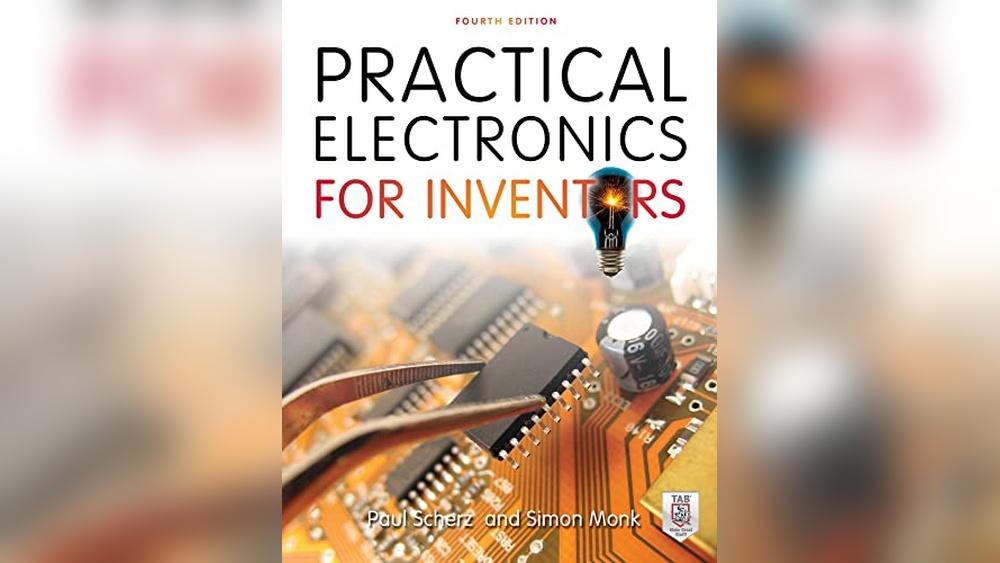
Practical Electronics For Inventors

The Practical Electronics for Inventors, Fourth Edition is ideal for hobbyists, students, and professionals who want to deepen their understanding of electronics. Whether you’re a beginner looking to build foundational knowledge or an experienced inventor seeking a comprehensive reference, this book offers clear explanations and practical insights to help you design and troubleshoot electronic circuits effectively.
Pros:
- Extensive coverage with over 1056 pages of detailed content.
- Published by the reputable McGraw-Hill Education TAB brand.
- Includes updated and modernized information relevant to current electronics technologies.
- Clear illustrations and practical examples to aid understanding.
- Comprehensive reference material suitable for both learning and project development.
Cons:
- Relatively heavy weight (approximately 4.55 pounds), making it less portable.
- The book’s large size and thickness may be overwhelming for absolute beginners.
- Some content might be too technical for casual readers without prior electronics background.
The Practical Electronics for Inventors, Fourth Edition stands out due to its thoroughness and clarity. The book’s extensive page count ensures that it covers a wide range of topics, from basic principles to advanced circuits, making it an invaluable resource for hands-on inventors. Its detailed schematics and real-world examples help users apply theory to practice, enhancing learning and project development.
Moreover, the book’s design by McGraw Hill TAB guarantees a high standard of quality and reliability. The updated edition reflects modern advancements in electronics, ensuring that readers stay current with emerging technologies. Although the physical dimensions and weight may be a consideration, the wealth of knowledge contained within makes it a worthy addition to any electronics enthusiast’s library.
Beginner’s Guide To Reading Schematics
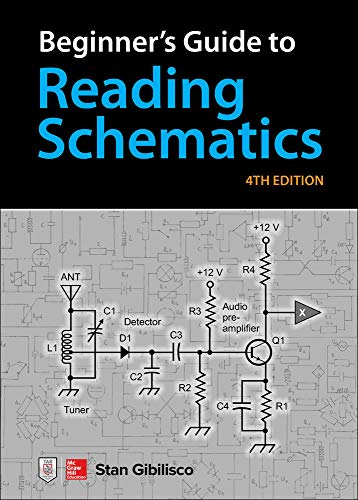
The Beginner’s Guide to Reading Schematics, Fourth Edition is ideal for individuals who are new to electronics and want to develop a strong foundational understanding of how to interpret electronic schematics. Whether you are a student, hobbyist, or aspiring technician, this book provides clear and comprehensive guidance to help you confidently read and understand circuit diagrams.
Pros:
- Comprehensive coverage of schematic reading fundamentals.
- Clear illustrations and practical examples to aid learning.
- Compact size with 224 pages, making it easy to carry and reference.
- Published by the reputable McGraw-Hill Education TAB brand.
- Updated fourth edition with current content as of 2018.
Cons:
- Primarily focused on beginners; may not satisfy advanced users.
- Limited depth on complex electronic components and systems.
This edition of the Beginner’s Guide to Reading Schematics stands out with its user-friendly approach to teaching the basics of reading electronic circuit diagrams. The book’s concise dimensions (8.8 inches height, 6.8 inches length, and 0.7 inches width) and manageable weight of approximately 2.31 pounds make it a convenient reference for both classroom and field use. Readers will benefit from well-organized chapters that progressively build skills, helping them decode symbols, lines, and connections that represent real-world electronics.
The guide also emphasizes practical application, enabling readers to translate schematic diagrams into functional knowledge. This is especially useful for hands-on learners and those repairing or designing circuits. With 224 pages filled with detailed explanations and examples, the book ensures that users gain confidence in schematic interpretation, ultimately enhancing their technical skills and understanding of electronic systems.
Electronics: Learning By Discovery

The Make: Electronics: Learning by Discovery is ideal for the new or aspiring electronics enthusiast looking to gain a solid foundation through hands-on experience. Whether you are a hobbyist, a student, or someone curious about how electronic circuits work, this book provides an accessible and engaging approach to learning electronics from the ground up.
Pros:
- Comprehensive and practical guide for beginners
- Includes step-by-step experiments to reinforce learning
- Clear explanations of complex concepts in simple language
- Compact and well-organized with 325 pages of content
- Published by a reputable source, Make Community, LLC
Cons:
- May be too basic for advanced electronics users
- Physical book format may not suit those preferring digital content
- Requires some additional electronic components for hands-on projects
This third edition of Make: Electronics offers a thorough introduction to electronics through a series of carefully designed projects that encourage discovery and experimentation. Its dimensions (9.75 x 8.0 x 0.68 inches) and weight (approximately 2.3 pounds) make it a handy reference book that can be easily handled during practical work. The 325 pages provide ample coverage of fundamental topics, making it a valuable resource for anyone wanting to understand the basics of circuits, components, and devices.
By focusing on learning through doing, this book helps users build confidence and practical skills while demystifying electronic principles. Readers benefit from clear instructions and real-world applications, which foster a deeper understanding of how electronics function in everyday gadgets. Overall, this hands-on primer is an excellent starting point for building a strong foundation in electronics.
Electronics For Beginners

Ideal for beginners and enthusiasts eager to explore the world of electronics, “Electronics for Beginners: A Practical Introduction to Schematics, Circuits, and Microcontrollers” is perfect for those who want a solid foundation in understanding electronic components, circuit design, and microcontroller programming. Whether you’re a student, hobbyist, or someone looking to start a career in electronics, this book offers clear and practical guidance.
Pros:
- Comprehensive coverage of schematics, circuits, and microcontrollers in one volume
- Well-structured and easy-to-understand explanations suitable for beginners
- Includes practical examples that reinforce theoretical concepts
- Written by Apress, a reputable brand and manufacturer known for quality educational content
- Generous length with 530 pages, providing in-depth knowledge
Cons:
- May be overwhelming for absolute beginners due to its length
- First edition might lack some updated industry advancements
- Physical size and weight (approx. 1.6 pounds) might be bulky for casual reading
This book offers a thorough introduction to electronics by breaking down complex topics such as reading schematics, designing circuits, and programming microcontrollers in a practical and approachable way. The detailed explanations and hands-on approach help readers build confidence as they progress from fundamental concepts to more advanced applications.
Readers benefit from the book’s clear layout and practical examples, which make abstract ideas tangible and easier to grasp. The focus on real-world applications ensures that learners can immediately apply their knowledge to projects, fostering a deeper understanding and encouraging experimentation. Overall, it serves as a valuable resource for those looking to gain a solid footing in the field of electronics.
Open Circuits: The Inner Beauty Of Electronic Components

The book Open Circuits: The Inner Beauty of Electronic Components is ideal for electronics enthusiasts, hobbyists, students, and professionals who appreciate the intricate design and aesthetic appeal of electronic parts. If you are someone who enjoys exploring the detailed structure and artistic side of electronics, this combined edition offers a visually stunning and informative experience.
Pros:
- Contains 304 pages filled with high-quality images and insightful commentary.
- Published by reputable No Starch Press, ensuring quality content.
- Compact dimensions (10.31 x 0.87 x 8.31 inches) and lightweight (1.25 pounds) make it easy to handle and store.
- The combined edition offers comprehensive coverage of various electronic components.
- Visually appealing red cover that stands out on any bookshelf.
Cons:
- Packaging may vary, which might affect presentation for collectors.
- Primarily a visual and aesthetic focus, so it may not satisfy those seeking deep technical tutorials.
This edition of Open Circuits showcases the inner beauty of electronic components through striking photography and detailed imagery, making it more than just a technical reference. The book’s carefully curated visuals highlight the complexity and elegance of everyday electronics, providing readers with a new appreciation for the components that power modern technology. Its compact size and quality printing ensure that the images are vivid and engaging, perfect for both casual browsing and in-depth study.
Readers will benefit from the combination of artistic presentation and informative descriptions, which explain the function and design of each component without overwhelming technical jargon. This makes it accessible to a broad audience, from beginners to seasoned engineers. Whether displayed on a coffee table or used as a teaching aid, the book inspires curiosity and fosters a deeper connection to the electronic world.
Understanding Basic Electronics

The book Understanding Basic Electronics – A Step-by-Step Guide to Electricity, Electronics, and Simple Circuits is ideal for beginners, hobbyists, and anyone interested in gaining a solid foundation in electronics. Whether you are a student, an amateur radio enthusiast, or someone looking to understand how electronic devices work, this guide offers clear and comprehensive instruction. It is particularly suited for those who prefer a structured, step-by-step approach to learning the fundamentals of electricity and simple circuits.
Pros:
- Comprehensive coverage of basic electronics concepts
- Step-by-step explanations ideal for beginners
- Published by a reputable organization, ARRL The National Association for Amateur Radio®
- Practical examples related to amateur radio and simple circuits
- Well-organized content across 387 pages
- Portable size with convenient dimensions and lightweight
Cons:
- Publication date is 2010, so some newer technologies may not be covered
- Primarily focused on basics, may not satisfy advanced learners
This second edition book by ARRL Inc. provides readers with a clear and methodical introduction to the world of electronics. Its focus on the principles of electricity, components, and circuits makes it a valuable resource for anyone wanting to build a strong foundation. The practical approach helps users understand how electronic components interact, making it easier to troubleshoot and create simple circuits. The book’s dimensions (10.5 x 8.0 x 0.75 inches) and weight (1.82 pounds) make it easy to handle and carry around for study or reference.
Readers will benefit from the detailed explanations and illustrations that break down complex topics into manageable lessons. The guide’s alignment with amateur radio concepts adds a unique perspective for hobbyists in that field. Although it might not cover the latest technological advancements, its timeless fundamentals remain highly relevant for anyone starting out in electronics. Overall, this book serves as a solid stepping stone toward more advanced electronics knowledge and practical application.
Electronics For Absolute Beginners

The book Electronics for Absolute Beginners: Learn Circuits, Components, and How to Build Your First Real PCB is ideal for individuals who are new to electronics and want a clear, straightforward introduction. Whether you are a hobbyist, a student, or someone looking to understand the basics of electronic circuits and printed circuit boards (PCBs), this guide provides the foundational knowledge needed to start building and experimenting confidently.
Pros:
- Clear, beginner-friendly explanations of electronic components and circuits
- Step-by-step guidance on how to build your first real PCB
- Compact and easy-to-handle size with 72 concise pages
- Published recently in 2025, ensuring up-to-date content
- Independently published, offering unique and focused insights
Cons:
- Limited to 72 pages, which might be brief for advanced learners
- May not cover highly complex or specialized electronics topics
This book offers a practical approach to learning electronics by breaking down complex concepts into manageable parts, making it perfect for absolute beginners. It covers essential topics like understanding different electronic components, how they work together in circuits, and the process of designing and assembling your own printed circuit board. This focus helps readers not only grasp theory but also apply it hands-on, enhancing their learning experience.
With its compact size of 8.5 inches by 5.5 inches and just 0.17 inches thick, this guide is easy to carry around and refer to during projects. The recent publication date ensures that the information aligns with current standards and practices in electronics. Overall, it serves as an accessible starting point for anyone eager to dive into the world of electronics and PCB building, providing both the knowledge and confidence needed to progress further.
Learn Electronics With Arduino

The Learn Electronics with Arduino: An Illustrated Beginner’s Guide to Physical Computing is perfect for beginners, hobbyists, and students who want to dive into the world of electronics and physical computing. If you are someone eager to understand the basics of Arduino programming and electronics through hands-on projects and clear illustrations, this guide is designed specifically for you. It suits those who prefer a step-by-step approach to learning rather than theoretical overload.
Pros:
- Comprehensive and easy-to-follow illustrated tutorials suitable for beginners
- Includes a wide range of projects that build practical skills
- Published by a reputable source, Make Community, LLC, ensuring quality content
- Detailed explanations help users understand both hardware and software aspects
- Compact and well-organized with 384 pages of valuable information
Cons:
- Some projects may require additional components not included in the book
- Primarily focused on beginners, may not satisfy advanced users looking for in-depth technical details
This book offers a well-structured approach to learning Arduino electronics, making complex concepts accessible through detailed illustrations and clear instructions. The focus on physical computing helps users develop a tangible understanding of how electronic components interact, which is highly beneficial for hands-on learners. The practical projects included not only enhance comprehension but also keep the learning process engaging and rewarding.
With its manageable size and thorough content, this guide is an excellent resource for those who want to start their journey into the maker community and explore the exciting possibilities of technology on your time. Whether you’re a student, educator, or hobbyist, the book provides a solid foundation to build your skills and confidence in electronics and programming.
Make Your First Electronic Circuit

The book “Make Your First Electronic Circuit: Beginner’s Journey From Learning Electronic Basics To Making Electronic Circuits” is ideal for anyone new to electronics who wants a clear, step-by-step guide to understanding and building electronic circuits. Whether you’re a student, hobbyist, or someone looking to start a career in electronics, this book provides foundational knowledge and practical skills to help you confidently create your own circuits.
Pros:
- Comprehensive introduction to electronic basics suitable for beginners
- Step-by-step instructions for building actual electronic circuits
- Compact and easy-to-handle book dimensions (11.0 x 8.5 x 0.37 inches) and lightweight (1.09 pounds)
- Published recently in 2024, ensuring up-to-date content
- 164 pages of detailed explanations and practical examples
Cons:
- May not cover advanced electronic concepts for more experienced users
- Independent publication might lack the polish of mainstream textbooks
This book stands out by combining theoretical electronic basics with hands-on circuit building, making it easier for beginners to connect concepts with real-world applications. The detailed explanations help users grasp essential principles such as voltage, current, and resistance before moving on to assembling circuits. This approach ensures learners build a strong foundation and confidence in electronics.
Additionally, the practical projects included in the book provide immediate benefits by allowing users to see tangible results from their learning. This encourages continued exploration and experimentation, ultimately fostering a deeper understanding and enthusiasm for electronic design and troubleshooting. The book’s manageable size and recent publication date make it a convenient and relevant resource for anyone starting their electronic journey.
Encyclopedia Of Electronic Components Volume 1

The Encyclopedia of Electronic Components Volume 1 is ideal for electronics enthusiasts, students, hobbyists, and professionals who seek a comprehensive and detailed resource on fundamental electronic components such as resistors, capacitors, inductors, switches, encoders, relays, and transistors. If you want to deepen your understanding of these essential components and how they function in circuits, this book is an invaluable guide.
Pros:
- Comprehensive coverage of basic electronic components with clear explanations.
- High-quality illustrations and diagrams to aid understanding.
- Compact and well-organized format with 294 pages of detailed content.
- Published by MAKER MEDIA INC, ensuring reliable and accurate information.
- Perfect for both beginners and experienced users seeking a reference manual.
Cons:
- Focuses only on Volume 1 components; additional volumes needed for other parts.
- Publication date (2012) means some newer technologies might not be covered.
- Physical size and weight (over 2 pounds) might be less convenient for on-the-go use.
This encyclopedia delivers an in-depth exploration of fundamental electronic components, making complex topics accessible through clear descriptions and practical illustrations. Each component, from resistors to transistors, is explained with attention to its function, construction, and application, providing readers with the knowledge needed to design, analyze, or repair electronic circuits effectively. The book’s well-structured format allows users to quickly locate information and understand how different components interact within a system.
Beyond just theory, this volume emphasizes practical benefits by showcasing real-world examples and usage tips, making it an essential reference for anyone working with electronics. Whether you are building projects, troubleshooting devices, or simply expanding your technical knowledge, the Encyclopedia of Electronic Components Volume 1 equips you with foundational insights that enhance your skills and confidence in the field.
Frequently Asked Questions
What Is The Best Book For Electronics Beginners?
“Practical Electronics for Inventors, Fourth Edition” is ideal. It offers clear explanations and practical projects for beginners to understand electronics fundamentals effectively.
Which Book Helps Learn Reading Schematics Easily?
“Beginner’s Guide to Reading Schematics, Fourth Edition” focuses on decoding circuit diagrams. It simplifies symbols and layouts for new learners.
Are There Books That Teach Hands-on Electronics Learning?
Yes, “Make: Electronics: Learning by Discovery” provides hands-on projects. It encourages learning through building real circuits and experimentation.
Which Book Covers Microcontrollers For Beginners?
“Electronics for Beginners” includes practical microcontroller basics. It helps beginners grasp circuits and programming in one resource.
What Book Explains Electronic Components In Detail?
“Encyclopedia of Electronic Components Volume 1” thoroughly details resistors, capacitors, transistors, and more. It’s perfect for understanding component functions.
Can I Learn To Build Pcbs From A Beginner Book?
Yes, “Electronics for Absolute Beginners” guides you to create real PCBs. It covers circuits, components, and step-by-step PCB design.
Conclusion
Choosing the right book can make learning electronics easier and more fun. Each book listed offers clear explanations and useful examples for beginners. Whether you want to understand schematics, build circuits, or explore microcontrollers, these books cover key topics step-by-step.
They use simple language and hands-on projects to help you practice what you learn. Starting with any of these guides will build a strong foundation in electronics. Remember, patience and practice are important as you study. With these resources, you can develop your skills at your own pace.
Enjoy the process and keep experimenting with circuits. Soon, you will feel more confident and ready to take on new challenges. These books are great companions on your learning journey in electronics.