Choosing the best electronics book for engineering can boost your learning and skills. Clear, practical guides help understand complex concepts easily.
Electronics is a core subject for engineering students and hobbyists. Finding the right book makes learning faster and more enjoyable. Books like *Practical Electronics for Inventors* and *The Art of Electronics* offer clear explanations and real-world examples. Beginners benefit from step-by-step guides such as *Step-by-Step Electrical Engineering* and *Understanding Basic Electronics*.
Hands-on learners enjoy *Make: Electronics*, which encourages discovery and practice. Others prefer formula-focused books like *Electrical Engineering Formulas Explained Simply* to grasp math and concepts quickly. For circuit reading, *Beginner’s Guide to Reading Schematics* is very helpful. This list covers essential titles to build strong electronics knowledge for engineering success.
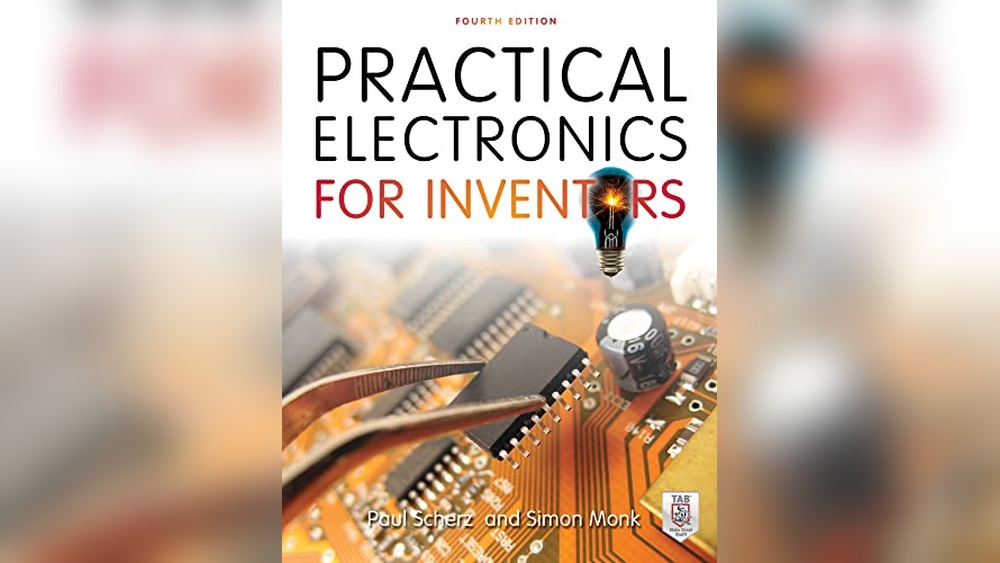
Practical Electronics For Inventors

The Practical Electronics for Inventors, Fourth Edition is ideal for hobbyists, students, and professionals who are eager to deepen their understanding of electronics and develop hands-on skills. If you are someone looking to build practical knowledge through clear explanations and detailed projects, this comprehensive guide is perfect for you.
Pros:
- Extensive coverage of electronic components and circuits with practical examples.
- Over 1,000 pages filled with detailed illustrations and step-by-step instructions.
- Updated edition reflecting modern electronics technology and standards.
- Written in an accessible style suitable for beginners and experienced inventors alike.
- Includes valuable insights on troubleshooting and designing your own projects.
Cons:
- Large physical size and weight may be cumbersome for some users.
- Due to its thoroughness, it may be overwhelming for absolute beginners without any electronics background.
- Publication date in 2016 means some cutting-edge technologies might not be covered.
This edition of Practical Electronics for Inventors offers a wealth of knowledge with its detailed explanations of electronic theory and practical applications. With over 1,000 pages, it covers everything from basic components like resistors and capacitors to advanced topics such as microcontrollers and digital circuits. The book’s clear illustrations and step-by-step projects help users translate theory into real-world electronic inventions, making it a valuable resource for learning and experimentation.
Additionally, the book’s comprehensive approach ensures that readers develop a solid foundation in electronics principles, enhancing their ability to troubleshoot and innovate. The updated content reflects current practices and components, making it relevant for modern inventors. Whether you are designing circuits for hobby projects or pursuing a career in electronics, this book provides practical tools and insights to support your creative journey.
Step-by-step Electrical Engineering

The Step-by-Step Electrical Engineering: Learn and Apply Core Concepts Quickly is ideal for aspiring engineers and enthusiasts who want to build a solid foundation in electrical engineering without any prior background. This book is perfect for individuals looking to grasp core concepts quickly through practical examples, making it suitable for self-learners and students alike.
Pros:
- Provides clear, step-by-step explanations for complex electrical engineering topics.
- Includes practical examples that help in applying theoretical knowledge.
- No prior background required, making it accessible to beginners.
- Compact and portable with dimensions of 9.0 x 6.0 x 0.4 inches and weighing 0.7 pounds.
- Published recently in 2024, ensuring up-to-date content.
Cons:
- With only 174 pages, some advanced topics may not be covered in depth.
- Being independently published, it may lack extensive peer reviews.
This book excels in breaking down electrical engineering concepts into manageable, easy-to-understand segments. By focusing on core principles and reinforcing them through practical examples, readers can quickly gain confidence in their skills. The content is designed to be approachable, making it an excellent resource for those without any previous exposure to the field.
Additionally, the book’s compact size and weight make it convenient to carry around, allowing learners to study anytime and anywhere. Its recent publication date means the information is current, reflecting modern practices and technologies in electrical engineering. Overall, it is a valuable tool for anyone eager to build a strong foundation and apply their knowledge effectively.
The Art Of Electronics
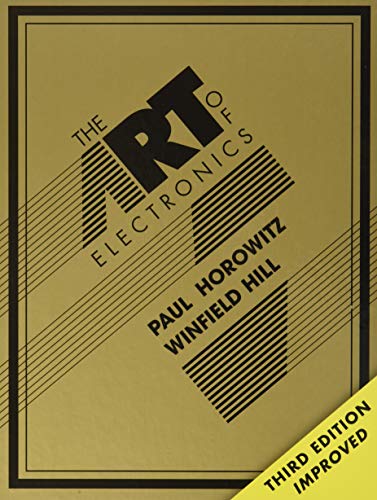
The Art of Electronics is ideal for students, engineers, and hobbyists who want a comprehensive and authoritative resource on electronics. This book is perfect for those seeking a deep understanding of electronic principles and practical circuit design, whether for academic study or professional application.
Pros:
- Comprehensive coverage with over 1220 pages of detailed content
- Published by the reputable Cambridge University Press
- Third edition includes updated and modern electronic concepts
- Large format providing clear diagrams and illustrations
- Useful for both beginners and advanced users seeking in-depth knowledge
Cons:
- Relatively heavy and bulky with a weight of over 5 pounds
- May be overwhelming for absolute beginners due to its extensive content
- Publication date from 2015, so some very recent technological advances might not be covered
This book’s generous size and detailed explanations make it a valuable tool for mastering electronics. The dimensions (Height: 11.42 inches, Width: 2.6 inches, Length: 8.27 inches) provide a comfortable reading experience, allowing users to explore complex circuits and theories without difficulty. The extensive number of pages ensures that a wide range of topics, from basic components to advanced systems, are thoroughly addressed.
With the backing of Cambridge University Press, this edition reflects a trusted standard in educational materials. Readers benefit from clear, practical examples and updated content that enhances understanding and application in real-world electronics projects. Whether for academic study or professional reference, The Art of Electronics is a definitive guide that supports users in building solid electronics expertise.
Open Circuits: The Inner Beauty Of Electronic Components

The Open Circuits: The Inner Beauty of Electronic Components is ideal for electronics enthusiasts, students, and professionals who appreciate the intricate design and functionality of electronic components. If you are someone who enjoys exploring the aesthetics and inner workings of circuits, or if you want to deepen your understanding of electronics through a visually engaging format, this book is a perfect choice.
Pros:
- Contains 304 pages filled with detailed images and explanations.
- Published by the reputable No Starch Press.
- Compact dimensions (10.31 x 0.87 x 8.31 inches) and lightweight (1.25 pounds) for easy handling.
- Features a combined edition that consolidates valuable content.
- Offers a unique perspective on the inner beauty of electronic components through high-quality visuals.
Cons:
- Packaging may vary, which might affect collector value.
- Primarily appeals to a niche audience interested in electronics and design.
- Limited color options (red), which may not appeal to all buyers.
This book stands out due to its focus on the aesthetic and structural details of electronic components, making it more than just a technical manual. The high-resolution photographs and insightful commentary allow readers to appreciate electronics from a new angle, blending art and science. The combined edition ensures comprehensive coverage, making it a valuable resource for both learning and inspiration.
With its manageable size and weight, Open Circuits is easy to carry and reference. Its publication by No Starch Press guarantees quality and reliability. Whether you are a hobbyist wanting to explore circuits in-depth or a professional seeking a visually stimulating reference, this book offers benefits that extend beyond traditional electronics literature.
Understanding Basic Electronics

Ideal for beginners and hobbyists eager to grasp the fundamentals of electricity, electronics, and simple circuits, the book Understanding Basic Electronics – A Step-by-Step Guide to Electricity, Electronics, and Simple Circuits by ARRL Inc. is perfect for those who want a clear, structured introduction. Whether you’re a student, an amateur radio enthusiast, or someone looking to build a solid foundation in electronics, this guide offers practical insights and easy-to-follow instructions.
Pros:
- Comprehensive coverage of basic concepts in electricity and electronics.
- Step-by-step explanations make complex topics approachable for beginners.
- Produced by ARRL, a reputable organization in amateur radio and electronics education.
- Well-organized content spanning 387 pages, allowing for in-depth learning.
- Compact and lightweight with dimensions suitable for easy handling and storage.
Cons:
- Publication date (2010) may mean some newer technologies are not covered.
- Primarily focused on fundamentals; advanced users might find it basic.
- Physical book format may not be convenient for those preferring digital copies.
This guide offers readers a thorough introduction to the world of basic electronics, starting with the principles of electricity and moving on to simple circuits. Its clear layout and detailed explanations help users build confidence as they progress, making it easier to understand how electronic components work together in practical applications. The inclusion of numerous diagrams and examples enhances comprehension, catering especially to visual learners.
With its manageable size and 387 pages of content, the book balances depth and accessibility. Users benefit from the expertise of ARRL, a trusted name in the field, ensuring that the material is both accurate and relevant. By mastering the basics outlined in this guide, readers can develop a strong foundation that supports further study or hands-on experimentation in electronics and amateur radio projects.
Electronics: Learning By Discovery

The Make: Electronics: Learning by Discovery is ideal for beginners and new electronics enthusiasts who want a hands-on, practical approach to understanding electronics. Whether you are a hobbyist, a student, or someone looking to build a solid foundation in electronics, this book offers an engaging way to learn through experiments and discovery.
Pros:
- Comprehensive coverage with 325 pages of content.
- Third edition with updated and refined material.
- Clear, hands-on projects that encourage active learning.
- Written by Make Community, LLC, a trusted name in DIY electronics.
- Compact and manageable physical dimensions for easy handling.
Cons:
- May be challenging for absolute beginners without prior exposure to basic science concepts.
- Primarily focused on analog electronics; less emphasis on modern digital components.
This book offers a step-by-step approach to electronics, making complex concepts accessible through practical experiments. Each chapter builds on the previous one, allowing readers to gradually develop skills and confidence. The emphasis on discovery helps users not just memorize facts but truly understand how electronic components work together. The physical size of the book, being under 10 inches in height and lightweight, makes it easy to carry and reference during projects.
Additionally, the updated third edition ensures that the content stays relevant with current electronics trends, providing both foundational knowledge and contemporary insights. Readers benefit from clear instructions and hands-on exercises that foster creativity and problem-solving skills, making this an excellent resource for anyone eager to delve into the world of electronics with practical, real-world applications.
Electrical Engineering 101

The book Electrical Engineering 101: Everything You Should Have Learned in School…but Probably Didn’t is ideal for aspiring and current electrical engineers, students, and hobbyists who want a clear, practical understanding of electrical engineering concepts without the complexity often found in academic texts. If you are looking to strengthen your foundation or gain practical insights into the field, this book is tailored for you.
Pros:
- Clear and accessible explanations of complex electrical engineering principles.
- Compact and portable size with 304 pages of comprehensive content.
- Authored by Newnes, a reputable brand known for quality technical publications.
- Third edition with updated material reflecting relevant industry practices.
- Includes practical examples and real-world applications for better understanding.
Cons:
- Some sections might be too basic for advanced engineers seeking in-depth theory.
- Publication date (2011) may mean some content is slightly outdated in fast-evolving areas.
- Limited visual aids compared to other engineering textbooks.
This book stands out due to its ability to break down complex electrical engineering concepts into digestible and understandable segments. Its physical dimensions, measuring approximately 9.25 by 7.5 inches and weighing just over 2 pounds, make it an ideal companion for both classroom and on-the-go study. The third edition ensures readers get updated and relevant information, while the practical focus helps bridge the gap between theory and application.
Readers benefit from the book’s straightforward approach, which skips heavy jargon and focuses on what every electrical engineer should know but might have missed during formal education. Whether you’re a student, technician, or hobbyist, the insights provided can enhance your skills and confidence in tackling electrical engineering challenges.
Electrical Engineering Formulas Explained Simply

Ideal for beginners and students eager to grasp the fundamentals of electrical engineering, Electrical Engineering Formulas Explained Simply is a perfect guide for those who want to learn electrical concepts, formulas, and math with ease. This book suits individuals who prefer clear explanations and step-by-step logic to build a solid foundation in electrical engineering, making complex topics accessible through real-world applications.
Pros:
- Clear and concise explanations tailored for beginners
- Step-by-step logical approach simplifies complex formulas
- Real-world applications help relate theory to practice
- Compact and easy-to-carry dimensions (9.0 x 6.0 x 0.23 inches)
- Comprehensive coverage within 100 pages for quick learning
Cons:
- May be too basic for advanced electrical engineering students
- Limited depth due to concise format and page count
This book offers an excellent introduction to essential electrical engineering formulas and concepts, providing readers with a well-structured path from theory to application. The use of step-by-step logic ensures that readers not only memorize formulas but also understand the reasoning behind them, which enhances problem-solving skills. Its beginner-friendly language makes it accessible to those without prior technical knowledge.
With a focus on real-world applications, this guide bridges the gap between academic learning and practical use, making it ideal for students and hobbyists alike. The compact size and manageable length make it a convenient reference for quick study sessions, ensuring users can efficiently grasp the core material without feeling overwhelmed.
Beginner’s Guide To Reading Schematics
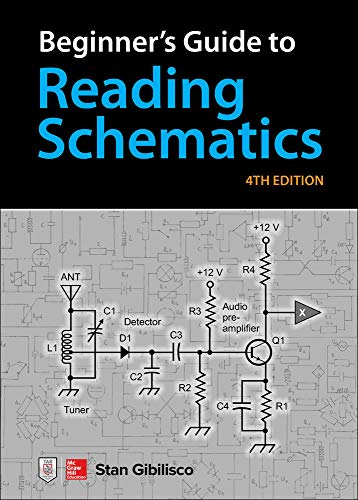
The Beginner’s Guide to Reading Schematics, Fourth Edition is ideal for electronics enthusiasts, students, and professionals who want to develop a strong foundation in understanding electrical schematics. Whether you are new to electronics or looking to refresh your skills, this guide provides clear explanations and practical examples to help you confidently interpret circuit diagrams.
Pros:
- Comprehensive coverage of schematic symbols and conventions
- Clear, step-by-step explanations tailored for beginners
- Compact size with 224 pages, making it easy to carry and reference
- Published by a reputable brand, McGraw-Hill Education TAB
- Well-organized content that builds knowledge progressively
Cons:
- Some advanced topics may require additional resources
- Published in 2018, so it may lack very recent industry updates
This guidebook features a detailed introduction to the fundamental concepts of reading and interpreting electronic schematics, making it an essential tool for beginners. The inclusion of clear illustrations and practical examples helps users translate complex circuit diagrams into understandable components and functions. Its manageable dimensions and weight make it convenient for students and hobbyists to carry around for study and reference.
By mastering the content of this edition, readers gain valuable skills that improve their ability to troubleshoot, design, and work with electronic circuits effectively. The fourth edition ensures updated content while maintaining a beginner-friendly approach, empowering users to build confidence in their technical abilities. Overall, it serves as a reliable resource for anyone looking to gain a solid grasp of schematic reading in the electronics field.
Encyclopedia Of Electronic Components Volume 1

The Encyclopedia of Electronic Components Volume 1 is ideal for electronics enthusiasts, students, hobbyists, and professionals who want a comprehensive and accessible reference guide. If you are looking to deepen your understanding of fundamental electronic components such as resistors, capacitors, inductors, switches, encoders, relays, and transistors, this book is a perfect fit for you.
Pros:
- Comprehensive coverage of essential electronic components with clear explanations.
- Detailed illustrations and diagrams enhance understanding.
- Compact size (9.75 x 8.0 x 0.59 inches) makes it easy to carry and reference.
- Authored by MAKER MEDIA INC, ensuring credible and reliable content.
- 294 pages filled with practical information useful for both beginners and advanced users.
Cons:
- Publication date (2012) means some newer technologies or components might not be included.
- Focuses primarily on Volume 1 components; further volumes are needed for a full electronics library.
This encyclopedia provides an in-depth look at each component’s function, construction, and application, enabling readers to understand how these parts fit into larger electronic systems. The detailed descriptions and hands-on approach help users troubleshoot, design, and innovate with confidence. For example, understanding the characteristics of transistors and relays allows for more effective circuit design and automation.
Additionally, the book’s structured layout and clear language make it accessible to a wide audience, from beginners to seasoned engineers. The benefit of having this knowledge at your fingertips means quicker problem-solving and enhanced learning, making it an indispensable resource for anyone involved in electronics.
Frequently Asked Questions
What Is The Best Beginner Book For Electronics Engineering?
“Step-by-Step Electrical Engineering” is ideal for beginners. It requires no background and uses practical examples to build core knowledge quickly.
Which Book Explains Electronic Components In Detail?
“Encyclopedia of Electronic Components Volume 1” offers in-depth information about resistors, capacitors, transistors, and more. It’s perfect for component understanding.
Can I Learn Practical Electronics From A Single Book?
Yes, “Practical Electronics for Inventors, Fourth Edition” combines theory with hands-on projects. It’s great for inventors and enthusiasts alike.
Which Book Helps In Reading Electronic Schematics Effectively?
“Beginner’s Guide to Reading Schematics, Fourth Edition” is designed to teach schematic interpretation clearly and simply.
What Is A Recommended Book For Electrical Engineering Formulas?
“Electrical Engineering Formulas Explained Simply” provides clear explanations and real-world applications of essential formulas, ideal for beginners and students.
Are There Books Suitable For Self-learners In Electronics?
Yes, “Make: Electronics: Learning by Discovery” offers a hands-on approach perfect for self-learners and new electronics enthusiasts.
Conclusion
Choosing the right electronics book can shape your learning and skills in engineering. Each book on this list offers clear explanations and practical examples. They cover basics like circuits and components, as well as advanced topics. Whether you are a beginner or have some experience, these books help build a strong foundation.
Step-by-step guides make complex ideas easier to grasp. Hands-on approaches encourage learning by doing, which is very effective. You can find detailed formulas, schematics reading tips, and component information. These resources are designed to support your growth at your own pace.
Keep exploring, practicing, and applying what you learn. With patience and effort, understanding electronics becomes simpler and more enjoyable. This list is a great starting point for anyone interested in engineering and electronics. Take your time to choose the book that fits your needs best.
Your journey in electronics starts here.