Choosing the best electronics engineering textbook can boost your learning and skills. This guide reviews top books that cover key topics clearly and simply.
Electronics engineering covers circuits, devices, and systems essential for modern technology. A good textbook helps students and hobbyists understand these basics step by step. The books listed here range from practical guides to detailed references, offering both theory and hands-on examples.
Whether you want to learn about resistors, capacitors, or power electronics, these titles provide solid knowledge. Each book suits different learning styles and levels, making complex ideas easier to grasp. This review helps you find a book that fits your needs, so you can build a strong foundation in electronics engineering. Clear explanations and useful diagrams make these resources valuable for beginners and advanced learners alike.
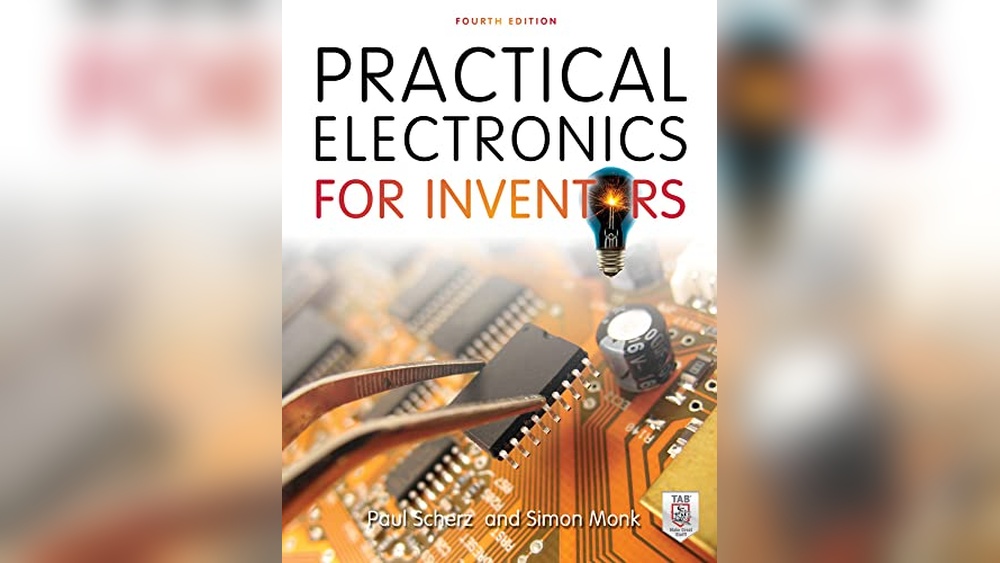
Practical Electronics For Inventors

The Practical Electronics for Inventors, Fourth Edition is ideal for hobbyists, students, and professionals who want to deepen their understanding of electronics and apply practical skills to real-world projects. Whether you are an aspiring inventor, an engineer, or someone passionate about circuit design, this comprehensive guide provides valuable insights and hands-on knowledge to help you succeed.
Pros:
- Extensive coverage of fundamental and advanced electronics concepts
- Over 1,000 pages filled with clear explanations and practical examples
- Includes detailed diagrams and illustrations to aid comprehension
- Written by reputable publisher McGraw-Hill Education TAB ensuring quality content
- Updated fourth edition reflects modern electronics developments
Cons:
- Relatively heavy and large book, weighing over 4.5 pounds
- May be overwhelming for absolute beginners without any prior electronics background
- Printed edition might not be as portable compared to digital alternatives
This edition of Practical Electronics for Inventors spans over 1,000 pages packed with detailed explanations on various components, circuit theories, and practical projects. The book’s layout and use of diagrams make complex topics more accessible, allowing users to build a solid foundation in electronics. Readers benefit from its structured approach, which gradually introduces concepts from basic principles to more intricate applications, making it a reliable reference for continuous learning.
Additionally, the book covers a wide array of topics such as semiconductors, microcontrollers, and power electronics, providing inventors with the tools to design and troubleshoot effectively. The practical examples and hands-on projects help users translate theory into action, fostering creativity and confidence in electronics design. Overall, this resource serves as an indispensable guide for anyone serious about mastering electronics and inventing innovative devices.
Electrical Engineering 101

Ideal for students, beginners, and enthusiasts looking to solidify their foundation in electrical engineering, “Electrical Engineering 101: Everything You Should Have Learned in School…but Probably Didn’t” is a comprehensive guide designed to fill the gaps left by traditional education. If you want a clear, practical understanding of core concepts without getting lost in overly technical jargon, this book is a perfect choice.
Pros:
- Clear and concise explanations of fundamental electrical engineering concepts.
- Compact size with 304 pages, making it easy to carry and reference.
- Written by Newnes, a reputable brand and manufacturer in technical publications.
- Includes practical examples and real-world applications to enhance learning.
- Third edition, ensuring updated and relevant content for modern learners.
Cons:
- May not cover advanced or specialized topics for experienced engineers.
- Publication date from 2011 might mean some newer technologies are not included.
- Physical dimensions and weight (over 2 pounds) could be bulky for some readers.
This book offers a well-organized approach to understanding electrical engineering principles, covering essential topics that many might have missed during their formal education. The clear layout and practical focus help users apply knowledge directly to projects or further study, making complex subjects accessible. Its moderate length of 304 pages strikes a balance between depth and readability, providing enough detail without overwhelming the reader.
With its reputable Newnes branding and carefully curated content, this edition ensures learners are equipped with foundational skills critical for academic success or professional growth. Whether you’re self-studying or supplementing coursework, the book’s structured format and illustrative examples enhance comprehension and retention, making it a valuable resource in the field of electrical engineering.
The Art Of Electronics
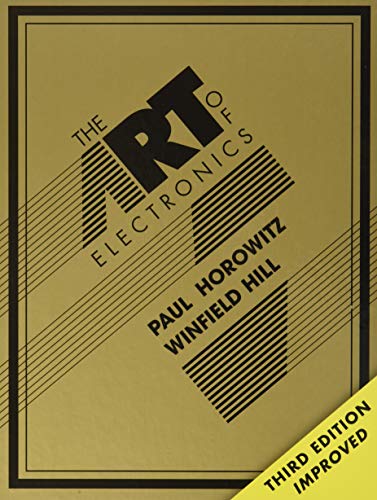
The Art of Electronics is ideal for engineering students, electronics hobbyists, and professionals seeking a comprehensive and authoritative resource on electronics. Those who want to deepen their understanding of both fundamental concepts and practical applications will find this book invaluable. It is particularly suited for readers who appreciate detailed explanations combined with real-world examples and extensive reference material.
Pros:
- Comprehensive coverage of analog and digital electronics
- Extensive number of pages (1220) providing in-depth knowledge
- Published by the reputable Cambridge University Press
- Well-structured third edition with updated content
- High-quality explanations suitable for both beginners and advanced users
Cons:
- Large physical size and weight (over 5 pounds) may be cumbersome for some users
- Advanced material may be challenging for absolute beginners without prior knowledge
- Publication date (2015) means some cutting-edge technologies might not be covered
This edition of The Art of Electronics offers a vast and detailed exploration of electronic circuits and systems. Measuring approximately 11.4 inches in height and 8.3 inches in length, the book is designed as a substantial reference text. The third edition reflects modern advancements while maintaining clarity and accessibility, making it a reliable companion for readers who want to apply electronics principles practically.
With more than 1200 pages, the book delves into both the theoretical and hands-on aspects of electronics, enabling users to not only understand concepts but also to implement them effectively in real-world projects. The extensive content ensures that students and professionals alike can find answers to a wide range of questions, from basic components to complex circuit designs, reinforcing their learning and enhancing their expertise.
Encyclopedia Of Electronic Components Volume 1

The Encyclopedia of Electronic Components Volume 1 is an ideal resource for electronics enthusiasts, students, and professionals who want to deepen their understanding of fundamental electronic parts such as resistors, capacitors, inductors, switches, encoders, relays, and transistors. If you are someone looking to enhance your knowledge for practical projects, repairs, or design, this comprehensive guide is perfect for you.
Pros:
- Detailed explanations of common electronic components with clear illustrations
- Comprehensive coverage of basic components essential for electronics projects
- Compact and well-organized with 294 pages of valuable information
- Published by reputable maker community with practical insights
- Durable physical dimensions suitable for frequent use and reference
Cons:
- Focuses only on Volume 1 components, so additional volumes may be needed for advanced topics
- Publication date from 2012, so some newer component technologies might not be covered
The book’s layout and detailed descriptions make it easy for users to identify and understand the purpose and function of each component. With its focus on core elements like resistors and capacitors, readers gain a solid foundation for building and troubleshooting circuits. The inclusion of components such as switches, encoders, relays, and transistors also allows for exploration of more complex electronic behavior.
Its practical approach, backed by the expertise of MAKER MEDIA INC and Make Community, LLC, ensures that readers receive not just theoretical knowledge but also real-world applications. The book’s manageable size and weight make it a convenient reference for hobbyists and professionals alike, supporting both learning and hands-on experimentation.
Learning The Art Of Electronics

Learning the Art of Electronics: A Hands-On Lab Course is ideal for students, hobbyists, and professionals who want to deepen their understanding of electronics through practical experience. This comprehensive guide is perfect for those who prefer learning by doing and seek a detailed, hands-on approach to mastering electronic circuits and components. Whether you are a beginner aiming to build a solid foundation or an experienced engineer looking to refine your skills, this book offers valuable insights and exercises tailored for a wide range of learners.
Pros:
- Comprehensive coverage with 1180 pages of detailed content and labs.
- Published by the reputable Cambridge University Press.
- Includes practical, hands-on exercises that reinforce theoretical knowledge.
- Second edition with updated and refined material.
- Compact dimensions make it easy to carry and reference.
Cons:
- Hefty weight of over 5 pounds may be cumbersome for some users.
- Large volume could be overwhelming for absolute beginners.
- Publication date in 2025 means it may not cover the very latest electronics trends.
This book offers an extensive exploration of electronics through a hands-on lab course format that allows users to directly apply concepts as they learn. Its detailed exercises help readers build practical skills in circuit design, troubleshooting, and analysis. The clear structure and well-organized content make it easier for learners to progress from basic concepts to more advanced topics in electronics.
The benefits of using this course include a deeper understanding of electronic principles, enhanced problem-solving abilities, and increased confidence in handling real-world electronic devices. The book’s practical approach ensures that users not only grasp theoretical knowledge but also develop the capability to implement and experiment with circuits independently, which is invaluable for both academic and professional growth.
Principles Of Power Electronics

The book Principles of Power Electronics is ideal for students, engineers, and professionals who want a comprehensive understanding of modern power electronics. If you are looking to deepen your knowledge in power conversion, semiconductor devices, or control techniques, this book, published by Cambridge University Press, is perfect for you. Its detailed explanations and practical approach make it suitable for both academic study and industry reference.
Pros:
- Extensive coverage with 875 pages of detailed content
- Published in 2023, ensuring up-to-date information
- Second edition that includes latest advancements in power electronics
- Comprehensive explanations of semiconductor devices and control strategies
- High-quality publication from a reputable academic publisher
Cons:
- Relatively heavy at over 4.6 pounds, making it less portable
- Lengthy and detailed, which might be overwhelming for beginners
- Physical dimensions may require careful storage space
The Principles of Power Electronics book offers in-depth knowledge on the fundamental and advanced topics of power electronics. With its substantial 875-page content, readers can explore a wide range of subjects including power semiconductor devices, converters, and control methodologies. The comprehensive nature of the book ensures that users develop both theoretical understanding and practical skills essential for designing efficient power electronic systems.
Additionally, the book’s latest 2nd edition status reflects the most recent technological advancements and industry standards, making it a reliable and current resource. Its detailed diagrams, examples, and problem sets help reinforce learning and enable readers to apply concepts effectively in real-world scenarios. Overall, this publication is a valuable tool for anyone serious about mastering power electronics.
Electronics Engineering

The Electronics Engineering (Engineering Core Series) is ideal for students, aspiring engineers, and professionals who want to deepen their understanding of electronics fundamentals. This book is perfect for those seeking a concise yet comprehensive resource to build a strong foundation in electronics engineering concepts and applications.
Pros:
- Concise and focused content with 65 pages for easy learning.
- Published by Knowledge Flow, ensuring reliable and well-structured material.
- Covers essential electronics engineering topics suitable for beginners and intermediate learners.
- Compact format makes it easy to carry and reference on the go.
Cons:
- Limited depth due to shorter length may not satisfy advanced learners.
- Publication date (2014) means some content might be slightly outdated.
This book offers a streamlined approach to understanding core concepts in electronics engineering, making it accessible to readers who prefer a clear and straightforward presentation. The 65 pages are packed with relevant information, allowing users to grasp fundamental principles without feeling overwhelmed. It serves as a great supplementary resource alongside more detailed textbooks or practical coursework.
Additionally, the material focuses on practical applications and theoretical knowledge that are crucial for academic success and professional development. The concise format helps users quickly review key topics and strengthen their problem-solving skills, which is beneficial for exam preparation or project work in electronics engineering fields.
A Degree In A Book: Electrical And Mechanical Engineering

Ideal for aspiring engineers, students, and self-learners seeking a comprehensive and accessible introduction to electrical and mechanical engineering, “A Degree in a Book: Electrical and Mechanical Engineering” is perfect for those who want to master the essentials quickly without attending formal classes. This book is designed for individuals who prefer a concise, all-in-one resource that covers fundamental concepts and practical knowledge in one place.
Pros:
- Comprehensive coverage of both electrical and mechanical engineering topics in a single volume
- Published by Audible and produced by Arcturus Digital Limited, ensuring high-quality content and narration
- Easy-to-understand explanations suitable for beginners and intermediate learners
- Convenient format for self-paced learning and quick reference
- Published recently in 2022, reflecting up-to-date engineering principles and practices
Cons:
- May not cover advanced or specialized engineering topics in depth
- Primarily designed for audio format, which might not suit all learning styles
- Lacks practical hands-on exercises found in formal engineering courses
This book stands out by providing a holistic approach to mastering key concepts in both electrical and mechanical engineering. It blends theory with practical insights, making it easier for users to understand how these disciplines interplay in real-world applications. The concise format helps learners save time while still gaining a solid foundation necessary for academic or professional advancement.
With its clear and engaging narration by Arcturus Digital Limited, this resource ensures that complex topics are broken down into manageable segments. Users benefit from the ability to absorb information on-the-go, ideal for busy students or professionals. Overall, this book serves as an excellent stepping stone for anyone eager to build a strong engineering knowledge base without committing to lengthy degree programs.
Electronics Fundamentals

The Electronics Fundamentals: Circuits, Devices & Applications is ideal for students, educators, and electronics enthusiasts seeking a comprehensive resource to master the principles of electronics. Whether you are pursuing a degree in electrical engineering or looking to deepen your understanding of circuit design and device applications, this book offers a solid foundation with practical insights.
Pros:
- Comprehensive coverage of electronics fundamentals with over 1000 pages of detailed content
- Published by the reputable PEARSON EDUCATION and authored by experts from Pearson
- Includes clear explanations of circuits, devices, and their real-world applications
- Updated 8th edition ensuring relevant and current information
- Large format (11.25 x 8.5 inches) providing easy-to-read layouts and diagrams
Cons:
- Relatively heavy at over 5 pounds, making it less portable
- Lengthy content (1063 pages) which may be overwhelming for beginners
- Publication date from 2009, so some cutting-edge technologies may not be included
This book offers a thorough exploration of electronic circuits and devices, starting from basic concepts and progressing to complex applications. The detailed explanations and abundant illustrations help users grasp the underlying theories and practical implementation. The large number of pages ensures that readers will find extensive coverage on topics ranging from semiconductor devices to integrated circuits, supporting a deep learning experience.
Additionally, the book’s structure facilitates both academic study and self-paced learning. Its 8th edition reflects updates and improvements that enhance clarity and relevance, making it a dependable reference for students and professionals alike. Although it is comprehensive, the slightly dated publication means users should complement it with recent articles or resources for the latest advancements in electronics.
Delmar’s Standard Textbook Of Electricity

Delmar’s Standard Textbook of Electricity is ideal for students, electricians, and technical professionals seeking a comprehensive and authoritative resource on electrical principles. Those who want to deepen their understanding of electricity, from fundamentals to advanced concepts, will find this textbook invaluable for both academic and practical applications.
Pros:
- Extensive coverage with over 1024 pages of detailed content
- Published by the reputable Cengage Learning brand
- Well-structured 7th edition, ensuring up-to-date information
- Includes clear explanations and practical examples for better understanding
- Suitable for both beginners and experienced professionals
Cons:
- Relatively heavy at 2.31 pounds, which might be less portable
- Physical dimensions may be bulky for some users
- Publication date is from 2019, so the latest electrical codes might not be included
This textbook stands out due to its comprehensive nature, covering a wide range of electrical topics in depth. The 7th edition ensures that readers have access to updated theories and applications, which is critical for staying current in the ever-evolving field of electricity. The large number of pages provides ample information, including diagrams, formulas, and practical insights that enhance the learning experience.
Users benefit from the book’s clear layout and easy-to-understand language, which helps simplify complex electrical concepts. Whether preparing for certification exams or working on real-world electrical projects, readers gain valuable knowledge that can be directly applied to their work. The sturdy build and quality printing from Cengage Learning also make it a reliable reference to keep on hand throughout one’s career.
Frequently Asked Questions
What Is The Best Textbook For Practical Electronics?
“Practical Electronics for Inventors” offers hands-on knowledge. It simplifies complex concepts for inventors and students alike. Ideal for learning circuit design and troubleshooting with clear explanations and practical examples.
Which Book Covers Fundamental Electrical Engineering Concepts?
“Electrical Engineering 101” explains essential concepts missed in school. It’s beginner-friendly and covers basics like circuits, signals, and power systems. Perfect for self-learners wanting a solid foundation in electrical engineering.
What Makes “the Art Of Electronics” A Top Choice?
This book combines theory with practical insights. It’s detailed, well-illustrated, and widely used by professionals. Covers analog and digital electronics, making it invaluable for both students and engineers.
Are There Textbooks Focused On Electronic Components?
Yes, “Encyclopedia of Electronic Components Volume 1” details resistors, capacitors, inductors, and more. It explains component functions, specifications, and applications with clear visuals. Great for component-level understanding.
Which Textbook Includes Hands-on Electronics Lab Exercises?
“Learning the Art of Electronics: A Hands-On Lab Course” pairs theory with practical labs. It helps students apply concepts through experiments. Ideal for learners who prefer interactive and experiential education.
What Book Is Best For Mastering Power Electronics?
“Principles of Power Electronics” thoroughly covers power devices and converters. It explains design, control, and application of power electronics systems. Suitable for students and professionals focusing on energy conversion technologies.
Conclusion
Choosing the right electronics engineering textbook can greatly help your learning journey. Each book listed offers clear explanations and useful examples. Some focus on practical skills, while others cover theory in detail. Whether you prefer hands-on labs or detailed component guides, there is a book for you.
These textbooks are written to support beginners and advanced learners alike. They break down complex topics into simple parts. Reading one or more of these can build your confidence and knowledge. Remember, consistent study is key to success in electronics engineering.
Pick a book that matches your learning style and start exploring. With patience and practice, you will gain a strong foundation. Good textbooks make learning easier and more enjoyable. Keep this list as a helpful guide for your studies and future projects.