Choosing the best first book for electronics engineering can shape your learning journey. The right guide builds strong basics and sparks curiosity.
Electronics engineering covers many topics, from circuits to sensors. Beginners need clear, simple books to understand these ideas. The list includes practical guides like *Practical Electronics for Inventors* and hands-on books like *Make: Electronics*. Some focus on theory, such as *Electronics Fundamentals*, while others offer projects to apply knowledge.
Books like *Electronics All-in-One For Dummies* provide easy explanations for complex subjects. This selection helps you start learning with confidence and clarity. Whether you prefer step-by-step projects or detailed theory, these titles support your growth in electronics engineering.
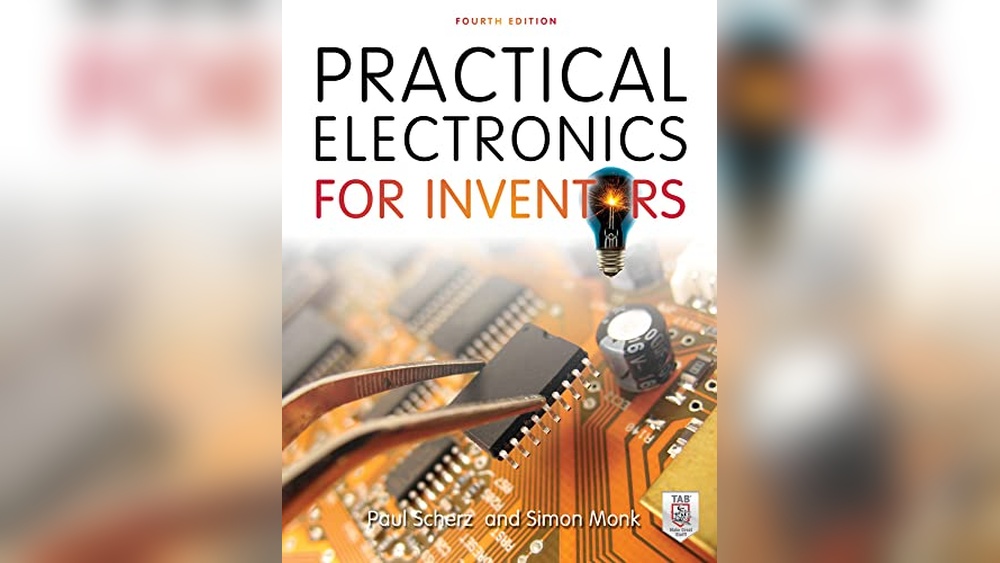
Practical Electronics For Inventors

The Practical Electronics for Inventors, Fourth Edition is ideal for hobbyists, students, and professionals who want a comprehensive guide to understanding and applying electronics concepts. If you are someone looking to deepen your knowledge of electronics theory and practical applications, this book serves as a valuable resource for both beginners and experienced inventors.
Pros:
- Comprehensive coverage of electronics principles with clear explanations
- Includes detailed diagrams and practical examples to reinforce learning
- Extensive content with 1056 pages covering a wide range of topics
- Updated Fourth Edition reflects modern components and technologies
- Published by reputable brand McGraw-Hill Education TAB ensuring quality and reliability
Cons:
- Large size and weight (over 4.5 pounds) may make it less portable
- Some beginners may find the depth of information overwhelming initially
- Publication date in 2016 means some very recent technologies may not be covered
The Practical Electronics for Inventors offers an in-depth exploration of electronic components, circuits, and design techniques. Its extensive 1056 pages provide users with step-by-step instructions and practical insights that help bridge the gap between theory and real-world application. The book’s layout, filled with illustrations and practical projects, makes complex concepts accessible and engaging.
Users will benefit from the book’s focus on hands-on learning, which encourages experimentation and innovation. Whether you are designing your own circuits or troubleshooting existing ones, this edition equips you with the knowledge to approach problems logically and creatively. The inclusion of modern updates ensures that readers stay current with contemporary electronic standards and components.
More Electronics

The book Make: More Electronics: Journey Deep Into the World of Logic Chips, Amplifiers, Sensors, and Randomicity is ideal for electronics enthusiasts, hobbyists, and makers who want to deepen their understanding of complex electronic components and circuits. Whether you are an experienced DIYer or a student aiming to expand your practical knowledge, this book offers valuable insights into advanced topics such as logic chips and sensors.
Pros:
- Comprehensive coverage of advanced electronics topics including logic chips, amplifiers, and sensors.
- Detailed explanations and practical projects that enhance hands-on learning.
- Well-structured content across 394 pages providing in-depth knowledge.
- Published by the reputable Make Community, LLC, ensuring quality and reliability.
- Compact and manageable size with dimensions of 9.69 x 0.66 x 8.06 inches.
Cons:
- Some topics may be challenging for absolute beginners without prior electronics experience.
- Publication date in 2014 means some technological advancements may not be covered.
- Weight of nearly 2 pounds might make it less portable for on-the-go reading.
This edition of Make: More Electronics dives into the intricate world of electronic components, focusing on logic chips, amplifiers, and sensors. It guides readers through understanding the functionality and application of these parts in real-world circuits. The book’s detailed projects allow users to experiment and learn by doing, which significantly enhances comprehension and skill development. The inclusion of topics like randomicity adds an exciting dimension by exploring unpredictable electronic behaviors.
Readers benefit from clear, practical instructions that bridge theoretical knowledge with hands-on practice. The well-organized content and expert insights make complex concepts accessible to those who already have a foundation in electronics. As a result, users can confidently build more sophisticated projects, troubleshoot effectively, and innovate in their own electronic designs. This book stands as a valuable resource for anyone looking to advance their electronics expertise.
Complete Electronics Self-teaching Guide

The Complete Electronics Self-Teaching Guide with Projects is ideal for beginners, hobbyists, and students who want to develop a solid understanding of electronics through hands-on learning. If you are someone looking to build practical skills and theoretical knowledge in electronics at your own pace, this comprehensive guide is perfect for you.
Pros:
- Comprehensive coverage of electronics concepts with practical projects
- Clear explanations suitable for self-learners and beginners
- Includes a wide range of topics from basic components to advanced circuits
- Durable and well-organized with 608 pages of detailed content
- Published by reputable brand Wiley, ensuring quality and accuracy
Cons:
- Some content may be slightly dated as it was published in 2012
- Large size and weight might not be convenient for on-the-go reading
- Requires dedication and time commitment due to its detailed and extensive coverage
This 4th edition guide, published by Wiley, measures 9.8 inches in height and 7.5 inches in length, making it a substantial resource for serious learners. The book’s 608 pages are packed with clear instructions, diagrams, and project ideas that guide readers through the fundamentals of electronics. Its hands-on approach helps users not only understand theoretical concepts but also apply them practically, which is essential for mastering electronics.
Additionally, the guide’s projects reinforce learning by allowing readers to build and test circuits, enhancing their confidence and skills. The detailed explanations cater to a variety of learning styles, making complex topics accessible. Whether you’re a student preparing for exams or a hobbyist eager to create your own electronic devices, this self-teaching guide offers valuable insights and practical knowledge to help you achieve your goals.
Electronics Fundamentals

The book Electronics Fundamentals: Circuits, Devices & Applications is ideal for students, educators, and professionals seeking a comprehensive resource on electronic circuits and devices. It is especially suited for those who want to build a solid foundation in electronics principles or enhance their practical understanding of circuit applications.
Pros:
- Extensive coverage with over 1063 pages of detailed content.
- Published by the reputable PEARSON EDUCATION and Pearson manufacturer.
- Includes both theoretical concepts and practical applications, making it useful for diverse learning needs.
- The 8th edition reflects updated and refined information.
- Comprehensive explanations of devices, circuits, and real-world electronics applications.
Cons:
- The book’s substantial weight of over 5.3 pounds and size may make it less portable.
- Publication date in 2009 means some newer technologies might not be covered.
- Lengthy content can be overwhelming for beginners without prior electronics background.
This textbook presents a detailed exploration of electronic components and their functions within circuits, offering readers clear descriptions of devices such as diodes, transistors, and integrated circuits. The thorough approach allows users to understand not just how components work individually but also how they interact within complex systems. Its extensive illustrations and examples support visual learning and help clarify challenging concepts.
The practical applications covered in the book enable readers to apply theoretical knowledge to real-world electronics projects and troubleshooting scenarios. By delving into circuit analysis and design, users gain valuable skills that can be applied in academic, professional, or hobbyist settings. Overall, this resource serves as a solid foundation for anyone aiming to master electronics fundamentals and advance their technical expertise.
There Are No Electrons

There Are No Electrons: Electronics for Earthlings is ideal for beginners and enthusiasts who want to understand electronics without getting bogged down by complex jargon. This book is perfect for students, hobbyists, and curious minds looking to grasp the fundamental concepts of electronics in a simple and relatable way. If you are someone who prefers a conceptual approach over technical manuals, this item is designed just for you.
Pros:
- Written in an accessible and engaging style, making complex electronics concepts easy to understand.
- Comprehensive coverage with 236 pages filled with clear explanations and practical examples.
- Compact and lightweight design with dimensions of 8.5 x 5.5 x 0.54 inches, making it easy to carry and reference.
- Published by the reputable Clearwater Publishing Company, Incorporated, ensuring quality content.
- Suitable for self-study, classroom use, or as a reference guide for electronics enthusiasts.
Cons:
- Publication date is from 1991, so some modern electronics topics may not be covered.
- Lacks detailed technical schematics that advanced users might seek.
- Physical book format may not appeal to those preferring digital or interactive content.
This book breaks down the fundamentals of electronics in a way that is approachable for everyone. Instead of diving into technical details about electrons and circuits immediately, it focuses on the concepts and practical understanding that empower readers to build a solid foundation. The clear writing style and thoughtful examples help readers connect theoretical knowledge with real-world applications, making learning electronics less intimidating.
Additionally, the book’s manageable size and weight make it convenient for readers to study anywhere. While it may not cover the latest advancements in the field due to its publication date, its timeless approach to explaining core principles remains valuable. Overall, There Are No Electrons: Electronics for Earthlings is a great choice for those starting their electronics journey or anyone seeking to refresh their understanding with a fresh perspective.
Become An Effective Software Engineering Manager

The book Become an Effective Software Engineering Manager: How to Be the Leader Your Development Team Needs is ideal for current and aspiring software engineering managers who want to enhance their leadership skills and effectively guide their development teams. It is perfect for professionals seeking practical advice on managing teams, improving communication, and driving project success within the software development industry.
Pros:
- Comprehensive guidance on leadership tailored for software engineering managers
- Practical strategies to improve team communication and collaboration
- Detailed insights on balancing technical expertise with management responsibilities
- Written by a reputable brand, Pragmatic Bookshelf, ensuring quality content
- Extensive coverage across 398 pages, providing in-depth knowledge
Cons:
- May be too detailed for readers seeking a quick overview
- Focuses primarily on software engineering teams, which might limit applicability in other fields
This book stands out by combining the technical and managerial aspects of software engineering leadership. With a sturdy format of 9.25 inches in height and nearly 400 pages, it offers a thorough exploration of how to lead development teams effectively. Readers benefit from actionable advice that can be applied to real-world scenarios, helping managers navigate common challenges such as team dynamics, project deadlines, and performance evaluations.
Published by Pragmatic Bookshelf in 2020, this first edition remains relevant for today’s fast-evolving software industry. It emphasizes the importance of empathy, clear communication, and strategic thinking, enabling managers to foster a positive work environment and enhance productivity. By reading this book, software engineering managers can build the leadership qualities needed to inspire their teams and drive successful project outcomes.
Fe Electrical And Computer Exam Prep

The FE Electrical and Computer Exam Prep study guide is ideal for aspiring engineers who aim to pass the Fundamentals of Engineering (FE) exam with confidence and achieve their EIT status. This comprehensive resource is perfect for students and professionals seeking a structured, in-depth review combined with extensive practice problems to master key concepts in electrical and computer engineering.
Pros:
- Contains over 1500 practice problems with detailed solutions to reinforce learning.
- Includes 4 full-length mock exams to simulate real test conditions.
- In-depth reviews covering all exam topics for thorough preparation.
- Compact and portable with dimensions of 11 x 8.5 x 0.78 inches and weighing just over 2 pounds.
- Published recently in 2024, ensuring up-to-date content aligned with the current exam format.
Cons:
- At 342 pages, it may be overwhelming for beginners without prior foundational knowledge.
- Primarily focused on electrical and computer engineering, limiting use for other FE disciplines.
This study guide by Learnova offers a well-rounded approach by combining comprehensive subject reviews with a vast array of practice problems that help users identify their strengths and weaknesses. The detailed solutions not only provide answers but also explain problem-solving methods, enhancing conceptual understanding and exam readiness. The inclusion of four mock exams enables candidates to build test-taking stamina and time management skills.
Designed with the busy student in mind, its manageable size and weight make it easy to carry and study on the go. The recent publication date ensures that all information adheres to the latest exam standards, giving users confidence that they are preparing with the most relevant material. Overall, this guide serves as a valuable tool for those committed to passing the FE Electrical and Computer exam efficiently and effectively.
Electronics All-in-one For Dummies

The Electronics All-in-One For Dummies is ideal for beginners and enthusiasts who want a comprehensive yet easy-to-understand guide to electronics. Whether you are a student, hobbyist, or someone looking to improve your knowledge of electronic components and circuits, this book provides valuable insights tailored for those with little to no prior experience.
Pros:
- Extensive coverage with 960 pages of detailed content.
- Published by the trusted For Dummies brand and manufacturer.
- Compact and manageable dimensions, making it easy to carry and reference.
- Clear explanations suitable for beginners and intermediate learners.
- Second edition, ensuring updated information as of 2017.
Cons:
- Large number of pages might be overwhelming for some readers.
- Publication date 2017 may mean some content is slightly outdated.
- Focuses primarily on basics; advanced users might find it less detailed.
The Electronics All-in-One For Dummies offers a well-structured approach to learning electronics, featuring chapters that cover fundamental concepts, practical applications, and troubleshooting techniques. Its extensive length allows for in-depth exploration of topics such as circuit design, components, and electronic devices, which benefits users by providing a solid foundation in the subject.
Additionally, the book’s clear and approachable writing style helps demystify complex concepts, making it easier for users to grasp and apply the knowledge in real-world scenarios. The compact size and weight make it convenient to use as a reference guide in workshops or classrooms, enhancing its practicality for learners of all levels.
The Audiophile’s Project Sourcebook

The Audiophile’s Project Sourcebook: 80 High-Performance Audio Electronics Projects is ideal for enthusiasts and professionals who are passionate about building and customizing their own audio equipment. If you have a keen interest in high-performance audio electronics and enjoy hands-on projects that enhance sound quality, this sourcebook is a perfect fit for you. Whether you are a hobbyist looking to deepen your knowledge or an experienced audio engineer seeking practical circuit designs, this comprehensive guide offers valuable insights and instructions.
Pros:
- Contains 80 detailed projects for various audio electronics applications
- Published by McGraw-Hill Education TAB, a reputable source for technical materials
- Comprehensive coverage with 361 pages of schematics, explanations, and diagrams
- Compact and manageable size with dimensions suitable for easy reference and storage
- Suitable for both beginners and advanced users due to clear instructions and diverse project complexity
Cons:
- Publication date is 2001, so some content may be slightly outdated considering recent technology advances
- Limited to projects focused solely on audio electronics, not covering broader electronics topics
- Physical weight might be somewhat heavy for carrying around frequently
This sourcebook is packed with practical projects that cover a wide range of audio electronics circuits, including preamplifiers, power amplifiers, equalizers, and speaker systems. Each project is accompanied by detailed schematics and component lists, making it easier for users to build and customize their own high-fidelity audio equipment. The instructions emphasize both the theory and practical application, providing readers with a solid understanding of how each circuit functions and how it can be optimized for sound quality.
Beyond just circuit designs, the book also offers insights into troubleshooting and enhancing audio performance, which benefits users aiming for superior sound reproduction. The well-structured content allows readers to progressively develop their skills, from simple projects to more complex and high-performance builds. Overall, this sourcebook stands as a valuable resource for anyone dedicated to crafting exceptional audio electronics with confidence and precision.
Electronics

Ideal for electronics enthusiasts, hobbyists, and students eager to deepen their understanding of circuitry and electronic components, Make: Electronics (Learning by Discovery) offers a hands-on approach to learning. This book is perfect for those who prefer practical experiments over theoretical study and want to explore electronics through discovery rather than just reading.
Pros:
- Comprehensive coverage with 349 pages of detailed content.
- Published by MAKER MEDIA INC and crafted by Make Community, LLC, ensuring quality and authenticity.
- Encourages learning by doing with step-by-step experiments.
- Compact and portable with dimensions of 9.75 x 0.7 x 8.0 inches and lightweight at 1.75 pounds.
- First Edition release, serving as a foundational text for beginners and intermediate learners.
Cons:
- Publication date from 2010, which may not include the latest electronic advancements.
- Limited to one color, which might reduce visual engagement for some readers.
Make: Electronics (Learning by Discovery) stands out as a valuable resource that blends theory with practical application. Its clear explanations and hands-on experiments allow users to build confidence as they progress, making complex concepts accessible. The book’s structure supports gradual learning, which is beneficial for beginners aiming to master electronics fundamentals.
With its detailed instructions and reliable brand backing, the book provides a strong foundation for anyone looking to expand their skills in electronics. Although slightly dated, its core principles remain relevant, making it a worthwhile investment for learners who appreciate discovery-based education and want to create real-world projects.
Frequently Asked Questions
What Is The Best Beginner Book For Electronics Engineering?
“Practical Electronics for Inventors, Fourth Edition” is ideal. It offers clear explanations and practical projects for beginners to understand electronics fundamentals effectively.
Which Book Covers Electronics Projects And Logic Chips Well?
“Make: More Electronics” dives deep into logic chips, amplifiers, and sensors. It’s perfect for hands-on learners wanting advanced project ideas.
Are There Self-teaching Guides For Electronics Beginners?
Yes, “Complete Electronics Self-Teaching Guide with Projects” helps beginners learn concepts and apply them through engaging projects independently.
Which Book Explains Electronics Fundamentals Clearly?
“Electronics Fundamentals: Circuits, Devices & Applications” breaks down core concepts and device applications, making it great for foundational knowledge.
What Resource Helps Prepare For Fe Electrical And Computer Exam?
“FE Electrical and Computer Exam Prep” includes 1500+ practice problems, detailed solutions, and mock exams to ensure exam readiness.
Is There A Book Combining Audio Projects With Electronics Learning?
“The Audiophile’s Project Sourcebook” offers 80 high-performance audio electronics projects, perfect for learners interested in audio engineering.
Conclusion
Choosing the right first book can shape your learning path in electronics engineering. Books like *Practical Electronics for Inventors* and *Make: Electronics* offer clear explanations and hands-on projects. They help beginners understand key concepts without overwhelming details. Guides such as *Complete Electronics Self-Teaching Guide* and *Electronics Fundamentals* provide step-by-step lessons that build strong foundations.
For those interested in specific areas, *The Audiophile’s Project Sourcebook* offers practical audio projects. Study guides like *FE Electrical and Computer Exam Prep* prepare you for important exams with practice problems. Each book has its strengths, fitting different learning styles and goals.
Take your time to explore these options. Start with one that feels comfortable and matches your interests. This way, you can enjoy learning and steadily improve your skills in electronics engineering. The right book makes all the difference.