Are you curious about how wearable technology shaped the market in 2018? Understanding the overall wearable technology market from that year can give you valuable insights into the trends that influenced the devices you use today.
Whether you’re a tech enthusiast, an investor, or just someone wanting to stay informed, this article will guide you through the key facts and figures that defined the wearable tech industry in 2018. Keep reading to discover what made that year a turning point for smartwatches, fitness trackers, and more—and why it matters to you now.
Market Size And Growth
The wearable technology market in 2018 showed remarkable momentum, attracting attention from tech enthusiasts and investors alike. Understanding its size and growth helps you grasp how significant this sector has become and what opportunities it may hold for your business or personal tech use.
Global Market Value In 2018
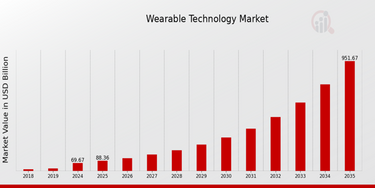
In 2018, the global wearable technology market was valued at approximately $27 billion. This figure reflects the combined revenue from smartwatches, fitness trackers, smart glasses, and other connected devices worn on the body.
Brands like Apple, Fitbit, and Samsung played major roles in driving sales, especially with their focus on health and fitness features. The demand was driven not only by consumers but also by enterprises adopting wearables for productivity and safety.
Year-on-year Growth Trends
The market experienced a strong year-on-year growth rate of around 20%in 2018. This growth was fueled by increasing consumer awareness about health monitoring and technological improvements such as better battery life and more accurate sensors.
Interestingly, the shift from basic fitness bands to multifunctional smartwatches caused a surge in average selling prices. Are you noticing how your own use of wearable tech has evolved beyond simple step counting?
Forecasts For Upcoming Years
Analysts predict the market will continue to grow at a steady pace, expecting values to exceed $60 billion by 2023. Innovations like augmented reality glasses and advanced health diagnostics are set to expand wearable applications.
With so many new features on the horizon, the question is: how will you integrate these advancements into your daily routine or business strategy? Staying informed now can help you make smarter choices about wearable technology investments.
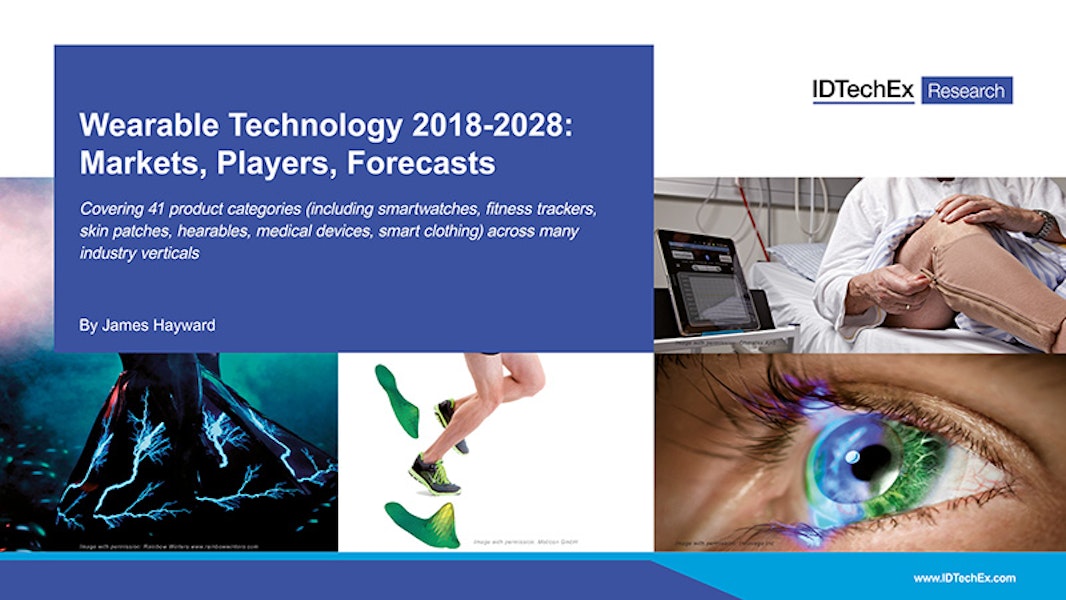
Credit: www.idtechex.com
Key Market Segments
The wearable technology market in 2018 includes several key segments. These segments help understand the variety and reach of wearable devices. Each segment targets different users and uses. Knowing these segments gives a clear picture of market trends and opportunities.
Wearable Devices By Type
- Smartwatches: Popular for tracking fitness and notifications.
- Fitness Trackers: Focused on health monitoring and activity tracking.
- Smart Glasses: Used for augmented reality and hands-free information.
- Wearable Cameras: Capture video and photos on the go.
- Others: Includes smart clothing, hearables, and medical devices.
Applications Across Industries
- Healthcare: Monitoring vital signs and managing chronic diseases.
- Sports & Fitness: Enhancing training and tracking performance.
- Consumer Electronics: Everyday convenience and communication.
- Military & Defense: Real-time data and soldier safety.
- Industrial & Manufacturing: Worker safety and productivity tracking.
Consumer Demographics
- Age Groups: High adoption among young adults and middle-aged users.
- Gender: Both men and women show strong interest.
- Income Levels: Popular among middle to high-income consumers.
- Geography: Urban areas see more usage than rural regions.
- Lifestyle: Active and health-conscious individuals prefer wearables.
Leading Companies And Brands
The wearable technology market in 2018 saw strong competition among leading companies and brands. These players shaped the industry with their products and strategies. Their efforts helped push wearable devices into daily life worldwide.
Each company focused on innovation and customer needs. This focus allowed them to stand out and attract users. The following sections highlight the top players, their innovations, and competitive approaches.
Top Market Players
- Apple: Known for the Apple Watch, a popular smartwatch with health tracking.
- Samsung: Offers a variety of smartwatches and fitness bands.
- Fitbit: Specializes in fitness trackers and health-focused wearables.
- Garmin: Focuses on GPS-enabled devices for sports and outdoor activities.
- Xiaomi: Provides affordable wearables with strong features.
Innovations Driving Success
- Advanced sensors for heart rate, sleep, and activity monitoring.
- Improved battery life for longer use between charges.
- Integration with smartphones for notifications and apps.
- Water resistance to allow use during swimming and workouts.
- Design upgrades for comfort and style appeal.
Competitive Strategies
- Pricing: Offering products at various price points to reach more users.
- Partnerships: Collaborating with health and fitness brands for better services.
- Marketing: Building strong brand images through advertising and events.
- Software updates: Providing regular improvements to enhance device performance.
- Expanding ecosystems: Creating connected devices that work well together.
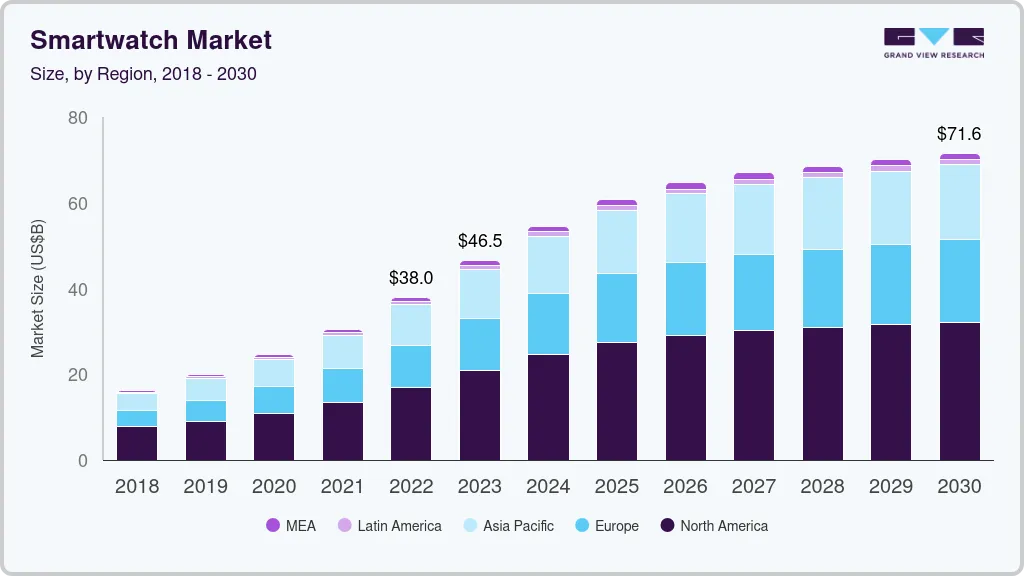
Credit: www.grandviewresearch.com
Technology Trends
The wearable technology market in 2018 showed rapid growth fueled by new technology trends. These trends improved device performance and user experience. They made wearables smarter, faster, and more useful for daily activities.
Wearable devices became more accurate and reliable due to advances in key technologies. These changes helped wearables gain popularity across fitness, healthcare, and entertainment sectors.
Advancements In Sensors
Sensor technology improved significantly in 2018. Wearables started using smaller, more sensitive sensors. These sensors could track heart rate, steps, sleep patterns, and more with better accuracy.
New sensors also measured blood oxygen levels and skin temperature. This allowed users to monitor their health more closely. Improved sensors consumed less power, extending battery life.
Integration With Mobile Platforms
Wearable devices increasingly connected with smartphones and tablets. This integration allowed users to sync data easily. It gave instant access to health stats and notifications.
Mobile apps became more advanced and user-friendly. They helped users set goals and analyze performance. Cross-platform compatibility made wearables more versatile and popular.
Emerging Features And Capabilities
Wearables gained new features like GPS tracking and voice control. Some devices started supporting contactless payments. Others added music playback and smart assistant support.
These capabilities made wearables multifunctional gadgets. Users could rely on them for fitness, communication, and entertainment. The trend pushed wearables beyond basic tracking tools.
Regional Market Insights
Understanding the regional market insights is key to grasping the overall wearable technology market in 2018. Different regions show unique trends and growth factors that shape the industry. These insights help identify which areas lead innovation and consumer adoption.
Each region’s economic status, technology adoption rate, and consumer preferences influence the wearable technology market. Let’s explore the main regional trends across North America, Europe, and Asia-Pacific.
North America Trends
North America remains a strong leader in wearable technology. High consumer demand for fitness trackers and smartwatches drives growth. The presence of major tech companies fuels innovation and product availability. Users prefer devices that offer health monitoring and connectivity. The region’s advanced infrastructure supports fast adoption of new wearable tech.
Europe Market Dynamics
Europe shows steady growth in wearable technology adoption. Consumers focus on health and wellness features in devices. Privacy concerns affect some market segments but do not slow growth. Government initiatives support digital health solutions and wearable devices. Western Europe leads in smart wearable use, with rising interest in Eastern Europe.
Asia-pacific Growth Factors
Asia-Pacific leads the fastest growth in wearable technology. Large population and rising smartphone use boost market expansion. Increasing health awareness drives demand for fitness and medical wearables. Affordable devices attract middle-class consumers. China, India, and Japan are key markets pushing innovation and adoption.
Challenges And Opportunities
The wearable technology market in 2018 faced several challenges but also showed many opportunities. Understanding these factors helps businesses and consumers. Challenges slowed growth. Opportunities pushed innovation and expansion.
Market Barriers
High costs limited access to many users. Battery life remained a concern for devices. Privacy worries affected user trust. Compatibility issues with other devices caused frustration. Limited features in early models reduced appeal.
Consumer Adoption Issues
Many consumers questioned the need for wearables. Some found devices uncomfortable or hard to use. Lack of clear benefits slowed buying decisions. Data security concerns created hesitation. Confusing technology terms discouraged new users.
Potential Growth Areas
- Health monitoring devices gained more attention and trust.
- Fitness trackers became popular for daily use.
- Smartwatches with improved functions attracted more buyers.
- Integration with smartphones and apps enhanced user experience.
- New materials made wearables lighter and more comfortable.
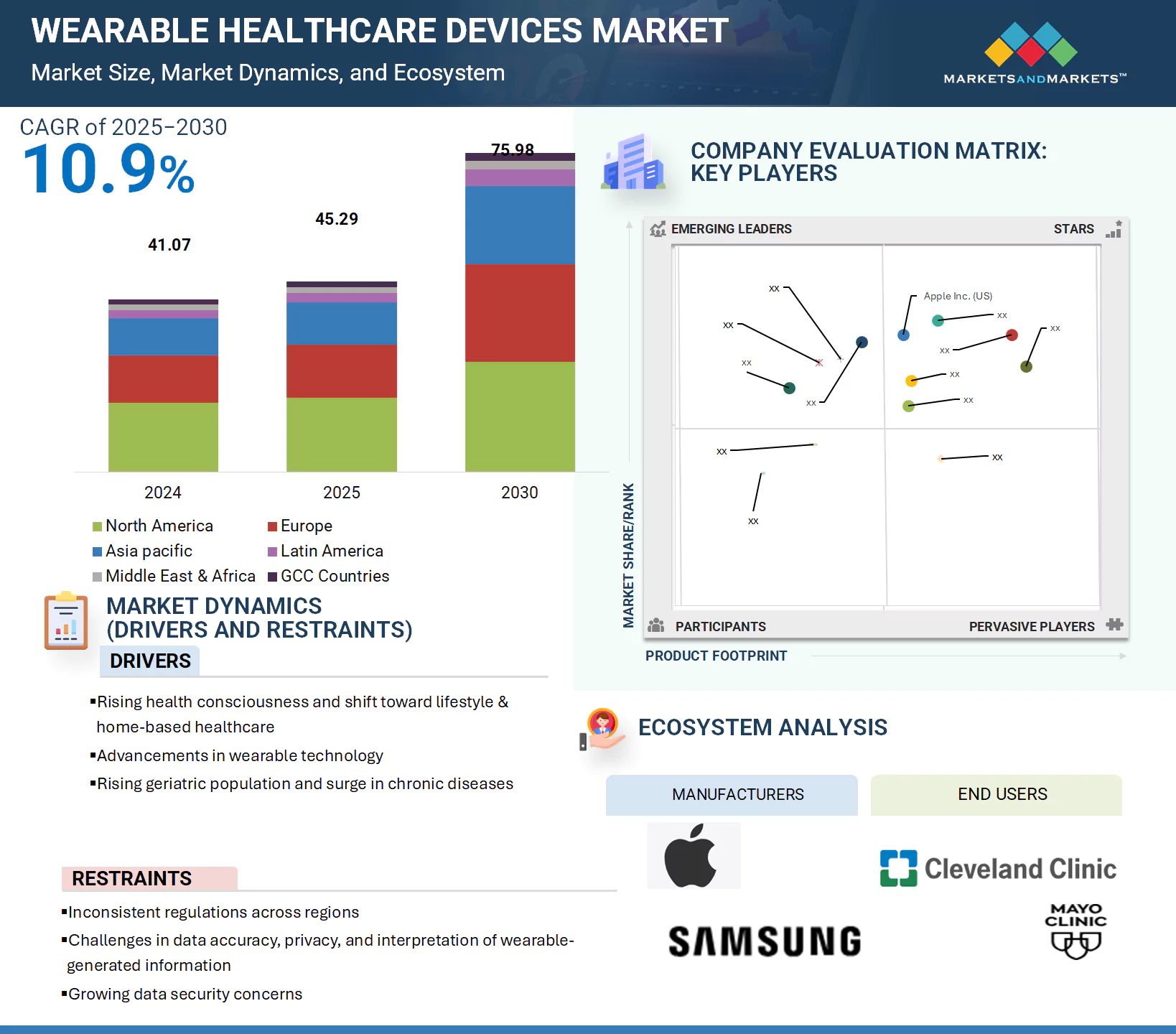
Credit: www.marketsandmarkets.com
Frequently Asked Questions
What Is Wearable Technology?
Wearable technology refers to smart electronic devices worn on the body. These devices often track health metrics, provide communication functions, and enhance convenience. Examples include fitness trackers, smartwatches, and smart glasses.
How Did The Wearable Tech Market Grow In 2018?
In 2018, the wearable tech market saw significant growth. Increased consumer interest and technological advancements fueled this expansion. Products like smartwatches and fitness trackers gained popularity, boosting market size.
Which Companies Dominated The 2018 Wearable Tech Market?
In 2018, companies like Apple, Fitbit, and Samsung led the market. They offered innovative products that captured consumer interest. Their strong brand presence and technological advancements contributed to their dominance.
What Factors Drove Wearable Tech Trends In 2018?
Key factors included health consciousness and technological innovations. Consumers sought devices that offered health tracking and connectivity. These trends spurred market growth and product development.
Conclusion
The wearable technology market in 2018 showed strong growth and wide adoption. Consumers used wearables for fitness, health, and convenience every day. Devices became smarter, lighter, and more affordable. This trend helped many people live healthier lives and stay connected.
The market also saw new brands and ideas emerge. Wearable technology continues to shape how we interact with technology and our surroundings. Expect this market to keep growing and changing in the coming years. It offers exciting possibilities for users worldwide.
Leave a Reply