Have you ever stopped to think about how wearable technology might change the way you experience websites? Your smartwatch or fitness tracker isn’t just a cool gadget—it’s shaping the future of web design in ways that could make your online interactions faster, smarter, and more personal.
Imagine websites that adapt instantly to tiny screens or respond to your movements and voice commands. Curious how this will affect what you see and how you use the web? Keep reading, because what comes next could transform your digital world completely.
Rise Of Wearable Devices
The rise of wearable devices is changing how we interact with technology every day. These gadgets are no longer just fitness trackers or smartwatches; they are becoming essential tools for communication, health monitoring, and even entertainment. As more people adopt these devices, web design must evolve to meet new demands and user behaviors.
Types Of Wearable Tech
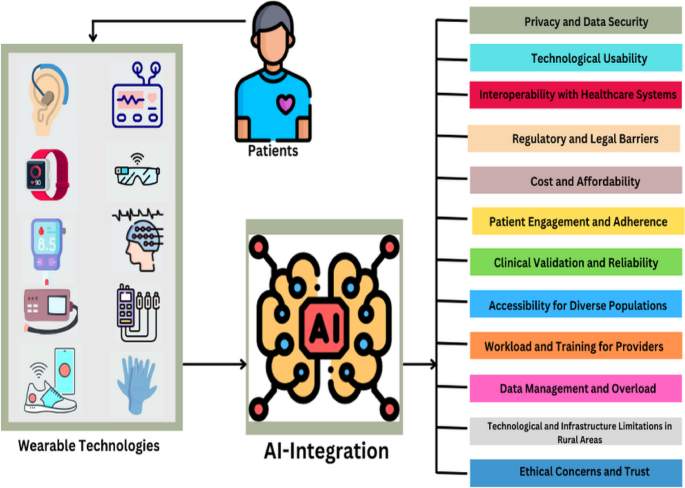
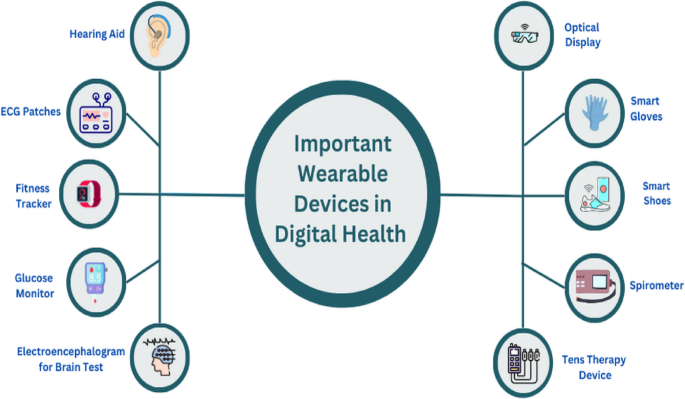
Wearable technology comes in many forms, each offering unique ways for users to connect with the digital world. Here are some common types you should be aware of:
- Smartwatches:These are the most popular wearables, providing quick access to notifications, apps, and health data on your wrist.
- Fitness Trackers:Devices focused on tracking physical activity, heart rate, and sleep patterns.
- Smart Glasses:Offering augmented reality experiences and hands-free access to information.
- Wearable Cameras:Used for capturing moments or for security purposes without holding a device.
- Medical Devices:Such as glucose monitors or heart rate sensors that continuously track health metrics.
Each type demands different design considerations because screen sizes, interaction methods, and user contexts vary greatly.
User Interaction Patterns
Interacting with wearable devices differs significantly from traditional computers or smartphones. You can’t rely on long, detailed content or complex navigation menus. Instead, users expect quick, glanceable information.
Touchscreens on small devices require larger buttons and simplified interfaces. Voice commands and gesture controls are becoming more common, changing how users engage with content. Have you ever tried navigating a website on a smartwatch? It’s clear that scrolling through long pages isn’t practical.
Designers must think about context, too. People often use wearables while moving or multitasking, so interruptions and distractions are common. This means web designs need to load fast and deliver essential information immediately.
Impact On Responsive Design
Wearable technology pushes web design to rethink how content adjusts across devices. Responsive design is no longer just about desktop and smartphone screens. It must now consider tiny, often round displays with unique interaction patterns.
Adapting To Small Screens
Wearables like smartwatches have screens that are usually under two inches diagonally. This demands a radical shift in how you present information. Text needs to be concise and buttons must be large enough for quick taps.
Think about the apps you use on your watch. They strip away anything non-essential, focusing on immediate tasks. How can you trim your web content to fit this minimalist approach without losing value?
One practical tip is to prioritize content hierarchy. Show only the most critical elements first. You can use progressive disclosure—hide extra details behind gestures or taps.
Flexible Layouts And Grids
Flexible layouts are crucial for wearable-friendly web design. Grids that rearrange themselves based on screen shape and size help maintain usability.
Unlike rectangular screens, some wearables feature circular displays. This means corners are often cut off or unused. Your grid needs to accommodate these shapes, avoiding content placed in areas that might be invisible or hard to reach.
Try designing layouts that flow naturally within these boundaries. Use CSS grid and flexbox to build adaptable structures that respond not just to size but also to shape.
- Use relative units like percentages or viewport widths instead of fixed pixels.
- Test your design on various wearable simulators early and often.
- Consider touch targets of at least 44×44 pixels for easy interaction.
Have you tested your site on a smartwatch screen recently? If not, you might be missing critical insights that can improve your users’ experience significantly.
Voice And Gesture Controls
Voice and gesture controls are changing how users interact with websites. Wearable technology makes these controls more common and practical. Web designers must adapt to these new input methods to create smooth, user-friendly experiences.
Integrating Voice Commands
Voice commands allow users to speak to control websites. This input method offers hands-free navigation. Designers should add clear voice prompts and simple command options. It improves accessibility for users with disabilities or busy hands.
To integrate voice commands, designers must:
- Use speech recognition APIs for accurate input
- Provide feedback confirming voice actions
- Keep commands short and easy to remember
- Ensure privacy and security during voice data handling
Gesture-based Navigation
Gestures let users control websites with hand movements. Wearables track these gestures to trigger actions. Designers must create intuitive gestures that feel natural and responsive.
Effective gesture navigation includes:
- Simple swipe and tap gestures
- Visual cues to guide users
- Responsive design for various devices
- Fail-safes to avoid accidental inputs
Gesture controls reduce reliance on traditional clicks and taps. They create more immersive and interactive web experiences for wearable users.

Credit: medium.com
Minimalistic Interfaces
Minimalistic interfaces are becoming essential as wearable technology changes how users interact with the web. These devices have small screens and limited input options, so your design must be clear and simple. Stripping down to the essentials not only improves usability but also enhances user satisfaction.
Prioritizing Essential Content
With limited space on wearables, you need to decide what content truly matters to your users. Focus on delivering key information quickly without distractions. Think about what users want to see at a glance—like notifications, health stats, or quick actions—and place those front and center.
Ask yourself: What would you want to check immediately on a smartwatch? This helps you design with purpose, not just aesthetics. Removing unnecessary elements lets users find what they need faster, improving their overall experience.
Reducing Visual Clutter
Less is more when designing for wearable screens. Avoid crowded layouts and too many colors or fonts that can confuse users. Use whitespace effectively to separate elements and guide the eye naturally.
Icons and simple typography often work better than long text blocks. For example, a single icon for “message” or “heart rate” can communicate faster than words. You want your interface to feel light and breathable, not overwhelming.
Have you noticed how some apps feel easier on the eyes because they only show what’s necessary? That’s exactly the effect you want on wearables—clean, focused, and easy to navigate.
Real-time Data Integration
Real-time data integration is changing how websites interact with users. Wearable devices collect constant streams of data. This data can enhance web design by making sites more responsive and personalized. Websites that use real-time information create more engaging and useful experiences. Designers must plan for fast data processing and smooth updates. This helps users get relevant content without delays.
Personalized User Experiences
Real-time data helps deliver unique content to each visitor. Websites can adjust layouts, colors, and messages instantly. Users see information that fits their needs and preferences. For example, a fitness site can show tips based on current heart rate. This keeps users interested and coming back. Personalization also improves navigation by highlighting relevant features.
Wearable Sensor Data Use
Wearables collect many types of sensor data like steps, location, and temperature. Web designers can use this data to improve functionality. Sites can offer tailored advice or alerts based on sensor input. For instance, a weather site can update recommendations based on body temperature. Designers need to ensure privacy and secure data handling. Proper use of sensor data builds trust and enhances user satisfaction.
Accessibility Enhancements
Wearable technology brings new opportunities to improve website accessibility. Designers must think about users with different needs and environments. Accessibility enhancements ensure everyone can interact with content easily on small screens and varied devices. This focus helps create inclusive experiences and better user satisfaction.
Designing For Diverse Users
Wearables serve a wide range of users. Some have limited vision, hearing, or motor skills. Design must consider these differences carefully. Use clear fonts and high contrast colors for better readability. Provide voice commands and audio feedback for hands-free control. Ensure touch targets are large enough to avoid mistakes. Design layouts that adapt to different screen sizes and orientations.
Improving Usability On Wearables
Wearable devices have small screens and unique input methods. Simplify navigation with minimal steps and clear icons. Use gestures and voice controls to reduce reliance on tiny buttons. Provide quick access to essential functions to save time. Offer adjustable settings for text size, brightness, and audio volume. Test usability with real users to find and fix barriers. These changes make websites friendlier for wearable users.
Security And Privacy Challenges
Wearable technology brings new challenges for web design, especially in security and privacy. These devices collect sensitive data like health and location. Protecting this data is critical. Designers must think beyond traditional websites and apps. They must create secure, private experiences for users on small screens and limited interfaces.
Protecting User Data
Data from wearables is personal and valuable. Designers should use strong encryption to keep data safe. Secure data transfer protocols prevent interception. Limit data collection to only what is necessary. Store information in protected servers with regular security checks. Implement multi-factor authentication for user accounts. Always update security measures to fight new threats.
Building Trust In Design
Trust grows when users feel safe. Clear privacy policies help users understand data use. Simple, transparent consent forms make users comfortable sharing information. Avoid hidden data sharing or tracking. Use friendly design to explain security steps. Provide easy access to privacy settings and controls. Trust encourages users to engage more with wearable web interfaces.
Credit: journalofcloudcomputing.springeropen.com
Future Web Design Innovations
The rise of wearable technology is pushing web design into new territory. Designers must rethink how websites function on smaller, more personal screens. The future will demand smarter, more adaptive designs that fit seamlessly into your wearable devices.
Ai And Machine Learning Integration
AI will help websites learn your habits and preferences. Imagine a site that adjusts its layout and content based on how you interact with your smartwatch or fitness tracker. This means faster access to what you need, without extra clicks or scrolling.
Machine learning can also optimize performance by predicting which features you use most. This keeps your experience smooth and tailored. Have you noticed how some apps already suggest actions based on your routine? Web design will bring this smart behavior to all your devices.
Cross-device Consistency
Your wearable is just one part of a bigger digital ecosystem. Web design will focus on delivering a consistent experience whether you’re on your phone, laptop, or wearable. This means your data, settings, and even visuals stay uniform across devices.
Think about checking your calendar on a smartwatch, then seeing the same updates on your desktop instantly. Designers will need to create flexible interfaces that adjust without losing functionality or style. How often do you switch devices in a day? Your websites should keep up with you effortlessly.
Credit: journalofcloudcomputing.springeropen.com
Frequently Asked Questions
How Will Wearable Technology Change Web Design?
Wearable technology demands responsive and adaptive web designs. Designers must prioritize minimalism, fast loading, and easy navigation for small screens and varied interactions.
What Challenges Does Wearable Tech Pose For Web Designers?
Web designers face challenges like limited screen size, varied device capabilities, and ensuring seamless user experiences across wearables. This requires innovative layout and interaction solutions.
How Can Web Design Improve User Experience On Wearables?
Web design can enhance wearable experiences by using clear visuals, voice commands, and simplified content. Prioritizing accessibility and speed is essential for wearable users.
Will Wearable Tech Influence Mobile Web Design Trends?
Yes, wearable tech encourages more compact, intuitive, and context-aware mobile web designs. These trends improve usability on all small, wearable, and mobile devices.
Conclusion
Wearable technology will change web design in many ways. Designers must create sites that fit small screens. Speed and simplicity become more important than ever. Users want quick access to key information. Touch and voice controls will guide new designs.
Websites will need to work well on different devices. This shift means designers must think beyond traditional screens. The future of web design looks smart and user-friendly. Embracing these changes will help sites stay useful and popular. The impact of wearables will grow as technology improves.
Leave a Reply