Imagine if your watch or glasses could tell marketers exactly what you want before you even say a word. Sounds like science fiction, right?
But wearable technology is getting closer to making this a reality. If you want to stay ahead in the fast-changing world of marketing, understanding how these gadgets can reshape your strategies is crucial. This isn’t just about cool devices—it’s about unlocking powerful new ways to connect with your audience on a personal level.
Ready to discover how wearable tech might change your marketing game forever? Keep reading.
Credit: www.idtechex.com
Rise Of Wearable Tech
Wearable technology is no longer just a futuristic concept—it’s part of daily life for millions of people. As these devices become more sophisticated and affordable, they gather data about your habits, health, and preferences in real time. This rise opens new doors for marketers, but how exactly will it change the way brands connect with you?
Popular Wearable Devices
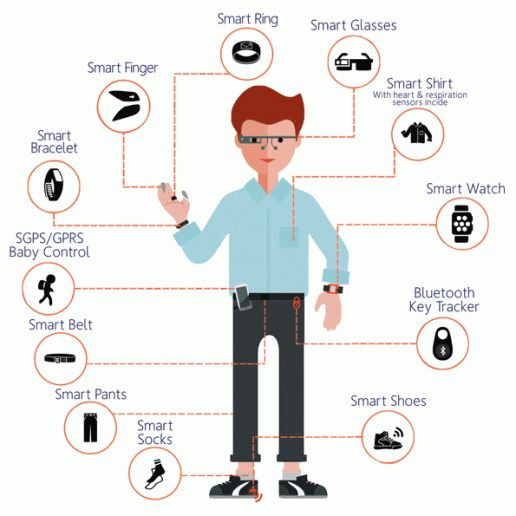
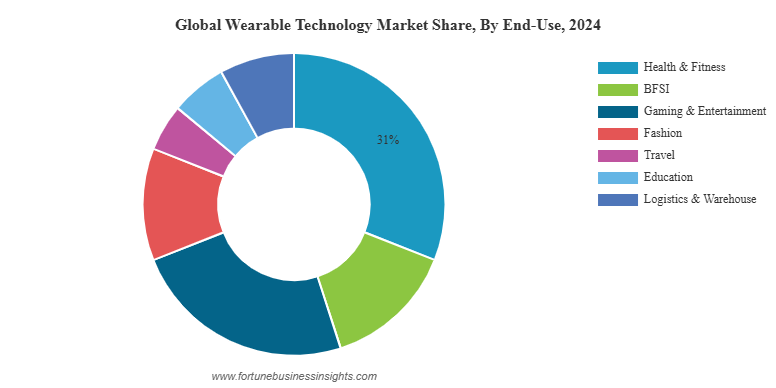
The market is filled with a variety of wearable devices designed to fit different lifestyles. Fitness trackers like Fitbit and Garmin monitor steps, heart rate, and sleep patterns. Smartwatches from Apple and Samsung offer notifications, apps, and health insights right on your wrist.
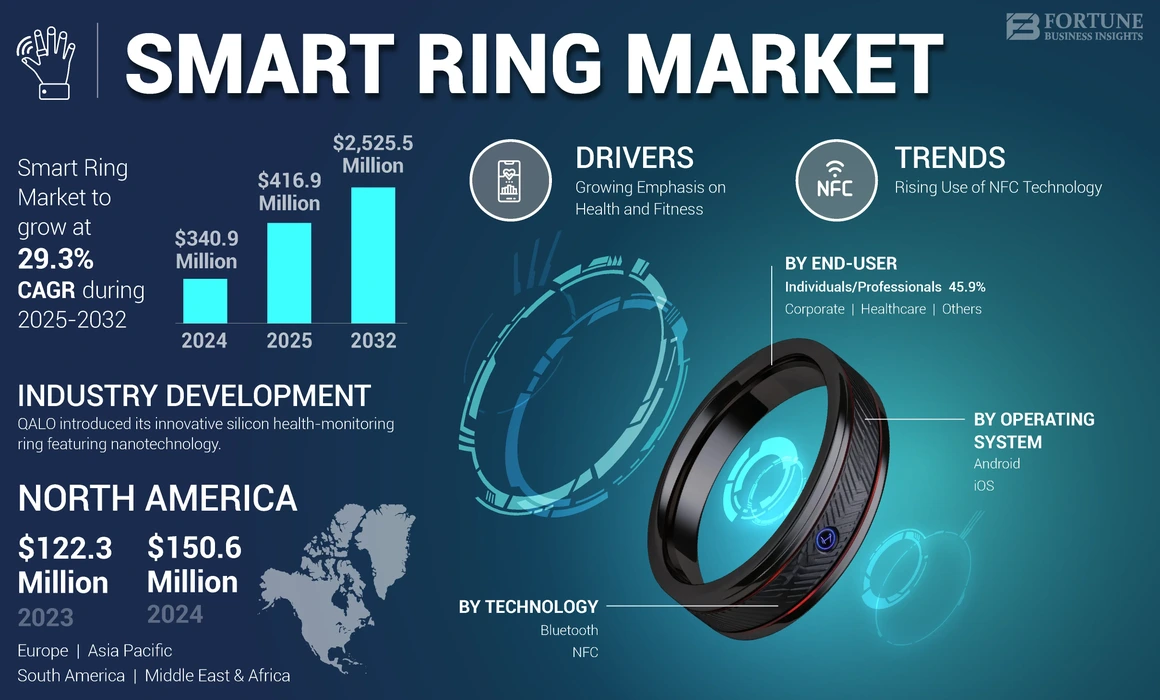
Beyond fitness, devices such as smart glasses and even wearable payment rings are gaining traction. Each device collects unique data points that marketers can use to tailor your experience more personally. Have you noticed how your smartwatch suggests workout tips or health reminders? That’s data-driven marketing in action.
Growth In User Adoption
The number of wearable device users is climbing steadily year after year. More people are embracing this technology not only for fitness but also for convenience and connectivity. This widespread adoption gives marketers a vast and varied audience to reach with personalized messages.
Imagine a world where your wearable suggests products based on your current activity or health goals. This kind of targeted marketing is closer than you think. Are you ready to see ads that actually feel relevant instead of intrusive?
Credit: www.fortunebusinessinsights.com
Wearables And Consumer Data
Wearable technology is reshaping the way marketers understand and interact with consumers. These devices gather a wealth of personal and behavioral data, offering insights that were once impossible to obtain in real time. This shift presents both exciting possibilities and challenges for marketers aiming to use data responsibly and effectively.
Real-time Data Collection
Wearables provide continuous streams of data about your daily activities, health, and even location. This means marketers can see how you behave in the moment, not just after the fact. Imagine getting a personalized offer for a sports drink just as you finish a workout—this kind of timing can boost the chances you’ll pay attention.
But real-time data also raises questions about privacy and consent. How much data are you willing to share for a better shopping experience? Marketers need to balance usefulness with respect for your boundaries.
Personalized Marketing Opportunities
With detailed data from wearables, marketers can tailor messages specifically to your habits and preferences. You might receive recommendations for running shoes if your wearable detects increased jogging activity or notifications about stress relief products during busy workdays.
Personalization goes beyond simple ads; it can create meaningful connections by addressing your unique needs. However, marketers must ensure their messages feel relevant rather than intrusive, or you might tune out completely.
Enhancing Customer Engagement
Wearable technology is reshaping how brands connect with their audience. It makes customer engagement more direct and personal. By using data from wearables, marketers can create experiences that feel tailored just for you.
Interactive Campaigns
Imagine getting a fitness challenge from your favorite sports brand right on your smartwatch. Interactive campaigns like these turn passive viewers into active participants. They encourage you to take part by tracking your activity or offering real-time rewards.
These campaigns are more than just ads; they become part of your daily routine. This constant interaction builds a stronger relationship between you and the brand. It also gives marketers instant feedback on what works.
Location-based Marketing
Wearables can tell marketers where you are, allowing for precise location-based offers. Suppose you walk near a coffee shop; your wearable might notify you of a special discount. This kind of marketing feels timely and relevant, making you more likely to respond.
It’s about delivering the right message at the right place and time. You can even explore new stores or events without prior planning, guided by your wearable’s alerts. How often do you find yourself acting on these quick, location-triggered suggestions?
Credit: www.fortunebusinessinsights.com
Challenges For Marketers
Wearable technology opens exciting doors for marketers, but it also brings serious challenges that can’t be ignored. Navigating these hurdles requires careful thought and smart strategies. If you want to connect effectively with your audience through wearables, understanding these challenges is key.
Privacy Concerns
Wearables collect sensitive personal data, like health stats and location. This raises big questions about how much users trust brands with their private information.
Imagine you receive targeted ads based on your heart rate or sleep patterns. Would you feel comfortable or creeped out? Many people worry about being watched too closely, making privacy a major barrier for marketers.
To build trust, you need clear, simple privacy policies. Let users control what they share, and explain how their data improves their experience. Transparency can turn privacy concerns into a marketing advantage.
Data Security Issues
Collecting data is one thing; keeping it safe is another challenge altogether. Wearables create new entry points for hackers, increasing the risk of data breaches.
Think about the damage if your customer’s health or location data falls into the wrong hands. Your brand’s reputation could suffer, and customers might leave for competitors.
Invest in strong encryption and regular security updates. Educate your team about cyber threats and monitor your systems constantly. Protecting data isn’t just tech work—it’s part of building lasting customer relationships.
Future Marketing Strategies
Future marketing strategies will need to adapt quickly to the rise of wearable technology. These devices collect real-time data and connect directly with consumers in ways marketers haven’t seen before. You will have opportunities to create highly personalized experiences that meet users exactly where they are.
Integration With Ai
Wearable technology generates vast amounts of data every second. Pairing this data with AI allows marketers to analyze behavior patterns instantly. You could tailor offers based on a person’s activity, location, or even mood.
Imagine receiving a fitness app notification with a discount on running shoes just as you complete a workout. That’s the power of AI driving real-time, relevant marketing. How much more effective would your campaigns be if they reacted to your customers’ immediate needs?
Omnichannel Approaches
Wearables don’t exist in isolation; they connect with smartphones, smart homes, and other devices. Your marketing strategy should link these channels seamlessly to create a consistent message.
Think about combining notifications on a smartwatch with emails or social media ads that reinforce the same offer. This builds a unified experience that feels natural rather than intrusive. Are you ready to design campaigns that flow across multiple touchpoints and keep your audience engaged everywhere?
Case Studies
Case studies show how wearable technology shapes marketing strategies. They reveal real-world results and practical insights. Brands test new ideas through wearables to connect with consumers.
These examples highlight success and challenges. They help marketers understand what works and what does not. Let’s explore some successful campaigns and lessons from early users.
Successful Wearable Campaigns
Several brands used wearables to boost customer engagement. For example, a sports brand launched a fitness tracker campaign. It rewarded users for meeting activity goals, increasing brand loyalty.
Another campaign involved smartwatches delivering personalized offers in retail stores. Shoppers received discounts based on their location and preferences. This raised sales and improved customer experience.
Healthcare companies also used wearables for marketing. They promoted wellness apps linked to health bands. Users got tips and reminders, encouraging healthy habits and brand trust.
Lessons From Early Adopters
Early adopters learned valuable lessons from wearable campaigns. One key insight is the need for simple, clear messages. Complex tech can confuse users and reduce interest.
Privacy concerns also surfaced. Brands must be transparent about data use to build trust. Offering opt-in choices helps users feel in control.
Finally, wearables work best when they add real value. Campaigns succeed by solving problems or making life easier. Engagement drops if devices feel gimmicky or intrusive.
Frequently Asked Questions
How Will Wearable Technology Impact Marketing Strategies?
Wearable technology enables marketers to gather real-time consumer data. This helps create personalized campaigns and improve customer engagement. It transforms marketing by allowing targeted ads based on user behavior and preferences, increasing ROI and customer satisfaction.
Can Wearable Devices Improve Customer Experience In Marketing?
Yes, wearables enhance customer experience by providing instant, personalized interactions. They allow brands to deliver timely offers, track preferences, and foster loyalty. This real-time connection creates more meaningful and relevant marketing touchpoints for consumers.
What Types Of Data Do Wearables Collect For Marketing?
Wearables collect health metrics, location, activity levels, and usage patterns. This data helps marketers understand consumer habits and tailor messages effectively. It provides valuable insights for creating targeted and context-aware marketing campaigns.
Are Wearable Technologies Cost-effective For Marketers?
Wearables can be cost-effective by reducing broad advertising waste. Targeted campaigns based on precise data improve conversion rates and lower acquisition costs. However, initial investment and data privacy compliance should be considered.
Conclusion
Wearable technology is changing marketing in exciting ways. Marketers now gather real-time data. This helps create better, personalized campaigns. Consumers feel more connected with brands. Wearables offer new ways to reach audiences. Like fitness trackers or smartwatches. This change brings unique challenges too.
Privacy concerns and tech adoption rates matter. Adapting to these trends is crucial. Marketers must stay updated and creative. Technology evolves rapidly. Embracing wearables keeps brands competitive. New opportunities await in this digital age. The future of marketing seems bright with wearables.
Leave a Reply