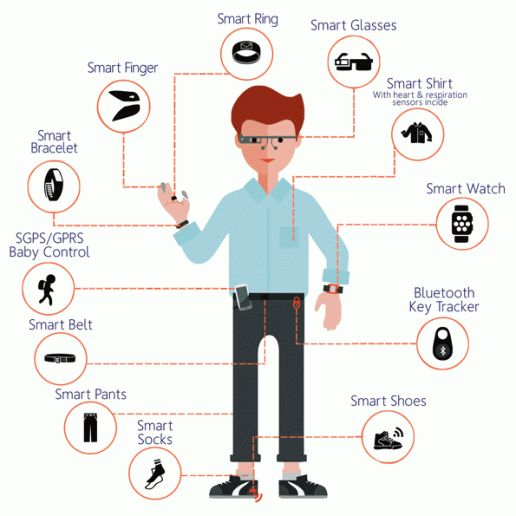
Have you ever wondered what goes into making the wearable technology you use every day? From smartwatches to fitness trackers, these devices seem almost magical.
But behind their sleek designs lies a fascinating process that combines science, creativity, and precision. If you want to know how your favorite gadgets come to life and what makes them work so seamlessly on your wrist or body, keep reading.
This article will break down the steps in a simple way, so you can truly appreciate the technology you wear.
Evolution Of Wearable Tech
Wearable technology has come a long way from simple tools to advanced smart devices. Its evolution shows how innovation meets everyday needs. This journey highlights key changes in design, function, and technology.
Early Devices And Milestones
The first wearable tech was basic and focused on simple tasks. Early wristwatches helped track time on the go. Hearing aids improved sound for people with hearing loss. In the 1970s, calculator watches appeared. These combined timekeeping and calculation features.
Fitness trackers emerged in the 1980s. They monitored steps and basic health data. These devices used simple sensors and limited processing power. Still, they set the stage for more advanced wearables.
Shift From Gadgets To Smart Devices
Wearables became smarter with better microchips and wireless tech. The 2000s brought Bluetooth and Wi-Fi to small devices. This allowed wearables to connect with phones and computers.
Smartwatches appeared, offering apps, notifications, and health tracking. They replaced many single-purpose gadgets. Sensors evolved to track heart rate, sleep, and even oxygen levels. Voice control and touchscreens improved user interaction. Today’s wearables combine style, function, and real-time data.
Credit: www.mdpi.com
Core Components Of Wearables
Wearable technology relies on several core components to function smoothly. These parts work together to collect data, process information, and deliver results. Understanding these components helps explain how wearables provide real-time insights and interactions.
Sensors And Processors
Sensors detect physical signals from the body or environment. Common sensors include accelerometers, gyroscopes, and heart rate monitors. They gather data like movement, temperature, and pulse.
Processors act like the brain of the device. They analyze sensor data and run software. Efficient processors balance power use and performance. This ensures fast response and longer battery life.
Display Technologies
Displays show information users need. Types include OLED, LCD, and e-ink screens. They vary in brightness, color, and power consumption.
Some wearables use minimal displays or no screens. Instead, they rely on LEDs or vibrations. This saves power and keeps devices lightweight.
Power Sources And Batteries
Wearables need reliable power to operate all day. Most use rechargeable lithium-ion batteries. These batteries offer good energy density and lifespan.
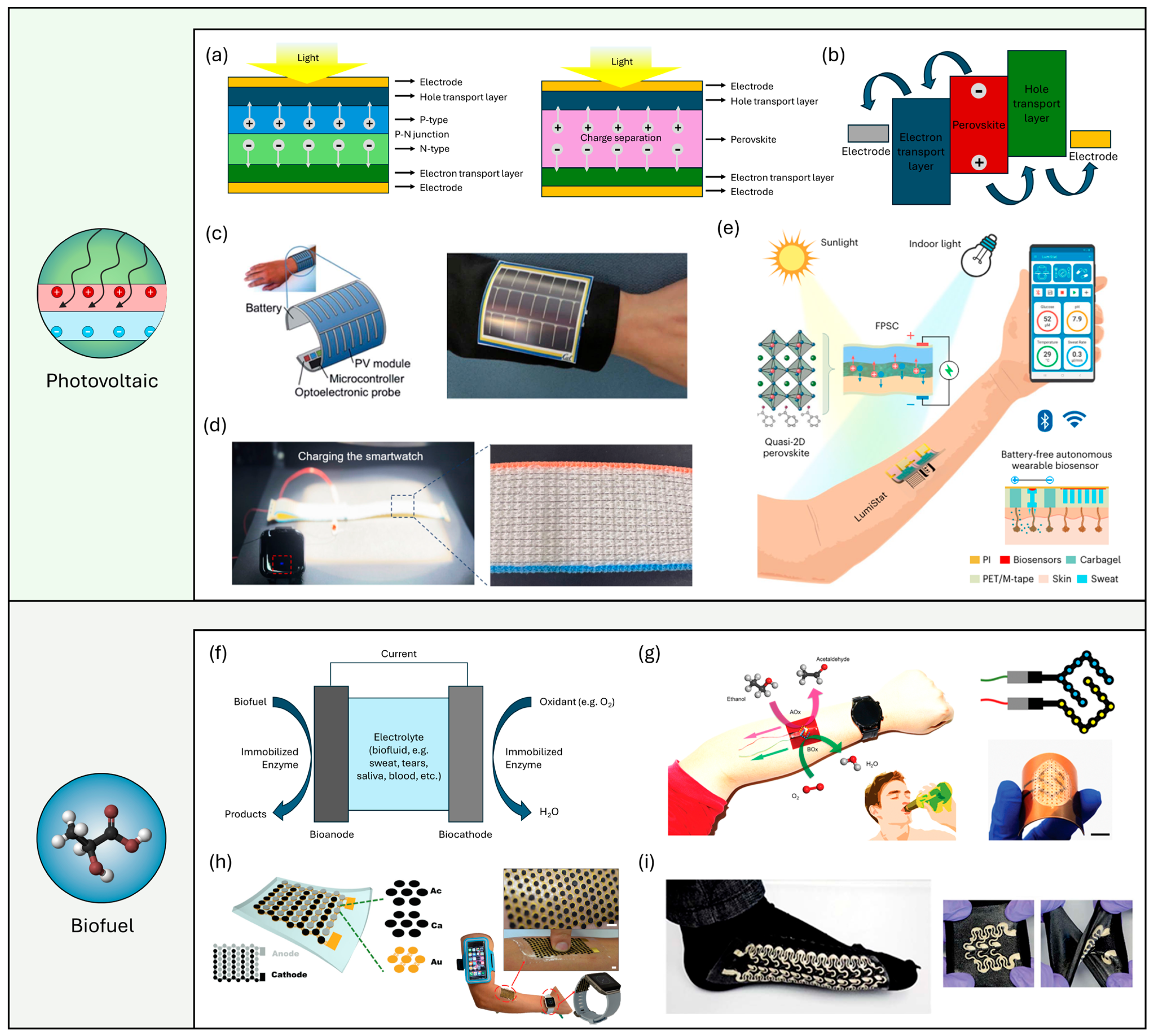
Power management circuits control charging and usage. Some devices include energy-saving modes. Newer technology explores solar or kinetic energy charging.
Design And Engineering Process
The design and engineering process of wearable technology is a careful balance between innovation and practicality. Every choice impacts how the device looks, feels, and performs. Understanding this process helps you appreciate the effort behind the seamless gadgets you wear daily.
Material Selection
Choosing the right materials is crucial. Wearables need to be lightweight yet durable to handle daily use. Materials like silicone, stainless steel, and flexible polymers are common because they resist sweat and wear.
Think about your own wearable—does it ever feel too heavy or uncomfortable? That’s often a sign the material choice could be better. Engineers test multiple options to find what lasts longest without sacrificing comfort.
Ergonomics And User Comfort
Wearables must fit your body like a second skin. Designers study how people move and where wearables sit to avoid irritation or slipping. This focus on ergonomics ensures you forget you’re even wearing the device.
Have you ever adjusted a device because it pressed too hard or shifted during activity? That’s a common issue designers try to solve early on. Making wearables user-friendly means paying close attention to how they interact with your skin and muscles.
Prototyping And Testing
Before a wearable hits the market, multiple prototypes are built and tested. These models undergo real-world trials to catch any flaws in design or function. Testing includes everything from battery life to water resistance and comfort under different conditions.
Imagine wearing a fitness tracker during a run only to have it stop tracking or cause discomfort. Prototyping helps catch these problems before you ever buy the device. This stage is where theory meets reality, ensuring the final product works as promised.
Software And Connectivity
Software and connectivity form the backbone of wearable technology. They enable devices to perform tasks, interact with users, and connect with other gadgets. Without efficient software and strong connections, wearables lose their main functions.
Operating Systems For Wearables
Wearable devices use special operating systems (OS) designed for small screens and low power use. Popular OS options include:
- Wear OS by Google
- Apple watchOS
- Samsung’s Tizen
- Fitbit OS
These systems manage apps, sensors, and user interfaces. They keep the device running smoothly and allow updates to add features.
Wireless Communication Protocols
Wearables connect to smartphones, computers, and the internet using wireless protocols. Common types include:
- Bluetooth: Most popular for short-range connections.
- Wi-Fi: Used for faster internet access.
- NFC (Near Field Communication): For quick data transfer and payments.
- LTE/5G: For standalone cellular connectivity.
These protocols allow wearables to sync data and receive notifications instantly.
App Integration And Ecosystems
Wearables work best when linked to apps and ecosystems. Apps analyze health data, control device settings, and enhance user experience. Ecosystems like Apple Health or Google Fit collect data from many devices for a full picture of health and activity.
Developers create apps that extend wearable functions. This integration makes wearables more useful and personal.
Manufacturing Techniques
Manufacturing wearable technology involves precise and efficient processes. These techniques ensure each device works well and lasts long. The production focuses on combining small electronic parts with durable materials. Each step requires careful handling to keep quality high and costs low.
Assembly Line Automation
Automation speeds up the production of wearable devices. Robots and machines place tiny components on circuit boards. This process is called surface mount technology (SMT). Automated systems reduce human error and increase output. They also handle delicate parts that are too small for manual assembly. Automation allows faster response to market demand.
Quality Control Measures
Quality checks happen at every stage of manufacturing. Devices undergo tests for battery life, connectivity, and durability. Visual inspections catch any physical defects. Software tests ensure the device runs smoothly. These controls prevent faulty products from reaching customers. Consistent quality builds trust and brand reputation.
Scalability Challenges
Scaling production is complex for wearable tech. Small components require precise tools and skilled operators. Supply chain delays can slow down manufacturing. Custom designs need new setups and testing. Balancing speed and quality demands careful planning. Manufacturers must adapt quickly to changing market needs.
Credit: www.designnews.com
Innovations Driving The Future
Wearable technology is evolving fast thanks to new innovations. These advances help devices become more comfortable, smart, and useful. They change how we track health, communicate, and interact with the digital world. Let’s explore key innovations shaping the future of wearable tech.
Flexible And Stretchable Electronics
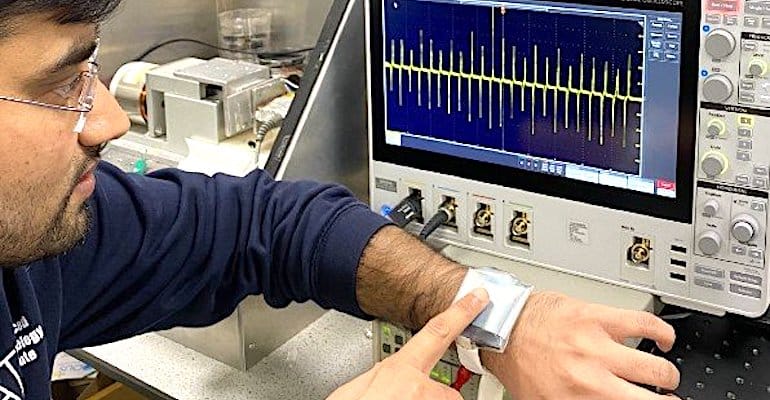
Traditional electronics are rigid and bulky. Flexible and stretchable electronics bend and twist with the body. They use thin materials like polymers and nanowires. This lets wearables fit snugly on skin or clothing. Users enjoy more comfort and freedom of movement. These electronics also resist damage from everyday use.
Advanced Biometric Sensors
New sensors measure more than just steps or heart rate. They detect oxygen levels, hydration, and even stress. These sensors use light, electrical signals, and chemical reactions. They provide real-time health data with great accuracy. This helps users monitor wellness and catch problems early.
Ai And Machine Learning Integration
Wearables now use AI to analyze collected data. Machine learning helps devices learn user habits and preferences. This makes health advice and alerts more personalized. AI also improves voice recognition and gesture controls. Devices become smarter and easier to use over time.
Environmental And Ethical Aspects
Wearable technology is not just about innovation and convenience; it also raises important environmental and ethical questions. How these devices are made affects our planet and the people who use them. Understanding these aspects helps you make better choices about the gadgets you wear every day.
Sustainability In Production
Many wearable devices rely on rare metals and plastics, which can harm the environment during extraction and manufacturing. Some companies now use recycled materials and design products to be more easily repaired or recycled. You might wonder how much impact your fitness tracker has—choosing brands committed to sustainability can reduce your carbon footprint.
Factories producing wearables often consume a lot of energy and water. Supporting manufacturers that use renewable energy or follow strict environmental standards can make a difference. Think about whether your next wearable comes with a clear sustainability report or certifications.
Data Privacy Concerns
Your wearable collects a lot of personal data, from heart rate to location. This information can be sensitive, and not all companies handle it responsibly. Have you checked the privacy settings or data policies of your device? Understanding what data is shared and with whom is crucial.
Some wearables share data with third parties without clear consent. You can protect yourself by choosing devices with strong encryption and transparent data practices. Remember, the convenience of wearable tech should not come at the cost of your privacy.
User Health And Safety
Wearables monitor your health, but inaccurate readings can cause unnecessary worry or missed warnings. Have you experienced your device giving a false alarm or missing an important health sign? Ensuring the device meets medical standards can protect you from such risks.
Additionally, prolonged use of some wearables might cause skin irritation or discomfort. Paying attention to materials and fit can improve your experience and safety. Your health matters most—don’t ignore signs that your device might not be the best match for you.

Credit: www.eurasiareview.com
Frequently Asked Questions
How Is Wearable Technology Designed And Developed?
Wearable technology is designed by integrating sensors, microprocessors, and connectivity modules. Developers focus on user comfort and device functionality. Prototyping involves hardware and software testing to ensure accuracy and durability. The design process balances innovation with practical usability.
What Materials Are Used In Making Wearable Devices?
Wearables use lightweight, flexible materials like silicone, plastics, and textiles. Metals such as stainless steel and aluminum are common for durability. Conductive fabrics enable sensor integration. These materials ensure comfort, strength, and reliable performance for daily wear.
How Do Sensors In Wearable Tech Work?
Sensors in wearables detect physical data like movement, heart rate, or temperature. They convert this data into electronic signals. These signals are processed by the device’s microprocessor to provide real-time feedback. Sensor accuracy is crucial for device reliability.
What Role Does Software Play In Wearable Technology?
Software manages data collection, processing, and user interface. It enables connectivity with smartphones and cloud services. Apps analyze sensor data for fitness, health, or notifications. Software updates improve performance and add new features over time.
Conclusion
Wearable technology is crafted through various intricate steps. Designers brainstorm ideas. Engineers work on components. The technology blends seamlessly into everyday life. Materials are chosen for comfort and durability. Each device undergoes rigorous testing. This ensures safety and functionality. Developers integrate software with hardware.
Together, they create smart and efficient devices. Wearable technology evolves constantly. New innovations enhance user experience. It changes how we interact with the world. Understanding the process helps appreciate these gadgets. They are more than just accessories. They represent the future of technology.
Wearables are here to stay, shaping our lives daily.
Leave a Reply