Are you curious about wearable technology but don’t know where to begin? You’re not alone.
Wearable tech is changing the way we live, work, and stay healthy. Imagine having gadgets that track your fitness, monitor your health, or even make your daily tasks easier—all right on your wrist or clothing. This guide will help you take the first steps toward understanding and using wearable technology.
By the end, you’ll feel confident about choosing the right devices and making the most of what they offer. Ready to dive in? Let’s get started!
What Is Wearable Technology
Wearable technology includes devices worn on the body. These devices collect data and help users in daily tasks. They often connect to smartphones or the internet. Wearables blend technology with fashion and function.
This technology improves health, fitness, and communication. It creates new ways to interact with digital tools. Wearables come in many forms and styles.
Definition Of Wearable Technology
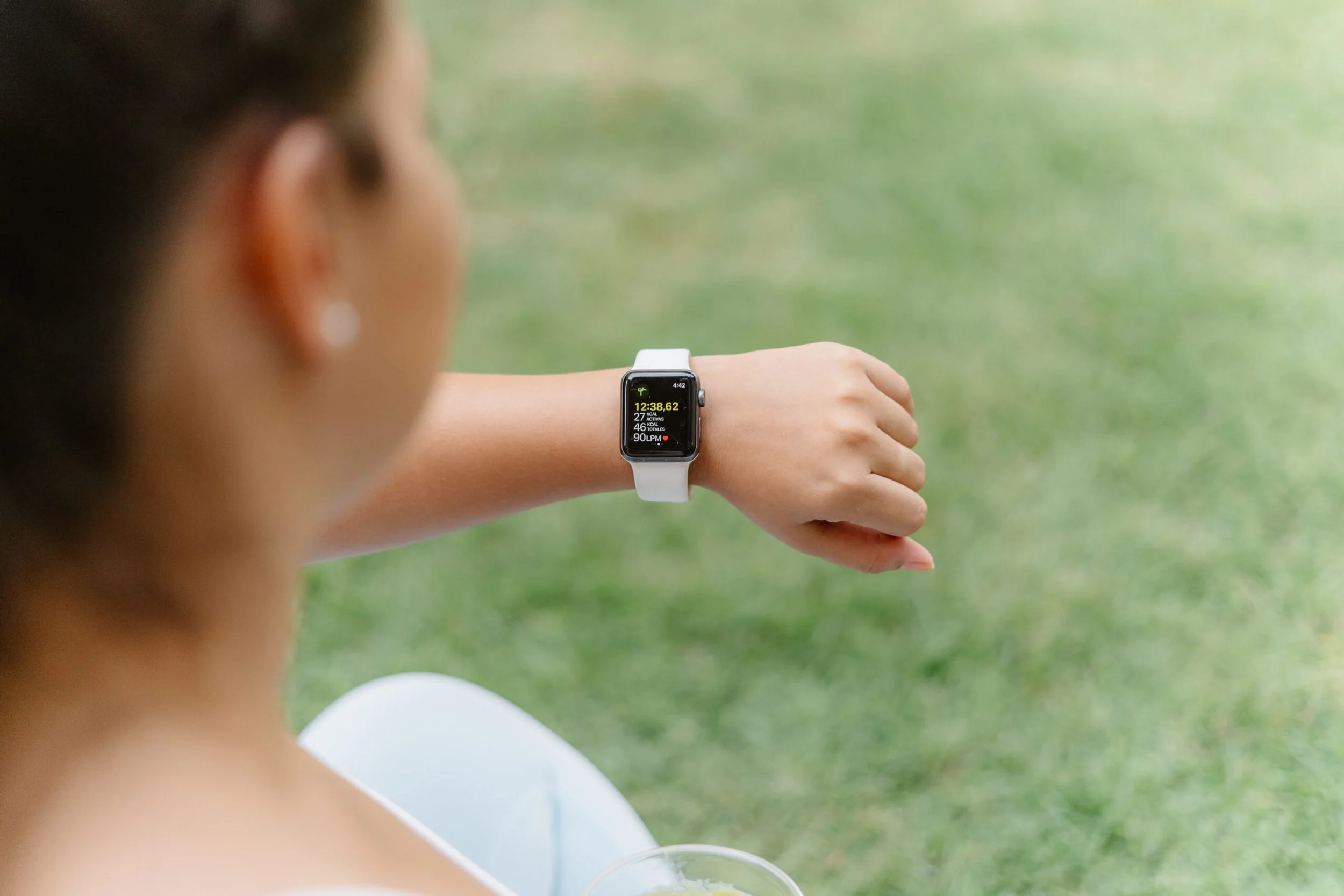
Wearable technology means electronic devices worn on the body. They track information or offer features for convenience. Examples include smartwatches, fitness trackers, and smart glasses.
Common Types Of Wearable Devices
- Smartwatches that show notifications and track health
- Fitness bands that monitor steps and heart rate
- Smart glasses offering hands-free information
- Wearable cameras for capturing video on the go
- Health monitors tracking vital signs continuously
How Wearable Technology Works
Wearables use sensors to collect data from the body. They process this data and send it to apps or devices. Users get real-time feedback and insights. Connectivity is often through Bluetooth or Wi-Fi.
Benefits Of Wearable Technology
- Improves health by tracking physical activity
- Enhances communication with instant alerts
- Offers convenience by automating daily tasks
- Supports safety with emergency features
Types Of Wearable Devices
Wearable technology includes many types of devices designed to be worn on the body. Each type serves a unique purpose and offers different features. Understanding these devices helps you choose the right one for your needs.
Fitness Trackers
Fitness trackers monitor physical activities like steps, distance, and calories burned. They often include heart rate sensors and sleep tracking. These devices help people stay active and meet health goals.
Smartwatches
Smartwatches combine the features of a watch and a mini-computer. They show notifications, track fitness, and support apps. Many models allow calls and music control without using a phone.
Wearable Cameras
Wearable cameras capture photos and videos hands-free. They attach to clothing or accessories. These devices are popular for sports, travel, and everyday moments.
Health Monitors
Health monitors track vital signs like blood pressure, oxygen levels, and ECG. They assist people with medical needs and support wellness routines. These devices provide real-time health data.
Key Features To Look For
Choosing the right wearable technology can feel overwhelming with so many options out there. Focusing on key features helps you pick a device that fits your lifestyle and needs. These features impact how useful and enjoyable your wearable will be every day.
Battery Life
Battery life is one of the most important factors to consider. A device that dies after a few hours can quickly become more frustrating than helpful. Look for wearables that offer at least a full day of use on a single charge.
Some smartwatches and fitness trackers now provide multi-day battery life, which means less time charging and more time wearing. Think about your typical routine—do you want to charge your device overnight only, or are you okay plugging it in more frequently?
Compatibility
Your wearable should work smoothly with your existing devices. Check if it pairs well with your smartphone’s operating system—whether iOS or Android. Some devices offer better features or apps depending on the platform.
Also, consider compatibility with other apps you use daily, like fitness or health tracking apps. If syncing data feels clunky or limited, you might lose motivation to use the wearable consistently.
Sensors And Accuracy
The sensors inside your wearable determine how well it tracks your activity and health. Heart rate monitors, GPS, accelerometers, and SpO2 sensors vary in quality. Accurate readings help you trust the data and make better decisions.
Ask yourself: do you need precise workout tracking, or are basic step counts enough? Reading user reviews about sensor performance can reveal real-world accuracy beyond the specs.
Design And Comfort
You will wear your device for hours, so comfort matters a lot. A bulky or heavy wearable quickly becomes a nuisance. Look for lightweight designs with adjustable bands that suit your wrist size.
Design also affects how you feel wearing it. Choose styles that match your personality and daily outfits. When I switched to a sleeker model, I found myself wearing it more often, simply because it felt good on my wrist.

Credit: moldstud.com
Popular Platforms And Ecosystems
Choosing the right platform is crucial when starting with wearable technology. Each ecosystem offers unique features, development tools, and user bases that can shape your experience and project success. Understanding these popular platforms helps you pick one that fits your goals and skills.
Apple Watchos
Apple WatchOS leads the market with its seamless integration into the Apple ecosystem. If you already use an iPhone, developing for WatchOS gives you access to a loyal user base and powerful tools like SwiftUI and HealthKit.
Apple’s strict guidelines might feel limiting, but they ensure high-quality apps. Have you thought about how your app could leverage Apple’s health data or notifications to stand out?
Google Wear Os
Google Wear OS offers flexibility and works well with both Android and iOS devices, though it’s optimized for Android. The platform supports a wide range of devices from brands like Fossil and Mobvoi.
Wear OS uses familiar Android development tools, which can ease your learning curve if you have Android experience. Are you ready to tap into Google’s vast ecosystem, including Google Assistant and Maps, to make your wearable app more interactive?
Samsung Tizen
Samsung’s Tizen OS powers its Galaxy Watch line and focuses on efficiency and battery life. It allows developers to create apps using web technologies like HTML5, CSS, and JavaScript.
This can be a huge advantage if you come from a web development background. Think about how Tizen’s multitasking features and Samsung’s hardware innovations can enhance your app’s performance.
Other Emerging Platforms
Besides the giants, platforms like Fitbit OS, Garmin Connect IQ, and Amazfit’s Zepp OS are gaining attention. These platforms cater to niche markets focused on fitness, outdoor activities, or long battery life.
Exploring these can open doors to less crowded markets. Could you create a specialized app that meets the unique needs these ecosystems serve?
Getting Started With Development
Getting started with wearable technology development means understanding the tools and knowledge needed. This field mixes hardware and software to create useful devices. A clear grasp of development basics helps build better wearable apps and gadgets.
Essential Tools And Software
First, select the right tools to design and test your wearable device. Popular choices include:
- Development boards like Arduino or Raspberry Pi for prototypes
- Wearable-specific hardware such as smartwatches or fitness trackers
- Design software like Adobe XD or Sketch for user interfaces
- Emulators to simulate devices on your computer
These tools help you create, test, and improve your wearable projects effectively.
Programming Languages
Programming is key to wearable technology. Choose languages based on the device and platform. Common options are:
- Java or Kotlin for Android-based wearables
- Swift for Apple Watch development
- C/C++ for low-level hardware programming
- JavaScript for web-connected devices and apps
Learning these languages allows you to write code that controls wearable functions and user interactions.
Apis And Sdks
APIs and SDKs provide ready-made tools to speed up development. They allow your app to connect with hardware and services. Examples include:
- Google Wear OS SDK for Android wearables
- Apple WatchKit for watchOS apps
- Fitbit SDK for fitness tracker apps
- Bluetooth and sensor APIs for device communication
Using these resources makes it easier to build features like health tracking and notifications.
Building Your First Wearable App
Building your first wearable app is an exciting step into the world of wearable technology. This process involves careful planning, thoughtful design, and thorough testing. Each phase ensures the app works well and meets user needs. Simple and clear goals help keep the project on track. Let’s explore the key stages to create a successful wearable app.
Planning Your App
Start by defining the app’s purpose. What problem will it solve? Who will use it? Keep the features limited to the most important ones. This focus helps avoid overcomplication. Research the platform you want to develop for, such as Apple Watch or Fitbit. Understand its capabilities and limitations. Create a list of app functions and user interactions. Sketch basic screens to visualize the app flow. Planning sets a strong foundation for the project.
Design Considerations
Wearable screens are small. Design simple interfaces with large buttons and clear text. Use high contrast colors for better visibility. Minimize the need for typing by using voice commands or quick taps. Think about how users will wear the device. Design for quick, easy interactions during daily activities. Keep animations and transitions smooth but lightweight. Good design improves usability and user satisfaction.
Testing And Debugging
Test the app on real devices as much as possible. Simulators are helpful but may not catch all issues. Check for battery usage and app performance. Look for bugs that cause crashes or slow responses. Ask others to try the app and give feedback. Use this information to fix problems and improve the app. Continuous testing ensures a reliable and enjoyable user experience.
Challenges In Wearable Tech
Wearable technology faces several challenges that impact its growth and user adoption. These issues affect design, functionality, and trust. Knowing these challenges helps developers create better devices. Let’s explore some key hurdles in wearable tech.
Privacy And Security
Wearables collect personal data like health stats and location. Protecting this data is crucial. Weak security can lead to hacking and data theft. Users worry about how companies use their information. Strong encryption and clear privacy policies build trust. Developers must prioritize data safety in every device.
Battery Constraints
Small size limits battery capacity in wearables. Devices need to last long without frequent charging. Battery life affects user satisfaction and device usefulness. Engineers work on energy-efficient chips and smart power management. Finding balance between performance and battery life remains tough. Users expect wearables to run all day or longer.
User Experience
Wearables must be easy and comfortable to use. Complex interfaces turn users away quickly. Devices should offer clear displays and simple controls. Comfort affects how often people wear these gadgets. Designers focus on lightweight materials and ergonomic shapes. Good user experience drives continued use and positive reviews.

Credit: medium.com
Future Trends In Wearables
The future of wearable technology holds exciting possibilities. New devices will go beyond simple fitness tracking. They will blend into daily life with advanced features. These trends will shape how people use wearables for health, work, and entertainment.
Health And Medical Integration
Wearables will monitor health more deeply. Sensors will track heart rate, sleep, and blood sugar. Doctors can get real-time data for better care. Early warnings for diseases will become common. This helps people stay healthier with less effort.
Augmented Reality
Augmented reality (AR) will change how we see the world. Wearables will project digital images over real scenes. This helps with navigation, learning, and gaming. AR glasses will become lighter and more affordable. They will make daily tasks easier and more fun.
Ai And Machine Learning
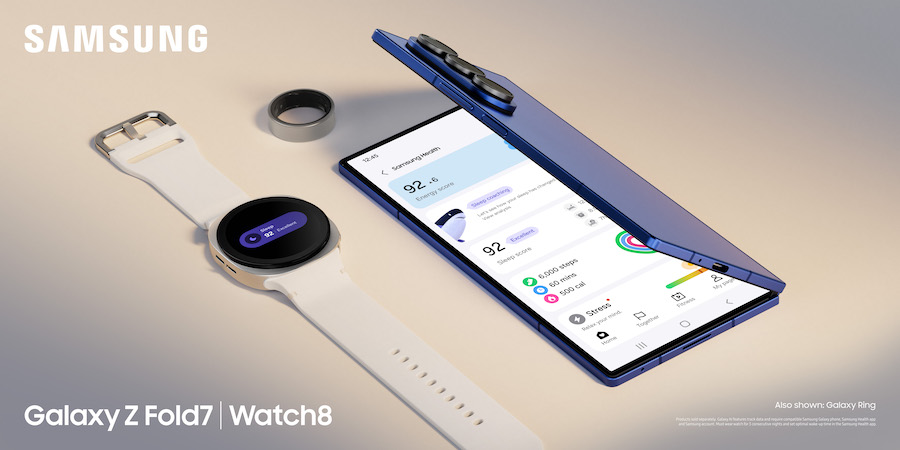
Artificial intelligence (AI) will make wearables smarter. Devices will learn from user habits to offer personalized advice. Machine learning will improve fitness coaching and health alerts. AI will also help in voice recognition and language translation. This makes wearables more helpful in many situations.
Credit: insights.samsung.com
Frequently Asked Questions
What Is Wearable Technology And How Does It Work?
Wearable technology refers to electronic devices worn on the body. These gadgets collect and transmit data using sensors. They track health, fitness, or provide notifications. Wearables connect to smartphones or computers for real-time monitoring and analysis.
How Can Beginners Start With Wearable Technology?
Start by researching popular wearable devices like smartwatches or fitness trackers. Choose one that fits your needs and budget. Learn basic functions and explore apps that enhance device use. Gradually integrate wearables into daily routines for better health or productivity insights.
What Skills Are Needed For Wearable Technology Development?
Key skills include knowledge of electronics, programming, and user interface design. Understanding sensors, Bluetooth, and mobile app integration is essential. Familiarity with data analysis and cybersecurity helps create secure, efficient wearable devices. Continuous learning keeps you updated on emerging technologies.
What Are The Common Challenges In Wearable Technology?
Challenges include battery life, data privacy, and device comfort. Ensuring accurate sensor readings and seamless connectivity is tough. Developers must balance functionality with user-friendly design. Overcoming these hurdles improves user experience and device reliability.
Conclusion
Starting with wearable technology can feel daunting. Don’t worry, it’s simpler than it seems. Explore options. Read reviews. Set a budget. Consider your needs. Health tracking? Fitness goals? Look for compatible devices. Stay updated with trends. Technology changes fast. Join online communities.
Ask questions. Share experiences. Learn from others. Remember, it’s a journey. Enjoy the process. Start small. Grow your collection over time. Wearable technology can enhance your life. Embrace the possibilities. Stay curious, and keep exploring.
Leave a Reply