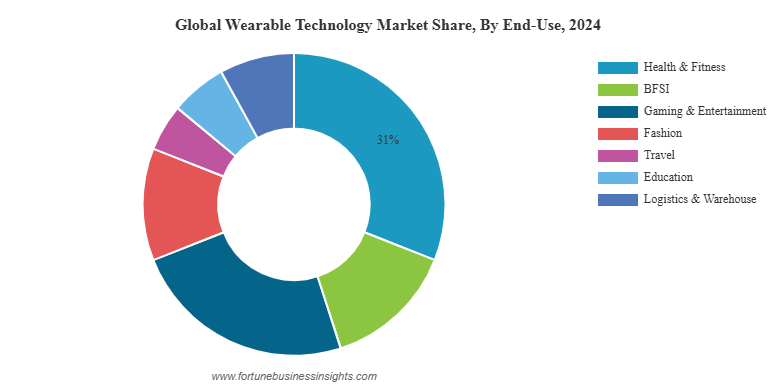
Have you ever wondered how many people around the world use wearable technology? Whether it’s a fitness tracker on your wrist or smart glasses, these devices are becoming a part of everyday life.
You might be surprised to learn just how many people rely on wearables to monitor their health, stay connected, or boost their productivity. Understanding the scale of wearable technology use can help you see where this trend is heading—and how it might fit into your own life.
Keep reading to discover the latest numbers and what they mean for you.
Credit: www.grandviewresearch.com
Global Wearable Tech Usage
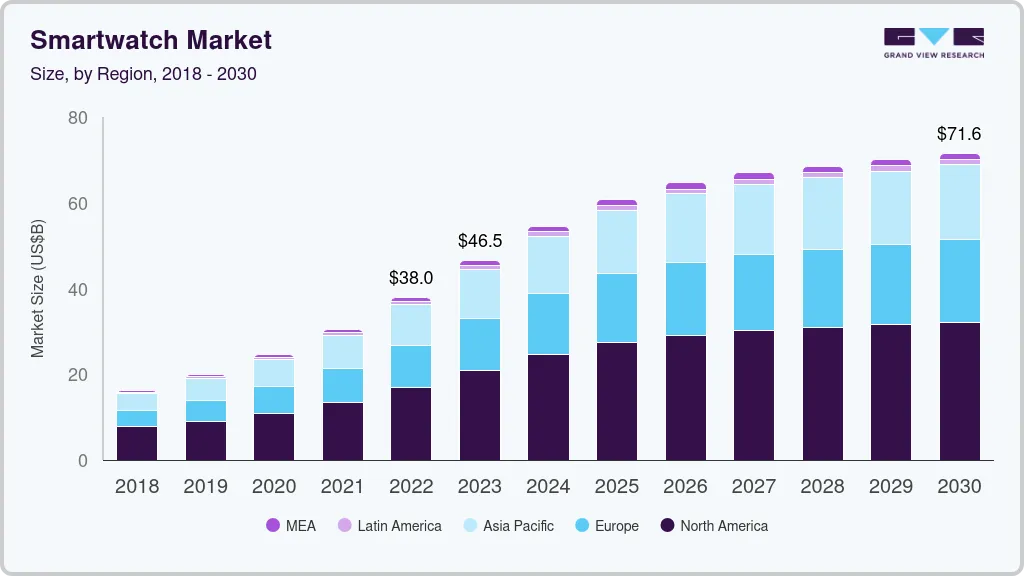
Wearable technology has become a significant part of daily life for millions around the world. Understanding how many people use these devices globally can help you see where this trend is heading and how it might affect your own lifestyle. Let’s look at the current numbers and the growth trends shaping this market.
Current User Numbers Worldwide
As of 2024, over 1 billion people use wearable technology worldwide. This includes fitness trackers, smartwatches, smart glasses, and health monitors. The widespread adoption is driven by increased health awareness and the convenience of staying connected on the go.
China, the United States, and Europe lead in wearable tech users, accounting for the largest share of the market. For example, in the U.S., around 30% of adults own at least one wearable device. This number reflects how integrated wearables have become in managing health, fitness, and communication.
Growth Trends Over The Years
The global wearable tech market has seen steady growth of about 15-20% annually over the last five years. This expansion is fueled by advances in technology, falling prices, and new features like health monitoring and contactless payments.
Interestingly, the pandemic accelerated adoption as more people focused on personal health and remote connectivity. Have you noticed more people around you using devices to track their heart rate or sleep patterns? That’s a clear sign of this growing trend.
Looking ahead, experts predict the user base will surpass 1.5 billion by 2027. This raises a question: how will you adapt to the increasing role of wearable tech in your daily routines?
Popular Types Of Wearables
Wearable technology has become part of daily life for millions worldwide. These devices offer convenience, health insights, and connectivity. Different types suit various needs and lifestyles. Popular wearables include fitness trackers, health monitors, and smart glasses. Each type provides unique features and benefits.
Fitness Trackers And Smartwatches
Fitness trackers and smartwatches are the most common wearables. They count steps, monitor heart rate, and track sleep. Smartwatches also show notifications and support apps. Many models connect to smartphones for easy access. Users enjoy staying active and informed with these devices.
Health Monitoring Devices
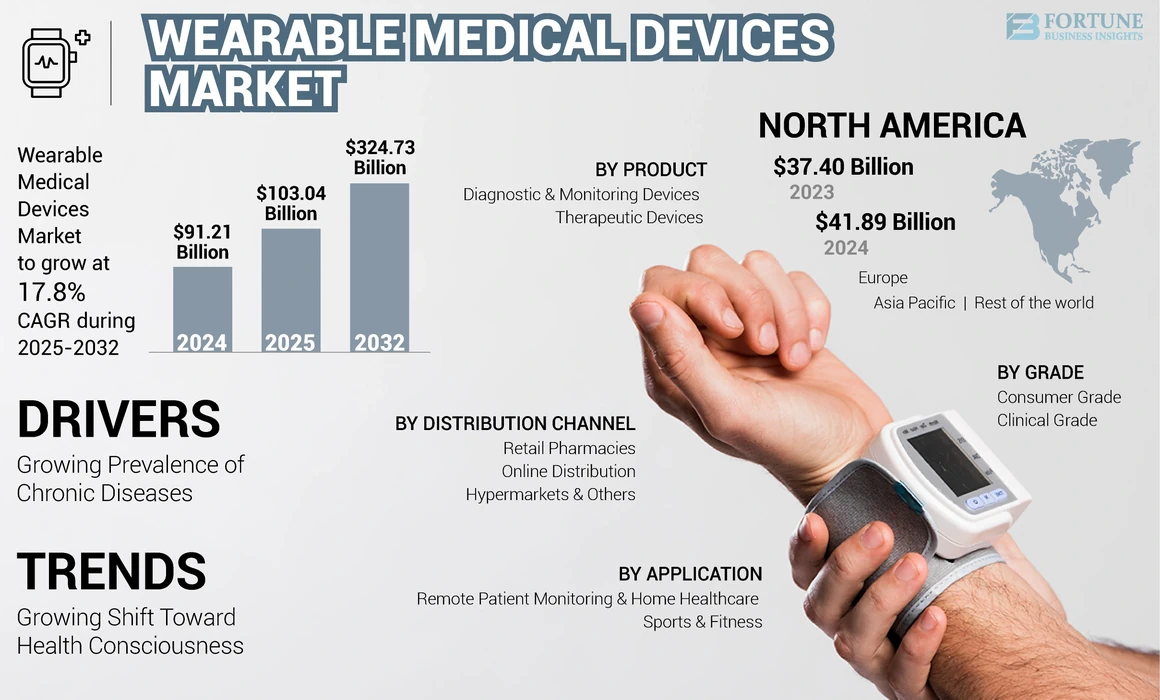
Health monitoring devices focus on medical data. They track blood pressure, glucose levels, and oxygen saturation. These wearables help people manage chronic conditions. They provide real-time data to users and doctors. Accuracy and ease of use are key features.
Smart Glasses And Other Gadgets
Smart glasses offer heads-up displays and hands-free information. They assist in navigation and communication. Other gadgets include smart rings and earbuds. These devices provide discreet ways to stay connected. Innovation continues to expand wearable options.
Demographics Of Wearable Users
Wearable technology attracts a diverse group of users worldwide. The demographics of wearable users reveal interesting trends about who adopts these devices. Understanding these patterns helps identify how wearables fit into daily life across different groups.
Age Groups Embracing Wearables
Younger people, especially those aged 18 to 34, lead in wearable use. They favor fitness trackers and smartwatches for health and notifications. Middle-aged adults, from 35 to 54, also show strong adoption. They often use wearables for health monitoring and convenience. Older adults, 55 and above, are growing in numbers. They use wearables mainly for health tracking and emergency alerts.
Gender Differences In Usage
Men and women use wearable devices differently. Men tend to prefer smartwatches and fitness trackers for sports and activity tracking. Women are more likely to use wearables for health monitoring and lifestyle management. Both genders show interest in fashion-forward devices. Usage patterns depend on personal goals and preferences more than technology.
Regional Adoption Patterns
Wearable use varies by region across the globe. North America leads in adoption, driven by tech awareness and income levels. Europe follows with steady growth in wearable use for health and fitness. Asia shows rapid adoption, especially in urban areas with younger populations. Developing regions have slower adoption due to cost and infrastructure challenges.
Reasons Behind Wearable Popularity
Wearable technology has grown quickly in recent years. Many people now use devices like smartwatches and fitness trackers daily. The rise in popularity comes from several key reasons that meet users’ needs and interests.
Health And Fitness Motivation
Wearables help users track their health easily. They count steps, monitor heart rates, and track sleep patterns. This data encourages people to stay active and improve their habits. Many users feel motivated by setting daily goals and seeing progress. It makes health management simple and clear.
Convenience And Connectivity
Wearable devices keep users connected without needing their phones. They show notifications, calls, and messages on the wrist. This saves time and keeps users informed. Wearables also offer features like GPS and music control. These functions add convenience to daily life.
Fashion And Lifestyle Factors
Many wearables look stylish and match different outfits. Users choose designs that fit their personality and lifestyle. Some brands offer customizable bands and watch faces. This makes wearables more than just tools—they become fashion accessories. The variety attracts people who want both function and style.
Surprising Usage Stats
Wearable technology has woven itself into the fabric of daily life for millions, but the details of who uses it and how often might surprise you. The numbers reveal trends that go beyond the usual fitness buffs and tech enthusiasts. Let’s take a closer look at some surprising stats that might just change how you view these handy devices.
Unexpected User Segments
Did you know that a significant portion of wearable users are seniors? Around 25% of adults over 65 now own some form of wearable device, primarily for health monitoring. This challenges the common belief that wearables are only for younger, tech-savvy users.
Parents are another growing group embracing wearables, using smartwatches to keep track of their children’s location and activity. Even professionals in non-tech fields like farming and construction are adopting wearables to enhance safety and productivity.
Device Usage Frequency
Most users don’t just wear their devices occasionally. Over 60% of wearable owners wear their device daily, with many checking it multiple times an hour. This frequent interaction shows that wearables have become an integral part of their routines.
Some users report wearing their devices 24/7, including during sleep, to track health metrics like heart rate and sleep quality. How often do you check your wearable each day? Your answer might reveal how embedded these gadgets are in your life.
Impact On Daily Life
Wearables influence more than just fitness. Users often report feeling more motivated to move, eat better, and manage stress thanks to real-time feedback. One user shared how a smartwatch alert helped detect an irregular heartbeat, prompting early medical attention.
Beyond health, wearables simplify tasks like managing notifications and controlling smart home devices without reaching for your phone. Think about how your wearable could improve your productivity or well-being—what small change could you make today?
Credit: www.idtechex.com
Future Of Wearable Technology
The future of wearable technology is shaping how you interact with the world around you. These devices are no longer just fitness trackers or smartwatches; they’re becoming essential tools for health, communication, and even entertainment. Understanding where wearable tech is headed can help you decide which innovations to watch for and how to make the most of them.
Emerging Trends And Innovations
Wearables are moving beyond simple step counting and notifications. You’ll see more devices equipped with advanced health sensors that monitor blood pressure, glucose levels, and even mental health indicators.
Smart clothing with embedded sensors is gaining traction, offering real-time feedback during workouts or daily activities. Augmented reality (AR) glasses are also improving, blending digital information seamlessly into your view without needing to pull out a phone.
What if your wearable could predict health issues before symptoms appear? Some companies are working on AI-powered wearables that analyze patterns to alert you early, potentially saving lives.
Predicted User Growth
The number of wearable tech users is expected to grow significantly in the next few years. Experts predict that by 2027, over 1.1 billion people worldwide will be using some form of wearable technology.
This growth isn’t just in tech-savvy regions; emerging markets are adopting wearables rapidly due to affordable options and increasing health awareness. Are you ready to join this expanding community and benefit from these smart devices?
The rise in user numbers also means more data will be generated. This can improve device accuracy and personalized experiences, but it also raises important questions about privacy and data security.
Challenges And Opportunities
Wearables face challenges such as battery life limitations and data privacy concerns. You might hesitate to use a device that tracks your every move if you’re unsure about how your data is handled.
On the opportunity side, integration with other smart devices and health systems can enhance your daily life. Imagine your wearable communicating with your home thermostat or doctor’s office automatically.
How much control do you want over your data? Deciding this will shape your experience and trust in wearable technology. Staying informed and choosing devices with transparent policies puts you in charge of your digital health journey.
Credit: www.fortunebusinessinsights.com
Frequently Asked Questions
How Many People Use Wearable Technology Worldwide?
Over 1 billion people worldwide use wearable technology in 2024. This includes smartwatches, fitness trackers, and health monitors. The growing trend reflects rising health awareness and tech adoption globally. Wearables are popular for fitness, health tracking, and convenience features.
What Age Group Uses Wearable Technology Most?
Adults aged 18 to 45 are the primary users of wearable technology. This group values fitness tracking, notifications, and health insights. Younger users also adopt wearables for lifestyle convenience and connectivity. Usage is expanding among older adults due to health monitoring benefits.
Which Countries Lead In Wearable Technology Adoption?
The United States, China, and Europe lead in wearable technology adoption. These regions have high smartphone penetration and tech-savvy populations. Strong healthcare infrastructure also drives wearable use for health monitoring. Adoption is growing rapidly in emerging markets too.
What Are The Main Reasons People Use Wearables?
People use wearables mainly for fitness tracking, health monitoring, and notifications. Wearables help track steps, heart rate, sleep, and activity levels. They also offer convenience for calls, messages, and reminders. Health insights and motivation are key benefits.
Conclusion
Wearable technology is growing in popularity worldwide. Many people use smartwatches and fitness trackers. These devices help track health and fitness. They also offer convenience in daily tasks. As technology advances, more people adopt wearables. This trend shows no signs of slowing down.
People enjoy the benefits wearables provide. They are becoming a part of everyday life. The future will likely see even more users. Wearables are changing how we interact with technology. Simple, effective, and increasingly essential. They blend seamlessly into daily routines.
Wearables are here to stay.
Leave a Reply