
Have you ever wondered if your refrigerator, microwave, or washing machine fall under the same category as your smartphone or laptop? You might be surprised to learn how home appliances fit into the world of consumer electronics.
Understanding this can help you make smarter choices when buying, using, or repairing your devices. Keep reading to discover why this distinction matters and how it affects your everyday life.
Consumer Electronics Basics
Understanding the basics of consumer electronics helps clear up common confusions about what products fall under this category. These devices play a significant role in daily life, often blending technology with convenience. Knowing what counts as consumer electronics can guide your choices when buying or upgrading your gadgets.
Defining Consumer Electronics
Consumer electronics are electronic devices designed for everyday use by individuals. They typically connect to power sources or batteries and provide entertainment, communication, or information services.
Unlike industrial electronics, these products are made with the average user in mind, focusing on ease of use and accessibility. Think about the last gadget you bought for personal use—chances are, it fits this definition.
Common Examples
- Smartphones and tablets
- Televisions and home theater systems
- Laptops and desktop computers
- Wearable devices like smartwatches
- Audio equipment such as headphones and speakers
These examples highlight devices that connect you to the digital world or enhance your entertainment. But where do home appliances fit in? Are your kitchen gadgets part of this list, or do they belong elsewhere? This question often sparks debate among consumers and experts alike.
Home Appliances Overview
Understanding home appliances is key to deciding whether they fall under consumer electronics. These devices play a significant role in daily life, making tasks easier and more efficient. Let’s take a closer look at what home appliances include and how they function.
Types Of Home Appliances
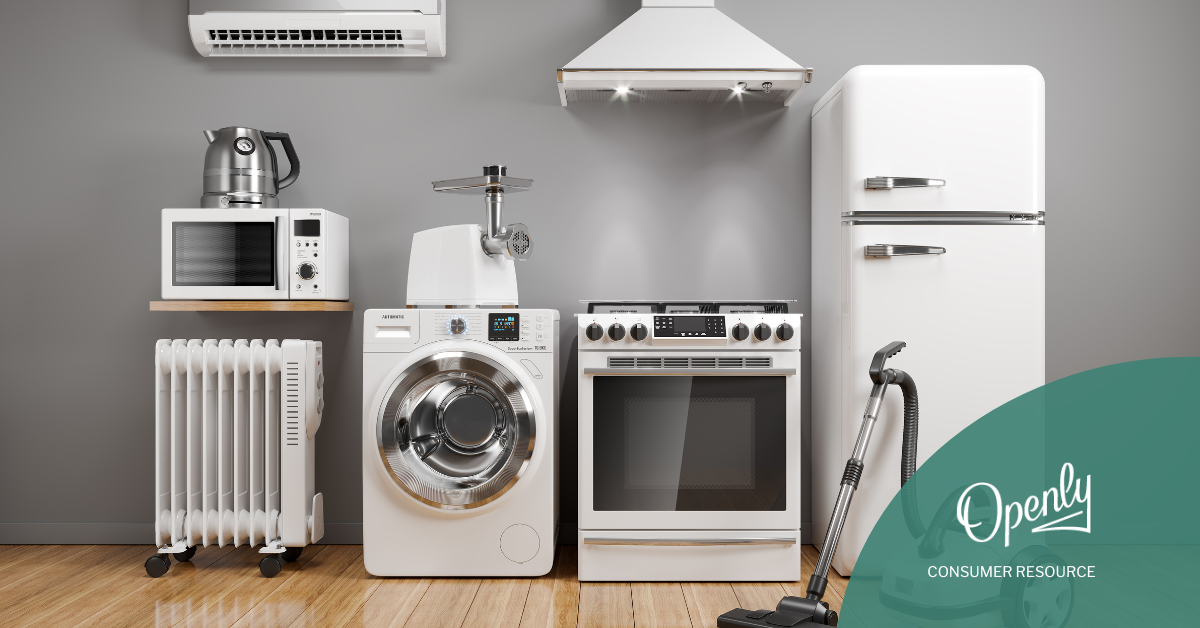
Home appliances come in many shapes and sizes. They generally divide into two categories: major appliances and small appliances.
- Major appliances:These are large machines like refrigerators, washing machines, ovens, and dishwashers. They often require installation and are essential for household operations.
- Small appliances:These include items like toasters, coffee makers, blenders, and vacuum cleaners. They are portable and help with specific tasks.
Have you ever thought about how many of these you use daily without even noticing their impact?
Functions And Uses
Each home appliance serves a specific purpose to simplify your routine. Refrigerators keep food fresh, washing machines clean clothes, and microwaves heat meals quickly.
Small appliances often fill niche roles—like a coffee maker providing your morning boost or a vacuum cleaner keeping your floors spotless. Their functions may seem simple, but they save you time and effort every day.
Think about your busiest day last week. How many of these appliances helped you without any extra thought? Understanding their roles helps you appreciate the technology behind them and whether they fit into the category of consumer electronics.
Overlap Between Appliances And Electronics
Home appliances and consumer electronics often share many similarities. Both categories include devices that make life easier and more comfortable. The overlap between these two groups can confuse many people. Understanding their shared features and technological differences helps clarify their roles in daily life.
Shared Features
Both home appliances and consumer electronics use electricity to work. They often have digital controls and smart functions. Many devices connect to the internet for updates and remote control. Energy efficiency is a common goal for both groups. They help save time and effort in household tasks. Examples include smart refrigerators and washing machines with touchscreen displays.
Differences In Technology
Home appliances usually focus on mechanical tasks, like cooling or cleaning. Consumer electronics often emphasize entertainment and communication functions. Appliances tend to have longer lifespans and simpler technology. Electronics change faster with new models released frequently. Repair needs differ, as appliances require more physical parts replacement. Electronics often need software updates and troubleshooting.
Credit: openly.com
Industry Classification Insights
Understanding how home appliances fit into the broader category of consumer electronics requires a look at industry classification systems. These systems help businesses, marketers, and analysts define and segment products in ways that impact everything from sales strategies to consumer perception. Knowing where your products stand can shape the way you approach your market and customers.
How Markets Categorize Products
Markets often separate home appliances and consumer electronics based on their primary functions. Consumer electronics usually include devices like smartphones, laptops, and TVs—gadgets focused on communication, entertainment, or computing.
Home appliances cover items such as refrigerators, washing machines, and microwaves—products designed for household tasks. However, some devices blur these lines, like smart refrigerators or connected ovens, which combine appliance functions with electronic features.
Have you noticed how retailers display these items differently? Electronics often have dedicated aisles or stores, while appliances are typically found in home improvement or specialized shops. This separation reflects industry classification and influences consumer expectations.
Impact On Marketing And Sales
Classifying home appliances separately from consumer electronics affects how companies market their products. Marketing messages for appliances emphasize durability, efficiency, and practical benefits, while electronics focus on innovation, design, and connectivity.
This distinction guides advertising platforms and sales channels. For example, electronics brands might target tech-savvy audiences on digital platforms, whereas appliance marketers may lean on in-store demonstrations or appliance-specific promotions.
Understanding these differences helps you tailor your approach. Could your product benefit from crossing these traditional boundaries? Sometimes, highlighting smart features in an appliance can attract tech enthusiasts and open new sales opportunities.
Consumer Perceptions And Misconceptions
Understanding what counts as consumer electronics can be tricky. Many people mix up home appliances and consumer electronics. This confusion shapes how consumers view these products. It also affects buying choices and how companies market their goods.
Common Beliefs
Many think consumer electronics only include gadgets like phones and laptops. They often exclude larger items like refrigerators and washing machines. Some see home appliances as separate because they serve basic household tasks. Others believe consumer electronics are always smaller and more portable. These ideas create a clear divide in people’s minds.
Why Confusion Exists
The line between home appliances and consumer electronics is not always clear. Both use electronic parts and advanced technology. Marketing terms vary across brands and stores. Some appliances have smart features, blurring the categories further. This overlap makes it hard for consumers to classify products correctly.
Credit: www.prnewswire.com
Future Trends In Appliances And Electronics
The future of home appliances and consumer electronics is full of exciting changes. Technology keeps evolving fast, making devices smarter and more connected. These trends will shape how we use everyday appliances and electronics in our homes.
Many new appliances will have advanced features to improve convenience and energy efficiency. They will communicate with other devices to create a seamless experience. The line between appliances and electronics will continue to blur.
Smart Appliances
Smart appliances use the internet and sensors to work better. They can learn user habits and adjust settings automatically. Examples include refrigerators that track groceries and ovens that can be controlled by phone. These appliances save time and reduce waste.
- Remote control through mobile apps
- Energy use monitoring
- Automatic updates for better performance
- Voice assistant compatibility
Integration With Consumer Electronics
Appliances will connect more with other consumer electronics. Smart TVs, speakers, and lighting systems will work together with appliances. This integration offers a unified home experience. It allows users to control many devices from one place.
- Centralized control hubs
- Improved home automation
- Enhanced user convenience
- Data sharing for better device performance
Credit: www.prnewswire.com
Frequently Asked Questions
Do Home Appliances Fall Under Consumer Electronics?
Yes, home appliances are a subset of consumer electronics. They include devices used daily for household tasks. Examples include refrigerators, washing machines, and microwaves. These appliances use electronic components, thus classifying them as consumer electronics.
What Differentiates Home Appliances From Other Electronics?
Home appliances are designed for specific household tasks. Other electronics might include gadgets like smartphones or laptops. Appliances focus on utility in home management. They are typically larger and used less frequently than personal electronics.
Are Smart Home Appliances Considered Consumer Electronics?
Absolutely, smart home appliances are a modern category of consumer electronics. They connect to the internet for enhanced functionality. Examples include smart refrigerators and voice-controlled ovens. Their integration with technology defines them as advanced consumer electronics.
Can Home Appliances Be Included In Electronics Recycling Programs?
Yes, most home appliances qualify for electronics recycling. Recycling helps recover valuable materials and reduces waste. Check local guidelines for specific appliance recycling options. Proper disposal ensures environmental safety and resource conservation.
Conclusion
Home appliances and consumer electronics often overlap. Both categories serve everyday needs. They improve our lives with convenience and efficiency. A blender and a smartphone both fit in this broad category. Understanding their roles helps in making better buying choices.
Consumers benefit from knowing what each offers. It clarifies how they enhance daily routines. Whether cooking or communicating, these tools are essential. They bridge the gap between necessity and modern living. Both have become integral to our homes. Recognizing their value can lead to smarter decisions.
So, next time you shop, consider their roles carefully.
Leave a Reply