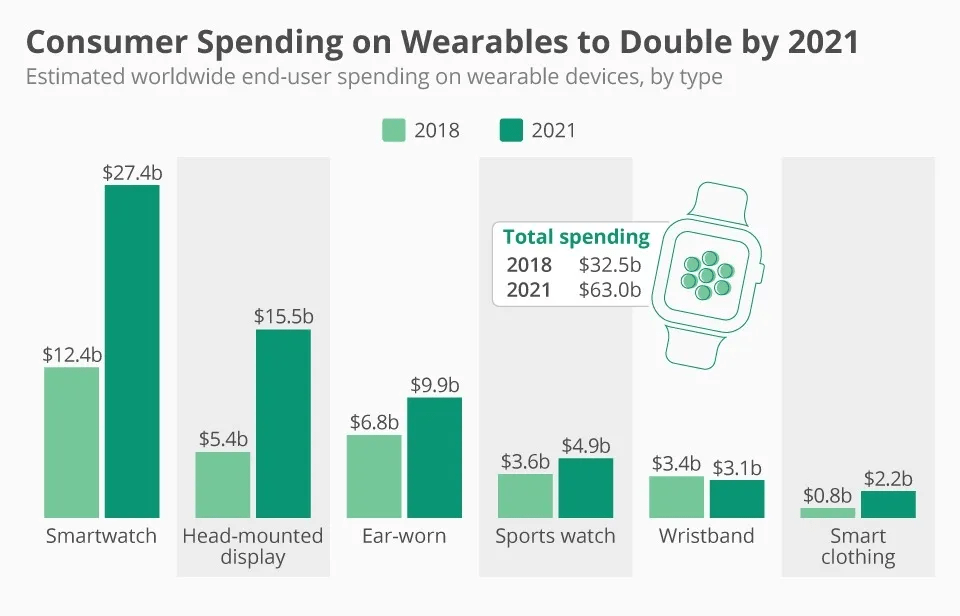
Have you ever wondered why so many people are turning to wearable fitness technology? These small devices are changing the way you track your health and stay motivated.
Imagine having a personal coach right on your wrist, encouraging you every step of the way. If you want to understand how these gadgets can boost your fitness journey and why they’re becoming a must-have, keep reading. This article will show you exactly why wearable fitness technology is capturing everyone’s attention—and how it can make a real difference in your life.

Credit: www.athleticlab.com
Rise Of Wearable Fitness Tech
Wearable fitness technology has surged in popularity over recent years. These devices track health metrics and help users stay active. More people want to know their health status in real time. Wearables make it easy to monitor steps, heart rate, sleep, and more. The rise of wearable fitness tech reflects changes in how people value health and technology.
Growth In Health Awareness
People now focus more on personal health and well-being. Chronic diseases push many to adopt healthier habits. Wearable devices offer constant feedback on daily activities. This helps users make better lifestyle choices quickly. Health awareness spreads through communities and workplaces. Wearables support this trend by providing clear health data.
Advancements In Technology
Technology improvements make wearables smaller and smarter. Sensors now track multiple body signals accurately. Battery life has increased for longer use without charging. Devices connect easily to smartphones and apps. This seamless integration enhances user experience. Affordable prices also bring wearables to more people.
Influence Of Social Media
Social media drives interest in fitness and wellness trends. Users share achievements and progress with friends and followers. This creates a motivation loop for many people. Fitness challenges and groups grow rapidly online. Wearables help track progress for these social goals. Social media also spreads information about new devices.
Tracking Physical Activity
Tracking physical activity is a key reason why wearable fitness technology is growing in popularity. These devices help users understand their daily movements and health better. By offering real-time data, wearables motivate people to stay active and make healthier choices. They provide clear, easy-to-read information about various aspects of fitness, making it simple to set and reach goals.
Step Counting And Movement Monitoring
Wearable devices track steps taken throughout the day. This simple number shows how active a person is. Many wearables also monitor different types of movement, like walking, running, or cycling. Users get feedback on how much time they spend moving versus sitting. This helps people increase their activity in small, manageable ways.
Heart Rate Tracking
Heart rate monitors are common in many fitness wearables. Tracking heart rate helps users see how hard their body is working during exercise. It also shows resting heart rate, a good sign of overall health. Real-time heart rate data helps guide workout intensity, making exercise safer and more effective.
Sleep Analysis
Wearable devices often include sleep tracking features. They measure sleep duration and quality by detecting movements and heart rate. Users learn how much deep and light sleep they get each night. Better sleep data helps people improve rest habits, which supports overall health and fitness progress.
Motivation And Goal Setting
Wearable fitness technology helps people stay motivated and set clear goals. It makes fitness personal and easier to manage. These devices keep users engaged by offering tools to track progress and celebrate achievements.
Personalized Fitness Goals
Wearable devices create goals based on personal data like age, weight, and activity level. They suggest targets that fit individual needs. This personalized approach makes goals realistic and reachable.
Users can adjust goals as they improve. This flexibility keeps motivation high and prevents frustration.
Progress Tracking
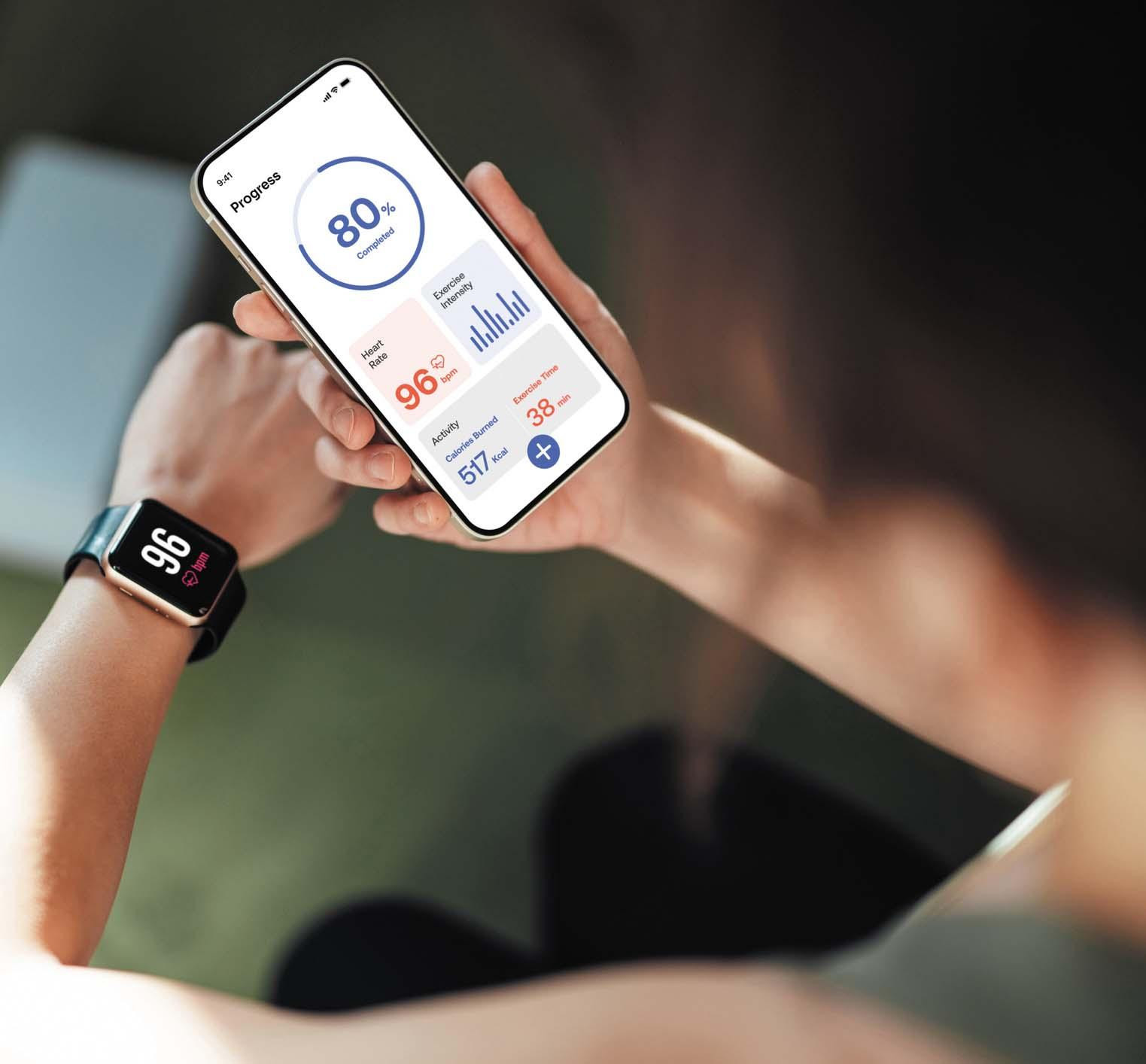
Track steps, heart rate, calories burned, and sleep quality all day. Seeing progress helps users understand their habits and results. Daily updates encourage users to keep moving and stay active.
Visual charts and summaries make progress easy to understand. This clear feedback drives consistent effort.
Reward Systems And Challenges
Many devices include badges, points, or virtual rewards for meeting goals. These rewards boost motivation and create a sense of achievement.
Challenges with friends or community add fun and competition. They push users to improve and stay committed.
Health Monitoring Features
Wearable fitness technology has grown beyond just counting steps or calories. Its health monitoring features provide real-time insights that can impact your daily well-being. These devices help you stay informed about your body’s signals, often before you even notice them yourself.
Detecting Irregularities
Have you ever wondered if your heart rhythm is truly normal? Wearables can detect irregular heartbeats or arrhythmias that might go unnoticed otherwise. Early alerts from your device can prompt timely medical check-ups, potentially preventing serious health issues.
I once ignored mild palpitations until my fitness tracker flagged irregularities. That alert led me to discover an underlying condition early enough for effective treatment. Imagine if your device could do the same for you.
Stress And Recovery Insights
Stress affects your body more than you realize, but wearables can help you track it through heart rate variability and other indicators. Understanding your stress levels helps you adjust your routine and improve recovery times.
Some devices even suggest breathing exercises or rest periods based on your current state. This personalized feedback turns fitness trackers into helpful guides for managing daily pressures. How often do you check in on your stress without these tools?
Integration With Medical Apps
Your wearable can connect directly with medical apps, sharing data seamlessly with healthcare providers. This integration makes monitoring chronic conditions easier and more accurate.
- Doctors receive up-to-date information without extra appointments
- You gain better control over your health plans
- Medication adjustments become more personalized
By linking your device to trusted medical apps, you create a continuous health feedback loop. Could this be the missing piece in your wellness journey?
Convenience And Accessibility
Wearable fitness technology is gaining popularity because it fits easily into daily life. People want tools that are simple to use and easy to carry. These devices make tracking health and activity straightforward and quick. Their design and features focus on user comfort and accessibility.
Wearable Design And Comfort
Wearables are lightweight and fit snugly on the wrist or body. Soft materials prevent skin irritation during exercise. Designs suit all-day wear, including sleep and workouts. Users do not feel weighed down or distracted. This comfort encourages consistent use throughout the day.
Real-time Feedback
Wearable devices give instant updates on steps, heart rate, and calories burned. This quick feedback helps users adjust their activities immediately. It motivates people to stay active and reach goals faster. Real-time data keeps users aware of their health status anytime.
Syncing With Smartphones
Most wearables connect easily to smartphones via Bluetooth. This syncing stores data and shows detailed reports on apps. Users can check progress, set goals, and receive alerts in one place. Smartphone integration makes managing fitness simple and accessible.

Credit: medium.com
Community And Social Interaction
Wearable fitness technology brings people closer through shared goals and activities. It creates a sense of belonging and motivation. Users connect with others who have similar fitness interests. The social aspect makes workouts more fun and engaging.
Sharing Achievements
Users can share their fitness milestones easily with friends and followers. Celebrating small wins boosts confidence and keeps motivation high. Many devices allow posting achievements on social media or within app communities. This sharing creates positive feedback and encouragement from others.
Group Challenges
Wearables often include group challenges that encourage friendly competition. Participants can join teams or compete individually. These challenges increase accountability and push users to reach new goals. Friendly rivalry makes exercise less boring and more exciting.
Support Networks
Support groups within wearable apps help users stay consistent. Members exchange tips, advice, and motivation daily. This network reduces feelings of isolation during fitness journeys. Knowing others face similar struggles encourages persistence and success.
Future Trends In Wearable Fitness
Wearable fitness technology is evolving rapidly. New trends are shaping its future. These trends make devices smarter and more useful. They help users track health better and stay motivated. Understanding these trends shows why wearables will grow in popularity.
Ai And Machine Learning Integration
Artificial intelligence improves how wearables analyze data. Devices learn user habits and offer personalized advice. They predict health issues before symptoms appear. Machine learning helps adapt workouts to fit user progress. This makes fitness tracking more accurate and helpful.
Enhanced Sensors
Sensors in wearables are becoming more sensitive and precise. They can measure heart rate, oxygen levels, and sleep patterns. New sensors track hydration and stress levels too. Improved sensors provide detailed insights into body functions. Users get a clearer picture of their health.
Broader Health Applications
Wearables now support more than just fitness goals. They monitor chronic conditions like diabetes and heart disease. Devices help manage medications and alert users to risks. Some wearables assist in mental health by tracking mood. This wider use attracts many health-conscious people.
Credit: www.health.harvard.edu
Frequently Asked Questions
Why Is Wearable Fitness Technology So Popular Now?
Wearable fitness technology is popular because it offers real-time health tracking. It motivates users to stay active and meet fitness goals easily. Its convenience and integration with smartphones add to its appeal.
How Do Wearables Improve Personal Fitness Routines?
Wearables provide precise data on steps, heart rate, and calories burned. This helps users tailor workouts effectively. They also offer reminders and progress reports, enhancing consistency and motivation.
Are Wearable Fitness Devices Accurate For Health Monitoring?
Most wearable devices use advanced sensors for reliable tracking. Accuracy varies by brand and activity type but is generally sufficient for personal fitness. They provide useful insights, though not a substitute for medical devices.
What Features Make Fitness Wearables User-friendly?
User-friendly wearables have intuitive interfaces, long battery life, and comfort. They sync easily with apps for detailed analysis. Customizable alerts and social sharing boost engagement and usability.
Conclusion
Wearable fitness technology is gaining popularity for good reasons. It offers convenience and tracks health metrics easily. People find motivation in daily activity goals. These devices fit into busy lifestyles seamlessly. They help users stay active and informed about health.
Affordable options attract a wide audience. Social sharing features boost engagement and community support. Personalization in devices keeps users interested. As technology advances, more people embrace these gadgets. Wearable fitness tech is here to stay, aiding healthier living.
Leave a Reply