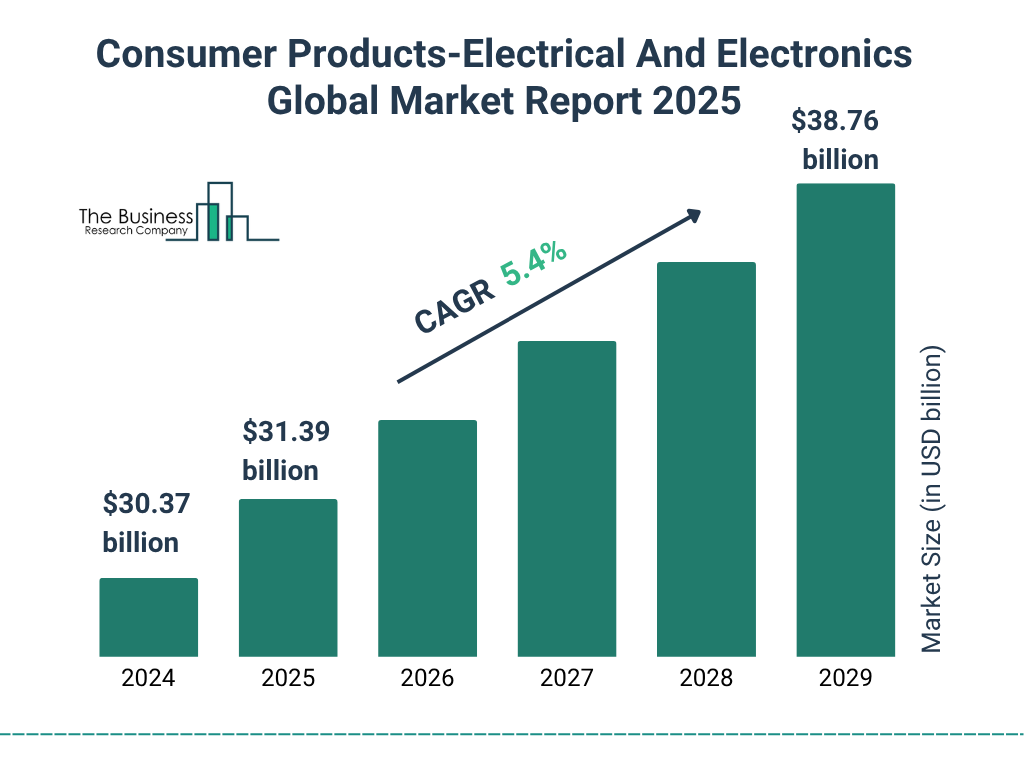
Have you ever wondered where your favorite gadgets fit in the big picture of the business world? Whether it’s your smartphone, laptop, or smart home device, these items are part of a specific sector that drives innovation and shapes how you live and work.
Understanding what sector consumer electronics belong to can give you new insights into how these products are developed, marketed, and sold. You’ll discover exactly where consumer electronics stand in the economy—and why knowing this matters to you. Keep reading to unlock the secrets behind the devices you use every day.

Credit: www.circana.com
Consumer Electronics Industry
The consumer electronics industry plays a vital role in daily life. It covers devices used for entertainment, communication, and home convenience. This industry grows fast as technology improves. Many products make life easier and more fun. People worldwide rely on these gadgets every day.
Definition And Scope
The consumer electronics industry includes devices made for personal use. These products operate on electricity or batteries. They help with tasks like listening to music, watching videos, or connecting online. The industry covers both hardware and software. It serves individual customers, not businesses or industrial users. The market changes quickly with new technology and trends.
Key Product Categories
- Audio Devices:Headphones, speakers, and music players.
- Video Equipment:Televisions, projectors, and streaming devices.
- Computing Devices:Laptops, tablets, and desktop computers.
- Communication Devices:Smartphones, smartwatches, and routers.
- Home Appliances:Smart refrigerators, vacuum cleaners, and coffee makers.
Market Segmentation
Market segmentation breaks down the vast consumer electronics sector into smaller, manageable groups. This helps businesses target their products more effectively and meet specific customer needs. Understanding these segments can also guide your choices if you’re shopping or investing in this fast-paced industry.
By Product Type
Consumer electronics come in many forms, and segmenting by product type helps clarify this diversity. Common categories include:
- Smartphones and Tablets:Devices for communication, entertainment, and productivity.
- Wearable Technology:Smartwatches, fitness trackers, and VR headsets.
- Home Appliances:Smart TVs, refrigerators, and security systems.
- Audio Equipment:Headphones, speakers, and sound systems.
Knowing these categories can help you focus your purchase or marketing efforts on specific consumer demands. Which product type do you find yourself drawn to the most?
By End-user
Segmenting by end-user highlights who actually uses the products. The main groups include:
- Individual Consumers:Everyday users buying for personal or family use.
- Businesses:Companies purchasing devices for employees or operations.
- Educational Institutions:Schools and universities adopting technology for learning.
- Healthcare Providers:Using specialized electronics for patient care.
This segmentation is practical. For example, a business might prioritize rugged laptops, while individuals lean towards stylish, user-friendly gadgets. What kind of user are you, and how does that shape your preferences?
By Geography
Geographical segmentation considers where consumers are located. This affects product availability, preferences, and pricing. Key regions include:
| Region | Characteristics |
|---|---|
| North America | High demand for cutting-edge technology and premium products. |
| Europe | Focus on innovation and sustainability in electronics. |
| Asia-Pacific | Rapid growth with a mix of budget and high-end products. |
| Latin America & Middle East | Growing markets with increasing adoption of smart devices. |
Geography shapes your options more than you might think. Have you noticed product differences depending on where you shop or live?
Industry Classification
Understanding the industry classification of consumer electronics helps you see where this sector fits in the bigger economic picture. Industry classification breaks down the economy into segments based on the type of activity involved. This makes it easier to analyze trends, investment opportunities, and the role each sector plays in daily life.
Primary Sectors
The primary sector involves extracting raw materials directly from nature. Think farming, mining, and fishing. Consumer electronics don’t belong here because they rely on processed materials rather than natural resources.
However, the primary sector provides essential materials like metals and minerals, such as copper and lithium, used in electronic components. Without these raw materials, manufacturing devices like smartphones or laptops wouldn’t be possible. So, while consumer electronics aren’t part of the primary sector, they depend heavily on it.
Secondary And Tertiary Sectors
Consumer electronics mainly fall into the secondary sector. This sector focuses on manufacturing and construction. Factories assemble raw materials into finished products like TVs, smartphones, and wearable devices.
The secondary sector transforms raw metals, plastics, and glass into usable technology. This hands-on process includes design, engineering, and mass production. Your favorite gadget begins its journey here.
Once products are made, the tertiary sector takes over. This service-oriented sector handles sales, marketing, distribution, and repair services. Think about where you buy your electronics—retail stores, online platforms, or service centers. These are all part of the tertiary sector supporting consumer electronics.
Have you ever considered how each sector plays a role in delivering that sleek device to your hands? Recognizing this can change how you view the technology you use every day.
Economic Impact
The consumer electronics sector plays a vital role in today’s economy. It impacts many areas including production, sales, and innovation. This sector drives economic growth by creating products people use daily. Its influence extends to jobs and overall national income. Understanding this impact helps grasp its importance in the broader economic landscape.
Contribution To Gdp
Consumer electronics significantly add to a country’s Gross Domestic Product (GDP). The sector involves manufacturing, retail, and research services. These activities generate large amounts of revenue. For many countries, this sector forms a key part of their industrial output.
High demand for gadgets like smartphones, laptops, and smart home devices boosts production. Export of these products also brings in foreign currency. This inflow supports the national economy and balances trade deficits.
Employment Trends
The consumer electronics sector supports millions of jobs worldwide. It provides roles in factories, design centers, and sales outlets. Jobs range from assembly line work to software development and marketing.
Employment in this sector often requires technical skills and innovation. Many companies invest in training workers to keep up with fast technology changes. This trend helps build a skilled workforce that benefits the economy overall.
Technological Advancements
Technological advancements shape the consumer electronics sector deeply. Constant progress pushes companies to create smarter, faster, and more efficient devices. These developments improve daily life and transform how we interact with technology.
Innovation Drivers
Several factors drive innovation in consumer electronics. Market demand pushes brands to offer new features and better performance. Competition forces companies to innovate quickly to stay relevant. Consumer feedback guides product design and functionality. Advances in materials and manufacturing enable cost-effective production of complex gadgets.
Emerging Technologies
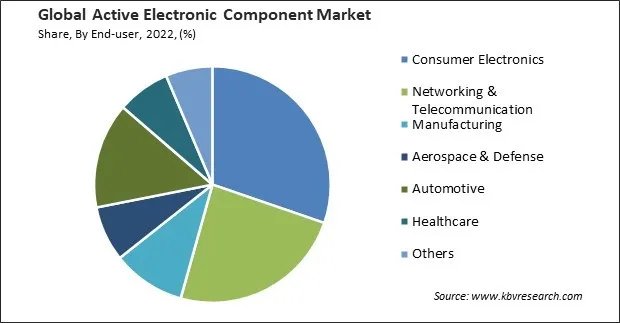
New technologies reshape the consumer electronics landscape regularly. Artificial intelligence powers smarter assistants and personalized user experiences. Internet of Things (IoT) connects devices for seamless communication. Flexible displays allow unique device designs. Battery technology improvements extend device usage without frequent charging. Augmented reality enhances gaming and practical applications.
Credit: www.kbvresearch.com
Market Trends
The consumer electronics sector is continuously evolving, driven by shifting market trends that directly impact what products make it to your shopping cart. Staying updated on these trends helps you make smarter choices, whether you’re buying the latest smartphone or upgrading your home entertainment system. Let’s examine how consumer preferences and sales patterns shape this dynamic industry.
Consumer Preferences
Your tastes and priorities have a strong influence on the products developed and marketed in consumer electronics. More people now look for devices that combine functionality with sleek design and sustainability.
- Smart home devices are gaining popularity as convenience becomes a priority.
- Wearables with health tracking features attract users focused on wellness.
- Energy-efficient gadgets appeal to environmentally conscious buyers.
Have you noticed how quickly you adapt to new tech features? This growing demand pushes companies to innovate faster and tailor products to your lifestyle.
Sales And Revenue Growth
Sales figures in consumer electronics reveal which products are winning and which are fading away. The sector has seen steady revenue growth, fueled by ongoing tech advancements and consumer demand for upgrades.
| Product Category | Revenue Growth (Year over Year) | Key Drivers |
|---|---|---|
| Smartphones | 5-7% | 5G adoption, camera improvements, and app ecosystems |
| Wearables | 15-20% | Health tracking, fitness integration, and fashion appeal |
| Smart Home Devices | 12-18% | Voice control, automation, and energy savings |
Looking at these numbers, what product category grabs your attention the most? Your buying decisions contribute to these trends and signal to manufacturers what to focus on next.
Key Players
The consumer electronics sector is driven by a handful of powerful companies that shape trends and influence technology adoption worldwide. Understanding who these key players are helps you see where innovation and competition are headed. These companies invest heavily in research, design, and marketing to capture your attention and loyalty.
Leading Brands
Some brands have become household names by consistently delivering quality and innovation. Apple stands out with its iPhones and MacBooks, setting high standards for design and user experience. Samsung follows closely, offering a wide range of products from smartphones to TVs, known for their advanced technology and affordability.
Other significant players include Sony, known for its gaming consoles and audio devices, and Microsoft, which dominates the software side but also impacts hardware with products like the Surface line. Brands like Xiaomi and Huawei are rapidly growing, especially in emerging markets, by offering competitive prices without sacrificing features.
Market Share Analysis
| Company | Primary Products | Approximate Global Market Share |
|---|---|---|
| Apple | Smartphones, Computers, Wearables | 25% |
| Samsung | Smartphones, TVs, Appliances | 20% |
| Sony | Gaming, Audio, Cameras | 8% |
| Microsoft | Software, Computers, Gaming | 7% |
| Xiaomi | Smartphones, Smart Home Devices | 10% |
Notice how market share isn’t just about numbers but also about influence. Even companies with smaller shares can lead in niche areas or emerging technologies. Have you ever considered how your choice of brand affects the future of consumer electronics?
Challenges And Opportunities
The consumer electronics sector faces a unique mix of challenges and opportunities that shape its dynamic landscape. Navigating these factors effectively can determine the success of businesses and the satisfaction of consumers like you. Understanding these elements helps you make smarter choices as a buyer and a professional in the industry.
Supply Chain Issues
Supply chain disruptions have become a major hurdle for the consumer electronics industry. Delays in sourcing components like semiconductors can stall product launches and increase costs.
You might have noticed how some gadgets take longer to hit the shelves or come with higher price tags. Companies are now diversifying suppliers and investing in local manufacturing to reduce dependency on a single source.
Are you considering how your favorite brands manage these delays? Understanding their approach can give you an edge when deciding what to buy and when.
Sustainability Initiatives
Consumers are demanding greener products, pushing companies to adopt sustainability initiatives. This includes using recyclable materials, reducing energy consumption, and designing products for easier repair.
One practical step you can take is choosing devices from brands that offer trade-in or recycling programs. These efforts not only help the environment but also create new business opportunities for manufacturers.
What changes would you like to see in the electronics you use daily? Your preferences can drive companies to innovate responsibly and build a sustainable future.
Future Outlook
The future outlook for consumer electronics is promising with rapid innovation and changing consumer demands. Technology advances continue to shape the industry’s direction. Growth is expected in smart devices, wearables, and home automation. Sustainability and energy efficiency also gain importance in product designs. Companies are adapting to evolving market trends and global challenges.
Predicted Market Shifts
Consumer preferences are moving towards more connected and intelligent devices. Portable and wearable gadgets will see higher demand. The rise of 5G technology will boost faster and more reliable device usage. Eco-friendly products with recyclable materials will attract buyers. Emerging markets will drive sales growth due to rising incomes. Traditional electronics may face pressure as new tech takes center stage.
Investment Prospects
Investors show strong interest in sectors focusing on innovation and sustainability. Startups with unique technology solutions attract significant funding. Large firms increase research budgets to maintain competitiveness. Areas like artificial intelligence integration and smart home devices offer opportunities. Risk exists with rapidly changing trends but potential rewards remain high. Diversified investment in consumer electronics can balance risk and growth.

Credit: www.signalintegrityjournal.com
Frequently Asked Questions
What Sector Do Consumer Electronics Belong To?
Consumer electronics belong to the technology sector. They focus on electronic devices used by consumers daily. This includes gadgets like smartphones, TVs, and wearable tech.
Are Consumer Electronics Part Of The Manufacturing Sector?
Yes, consumer electronics are part of the manufacturing sector. This sector produces physical electronic products designed for consumer use. It combines technology and industrial production processes.
How Does The Consumer Electronics Sector Impact The Economy?
The consumer electronics sector drives economic growth by creating jobs. It fosters innovation, boosts exports, and increases consumer spending worldwide.
What Industries Are Related To Consumer Electronics?
Related industries include telecommunications, software, and hardware manufacturing. These industries collaborate to develop integrated electronic products and services.
Conclusion
Consumer electronics play a vital role in our daily lives. They belong to the technology sector. This sector is dynamic and constantly evolving. It impacts how we communicate, work, and play. From smartphones to smart homes, tech touches every aspect.
Understanding this sector helps make informed choices. With rapid advancements, staying updated is key. Consumers benefit from innovation and competition. The sector’s growth offers exciting possibilities. It promises to shape the future. Keep exploring the latest trends and products. Stay connected with this ever-changing world of tech.
Leave a Reply