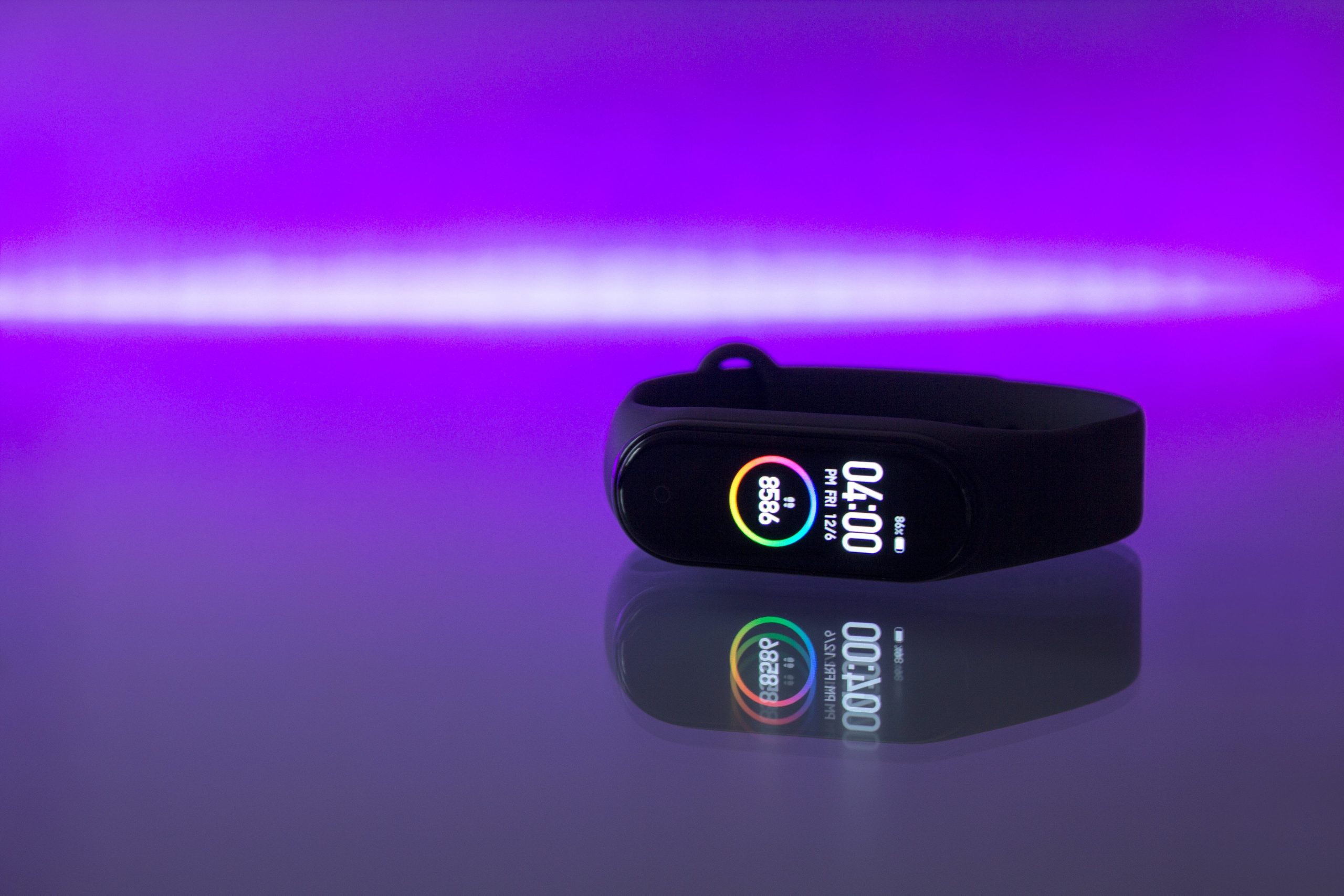
Have you ever wondered when wearable technology first came into existence? You probably use smartwatches, fitness trackers, or even smart glasses every day, but do you know how and when these amazing devices were invented?
Understanding the origins of wearable tech can change the way you see your own gadgets. Keep reading, and you’ll discover surprising facts about the early days of wearable technology that might just blow your mind. Your next tech conversation will never be the same!
Early Concepts Of Wearable Tech
Wearable technology might seem like a recent phenomenon, but its roots stretch far back in history. The early ideas behind wearable devices show how humans have always sought to blend technology and convenience. These initial attempts laid the groundwork for the advanced gadgets you use today.
Ancient Wearable Devices
Long before smartwatches and fitness trackers, people used simple devices worn on the body. Ancient civilizations crafted items like sundials worn as rings or pendants to tell time during the day. These devices didn’t have screens but still provided useful information directly on the wearer.
Other examples include basic hearing aids made from animal horns, helping people amplify sound. Jewelry often doubled as communication tools or status symbols, hinting at a blend of function and fashion. Imagine carrying your tools or information on you, making life easier without needing to carry bulky items.
19th Century Innovations
The 1800s brought more complex wearable inventions driven by industrial progress. Pocket watches evolved into wristwatches, especially during wars when soldiers needed quick time checks without using both hands. This shift marked the start of practical, everyday wearable tech.
Another innovation was the invention of wearable medical devices, like the first blood pressure monitors designed for patient use. These early gadgets allowed people to track their health outside of a doctor’s office. How often do you think about the convenience of checking your own health stats right now?
These early concepts show that wearable technology isn’t just about gadgets but about making life more manageable. What simple wearable device could improve your daily routine today?
Credit: www.venture7.com
First Electronic Wearables
The journey of wearable technology began with the first electronic devices designed to be worn on the body. These early inventions laid the foundation for the smartwatches, fitness trackers, and AR glasses you use today. Understanding these origins helps you appreciate how far wearable tech has come and what might be next.
The Emergence Of Portable Electronics
Before wearables became a common part of daily life, electronics had to shrink down from bulky machines to portable devices. The 1950s and early 1960s saw the rise of compact radios and calculators you could carry around.
This shift made it possible to think about electronics as part of your personal gear. Imagine carrying a tiny radio clipped to your belt or a calculator in your pocket—these were the first steps toward truly wearable tech.
1960s And 1970s Breakthroughs
The real breakthrough for electronic wearables happened in the 1960s and 1970s with innovations like the first digital watch and portable hearing aids. These devices combined miniaturized circuits with batteries small enough to be worn comfortably.
One notable example is the Pulsar digital watch introduced in 1972, which displayed time with LED digits. This was revolutionary because it added a new level of functionality and style to something you already wore every day.
Have you ever considered how these early devices influenced your current gadgets? Recognizing their limitations and design challenges can give you insights into what features are most valuable when choosing your next wearable.
Key Pioneers And Inventors
The story of wearable technology is shaped by visionary inventors and pioneers who pushed boundaries long before smartwatches and fitness trackers became household items. Their early ideas and inventions laid the foundation for what you now use daily to track health, communicate, or enhance your experience with digital tools.
Understanding these key figures and their creations can give you a clearer picture of how wearable tech evolved. It might even inspire you to think differently about the devices you wear every day.
Notable Figures In Wearable Tech History
- Steve Mann– Often called the “father of wearable computing,” Mann developed early wearable cameras and computing devices in the 1980s. His work focused on augmenting human perception with technology.
- Thad Starner– A professor and engineer, Starner helped advance wearable computing by working on early Google Glass prototypes. His research emphasized usability and real-world applications.
- John F. Belanger– Known for inventing the first digital wristwatch in the 1970s, Belanger’s work marked a key step toward integrating computing power into wearable accessories.
- Paul M. Fitts– His research on human-computer interaction influenced the design of wearable devices that could be controlled intuitively.
Influential Patents And Prototypes
Many of the inventions that shaped wearable technology started with patents and prototypes that seemed futuristic at the time.
| Year | Inventor | Invention | Significance |
|---|---|---|---|
| 1961 | Edward O. Thorp & Claude Shannon | First wearable computer | Designed to predict roulette wheels, this device proved the practicality of wearable computing. |
| 1977 | Seiko | First digital wristwatch | Turned watches into compact digital devices, paving the way for smartwatches. |
| 1994 | Steve Mann | Wearable webcam and computer | Introduced continuous, real-time data capture and display on a wearable platform. |
| 2012 | Google Inc. | Google Glass prototype | Popularized augmented reality glasses and wearable heads-up displays. |
Have you ever wondered which early invention led to the fitness trackers on your wrist today? Recognizing these milestones helps you appreciate the challenges inventors faced and the breakthroughs that shaped your devices.
Evolution Through The Decades
Wearable technology didn’t just appear overnight; it has evolved steadily over decades. Each era brought new breakthroughs that made these devices more practical and appealing. Understanding this journey helps you appreciate how far your smartwatch or fitness tracker has come.
1980s: Early Commercial Devices
The 1980s marked the debut of wearable tech in commercial markets. Devices were bulky and limited, often designed for specific uses like fitness or medical monitoring. For example, the first digital wristwatches with calculators became popular, showing early attempts to combine utility and wearability.
These early devices taught us a vital lesson: wearables need to balance function and comfort. Do you remember struggling with heavy gadgets that barely fit your lifestyle? That discomfort pushed designers to rethink how wearables should feel on your body.
1990s: Advances In Miniaturization
The 1990s focused heavily on shrinking components to make wearables less cumbersome. Thanks to progress in microelectronics, devices became smaller, lighter, and more energy-efficient. This decade saw the rise of more specialized gadgets, like early fitness trackers and portable health monitors.
Miniaturization made it easier for you to wear tech all day without noticing it. Imagine having a heart rate monitor that fits comfortably under your shirt or a pager that slips into your pocket. These improvements started to integrate technology more seamlessly into daily life.
2000s: Rise Of Smart Wearables
By the 2000s, wearables began to get smarter, connecting to other devices and offering more features. Smartphones and Bluetooth technology opened the door for wearables to sync data and provide real-time feedback. This period introduced smartwatches and advanced fitness bands that track multiple health metrics.
Have you ever felt empowered by your wearable reminding you to move or tracking your sleep patterns? These smart devices changed how you interact with your health and environment, making tech a personal assistant rather than just a gadget.
Technological Milestones
Wearable technology has evolved through key technological milestones. These breakthroughs shaped how we use devices on our bodies. Each step brought new features and better usability. The journey from simple gadgets to smart wearables shows human creativity and tech progress.
Introduction Of Smartwatches
Smartwatches first appeared in the early 2000s. They combined traditional watch functions with digital technology. These devices could show notifications, track time, and store simple apps. Early models laid the groundwork for today’s advanced smartwatches. Over time, they gained better screens and faster processors.
Fitness Trackers And Health Monitoring
Fitness trackers became popular in the 2010s. They focused on counting steps, heart rate, and sleep patterns. These wearables helped users stay active and healthy. Health monitoring features expanded to include blood oxygen and stress tracking. This made wearables useful for everyday wellness and medical needs.
Integration With Mobile Technology
Wearables grew stronger by connecting with smartphones. Mobile integration allowed syncing data and receiving alerts instantly. Users could control music, answer calls, and use apps on their wearables. This connection created a seamless experience between devices. It made wearable technology more practical and appealing.
Impact On Society And Culture
Wearable technology has changed how people live and interact. It shapes daily habits, health, and even sports. These devices make information easy to access and help users stay connected. The impact on society and culture is clear and growing.
Changing Consumer Behavior
Wearables influence how people shop and make choices. Users expect quick access to data and real-time updates. Notifications, reminders, and fitness tracking encourage healthier lifestyles. People now value convenience and instant feedback more than before.
Consumers also seek personalized experiences. Wearables collect data that companies use to improve products. This creates a stronger bond between brands and customers. The demand for smart, easy-to-use devices keeps rising every year.
Wearables In Healthcare And Sports
In healthcare, wearables monitor vital signs and detect problems early. They allow doctors to track patients remotely. This improves care and reduces hospital visits. Patients feel more in control of their health.
Sports also benefit from wearable technology. Athletes track performance and recovery with smart watches and sensors. Coaches use data to plan better training sessions. Wearables help reduce injuries and boost results on the field.
Future Directions Of Wearable Tech
The future of wearable technology holds exciting possibilities. Devices will become smarter and more connected. Users will enjoy seamless experiences across health, work, and daily life.
Wearables will blend better with clothing and accessories. They will collect more data to help improve well-being and productivity. Innovations will focus on comfort, battery life, and privacy.
Emerging Technologies
Flexible sensors will allow wearables to bend and stretch easily. Advanced materials will make devices lighter and stronger. Artificial intelligence will enable better data analysis and personalized feedback.
Augmented reality glasses will show information without blocking vision. Smart fabrics will track health signs like heart rate and temperature. Energy harvesting tech will reduce the need for frequent charging.
Potential Challenges And Opportunities
- Data privacy remains a major concern for users and companies.
- Design must focus on user comfort and ease of use.
- Battery life needs improvement for longer daily use.
- Integration with other devices and platforms will enhance value.
- Healthcare applications can improve early diagnosis and treatment.
- New markets will emerge as technology becomes more affordable.

Credit: medium.com

Credit: usashop.filatime.com
Frequently Asked Questions
When Was The First Wearable Technology Invented?
The first wearable technology appeared in the 1960s with the invention of the wearable computer. It was designed to predict roulette outcomes in casinos. This marked the beginning of wearable devices evolving into modern smartwatches and fitness trackers.
Who Invented The Earliest Wearable Devices?
The earliest wearable device was created by mathematician Edward O. Thorp and engineer Claude Shannon in 1961. Their wearable computer helped predict roulette spins. This innovation laid the foundation for future wearable tech advancements.
How Did Wearable Technology Evolve Over Time?
Wearable technology evolved from bulky, specialized devices in the 1960s to sleek, multifunctional gadgets today. Advances in microprocessors and sensors enabled smartwatches and fitness bands, revolutionizing health monitoring and communication.
What Was The First Commercial Wearable Gadget?
The Pulsar LED watch, released in 1972, was the first commercial wearable gadget. It displayed time using light-emitting diodes, pioneering the digital watch market and influencing future wearable tech designs.
Conclusion
Wearable technology has come a long way since its inception. From simple gadgets to advanced devices, its evolution fascinates many. Early inventions laid the groundwork for today’s innovations. Smartwatches and fitness trackers owe their roots to these pioneers. Understanding this history gives insight into future trends.
Wearables now play vital roles in health and daily life. As technology advances, they will become even more essential. The journey of wearable tech is far from over. Stay curious. Explore the past to understand what’s next. Embrace the technology and its potential.
The future holds endless possibilities.
Leave a Reply