
Thinking about starting a consumer electronics business in India? You’re tapping into one of the fastest-growing markets with huge potential.
But where do you begin? What steps should you take to turn your idea into a successful venture? This guide will walk you through everything you need to know—from understanding the market to setting up your operations. If you want clear, practical advice that helps you avoid costly mistakes, keep reading.
Your dream business is closer than you think.
Market Potential In India
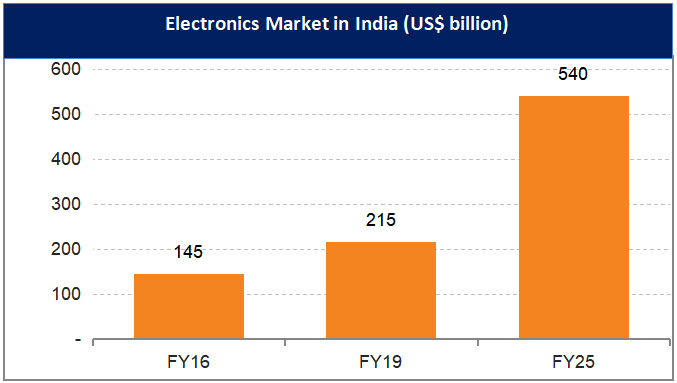
India offers a vast market for consumer electronics. The demand continues to grow with rising incomes and urbanization. Many consumers seek affordable and innovative products. The expanding digital ecosystem also boosts electronics sales.
Current Trends
- Smartphones dominate the electronics market in India.
- Wearable devices like fitness bands gain popularity.
- Consumers prefer energy-efficient and smart home gadgets.
- Online sales channels show rapid growth.
- Local manufacturing increases due to government incentives.
Target Customer Segments
- Young adults aged 18-35 form the largest buyer group.
- Urban middle-class families seek value-for-money products.
- Tech-savvy consumers look for latest innovations.
- Rural customers prefer affordable and durable devices.
- Students and professionals demand portable electronics.
Competitive Landscape
- Global brands compete strongly in premium segments.
- Local brands focus on budget-friendly products.
- Startups introduce niche and innovative gadgets.
- E-commerce platforms intensify competition with discounts.
- Brand reputation and after-sales service matter a lot.
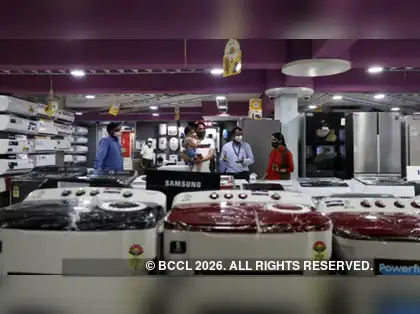
Credit: m.economictimes.com
Legal Requirements
Starting a consumer electronics business in India requires meeting several legal requirements. These rules protect your business and build trust with customers. Understanding these basics helps you avoid legal troubles and run your business smoothly.
Business Registration
Register your business to make it a legal entity. Choose from options like sole proprietorship, partnership, LLP, or private limited company. Each type has different rules and benefits. Registration helps you open bank accounts and sign contracts. It also improves your credibility with suppliers and customers.
Licenses And Permits
Obtain necessary licenses to operate legally. A trade license from the local municipal authority is essential. If you import electronics, get an Import Export Code (IEC) from the Directorate General of Foreign Trade. For manufacturing or selling electronic goods, follow standards from the Bureau of Indian Standards (BIS). Keep these documents updated to avoid fines or shutdowns.
Taxation Rules
Comply with tax laws to avoid penalties. Register under the Goods and Services Tax (GST) system. GST applies to the sale of electronics across India. Maintain proper invoices and records for tax filing. Understand income tax rules for your business type. Paying taxes on time builds a good business reputation.
Choosing The Right Products
Choosing the right products is a crucial step when starting a consumer electronics business in India. The products you select will define your brand, attract your target market, and affect your profit margins. It’s important to balance trending items with reliable best-sellers to build a strong and sustainable business.
Popular Consumer Electronics
Understanding which products are in high demand can give you a competitive edge. Smartphones, smartwatches, wireless earbuds, and home automation devices are currently among the top sellers in India.
However, you shouldn’t ignore niche categories like gaming accessories or health gadgets, which are growing rapidly. Ask yourself: What are people in your area most interested in? What gaps exist in the current market?
- Smartphones and accessories
- Wearable technology (smartwatches, fitness bands)
- Audio devices (wireless earbuds, speakers)
- Home automation (smart lights, security cameras)
- Gaming consoles and peripherals
Supplier Selection
Finding the right suppliers can make or break your business. Look for suppliers who offer competitive prices, timely delivery, and trustworthy customer service.
Don’t hesitate to visit trade shows or contact manufacturers directly to build relationships. A good supplier will also provide warranty support and handle returns efficiently.
- Check supplier reviews and reputation
- Request samples before placing bulk orders
- Negotiate payment terms and bulk discounts
- Ensure clear communication channels
Quality Standards
Quality is non-negotiable in consumer electronics. Poor quality products lead to returns, negative reviews, and loss of trust.
Always verify that products meet Indian standards like BIS certification. Testing products yourself or through third-party labs can also protect your brand reputation.
Consider how you will handle quality control and customer complaints. Are you ready to back your products with solid warranty and service policies?
Setting Up Operations
Setting up operations is a crucial phase when starting your consumer electronics business in India. It lays the foundation for how smoothly your business will run daily. You need to focus on key aspects like location, inventory, and technology to ensure efficient operations from day one.
Location And Infrastructure
Your business location impacts costs, accessibility, and customer reach. Choose a place close to suppliers and transport hubs to reduce delivery times and expenses. Also, consider the infrastructure—reliable electricity, internet, and security are essential for handling sensitive electronics.
Think about your target customers. Are they urban tech enthusiasts or rural buyers? This will guide whether you set up in a metro city or a tier-2 town. A warehouse near your main market can speed up order fulfillment and improve customer satisfaction.
Inventory Management
Managing stock effectively prevents cash flow issues and keeps your customers happy. Use a system that tracks product quantities, sales trends, and reorder levels automatically. This helps avoid overstocking or running out of popular items.
Consider keeping a mix of high-demand gadgets and niche products to attract different buyers. For example, smartphones and accessories sell fast, but smart home devices might offer higher margins. Regularly review your inventory data to adjust your stock based on what sells.
Technology Integration
Technology can streamline your operations and improve customer experience. Invest in a reliable point-of-sale (POS) system that connects with your inventory and accounting software. This reduces manual errors and saves time.
Online sales platforms and digital payment options are must-haves today. They expand your reach and make buying easier for customers. Have you explored using data analytics to predict trends and plan your stock accordingly? This insight can give you a competitive edge.
Marketing Strategies
Marketing plays a key role in building a strong consumer electronics business in India. Effective strategies help reach the right audience and create brand awareness. Focus on both digital and traditional marketing to cover a wide market. Use simple, clear messages to connect with customers.
Online Presence
Creating a solid online presence is essential. Start with a professional website that shows your products clearly. Use SEO techniques to rank higher on search engines. Maintain active social media profiles to engage with potential buyers. Share product updates, offers, and helpful content regularly. Consider running online ads targeting specific customer groups. Online reviews and ratings also build trust and credibility.
Offline Promotion
Offline promotion helps reach customers who prefer in-person interaction. Participate in local trade shows and technology fairs. Distribute flyers and brochures in busy areas. Partner with retail stores for product displays. Use banners and posters in strategic locations. Offer free product demos or workshops to attract interest. Traditional media like newspapers and radio can boost visibility in local markets.
Customer Engagement
Engaging customers keeps them loyal and encourages repeat sales. Provide excellent customer service through multiple channels. Collect feedback to improve products and services. Use email newsletters to share news and exclusive deals. Run contests or giveaways to create excitement. Personalize communication to make customers feel valued. Build a community around your brand for long-term success.
Funding And Investment
Funding and investment form the backbone of any consumer electronics business. Securing the right capital ensures smooth operations and growth. It helps cover initial costs like inventory, equipment, and marketing. Proper funding also supports product development and scaling.
Sources Of Capital
Identify various capital sources to fund your business. Common options include:
- Personal savings to avoid debt and maintain control.
- Bank loans offering structured repayment plans.
- Angel investors providing funds and business advice.
- Venture capitalists investing for equity and growth.
- Government grants and schemes supporting startups.
- Crowdfunding platforms to gather small investments.
Budget Planning
Create a detailed budget to track all expenses and revenues. Start by listing fixed costs such as rent and salaries. Include variable costs like raw materials and marketing campaigns. Allocate funds for emergencies and unexpected expenses. Regularly review and adjust the budget to stay on track.
Financial Management
Effective financial management keeps your business healthy. Monitor cash flow daily to avoid shortages. Use accounting software for accurate record-keeping and reporting. Set financial goals and measure progress regularly. Control costs by negotiating with suppliers and reducing waste. Seek professional advice to optimize taxes and compliance.
Building A Team
Building a strong team is the backbone of any successful consumer electronics business in India. The right people not only bring skills but also fresh perspectives that can drive innovation and growth. As you prepare to launch, focus on assembling a team that complements your vision and can adapt to the fast-paced market.
Hiring Experts
Look for professionals who have hands-on experience in the consumer electronics industry. This includes engineers, product designers, supply chain managers, and sales experts. You want people who understand the technical challenges and market dynamics specific to India.
Consider candidates with a track record of solving real-world problems rather than just academic qualifications. Sometimes, a skilled technician with years of practical experience can bring more value than someone with theoretical knowledge. Ask yourself: Are you hiring for skills or just credentials?
Training And Development
Even the best experts need continuous learning to keep up with rapidly evolving technologies. Create a training plan that includes workshops, certifications, and on-the-job learning. This keeps your team updated and motivated.
Encourage knowledge sharing among team members. When I started my own business, informal lunch-and-learn sessions sparked ideas that improved product design significantly. Could your team benefit from regular collaborative learning?
Team Management
Effective management means clear communication, goal setting, and recognizing individual contributions. Use project management tools to track progress and ensure everyone stays aligned with your business objectives.
Build a culture where feedback flows both ways. This helps you identify issues early and boosts team morale. Remember, your leadership style will shape how your team performs under pressure and adapts to change.
Credit: www.ibef.org
Scaling The Business
Scaling a consumer electronics business in India requires smart planning and steady effort. Growth means broadening your reach and improving product offerings. It also involves creating strong business connections. These steps help increase sales and build a loyal customer base.
Expanding Product Range
Add new products that match your customers’ needs. Study market trends and popular gadgets in India. Offer a mix of affordable and premium electronics. Keep quality consistent to build trust. Regularly update your inventory with the latest tech. This keeps customers interested and encourages repeat purchases.
Entering New Markets
Explore cities and states with rising demand for electronics. Use online platforms to reach customers beyond your local area. Adapt marketing messages for different regions and cultures. Consider local festivals and shopping seasons for promotions. Set up distribution centers to reduce delivery times. This improves customer satisfaction and expands your footprint.
Partnership Opportunities
Work with suppliers to get better prices and exclusive products. Collaborate with retailers to widen your sales network. Partner with online marketplaces to increase visibility. Join hands with local service providers for after-sales support. These partnerships reduce costs and build strong brand presence. Together, you can offer more value to customers.
)
Credit: www.business-standard.com
Frequently Asked Questions
What Are The Initial Steps To Start A Consumer Electronics Business In India?
First, research the market and identify your niche. Register your business legally. Obtain necessary licenses and permits. Source reliable suppliers and set up your sales channels. Finally, create a strong marketing strategy to attract customers.
How Much Investment Is Needed For A Consumer Electronics Startup?
Investment varies depending on scale and product range. Small startups may need around INR 5-10 lakhs. Larger ventures require more capital for inventory, infrastructure, and marketing. Budget for operational costs and contingencies as well.
What Legal Requirements Must Be Met For This Business In India?
Register your business as a sole proprietorship, partnership, or company. Obtain GST registration and local trade licenses. Ensure compliance with electronics safety and quality standards. Protect your intellectual property if applicable.
How To Find Reliable Suppliers For Consumer Electronics?
Research suppliers online and attend trade fairs. Verify their credibility and product quality through reviews and certifications. Negotiate terms and request samples before finalizing agreements. Build strong relationships for consistent supply.
Conclusion
Starting a consumer electronics business in India offers great potential. The market is growing rapidly. Focus on quality and customer satisfaction. Build strong relationships with suppliers and retailers. Understand local regulations and adapt to changes. Keep an eye on technology trends.
This helps you stay competitive. Use effective marketing strategies to reach your audience. Maintain a flexible business model. This allows you to adjust to market demands. With dedication and smart planning, success is within reach. Stay committed to your goals.
Your business can thrive in India’s dynamic market.
Leave a Reply