
Have you ever wondered what goes into creating the sleek gadgets you use every day? Designing consumer electronics is more than just making devices look good.
It’s about solving problems, making technology easy to use, and crafting products that fit seamlessly into your life. If you’re curious about what this job really involves and how your ideas could shape the next big tech hit, keep reading.
You’re about to discover what it takes to turn innovation into the devices you can’t live without.

Credit: worlddesigncouncil.org
Role Of A Consumer Electronics Designer
The role of a consumer electronics designer is both creative and technical. You shape how devices look, feel, and function, directly influencing user experience. Every decision you make impacts millions of users worldwide, making your work crucial in everyday tech.
Key Responsibilities
At the core, you design products that are visually appealing and easy to use. This means sketching concepts, choosing materials, and defining the product’s form factor.
You also need to consider technical constraints like battery life, heat dissipation, and internal component placement. Balancing aesthetics with engineering requirements is a daily challenge.
Testing prototypes and refining designs based on user feedback rounds out your responsibilities. Your goal is to create a product that works flawlessly and delights customers.
Daily Workflow
Each day starts with reviewing project goals and deadlines. You might begin by sketching new ideas or refining existing designs using CAD software.
Prototyping follows, where you build physical models or 3D print parts to test ergonomics and function. This hands-on work helps you spot issues early.
Later, you review test results and make adjustments. Frequent iterations keep your design moving toward the perfect balance of form and function.
Collaboration With Teams
You don’t work in isolation. Close communication with engineers ensures your designs are manufacturable and meet technical specs.
Working with marketing teams helps you understand customer needs and market trends, so your designs hit the right target.
Manufacturing partners provide input on materials and production processes, helping avoid costly mistakes. Your ability to listen and adapt is key to a successful product launch.
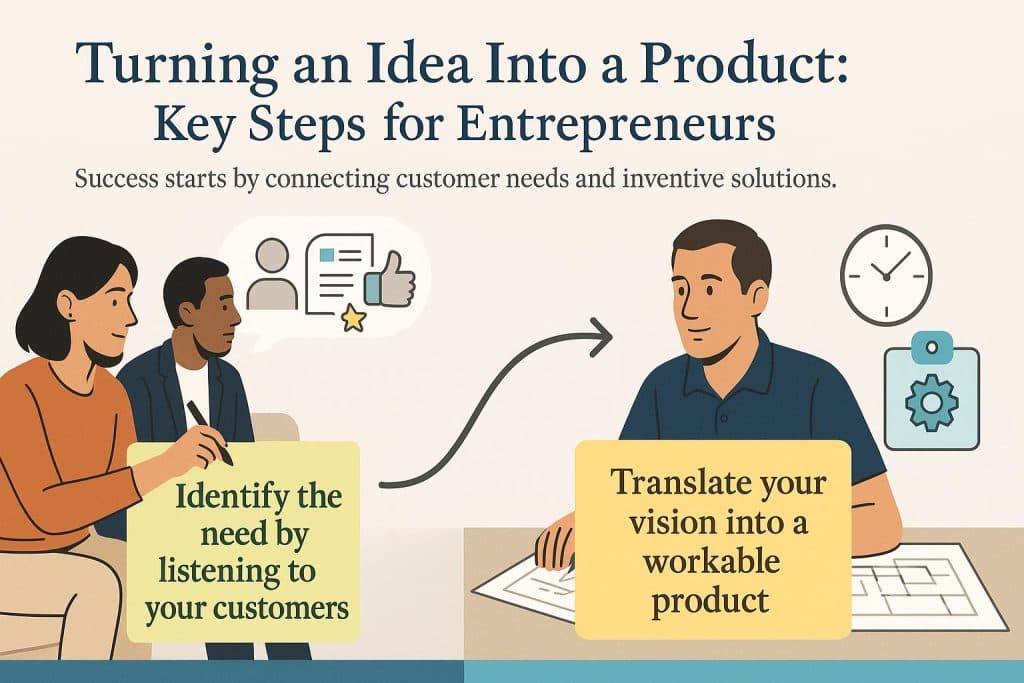
Credit: www.business.com
Skills And Tools Required
Designing consumer electronics requires a unique mix of skills and tools. These help creators build devices that are both useful and appealing. The process combines knowledge of technology, creativity, and practical tools. Understanding these elements gives insight into what the job demands.
Technical Expertise
Strong knowledge of electronics is essential. Designers must understand circuits, components, and how devices work. Skills in physics and engineering help solve technical challenges. Knowing manufacturing processes ensures designs can be produced efficiently. Staying updated on industry standards is also important.
Creative Problem Solving
Creativity drives innovation in device design. Designers face many challenges that require fresh ideas. They think about user needs and how to improve experiences. Balancing form and function is key. Quick thinking helps fix unexpected problems during development.
Software And Hardware Tools
Designers use specialized software for creating and testing ideas. Tools like CAD (Computer-Aided Design) allow detailed modeling. Simulation software helps predict device performance. Prototyping tools turn designs into physical models. Understanding both software and hardware tools speeds up the design process.
Stages Of Product Design
Designing consumer electronics is a journey that moves through several key stages. Each stage shapes the product and impacts how it will perform in the real world. Understanding these stages helps you appreciate the complexity behind the devices you use every day and shows how your input as a designer can make a difference.
Concept Development
This stage is where ideas come alive. You start by identifying a need or problem that your product will solve. Sketches, brainstorming sessions, and market research play a big role here.
Think about what users want and what competitors offer. Your goal is to outline clear features and design goals. It’s common to create multiple concepts before choosing the best one to move forward with.
Prototyping And Testing
Once you have a concept, building a prototype is next. Prototypes let you test how the product works in real life. You can spot design flaws, usability issues, and technical problems early on.
Testing isn’t just about functionality. It also includes checking materials, durability, and how the product feels in the user’s hand. Each round of feedback leads to improvements and tweaks.
Finalizing The Design
After thorough testing, you focus on refining every detail. This means perfecting the aesthetics, ensuring manufacturability, and confirming compliance with safety standards. Your design needs to be both beautiful and practical.
Finalizing also involves preparing detailed documentation for production teams. This stage ensures that what you imagined actually becomes a product customers will love. Have you ever wondered how many times a design changes before it hits the shelves?

Credit: blog.hubspot.com
Challenges In Consumer Electronics Design
Designing consumer electronics is a complex task filled with unique challenges. Each product must blend technology, style, and user needs seamlessly. Understanding these challenges helps you appreciate what goes into creating devices that fit effortlessly into daily life.
Balancing Functionality And Aesthetics
When you design consumer electronics, you constantly juggle making the device work well and making it look appealing. A sleek phone might be beautiful but could sacrifice battery size or heat management. On the other hand, a highly functional device that looks bulky or outdated may fail to attract users.
Finding the right balance means asking yourself tough questions: Can this design hold all necessary components without compromising comfort? Will users want to carry this device everywhere?
Keeping Up With Technology Trends
Technology moves fast, and your designs must keep pace. New materials, components, and manufacturing methods appear regularly. Staying updated requires continuous learning and adapting your designs to integrate these advancements effectively.
Have you ever faced a situation where a new chip or sensor became available mid-project? Deciding whether to update your design or stick with the original plan can significantly impact timelines and costs.
Meeting User Expectations
Users today expect more than just a working product—they want ease, reliability, and a great experience. Designing for diverse user preferences and accessibility needs can be challenging. You must anticipate how people will use the product in real life, not just in theory.
Think about how you use your phone or wearable device daily. What frustrations do you face? Your goal is to solve those problems through smart, intuitive design that feels natural.
Impact On User Experience
Designing consumer electronics is more than just making devices look good. The true test lies in how users interact with the product daily. Your design decisions directly shape their experience, satisfaction, and loyalty to the brand.
Ergonomics And Usability
How comfortable is the device to hold or use for long periods? Ergonomics focuses on this comfort, reducing strain on your hands, eyes, and body. Simple changes like button placement or screen size can make a huge difference.
Think about a smartphone that fits perfectly in your palm versus one that feels awkward. You might not notice the impact immediately, but over time, a well-designed device feels natural and easy to use.
Designing For Accessibility
Accessibility means making sure everyone can use your product, regardless of physical abilities. This could mean adding voice commands, adjustable text sizes, or tactile buttons for those with vision impairments.
Have you ever struggled with tiny icons or complex menus? Designing with accessibility in mind prevents these frustrations and opens your product to a wider audience. It’s about removing barriers, not just adding features.
Enhancing Customer Satisfaction
Happy users keep coming back and recommend your product to others. Your design should anticipate user needs and solve problems before they arise. This can be through intuitive interfaces, fast responses, or even the feel of materials used.
Consider a wireless earbud that charges quickly and fits securely during exercise. These thoughtful touches boost satisfaction and build trust in your brand. What small improvement could you make to delight your users today?
Career Path And Growth
Designing consumer electronics offers a dynamic career path filled with opportunities to grow your skills and impact the products millions use daily. Your journey can start with foundational roles that build technical knowledge and creativity. As you gain experience, the doors to leadership and specialized positions open, allowing you to shape the future of technology.
Entry-level Roles
Starting out, you might work as a junior product designer, hardware engineer, or user interface developer. These roles help you understand the basics of product functionality, user needs, and manufacturing constraints. Hands-on projects often give you a chance to contribute directly to real devices, sharpening your problem-solving and teamwork skills.
You’ll often collaborate with engineers and marketers, learning how design fits into the bigger picture. This phase is crucial for building a portfolio that showcases your ability to blend aesthetics with usability.
Advancement Opportunities
As you prove your value, you could move into senior design roles, project management, or user experience leadership. Developing expertise in areas like industrial design, software integration, or materials science can set you apart. Many designers also transition into product strategy or innovation roles, influencing decisions beyond just design.
What skills will you need next? Strong communication and leadership abilities become essential as you guide teams and coordinate complex projects. You might even mentor junior designers, passing on lessons from your own early challenges.
Industry Trends And Future Outlook
Consumer electronics design is evolving rapidly, with trends like smart devices, sustainable materials, and AI integration reshaping the field. Staying current means continuous learning and adapting to new tools and technologies. How will you keep your skills fresh in a fast-changing environment?
Opportunities are growing in areas like wearable tech, virtual reality, and connected home devices. These sectors demand designers who can think beyond traditional gadgets and create seamless user experiences. Your ability to anticipate user behavior and technological shifts will drive your career forward.
Frequently Asked Questions
What Does A Consumer Electronics Designer Do?
A consumer electronics designer creates user-friendly, innovative devices like smartphones and wearables. They combine technology and aesthetics to improve daily life. Their job involves research, prototyping, and testing to ensure products meet user needs and market trends.
What Skills Are Needed For Designing Electronics?
Designing electronics requires skills in engineering, creativity, and problem-solving. Knowledge of hardware, software, and user experience is essential. Strong communication and teamwork abilities also help in collaborating with cross-functional teams.
How Do Designers Ensure Product Usability?
Designers focus on intuitive interfaces and ergonomic designs. They conduct user testing and gather feedback to refine products. This process improves functionality, accessibility, and overall user satisfaction.
What Challenges Do Consumer Electronics Designers Face?
Designers face challenges like rapid technology changes and tight deadlines. Balancing cost, performance, and aesthetics is difficult. They must also ensure products comply with safety and environmental regulations.
Conclusion
Designing consumer electronics is a fulfilling and creative career. It blends technology and design, making everyday life better. Designers focus on user needs, creating intuitive and functional products. They work closely with engineers and marketers. Teamwork is crucial for success.
Every device you use started as a designer’s idea. It’s about solving problems and enhancing user experiences. The job also requires staying updated with trends. This ensures products are relevant and innovative. A career in consumer electronics design offers variety and growth opportunities.
It’s a journey of continuous learning and creativity.
Leave a Reply