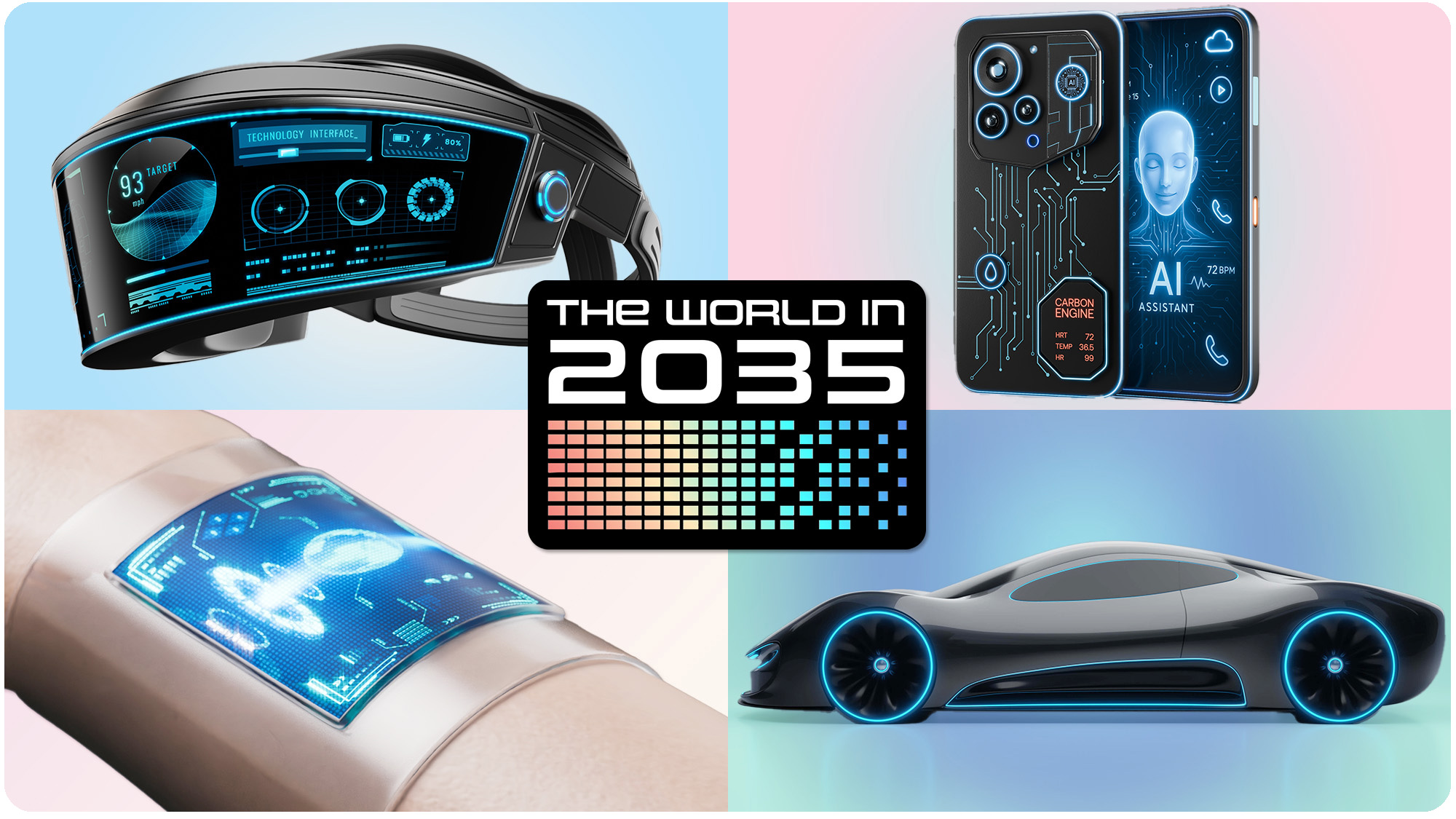
Have you ever wondered how wearable technology will change your daily life? Imagine devices that do more than just track your steps or show notifications.
What if your watch could predict health problems before they start or your clothes could adjust to keep you comfortable all day? The future of wearable technology is closer than you think, and it promises to make your life easier, healthier, and more connected.
Keep reading to discover what exciting advancements are coming and how they could impact you directly.
Credit: www.t3.com
Emerging Wearable Devices
Emerging wearable devices are shaping the future of how you interact with technology daily. These gadgets go beyond simple functions, offering smarter, more personalized experiences. As new innovations appear, you might wonder how these devices can fit into your lifestyle and boost your well-being.
Next-gen Smartwatches
Next-gen smartwatches are moving past just showing time and notifications. They now feature improved battery life, faster processors, and more accurate sensors that track your health and activities in real time.
Imagine a watch that not only counts your steps but also detects stress levels and suggests breathing exercises. These smartwatches also allow seamless control over other smart devices around you, making your day smoother.
Advanced Fitness Trackers
Fitness trackers are evolving with more precise monitoring of your workouts and recovery. They measure heart rate variability, oxygen levels, and even sleep quality to give you actionable insights.
Have you ever missed a key sign of overtraining? These advanced trackers help you avoid that by alerting you before your body hits a breaking point. They are becoming essential tools for anyone serious about improving their fitness.
Smart Glasses And Ar Wearables
Smart glasses and augmented reality (AR) wearables are changing how you see and interact with the world. They overlay digital information on your real surroundings, enhancing your experience whether you’re working or exploring.
Think about getting step-by-step navigation right in front of your eyes or instantly accessing information during a meeting without looking at your phone. These devices promise to keep your hands free and your focus sharp.
Wearable Health Monitors
Wearable health monitors are becoming lifesavers by continuously tracking vital signs and detecting potential health issues early. Devices now monitor blood pressure, glucose levels, and even ECG with medical-grade accuracy.
If you or a loved one has a chronic condition, these monitors can provide peace of mind by sending alerts before problems escalate. They empower you to take control of your health with real-time data at your fingertips.

Credit: www.techinsights.com
Innovations In Wearable Tech
Wearable technology is evolving with new innovations that change how devices fit and function. These advances make wearables more comfortable and smarter. They also help devices last longer and collect better data. Here are some key innovations driving this progress.
Flexible And Stretchable Electronics
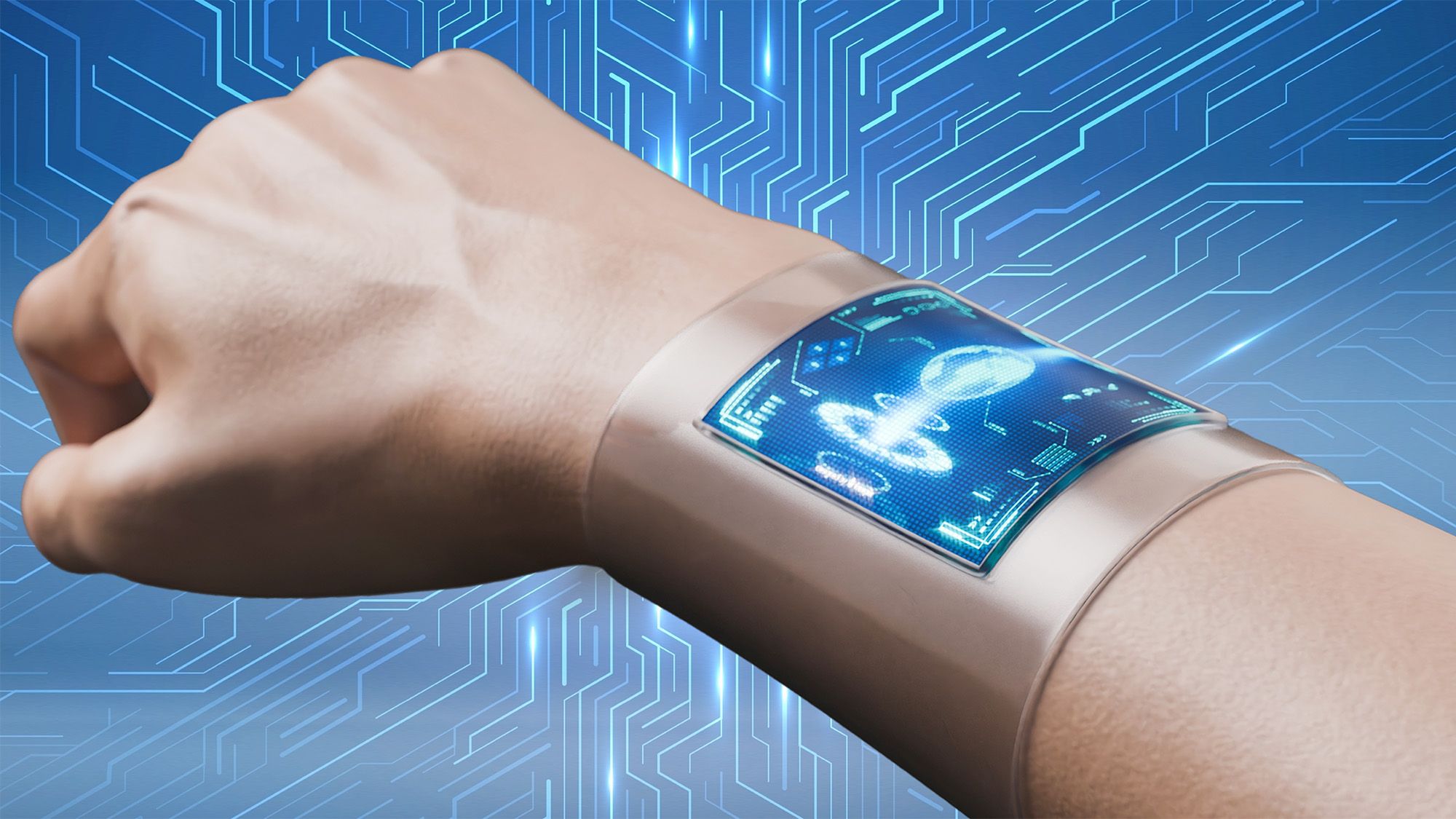
Wearables now use electronics that bend and stretch easily. This lets devices fit the body like a second skin. They move with natural body motions. Such flexibility improves comfort and durability. It also opens new uses in health monitoring and sports.
Ai Integration
Artificial intelligence helps wearables learn from user data. Devices can predict health issues and suggest actions. AI improves user experience by personalizing feedback. It also enables smarter voice assistants and real-time translations.
Energy Harvesting Solutions
New wearables generate power from body heat, movement, or light. This reduces battery need and charging frequency. Energy harvesting allows longer use without bulky chargers. It supports continuous monitoring in remote or active settings.
Improved Sensor Accuracy
Sensors in wearables are becoming more precise and reliable. They track heart rate, sleep, and activity better than before. Improved sensors provide clearer health insights. This accuracy helps users and doctors make informed decisions.
Wearables And Healthcare
Wearable technology is changing healthcare by making it easier to track health every day. These devices collect important data that help doctors and patients manage health better. They support faster care and improve how people live with health conditions.
Remote Patient Monitoring
Wearables allow doctors to watch patients from far away. Devices track heart rate, blood pressure, and other vital signs. This helps catch problems early and reduces hospital visits. Patients feel safer knowing their health is monitored constantly.
Chronic Disease Management
People with diseases like diabetes or asthma benefit from wearables. The devices remind them to take medicine and track symptoms. Data helps doctors adjust treatments quickly. This leads to better control and fewer flare-ups.
Personalized Health Insights
Wearables collect data unique to each person. They analyze activity, sleep, and stress to give custom advice. Users get tips to improve their lifestyle and avoid illness. Personalized insights make health care more effective.
Mental Health Applications
Wearables support mental well-being by tracking mood and stress levels. Some devices offer breathing exercises and relaxation guides. This helps users manage anxiety and depression daily. Mental health care becomes more accessible with these tools.
Impact On Fitness And Lifestyle
The impact of wearable technology on fitness and lifestyle is becoming more profound every day. These devices do more than just count steps; they transform how you understand your body and motivate you to improve your health. Whether you’re a casual walker or a serious athlete, wearables offer tools that adapt to your unique needs and goals.
Real-time Performance Tracking
Wearables give you instant feedback on your workouts, helping you adjust your pace and effort on the go. This real-time data can include heart rate, calories burned, distance covered, and even hydration levels. Imagine finishing a run and immediately seeing exactly where you slowed down or pushed harder—this insight helps you make smarter decisions next time.
Gamification Of Fitness
Turning exercise into a game can make staying active more fun and less of a chore. Many wearables include challenges, badges, and leaderboards that encourage you to compete with friends or beat your personal best. This playful approach often leads to consistent workout habits because you’re motivated by rewards and social connections.
Sleep And Stress Monitoring
Wearable devices don’t just track what you do during the day—they also monitor how well you rest and recover. Knowing your sleep quality and stress levels lets you identify patterns that affect your energy and performance. Have you ever wondered why some days feel harder despite similar workouts? Your wearable might hold the answer.
Wearables In Sports Training
Professional athletes rely on wearables to gain a competitive edge through precise data collection. These devices measure everything from muscle activity to oxygen levels, providing coaches with information to tailor training plans. Even if you’re not an athlete, you can benefit from these insights to avoid injury and improve technique.
Data Privacy And Security
Data privacy and security stand at the core of wearable technology’s future. These devices collect vast amounts of personal and health data. Protecting this information is essential to maintain user trust and safety.
Wearable technology firms face growing pressure to secure data against breaches and misuse. The challenge is balancing innovation with strong privacy protections. Users must feel confident their data is handled responsibly.
Protecting User Data
Wearable devices gather sensitive details like heart rate, location, and activity. Companies use encryption to keep data safe during transfer and storage. Strong passwords and multi-factor authentication add extra layers of defense.
Regular software updates fix security gaps. Some devices allow users to control what data they share. Transparency on data use builds trust and helps users make informed choices.
Regulatory Challenges
Governments worldwide create laws to protect wearable data privacy. Rules differ by country, making compliance complex. Companies must navigate these laws carefully to avoid penalties.
Regulations often require clear user consent before data collection. They also demand quick notification of data breaches. Meeting these standards helps protect users and fosters fair competition.
Ethical Use Of Wearable Data
Wearable data can improve health care and research. Still, ethical concerns arise over how this data is used. Companies should avoid selling or sharing data without user permission.
Respecting user privacy means limiting data access to necessary purposes only. Clear policies and ethical guidelines support responsible use. Users deserve respect and control over their personal information.

Credit: medium.com
Future Market Trends
The future of wearable technology shows strong market growth and evolving trends. Demand is rising as devices become more useful and affordable. Many industries are adopting wearables to improve efficiency and user experience. New partnerships help expand technology and reach. Emerging markets offer fresh opportunities for growth.
Growing Consumer Adoption
Consumers buy wearables for health, fitness, and convenience. Devices track activity, sleep, and heart rate easily. Smartwatches and fitness bands are popular daily tools. Prices are dropping, making wearables accessible to more people. User-friendly designs encourage continued use and interest.
Enterprise Use Cases
Businesses use wearables to boost productivity and safety. Workers get real-time data and alerts on the job. Healthcare providers monitor patients remotely with wearables. Logistics companies track shipments and worker health. Enterprises invest in customized devices for specific needs.
Collaborations And Partnerships
Tech firms join forces to improve wearable features. Partnerships speed up innovation and reduce costs. Companies share data and software to enhance devices. Collaborations create better user experiences and new products. Cross-industry teamwork drives market expansion.
Wearables In Emerging Markets
Emerging markets show strong interest in wearable tech. Affordable devices meet growing health and connectivity needs. Local companies develop products suited to regional demands. Mobile networks support wider wearable adoption. These markets represent major growth potential worldwide.
Frequently Asked Questions
What Trends Shape The Future Of Wearable Technology?
Future wearable tech focuses on improved sensors, AI integration, and better battery life. These advances boost health monitoring and user experience.
How Will Ai Impact Wearable Devices?
AI enables personalized insights and predictive analytics in wearables. It enhances decision-making and health management for users.
What Industries Benefit Most From Wearable Technology?
Healthcare, fitness, and entertainment sectors gain significantly. Wearables improve patient care, activity tracking, and immersive experiences.
Are Wearable Devices Becoming More Energy Efficient?
Yes, innovations in battery tech and low-power chips extend wearable usage time. This supports longer, uninterrupted device operation.
Conclusion
Wearable technology continues to evolve rapidly. Smartwatches and fitness trackers lead the charge. More innovations are on the horizon. These devices are becoming part of daily life. Expect more integration with healthcare soon. Wearables will likely get smarter and more efficient.
They might also become more fashionable. Privacy and security will remain concerns. Consumers want safe and reliable tech. As technology advances, so will wearables. The future holds exciting possibilities for all. Keep an eye out for new developments. Wearables may surprise us all in the coming years.
Leave a Reply