Have you ever wondered what exactly counts as wearable technology? You might be surprised at how many devices you already use or see every day fit into this category.
From tracking your steps to helping you stay connected without pulling out your phone, wearable tech is changing how you live, work, and play. Understanding what is considered wearable technology can help you make smarter choices and get the most out of these handy gadgets.
Keep reading to discover the must-know facts about wearable tech and how it can impact your life.
Wearable Tech Basics
Wearable technology is a fast-growing field that blends electronics with everyday items. These devices are worn on the body and offer smart features. They collect data, provide alerts, and often connect to other gadgets.
Wearable tech helps people track health, communicate, and stay organized. It fits into daily life without interrupting activities. Understanding the basics shows how these devices work and what types exist.
Key Features
- Compact size for easy wearing
- Wireless connectivity like Bluetooth or Wi-Fi
- Data sensors to monitor health or environment
- Real-time notifications and alerts
- Battery-powered for portability
- Integration with smartphones or computers
Types Of Devices
- Smartwatches:Track fitness, show messages, and control apps
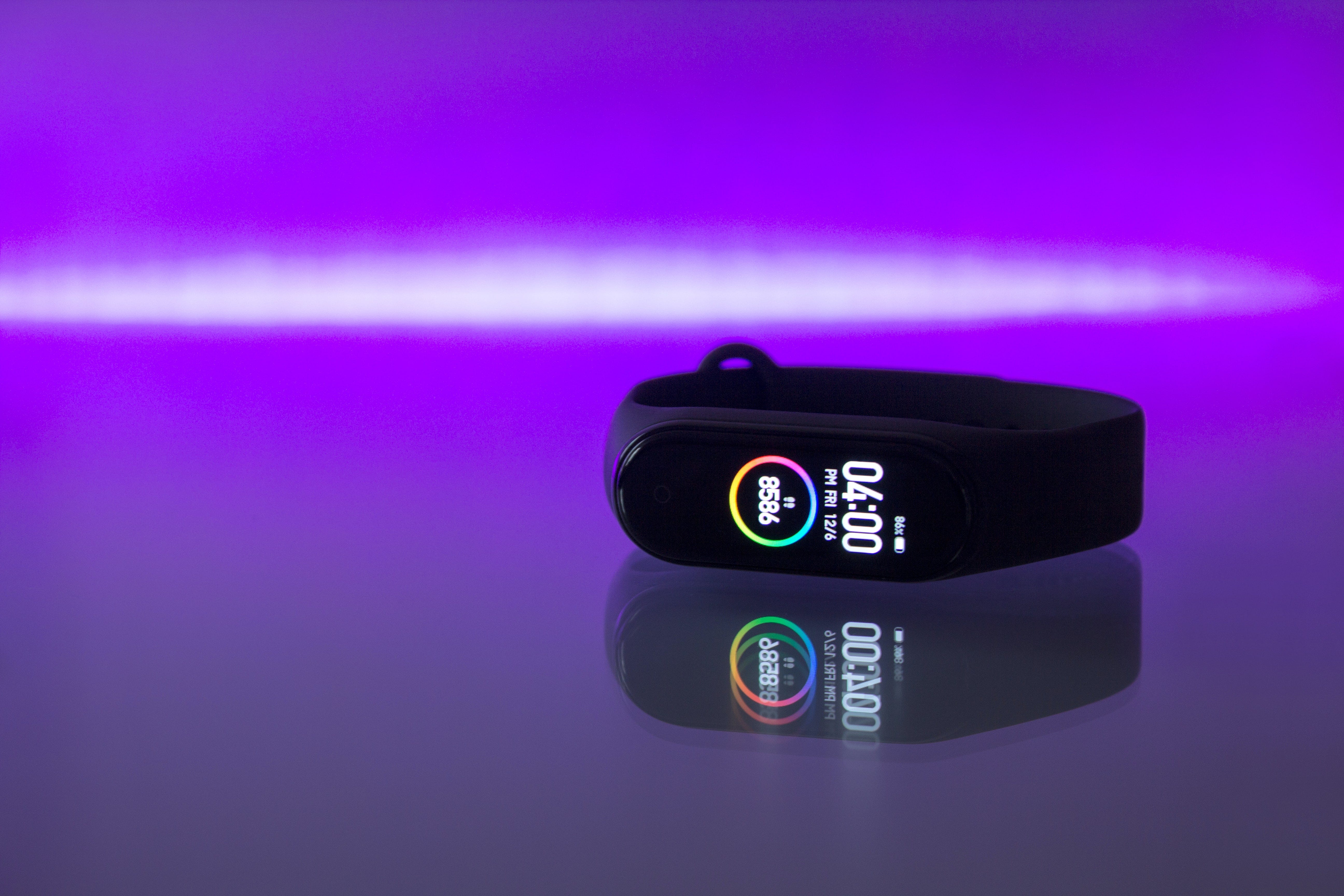
- Fitness Trackers:Monitor steps, heart rate, and sleep patterns
- Smart Glasses:Display information or record video hands-free
- Wearable Cameras:Capture photos and videos on the go
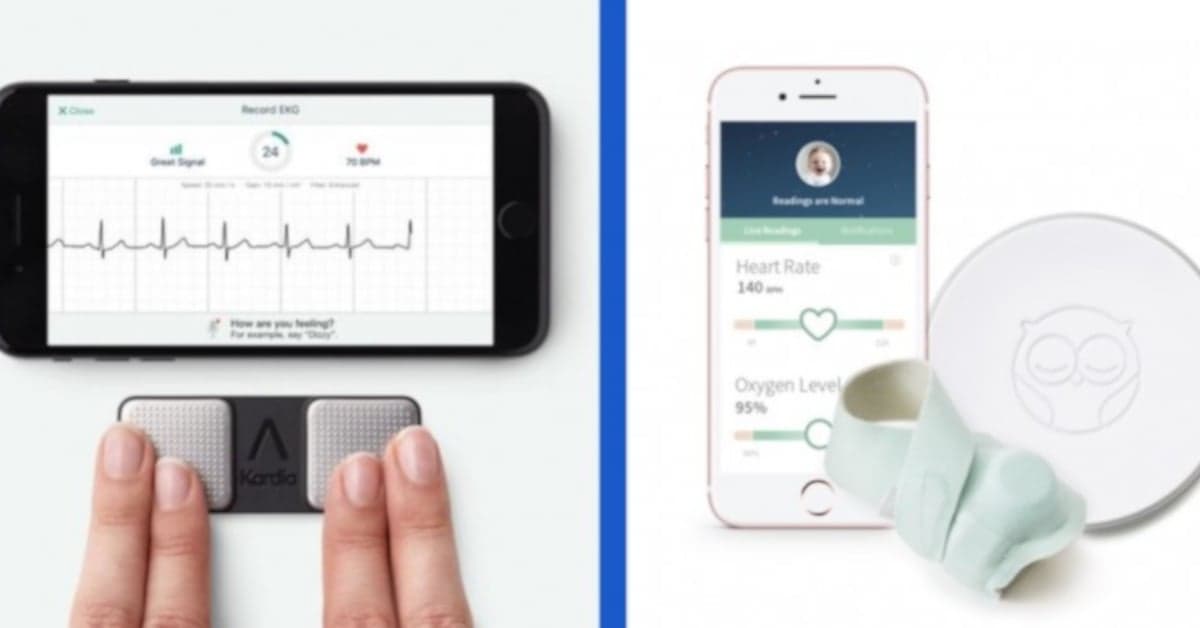
- Health Monitors:Measure blood pressure, glucose levels, or oxygen
- VR Headsets:Provide immersive virtual experiences
Credit: medium.com
Popular Wearable Devices
Wearable technology includes devices you can wear on your body. These gadgets connect to the internet or other devices. They help track health, show notifications, or even capture moments. Many popular wearable devices fit different lifestyles and needs. Here are some of the most common ones found today.
Smartwatches
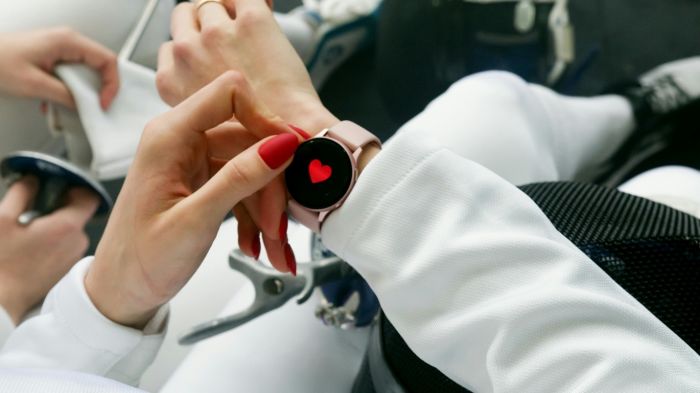
Smartwatches look like regular watches but do much more. They show time, messages, and calls. They track heart rate and steps. Some have GPS for navigation. You can control music or check the weather. Smartwatches often work with smartphones to keep you connected.
Fitness Trackers
Fitness trackers focus on health and exercise. They count steps, measure calories, and monitor sleep. Some track specific workouts like running or swimming. They motivate users to reach fitness goals. Many fitness trackers are lightweight and have long battery life.
Smart Glasses
Smart glasses look like regular eyewear but have extra features. They can show information in your view. Some have cameras for photos or videos. Others offer navigation or translation tools. Smart glasses aim to keep your hands free while staying informed.
Wearable Cameras
Wearable cameras are small devices worn on the body. They record videos or take photos from your viewpoint. Often used in sports or travel, they capture action hands-free. Some models connect to apps for easy sharing. Wearable cameras help preserve memories in real time.
Emerging Wearable Tech
Emerging wearable technology is reshaping how you interact with the digital and physical worlds. It goes beyond traditional smartwatches and fitness bands, pushing the boundaries of what wearables can do for your health, work, and everyday life. These new devices often blend seamlessly into your body or clothing, making technology more personal and intuitive.
Health Monitoring Implants
Health monitoring implants are tiny devices placed inside your body to track vital signs continuously. Unlike external gadgets, these implants provide real-time data on heart rate, glucose levels, and even brain activity. Imagine having a device that alerts you before a health issue becomes serious—this technology makes it possible.
Doctors can use this data for more accurate diagnoses and personalized treatments. If you’ve ever wished for a way to monitor your health without constant hospital visits, implants might be the answer.
Augmented Reality Wearables
Augmented reality (AR) wearables add digital information directly to your view of the real world. These devices, like AR glasses or contact lenses, overlay useful data without interrupting what you’re doing. For example, you could see directions, notifications, or even instructions while working on a project.
Using AR wearables changes how you learn and work by providing hands-free access to information. Have you ever wanted to keep your hands free while still accessing your phone’s features? This tech does exactly that.
Smart Clothing
Smart clothing integrates sensors and electronics into everyday fabrics to track your movement, temperature, or even stress levels. These clothes can help athletes optimize training or alert you if your posture is off. The technology is designed to be comfortable and easy to wear all day.
What if your shirt could help improve your health without you even thinking about it? Smart clothing makes this possible by turning your wardrobe into a personal assistant.
Tech Behind Wearables
Wearable technology combines small devices with smart functions worn on the body. These gadgets rely on complex technology to track, analyze, and communicate data. Understanding the tech behind wearables reveals how they deliver real-time insights and convenience.
Sensors And Connectivity
Sensors are the heart of wearable devices. They detect movement, heart rate, temperature, and more. Common sensors include accelerometers, gyroscopes, and optical sensors. These collect accurate data from the user’s body or environment.
Connectivity links the wearable to other devices or the internet. Bluetooth and Wi-Fi are popular options. This connection enables data transfer and real-time updates. It also allows wearables to sync with smartphones or cloud services.
Power Sources
Wearables need reliable power to function all day. Most use rechargeable batteries, often lithium-ion or lithium-polymer. Battery life depends on the device’s size and features.
Energy-efficient designs help extend battery life. Some wearables include solar cells or energy harvesting tech. These options reduce the need for frequent charging.
Data Processing
Data processing happens inside the wearable or on connected devices. Microprocessors analyze raw sensor data quickly. This lets wearables provide instant feedback.
Some wearables use cloud computing for deeper analysis. This allows complex algorithms to run without draining the device’s battery. Data privacy and security are key concerns during processing.
Wearable Tech In Daily Life
Wearable technology has seamlessly integrated into your daily life, changing how you manage health, communicate, entertain yourself, and even work. These devices offer convenience and real-time data that can improve your routines and productivity. Have you noticed how often you reach for your smartwatch or fitness band without thinking?
Fitness And Health
Wearables like fitness trackers and smartwatches help you monitor your heart rate, steps, and sleep quality. They motivate you to stay active by setting daily goals and sending reminders to move. Imagine catching health issues early because your device alerted you to an irregular heartbeat.
Communication
Smartwatches and earbuds keep you connected without pulling out your phone. You can answer calls, read messages, and even send quick replies on the go. This hands-free communication lets you stay focused on what matters while staying reachable.
Entertainment
Wearable tech enhances your entertainment experience by streaming music or podcasts directly to your ears. Virtual reality headsets transport you to immersive worlds for gaming or movies. How often do you find yourself lost in these digital experiences during a busy day?
Workplace Applications
In the workplace, wearables improve safety and efficiency. Smart glasses can display instructions or data without interrupting your workflow. Devices that track posture or fatigue help prevent injuries and maintain productivity.
Credit: www.justluxe.com
Privacy And Security
Privacy and security are at the heart of wearable technology concerns. These devices collect a lot of personal information, from your health stats to location data. Protecting this information is crucial because a breach can affect your life in unexpected ways.
Data Protection Challenges
Wearables constantly gather sensitive data, making them prime targets for hackers. Many devices transmit data over wireless connections, which can be intercepted if not properly encrypted. You might not realize how much of your daily routine is tracked and stored, raising questions about who really has access to this data.
Think about your smartwatch tracking your heart rate and steps all day. If that information falls into the wrong hands, it could be misused in ways you never imagined. How confident are you that your device’s data is safe?
User Control
You should have clear control over what your wearable collects and shares. Many devices offer settings to limit data sharing, but these options are often buried or confusing. It’s important to regularly review and adjust permissions to match your comfort level.
- Check app permissions frequently.
- Disable features you don’t use.
- Be cautious about syncing with third-party apps.
When was the last time you explored your device’s privacy settings? Taking a few minutes could protect you from unwanted data exposure.
Regulations And Compliance
Governments are stepping up rules to protect your data collected by wearables. Laws like GDPR in Europe and CCPA in California enforce strict guidelines on data use and user consent. Still, not all devices comply equally, and enforcement varies by region.
Manufacturers must be transparent about data handling, but you should also stay informed about your rights. Are you asking companies the right questions before trusting them with your personal information?
Future Trends For 2025
The wearable technology landscape is evolving fast, and 2025 promises some exciting changes. You’ll find devices becoming smarter, more efficient, and more versatile than ever before. Let’s look at what you can expect in the near future and how these trends might impact your daily life.
Ai Integration
Wearables will get better at understanding your habits and needs through AI. Imagine a fitness tracker that not only counts steps but also offers personalized health advice based on your sleep and activity patterns. This smart assistance can help you make healthier choices without extra effort.
AI will also enable wearables to detect early signs of health issues by analyzing subtle changes in your body. Could your watch soon alert you to a potential problem before you even feel symptoms?
Improved Battery Life
Battery life has always been a pain point for wearable users. By 2025, expect new materials and energy-efficient chips to extend battery life dramatically. This means fewer interruptions for charging and more freedom to use your device all day.
Some devices might even use solar power or kinetic energy to recharge, reducing your reliance on plugs. How much more would you use your wearable if you never had to worry about running out of battery?
Miniaturization
Wearables will become smaller, lighter, and more comfortable. Advances in miniaturization mean you could wear devices that are barely noticeable but packed with powerful features. This will make tech more accessible and less intrusive during your daily activities.
Think of smart rings or patches that monitor your health discreetly. Would you prefer a tiny device that blends with your style over bulky gadgets strapped to your wrist?
Expanded Use Cases
The uses for wearable tech will go beyond fitness and health. Expect wearables to support remote work, gaming, augmented reality, and even mental wellness. These new functions will help you stay connected, productive, and balanced in more ways.
- Smart glasses providing hands-free navigation during travel
- Wearables that monitor stress and suggest relaxation techniques
- Devices enhancing virtual meetings with real-time feedback
Are you ready to let your wearable assist you in areas of life you never considered before?
Choosing The Right Wearable
Choosing the right wearable technology can shape how effectively you meet your goals, whether it’s tracking fitness, managing health, or staying connected. It’s not just about picking the latest gadget; it’s about finding a device that fits your lifestyle and works seamlessly with your daily routine. Let’s break down key factors to consider so you can make a smart choice.
Purpose And Needs
Start by clarifying what you want from a wearable. Are you focused on monitoring your heart rate, counting steps, or getting notifications on the go? Knowing your primary goal will help you avoid paying for features you won’t use.
Think about activities you do regularly. If you run often, a smartwatch with GPS is useful. If you want sleep tracking, look for devices with reliable sensors. What problem do you want the wearable to solve for you?
Compatibility
Your wearable should work smoothly with your existing devices. Check if it syncs with your smartphone’s operating system, whether it’s iOS or Android. Some wearables only work well with specific brands or apps, which can limit your experience.
Also, consider the apps that come with the wearable. Are they user-friendly? Can you export your data if needed? These details affect how easily you can integrate the wearable into your tech ecosystem.
Budget Considerations
Wearables come in a wide price range, from budget-friendly trackers to high-end smartwatches. Set a clear budget before shopping to narrow down your options. Remember, the most expensive device isn’t always the best fit.
Look for value rather than just features. Sometimes mid-range wearables offer the best balance between price and functionality. Would spending a little less on a device that meets your needs be smarter than splurging on extras you might not use?

Credit: medium.com
Frequently Asked Questions
What Devices Are Classified As Wearable Technology?
Wearable technology includes devices like smartwatches, fitness trackers, smart glasses, and health monitors. These gadgets are worn on the body and collect data or provide digital interaction.
How Does Wearable Technology Improve Daily Life?
Wearables track health, enhance communication, and increase convenience. They help monitor fitness, send notifications, and support hands-free tasks efficiently.
Are Wearable Devices Connected To The Internet?
Yes, most wearable devices connect via Bluetooth or Wi-Fi. This connectivity enables real-time data syncing and access to apps and notifications.
What Industries Benefit From Wearable Technology?
Healthcare, fitness, entertainment, and manufacturing widely use wearables. They improve patient monitoring, athletic performance, user engagement, and workplace safety.
Conclusion
Wearable technology shapes our daily lives in many ways. From fitness trackers to smartwatches, these gadgets simplify tasks. They help monitor health, improve convenience, and enhance communication. Their popularity keeps growing, leading to more innovations. This tech becomes part of our lifestyle, blending seamlessly with daily routines.
Future advancements promise even more exciting features. As wearable technology evolves, it continues to offer practical solutions. It’s clear that wearable gadgets have a lasting impact. Embrace the changes they bring, as they pave the way for a connected future.
Leave a Reply