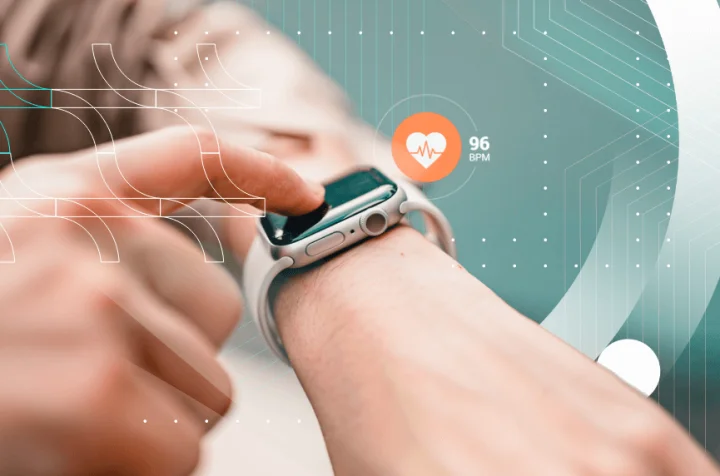
Have you ever wondered what wearable technology really is and how it can change your daily life? Imagine having devices that fit right on your body, helping you stay connected, track your health, and even improve your workouts—all without interrupting your routine.
This isn’t just about gadgets; it’s about making your life easier and more efficient. Keep reading to discover what wearable technology is, why it matters to you, and how it can become a powerful tool in your everyday life.
Wearable Tech Basics
Wearable technology has become a part of everyday life, offering convenience and new ways to interact with the world around you. Understanding the basics of wearable tech helps you choose devices that truly enhance your daily routine. Let’s break down what you need to know about these smart gadgets.
Types Of Wearables
Wearables come in many forms, each designed for specific uses. Some of the most common include:
- Smartwatches:These track your activity, display notifications, and even make calls.
- Fitness Trackers:Focused on health, they monitor steps, heart rate, and sleep patterns.
- Smart Glasses:Provide augmented reality experiences and hands-free access to information.
- Wearable Cameras:Capture photos or videos from your perspective without using your hands.
- Medical Devices:Monitor vital signs and alert you or your doctor to potential health issues.
Which type fits your lifestyle? Think about what you want to track or improve.
Key Features
Wearable devices share several important features that make them useful and user-friendly:
- Sensors:Detect motion, heart rate, temperature, and more to gather data.
- Connectivity:Use Bluetooth or Wi-Fi to sync with your phone or other devices.
- Display:Show notifications, stats, or alerts directly on the device.
- Battery Life:Varies from hours to days depending on the device and usage.
- Comfort:Designed to be worn comfortably for long periods.
Have you noticed how often you check your smartwatch? That instant access to info is a game changer.
How They Work
Wearable tech relies on a mix of hardware and software to function effectively. Sensors collect real-time data about your body or environment. This data is then processed by the device’s internal system.
Most wearables connect wirelessly to apps on your smartphone, where the information is analyzed and displayed in an easy-to-understand way. Some devices use AI to offer insights or personalized recommendations based on your habits.
Ever wondered how your fitness tracker knows when you’re running versus walking? It uses accelerometers and algorithms to recognize different movements accurately.
Health And Fitness Benefits
Wearable technology has changed how you approach health and fitness. These devices do more than just tell time or count steps; they become your personal coach and health advisor. Imagine having real-time data about your body right on your wrist or as you move through your day.
Activity Tracking
Activity tracking helps you see how much you move daily. Devices count steps, measure distance, and even track different types of exercise like running or cycling. This data encourages you to set goals and stay motivated.
Think about the last time you checked your step count. Did it push you to walk a little more? Many users find themselves taking stairs instead of elevators just to boost those numbers. How often do you actually track your daily movement?
Health Monitoring
Wearables now monitor vital signs like heart rate, sleep quality, and even blood oxygen levels. This continuous monitoring can detect irregularities early and alert you to potential health issues. It’s like having a mini health clinic on your wrist.
For example, if your heart rate spikes unexpectedly, your device can notify you immediately. This feature helped a friend catch an arrhythmia early, prompting timely medical attention. How closely do you pay attention to these health signals?
Personalized Insights
Wearable tech doesn’t just gather data—it analyzes it to give you tailored advice. You get suggestions on improving sleep, optimizing workouts, or managing stress based on your unique patterns. This makes your fitness journey smarter and more effective.
Imagine receiving a reminder that you need more rest after a particularly intense week or a tip to adjust your workout intensity. These insights help you listen to your body better. What kind of personalized advice would help you most right now?
Enhancing Communication
Wearable technology changes how people communicate daily. It makes staying in touch easier and faster. Devices fit on your body to keep you connected without using your hands. These gadgets help you respond to messages and calls quickly. They also provide useful information at a glance.
Smartwatches And Notifications
Smartwatches show notifications instantly on your wrist. You see messages, calls, and alerts without pulling out your phone. This saves time and keeps you focused. Notifications appear as vibrations or sounds, making sure you never miss important updates.
Hands-free Connectivity
Wearables offer hands-free ways to connect with others. You can answer calls or send texts using simple gestures or taps. This is helpful during busy moments or when your hands are full. It also improves safety, such as while driving or walking.
Voice Assistants
Voice assistants on wearables let you speak commands naturally. You can ask questions, set reminders, or control smart home devices. Talking to your watch or headset is quick and easy. This technology helps users stay productive without stopping their tasks.
Wearables In Daily Tasks
Wearable technology has become an essential part of managing daily tasks with greater ease and efficiency. These devices are designed to assist you in real-time, blending seamlessly into your routine. They not only save time but also enhance your overall productivity and convenience.
Smart Glasses And Ar
Smart glasses bring augmented reality (AR) directly to your line of sight. Imagine getting directions, notifications, or even real-time translations without pulling out your phone. These glasses help you stay hands-free, which is especially useful when you’re busy cooking, working, or exercising.
One user shared how their smart glasses made assembling furniture simpler by overlaying step-by-step instructions onto the parts in front of them. Wouldn’t it be great if you could get instant help just by looking at a problem?
Payment And Authentication
Wearables like smartwatches and rings are changing how you pay for things and access secure places. You can tap your wrist or finger to complete a transaction quickly, without digging through your bag for a wallet or card.
These devices also use biometric data to confirm your identity, adding an extra layer of security. Have you ever been frustrated by forgotten passwords or lost cards? Wearable authentication can reduce those hassles while keeping your information safe.
Navigation And Travel
Wearable devices offer turn-by-turn navigation right on your wrist or through earphones, making travel smoother. Whether you’re walking in a new city or cycling to work, you get clear, glanceable directions without constantly checking your phone.
One traveler mentioned how their smartwatch alerted them to changes in train schedules and helped avoid delays. How much easier would your journeys be if your wearable kept you updated with real-time travel info?
Impact On Work And Productivity
Wearable technology has transformed the way we approach work and productivity. These devices offer real-time data and connectivity that can streamline daily tasks and improve efficiency. How can you use wearables to make your workday smoother and more effective?
Remote Collaboration
Wearables like smart glasses and earbuds help you stay connected with your team without being tied to a desk. You can attend virtual meetings, share live video feeds, and receive instant updates while moving around freely.
Imagine troubleshooting a technical issue while a colleague guides you remotely through a heads-up display. This hands-free collaboration saves time and reduces errors, especially in industries like manufacturing and field service.
Task Management
Wearable devices can organize your tasks by sending reminders and notifications directly to your wrist or ear. This keeps you focused and helps avoid the distraction of checking your phone or computer constantly.
You can also use voice commands to add tasks or mark items complete, making it easier to manage your workload on the go. How would your productivity change if you had a personal assistant always available?
Health And Safety At Work
Wearables track vital signs such as heart rate, temperature, and movement to alert you to potential health risks before they become serious. This is especially valuable in physically demanding jobs or hazardous environments.
Some devices can detect fatigue or unsafe postures, prompting you to take breaks or adjust your position. Staying healthy at work isn’t just about feeling good—it directly impacts your ability to perform and stay productive.
Credit: medium.com
Privacy And Security Concerns
Wearable technology offers incredible convenience but also raises serious privacy and security concerns. Your personal data, constantly collected by these devices, can be vulnerable if not properly protected. Understanding these risks helps you make smarter choices about what you wear and share.
Data Protection
Your wearable device stores and transmits sensitive information like health stats, location, and daily habits. Without strong encryption and secure storage, this data can be intercepted or leaked. Always check if your device uses up-to-date security measures to keep your information safe.
User Consent
Do you know exactly what data your wearable collects and who it shares it with? Many devices request consent in long, confusing terms that users quickly accept without reading. Be cautious and review privacy settings regularly to control what you agree to share.
Potential Risks
- Unauthorized access to your health data
- Tracking your location without permission
- Data breaches exposing personal details
- Use of your data for targeted advertising
Imagine your fitness tracker revealing your daily routine to strangers or companies. Could this affect your job or personal relationships? Staying informed and proactive about your wearable’s privacy settings is essential to avoid such risks.
Future Trends
The future of wearable technology is shaping up to be more intelligent, responsive, and deeply integrated into our daily lives. As these devices become smarter, they offer new possibilities that go beyond simple notifications or fitness tracking. What exciting changes should you expect to see in the coming years?
Advanced Sensors
Sensors in wearables are getting more precise and diverse. They now track everything from heart rate and sleep patterns to blood oxygen and even stress levels. Imagine a watch that senses your hydration or detects early signs of illness before you even feel symptoms.
These advanced sensors will help you monitor your body in real-time with greater accuracy. They allow personalized insights, helping you make better health and lifestyle choices every day.
Integration With Ai
Artificial intelligence is becoming the brain behind wearable technology. Instead of just collecting data, wearables will analyze your habits and predict your needs. For example, your device might suggest a break or a quick meditation session when it senses rising stress.
AI can also customize notifications and alerts so they are more relevant and less distracting. This means your wearable will understand you better, acting as a personal assistant tailored to your daily routine.
Wearables In Healthcare
Wearable devices are moving beyond fitness and entering the healthcare system more deeply. They can continuously monitor chronic conditions like diabetes or heart disease, sending critical data directly to your doctor. This real-time connection can lead to faster interventions and better outcomes.
Think about how this could change your experience with medical care. Instead of waiting for appointments, you could have your health tracked constantly, helping prevent emergencies before they happen.

Credit: login.com.pk

Credit: www.techinsights.com
Frequently Asked Questions
What Is Wearable Technology?
Wearable technology refers to electronic devices worn on the body. These gadgets track health, fitness, and provide smart features. Examples include smartwatches, fitness bands, and smart glasses. They connect to smartphones or operate independently, enhancing daily activities through real-time data and notifications.
How Does Wearable Technology Work?
Wearables use sensors to collect data from the body or environment. This data is processed by built-in software to offer insights. Devices connect via Bluetooth or Wi-Fi to smartphones or cloud services. This connectivity allows real-time monitoring, notifications, and personalized user experiences.
What Are Common Uses Of Wearable Technology?
Wearable tech is widely used for fitness tracking, health monitoring, and communication. It helps track heart rate, steps, sleep patterns, and calories burned. Some devices assist with navigation, contactless payments, and even augmented reality experiences. They improve convenience and health awareness.
Are Wearable Devices Secure And Private?
Most wearable devices use encryption to protect user data. However, privacy depends on manufacturer policies and user settings. Users should review app permissions and update software regularly. Choosing reputable brands and secure networks enhances data protection in wearable technology.
Conclusion
Wearable technology keeps changing how we live and interact daily. From smartwatches to fitness trackers, they offer convenience and insights. These devices help us stay connected and monitor our health. The variety of options means there is something for everyone.
As technology advances, wearables will become even more integrated into our lives. They make our tasks easier and more efficient. Simple tools, yet powerful in impact. Exploring wearable tech can enhance daily routines. Keep an eye on new developments. The future of wearables looks promising and exciting.
Leave a Reply