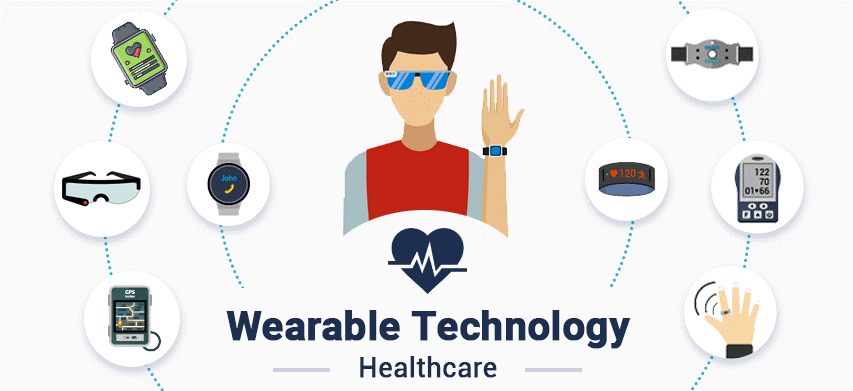
Imagine having a personal health coach right on your wrist, ready to track your heart rate, sleep, and even stress levels all day long. That’s exactly what wearable health technology offers you.
These smart devices are changing how you understand your body and manage your health. But what exactly is wearable health technology, and how can it make a real difference in your life? Keep reading to discover how these gadgets work, why they matter, and how they can help you stay healthier and more in control every day.
Credit: www.larahealth.com.tr
Rise Of Wearable Health Tech
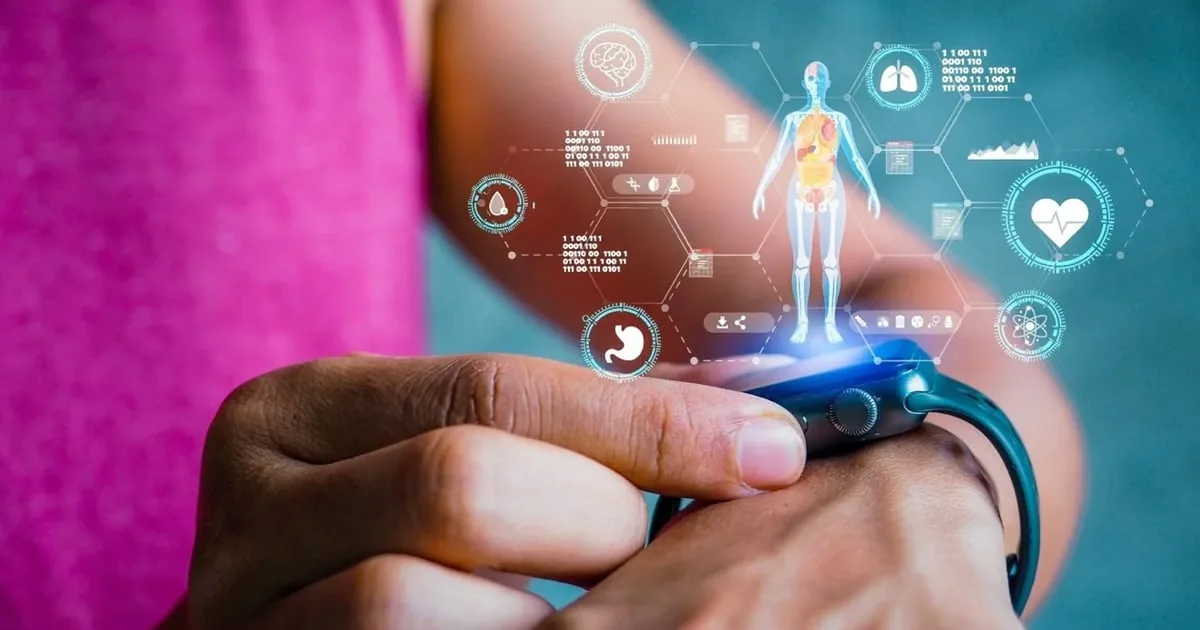
Wearable health technology has seen a remarkable surge in popularity over recent years. These devices are no longer just gadgets; they have become essential tools for monitoring and improving personal health. You might already wear one without fully realizing how much it can impact your daily well-being.
What Drives The Popularity Of Wearable Health Devices?
People want to take control of their health like never before. Wearables offer real-time data on heart rate, sleep quality, activity levels, and more. This instant feedback makes it easier for you to make smarter lifestyle choices every day.
Think about the last time you checked your step count or monitored your sleep. That small action can motivate you to move more or adjust your bedtime. The convenience and immediacy make these devices hard to ignore.
Advancements In Technology Fueling Growth
Improved sensors and better battery life have made wearables more accurate and user-friendly. Today’s devices are lightweight, stylish, and packed with features that go beyond counting steps. Some even detect irregular heartbeats or track blood oxygen levels, which can alert you to potential health issues early.
These advances mean you don’t need to visit a clinic as often for basic health checks. Wearables bring parts of that experience right to your wrist or finger, making health monitoring more accessible and less intimidating.
Integration With Healthcare Systems
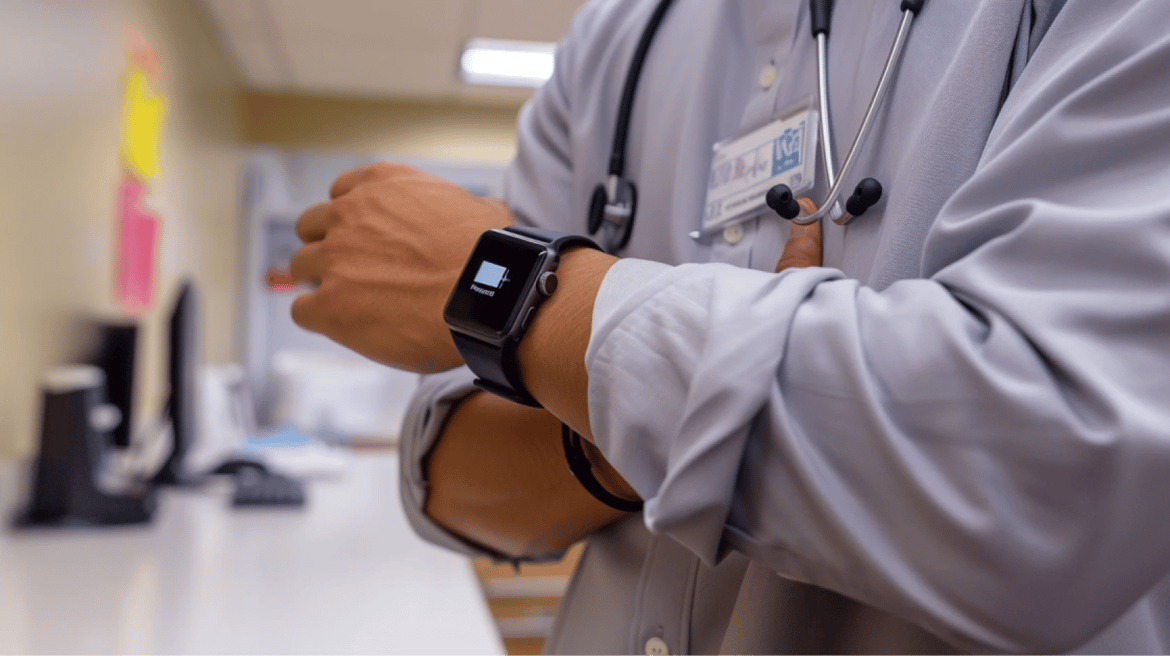
More healthcare providers are embracing wearable data to tailor treatments and monitor patients remotely. This integration helps doctors spot trends and intervene before conditions worsen. It also empowers you to share your health information easily, creating a more collaborative care experience.
Have you ever wondered how your personal health data could improve your medical appointments? Wearables bridge that gap, turning your daily habits into valuable health insights for both you and your doctor.
Challenges And Considerations
Despite the benefits, there are concerns about data privacy and accuracy. Not all devices are created equal, so choosing one that fits your needs and has reliable data is crucial. Also, relying solely on wearables without professional advice could lead to misinterpretation of health signals.
Ask yourself: Are you ready to manage your health data responsibly? Being aware of these challenges helps you use wearable tech in a way that truly supports your well-being.
Credit: www.otandp.com
Popular Types Of Wearable Devices
Wearable health technology comes in many shapes and sizes, each designed to help you monitor different aspects of your health and fitness. Choosing the right device can depend on your personal goals, lifestyle, and the kind of data you want to track. Let’s look at some popular types of wearable devices that have made a real difference for many users.
Fitness Trackers
Fitness trackers are the most common type of wearable device. They count your steps, measure calories burned, and track your daily activity levels. Many also monitor your heart rate and provide insights to help you stay active throughout the day.
If you’ve ever felt stuck in a fitness rut, a tracker can motivate you by showing your progress in real time. Have you noticed how seeing your step count can push you to walk just a little more?
Smartwatches
Smartwatches combine the features of fitness trackers with additional functionalities like notifications, music control, and apps. They act as a mini-computer on your wrist, keeping you connected without constantly checking your phone.
Beyond convenience, smartwatches often include sensors for heart rate, GPS, and even blood oxygen levels. How often do you find yourself using your watch for more than just telling time?
Wearable Ecg Monitors
Wearable ECG monitors provide detailed information about your heart’s electrical activity. These devices can detect irregular heartbeats, which helps in early diagnosis of conditions like atrial fibrillation.
Unlike basic heart rate monitors, ECG wearables give you medical-grade data you can share with your doctor. Have you ever wondered how continuous heart monitoring could change your approach to heart health?
Sleep Trackers
Sleep trackers measure how long and how well you sleep by tracking your movements and heart rate during the night. They help you understand your sleep patterns and identify disruptions that affect your rest.
Improving sleep quality can boost your energy and focus during the day. What if you could wake up feeling truly refreshed every morning just by understanding your sleep better?
Key Features Driving Wellness
Wearable health technology packs a variety of features that help you stay on top of your wellness every day. These devices don’t just count steps—they provide detailed insights that guide your health choices. Understanding the key features can help you pick the right device and make the most of it.
Real-time Health Monitoring
Imagine knowing your body’s vital signs anytime, anywhere. Wearables offer real-time updates on metrics like heart rate, blood oxygen levels, and even blood pressure. This immediate feedback lets you spot unusual changes early, which can be crucial for managing chronic conditions.
I once noticed a sudden spike in my heart rate through my wearable during a routine walk. It pushed me to visit my doctor sooner, leading to early detection of an underlying issue. How often do you check your health stats during the day?
Activity And Fitness Tracking
Beyond counting steps, these devices track your overall activity levels, calories burned, and workout intensity. They motivate you by setting goals and celebrating milestones, making fitness feel more achievable. Whether you’re walking, running, or cycling, you get a clear picture of your progress.
Tracking my daily activity helped me realize I was more sedentary on workdays than weekends. Adjusting my routine to include short walks improved my energy levels significantly. What small change could your activity data inspire today?
Sleep Quality Analysis
Quality sleep is key to wellness, and wearables give you detailed insights into your sleep patterns. They measure deep, light, and REM sleep phases, helping you understand how well you’re truly resting. This data can guide better bedtime habits and improve your overall health.
Seeing my restless nights reflected in sleep reports made me rethink my evening screen time. Cutting back on phone use before bed improved my sleep quality noticeably. Are you curious about what your sleep data might reveal?
Stress And Heart Rate Monitoring
Stress impacts health more than you might realize. Wearables monitor your heart rate variability and stress levels, helping you identify moments of tension. Some devices even offer guided breathing exercises to help you calm down in real-time.
During a hectic workweek, my wearable alerted me to elevated stress levels. Using its relaxation prompts helped me regain focus and avoid burnout. Could your wearable be the nudge you need to manage stress better?
Credit: cubettech.com
Benefits For Personal Health
Wearable health technology offers a range of benefits that directly impact your personal well-being. These devices go beyond just tracking steps—they can motivate you, alert you to potential health problems early, help manage chronic conditions, and even improve your sleep quality. Understanding these benefits can help you make smarter choices about your health daily.
Improved Fitness Motivation
Wearable devices keep you accountable by showing real-time progress toward your fitness goals. When you see your step count rise or your heart rate during exercise, it encourages you to push a little harder. I once struggled to stay active until my smartwatch started sending reminders to move—it changed how I view daily activity.
Setting small, achievable targets on your device can make a big difference. Have you ever felt more motivated simply because a gadget tracked your effort? That’s the power of immediate feedback.
Early Detection Of Health Issues
Many wearables monitor vital signs like heart rate, oxygen levels, and even irregular rhythms. Detecting anomalies early can prompt timely medical consultations before problems worsen. Imagine catching an irregular heartbeat early just because your watch alerted you.
This feature can save lives by giving you a heads-up about issues you might not notice yourself. How often do you think your body signals go unnoticed until symptoms become severe?
Enhanced Chronic Disease Management
If you live with conditions like diabetes or hypertension, wearable tech can simplify monitoring your health. Devices can track glucose levels or blood pressure continuously, helping you and your doctor adjust treatments more effectively. This ongoing data makes managing your condition less stressful and more precise.
Regular updates from your wearable can also remind you to take medications or schedule checkups. Do you find it hard to keep track of your health details? Wearables can fill that gap effortlessly.
Better Sleep Habits
Tracking your sleep patterns helps identify disruptions and improve rest quality. Wearables measure how long and deeply you sleep, showing when you wake up during the night. This insight lets you adjust your habits for more restorative sleep.
For example, noticing consistent late-night awakenings might encourage you to reduce caffeine or screen time. Are you curious about what your sleep data might reveal about your nightly routine?
Challenges And Limitations
Wearable health technology offers exciting benefits, but it also faces real challenges that affect how you use and trust these devices daily. Understanding these limitations helps you make smarter decisions about which gadgets fit your needs and lifestyle. Let’s look closely at some key hurdles you might encounter.
Data Privacy Concerns
Your health data is sensitive. Many wearable devices collect a lot of personal information, from heart rate to sleep patterns. This raises questions about who has access to your data and how securely it is stored.
Have you ever wondered if your health info could be shared without your permission? Some companies may use your data for marketing or sell it to third parties. It’s important to read privacy policies carefully and choose devices from trustworthy brands that prioritize your security.
Accuracy And Reliability Issues
Wearables promise to track your health metrics, but how accurate are they? Many devices struggle with consistency, especially during intense activities or irregular heart rhythms. This can lead to misleading results or false alarms.
Think about a time you relied on a fitness tracker only to find the step count way off. Such inaccuracies can affect your health decisions. Always double-check important readings with professional medical tools or consult a healthcare provider when in doubt.
Battery Life And Device Comfort
Wearing a device that needs frequent charging can be frustrating. Short battery life interrupts continuous monitoring and forces you to plan charging times carefully. This inconvenience might make you skip wearing it altogether.
Comfort matters, too. Some wearables feel bulky or irritating on your skin after hours of use. When choosing a device, consider how it fits your daily routine and whether you can wear it comfortably all day.
Cost And Accessibility
High costs put many advanced wearables out of reach for some users. Even basic models may require ongoing expenses for apps or subscriptions. This limits who can benefit from these technologies.
Are you willing to invest in a device that might not deliver all the features you need? Look for options that balance price and functionality, and check if your insurance covers any wearable health tools. Accessibility is more than price; it’s about finding the right fit for your budget and health goals.
Future Trends In Wearable Health Tech
The future of wearable health technology shows exciting growth. Devices will become smarter, more accurate, and highly personalized. These advancements will improve health monitoring and daily wellness management. Users will gain deeper insights into their bodies and minds. The technology will move beyond physical health to include mental health support.
Integration With Ai And Machine Learning
Wearables will use AI to analyze health data quickly. Machine learning will predict health issues before symptoms appear. This helps users take early action and avoid serious problems. AI will also customize recommendations based on individual habits and needs.
Advanced Biosensors
New sensors will measure more health signals with better accuracy. These include blood sugar, hydration, and even stress levels. Improved biosensors will offer real-time monitoring without invasive methods. This makes health tracking easier and more reliable.
Personalized Health Insights
Data from wearables will create unique health profiles for each person. Users will receive tailored advice for diet, exercise, and sleep. Personalized insights help people improve their lifestyle with clear, simple steps. This approach supports long-term health and well-being.
Expansion Into Mental Health Monitoring
Wearable devices will track mental health indicators like mood and anxiety. Sensors may detect changes in heart rate and skin temperature linked to stress. This allows early identification of mental health challenges. Users can access support and coping tools through their devices.
Impact On Healthcare Systems
Wearable health technology changes how healthcare systems work. It offers new ways to track health outside hospitals. This technology helps doctors, patients, and researchers. It improves care and makes health services more efficient.
Remote Patient Monitoring
Wearable devices let doctors watch patients’ health from a distance. Sensors track heart rate, blood pressure, and activity. Data sends directly to healthcare providers. This reduces the need for frequent hospital visits. Patients get timely care without leaving home.
Reduced Healthcare Costs
Wearables help lower medical expenses. Early detection of health issues prevents costly treatments. Hospitals save money by avoiding unnecessary admissions. Patients spend less on travel and clinic visits. Overall, healthcare systems use resources more wisely.
Improved Patient Engagement
Wearable devices encourage patients to take charge of their health. Real-time feedback motivates healthy habits and lifestyle changes. Patients understand their body better through constant data. This leads to better compliance with treatment plans. Active involvement improves health outcomes.
Data-driven Medical Research
Wearable technology collects vast amounts of health data. Researchers analyze this data to find patterns and trends. Studies become more accurate with real-time information. New treatments and prevention methods emerge faster. This accelerates progress in medical science.
Frequently Asked Questions
What Is Wearable Health Technology?
Wearable health technology includes devices worn on the body that track health and fitness data. These gadgets monitor vital signs like heart rate, activity levels, and sleep patterns in real-time.
How Does Wearable Health Technology Improve Health?
It helps users track their health metrics daily. This data motivates better lifestyle choices and aids early detection of health issues, promoting proactive healthcare.
Are Wearable Health Devices Accurate For Medical Use?
Wearable devices offer good accuracy for general health tracking. However, they are not replacements for professional medical equipment or diagnosis.
What Types Of Wearable Health Devices Exist?
Common devices include fitness trackers, smartwatches, ECG monitors, glucose sensors, and sleep trackers. Each serves different health monitoring purposes.
Conclusion
Wearable health technology is reshaping how we monitor our well-being. These devices make tracking health simpler and more efficient. They offer insights into daily activities and overall health. Users gain a better understanding of their bodies. This technology promotes healthier lifestyles and informed decisions.
As it evolves, accessibility and affordability may increase. People can benefit from personalized health data. Future advancements promise even more features and precision. Staying informed helps in making the best use of these innovations. Embrace wearable tech for a healthier tomorrow.
Leave a Reply