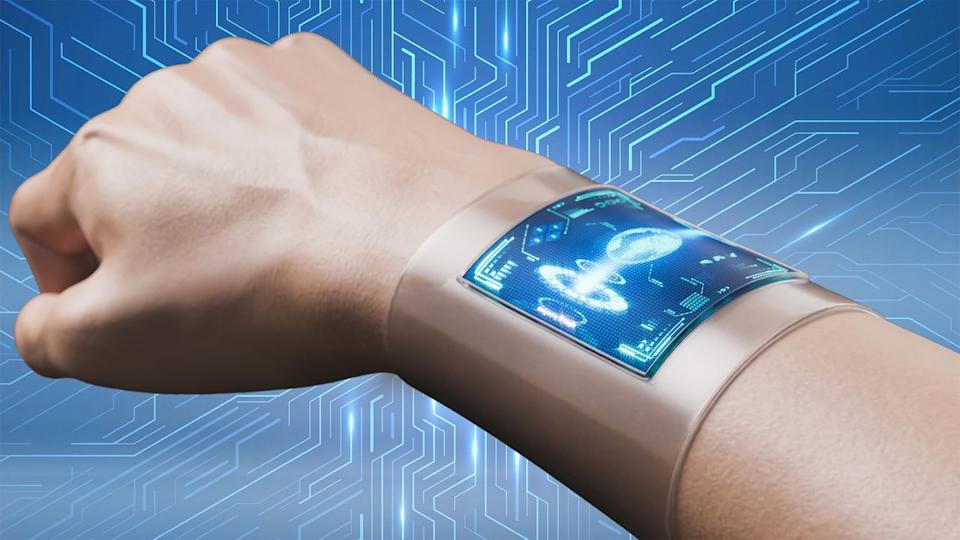
Imagine having a device that not only fits seamlessly into your daily life but also makes it smarter, healthier, and more connected. That’s exactly what wearable technology offers you.
From tracking your fitness to managing your health, these tiny gadgets are changing the way you live, work, and play. But why is wearable technology considered the future? Keep reading, because what you discover next could transform how you see your own potential and the world around you.
Credit: www.tomsguide.com
Rise Of Wearable Tech
Wearable technology is growing fast. It has moved beyond being just cool gadgets. People use wearables daily for health, work, and fun. The rise of wearable tech shows a shift in how technology fits into life.
Wearables help track fitness, monitor health, and keep people connected. They offer convenience and quick access to information. This rise is changing habits and lifestyles worldwide.
Evolution From Gadgets To Essentials
Wearables started as simple devices like digital watches. Over time, they gained new features and smarter functions. Now, they do much more than tell time.
Smartwatches, fitness bands, and health monitors are part of daily life. They support health goals and improve safety. People trust wearables to provide useful data instantly.
Wearables have become essential tools for work and health. They combine style with powerful technology. This evolution shows how technology adapts to user needs.
Popular Types Of Wearables
- Smartwatches:Show notifications, track fitness, and manage calls.
- Fitness Bands:Monitor steps, heart rate, and sleep quality.
- Health Monitors:Track blood pressure, glucose levels, and oxygen.
- Smart Glasses:Provide hands-free information and augmented reality.
- Wearable Cameras:Capture moments and record activities easily.
Each type offers unique benefits. They fit different lifestyles and needs. Wearables continue to grow with new models and features.

Credit: blog.stackademic.com
Enhancing Health And Fitness
Wearable technology is transforming how you take care of your health and fitness. These devices offer more than just step counts—they provide insights that help you understand your body better. Imagine having a personal health coach on your wrist, guiding you every step of the way.
Real-time Health Monitoring
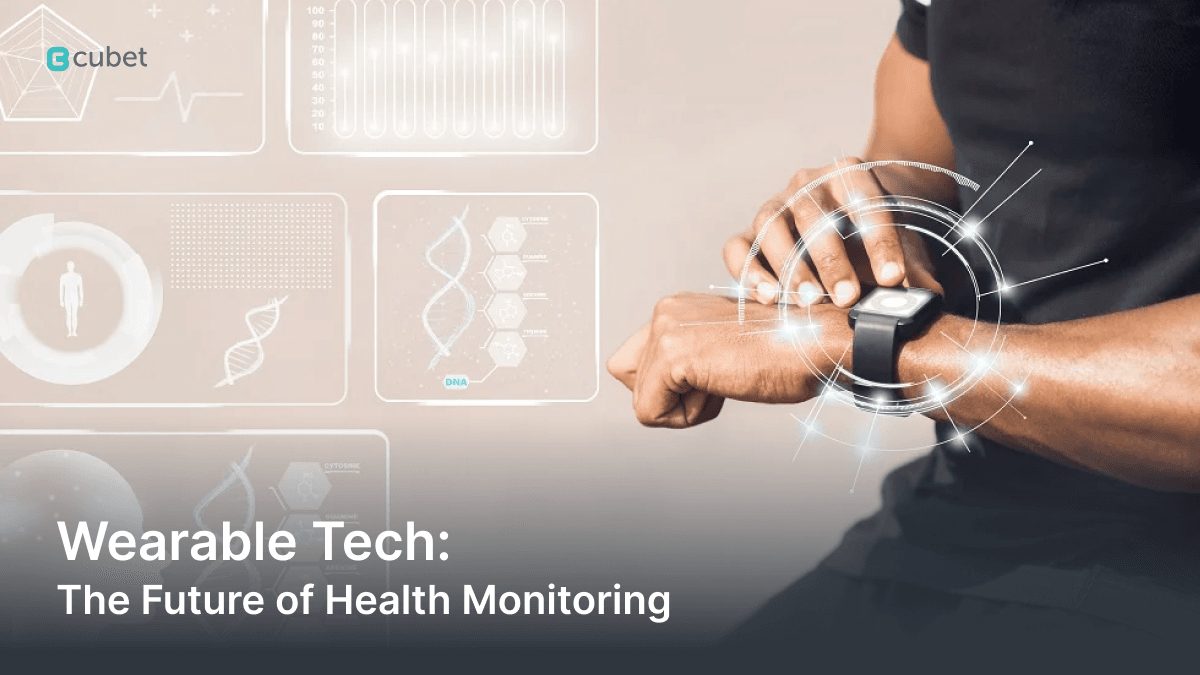
Wearables keep an eye on your vital signs constantly. They track your heart rate, sleep quality, and even blood oxygen levels throughout the day. This constant stream of data helps you spot patterns and catch issues early—sometimes before you even feel symptoms.
Think about how this could change your life if you could detect irregular heartbeats or stress spikes instantly. Would you feel more in control knowing your device is watching out for you 24/7?
Motivation Through Activity Tracking
Wearables turn fitness into a daily challenge that motivates you to move more. Seeing your progress in real-time makes it easier to set goals and stay committed. Many users find themselves walking extra steps just to hit their targets.
These devices often include reminders and rewards to keep you engaged. Have you noticed how a simple vibration or notification can push you to get off the couch? It’s small nudges like these that make a big difference over time.
Managing Chronic Conditions
For people with chronic illnesses, wearables offer a new way to manage health without constant doctor visits. Devices can alert you to changes in your condition, helping prevent emergencies. This continuous monitoring can lead to better treatment decisions and peace of mind.
Imagine living with diabetes and having your glucose levels tracked automatically, or managing asthma with real-time alerts about your breathing. How much easier would managing your condition feel with this kind of support at your fingertips?
Boosting Productivity
Wearable technology helps people work better and faster. It keeps users connected and organized without extra effort. Small devices on the body make tasks easier to manage. They save time and reduce distractions, helping users focus on what matters.
Seamless Connectivity
Wearables connect smoothly with phones and computers. This allows instant access to data and apps. Users can share information quickly and stay updated. No need to stop work to check devices.
Hands-free Communication
Voice commands and smart assistants allow talk and listen without using hands. This lets users keep working while talking. It is helpful during meetings, driving, or busy tasks. Communication becomes natural and efficient.
Smart Notifications
Wearables send alerts only for important messages and reminders. This avoids constant interruptions and keeps focus sharp. Users can customize alerts to suit their needs. It helps manage time and priorities well.
Improving Safety And Security
Wearable technology improves safety and security in many ways. These devices keep users connected and protected. They provide instant help during emergencies. They track locations for quick assistance. Biometric features add a layer of personal security. Together, these tools make daily life safer and more secure.
Emergency Alerts
Wearables send emergency alerts fast. They notify contacts or authorities with one press. Some devices detect falls or sudden health issues. They alert help even if users cannot. This quick response saves lives and reduces risk.
Location Tracking Features
Location tracking helps find users in real time. It guides emergency responders to the exact spot. Parents use it to monitor children’s safety. Hikers and travelers share locations for security. This feature adds peace of mind everywhere.
Biometric Authentication
Biometric authentication uses unique body data. Fingerprints, heart rate, or facial recognition unlock devices. It stops unauthorized access and protects personal data. This technology keeps wearables and information secure. Users feel safer knowing only they can use their devices.
Transforming Entertainment
Wearable technology is reshaping how you enjoy entertainment every day. It takes traditional media and adds a new layer of interaction that makes experiences more engaging and personal. This shift means your entertainment is no longer passive but something you actively participate in.
Immersive Experiences
Imagine watching a concert where you feel the crowd’s energy around you or playing a game that reacts to your movements in real time. Wearables like smart glasses and motion sensors create these immersive moments by connecting your body directly to the content.
These devices bring a sense of presence that screens alone can’t offer. How often do you find yourself fully absorbed in what you’re watching or playing? Wearable tech makes that deep focus easier to reach and sustain.
Augmented And Virtual Reality
Augmented reality (AR) and virtual reality (VR) are no longer just buzzwords—they’re tools you can wear to change your environment instantly. AR overlays digital images onto the real world, while VR transports you completely to a new setting.
Wearable AR glasses can add interactive information to live events or help you explore new places without leaving your room. VR headsets let you step inside movies or games, making you part of the story. How would your favorite show change if you could explore its world firsthand?
Personalized Content
Wearables gather data about your preferences, movements, and environment to tailor entertainment just for you. This means the music you listen to, the videos you watch, and the games you play can adapt dynamically to fit your mood and interests.
For example, a fitness band might suggest workout playlists that match your energy level, or smart glasses could recommend movies based on your viewing history and current surroundings. What if your entertainment anticipated what you wanted before you even realized it?
Credit: cubettech.com
Challenges And Limitations
Wearable technology promises incredible benefits, but it’s not without its hurdles. Understanding the challenges and limitations helps you make smarter choices about what to wear and how to protect your data. Let’s break down some key issues you might face.
Privacy Concerns
Your wearable device collects a lot of personal information—heart rate, location, sleep patterns, and even daily habits. This data is valuable but also sensitive, making it a prime target for hackers or unauthorized sharing. Have you ever wondered who really controls your health info once it’s stored in the cloud?
Many users don’t realize how much data is shared with third parties. You can take steps like reviewing privacy settings, using strong passwords, and choosing brands that prioritize security. Staying informed about data policies gives you better control over your digital footprint.
Battery Life Issues
Nothing kills the excitement of a new gadget faster than a dead battery. Wearables often have limited battery life because they need to be small and lightweight. This means you might need to charge them daily or even multiple times a day, which can be inconvenient.
Think about your daily routine: can you realistically remember to charge your device every night? Some devices offer power-saving modes or quick charging, but they still don’t match the longevity of traditional watches or phones. This limitation might affect how often you actually use your wearable.
Cost And Accessibility
Wearable technology can be expensive, especially the latest models with advanced features. Not everyone can afford these devices, which creates a gap in who benefits from this technology. Have you noticed how some smartwatches or fitness trackers cost more than a smartphone?
Besides price, accessibility is another barrier. Not all designs fit every user comfortably, and some devices require a smartphone or internet connection to work properly. Considering these factors helps you decide if a wearable is the right investment for your lifestyle and budget.
Future Trends
Wearable technology is evolving fast. New trends shape how these devices fit into daily life. These trends promise smarter, lighter, and more useful wearables. The future holds exciting changes in design and function.
Integration With Ai
Artificial Intelligence will make wearables smarter. Devices will learn user habits and give better advice. AI helps predict health issues before symptoms appear. It also improves voice and gesture controls. This makes wearables easier and more natural to use.
Advances In Wearable Materials
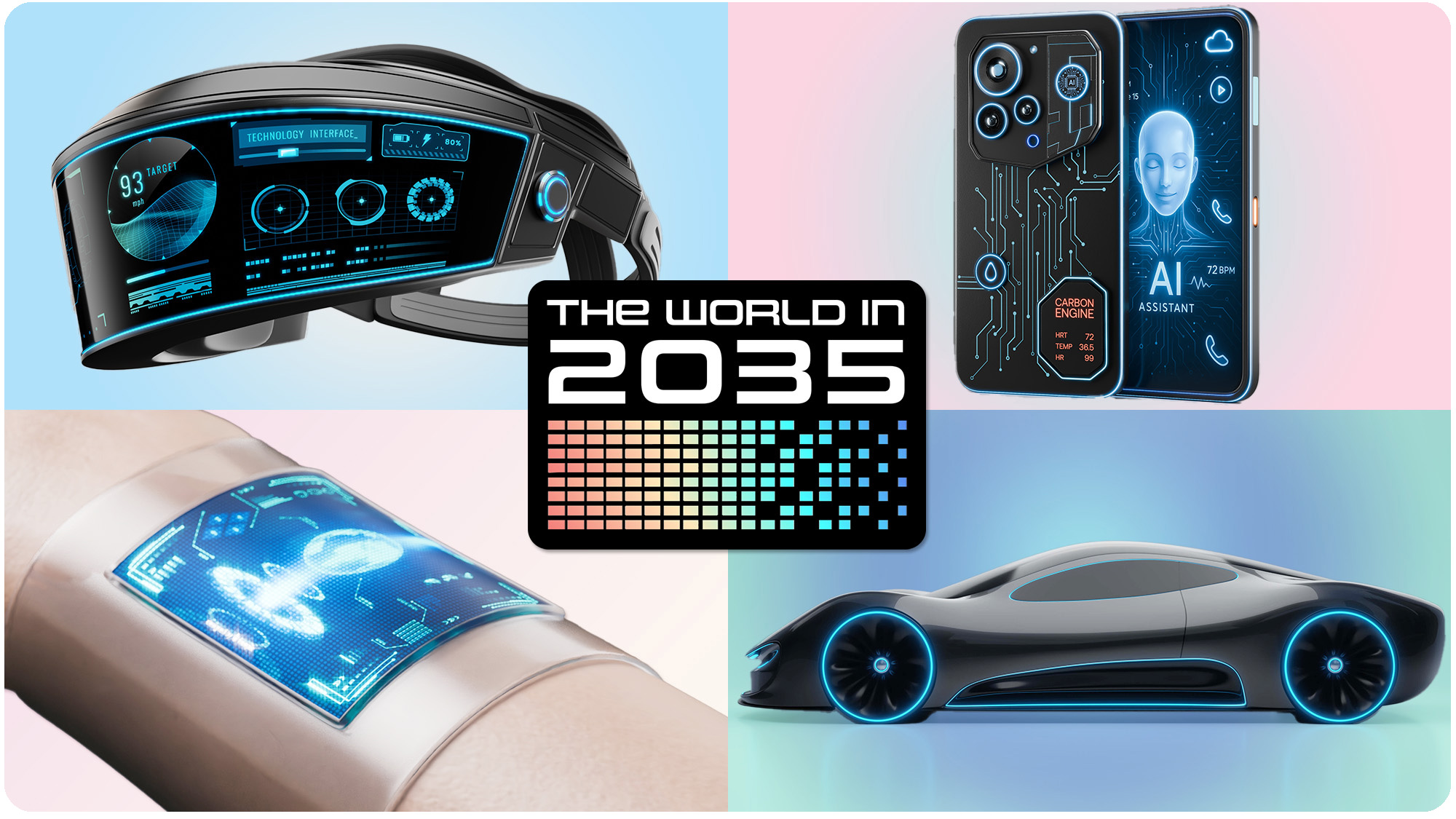
New materials will make wearables more comfortable and durable. Flexible screens and fabrics will allow devices to bend and stretch. Lightweight metals and plastics will reduce device weight. These materials increase battery life and water resistance. Users can wear devices longer without discomfort.
Expanding Use Cases
Wearables will move beyond fitness and health tracking. They will assist in workplace safety and remote work. Education and entertainment will see new wearable applications. People will use wearables for navigation and communication. This expansion creates more value in everyday life.
Frequently Asked Questions
What Makes Wearable Technology The Future Of Innovation?
Wearable technology offers real-time data, convenience, and personalization. It enhances health monitoring and connectivity, driving future tech trends. Its integration with AI and IoT expands functionality, making daily life smarter and more efficient.
How Does Wearable Tech Improve Personal Health Monitoring?
Wearables track vital signs like heart rate and sleep patterns continuously. They provide timely health insights and alerts, enabling proactive care. This technology empowers users to manage their wellness effectively and prevent potential health issues.
What Industries Benefit Most From Wearable Technology?
Healthcare, fitness, manufacturing, and entertainment industries gain significantly. Wearables improve employee safety, enhance training, and boost customer engagement. Their adaptability drives innovation across multiple sectors, improving productivity and user experience.
Are Wearable Devices Secure For Personal Data?
Most wearables use encryption and secure protocols to protect data. However, users must update software regularly and use strong passwords. Choosing reputable brands also ensures higher security standards and privacy protection.
Conclusion
Wearable technology is becoming more essential in daily life. It offers convenience and improves health tracking. These gadgets are easy to use and enhance personal safety. As technology evolves, wearables will play a bigger role. They connect us and make life easier.
Many people already rely on them every day. The future holds even more exciting possibilities for wearable tech. Embrace this growing trend and stay ahead. It’s clear that wearables are here to stay. Ready to explore the future? Consider how wearable technology can benefit you today.
Leave a Reply