Imagine you’re at a big event, surrounded by hundreds or even thousands of guests. How do the organizers know where everyone is, what they enjoy, or how to make your experience better?
The answer lies in wearable technology. This smart tech doesn’t just track your steps—it helps create a smoother, more personalized event just for you. If you want to discover how these tiny devices work behind the scenes to improve your next event, keep reading.
You’ll learn how wearable technology is changing the game and why it matters for your experience.
Wearable Tech In Events
Wearable technology is changing how event organizers track and engage guests. These devices collect real-time data that helps improve event flow and guest experience. Wearables provide accurate insights without intruding on privacy. They make managing large crowds simpler and safer. From entry to exit, wearable tech keeps events running smoothly.
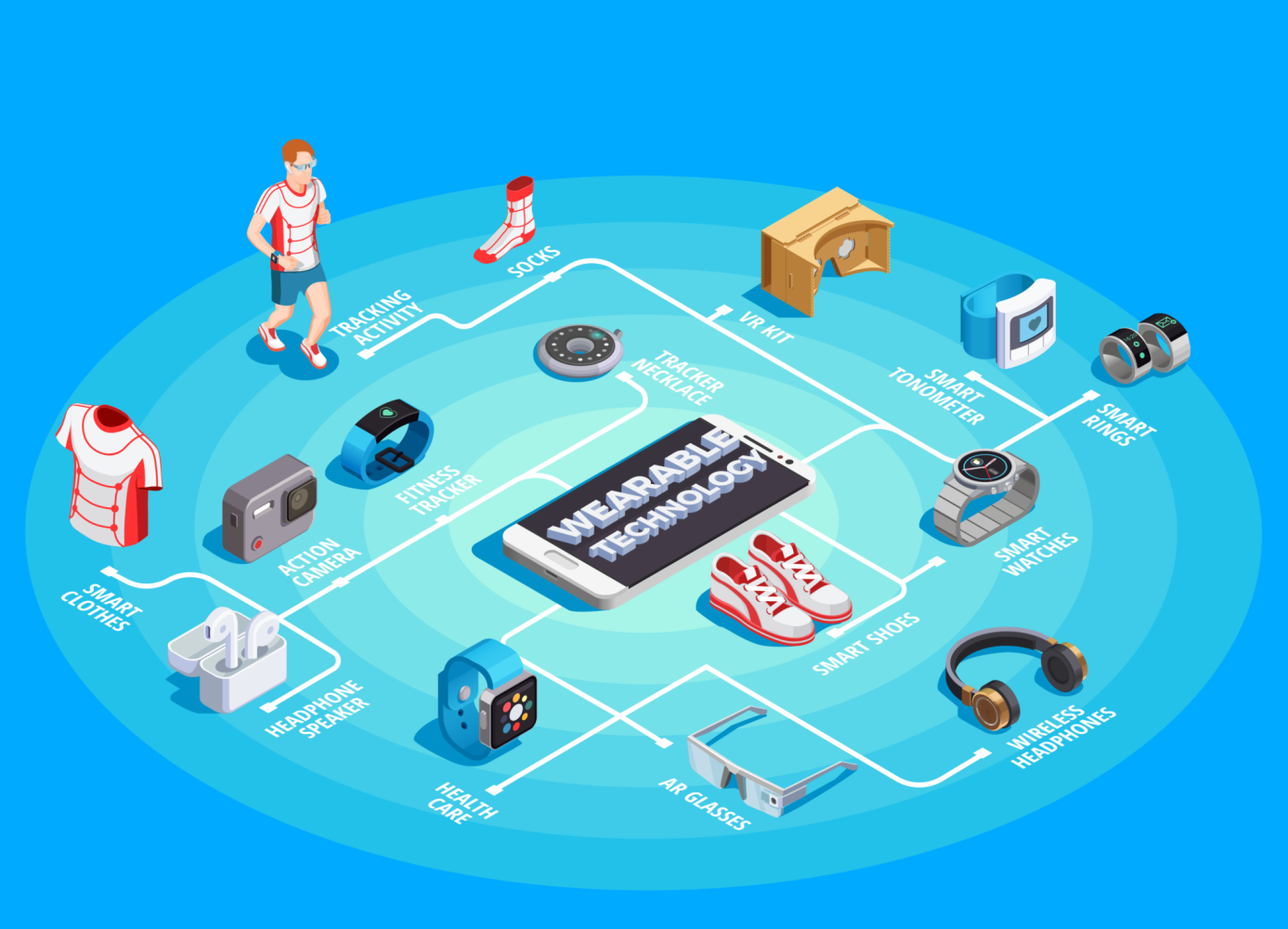
Types Of Wearable Devices
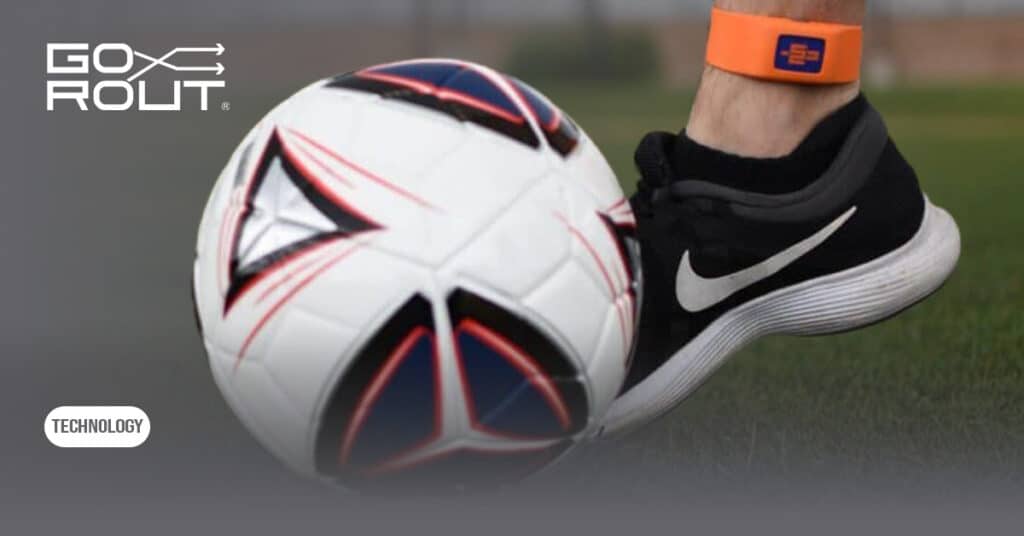
- RFID Wristbands:Used for access control and cashless payments.
- Smart Badges:Track guest location and networking activity.
- Fitness Trackers:Monitor physical activity and health metrics.
- Smart Glasses:Offer augmented reality experiences and data display.
- Bluetooth Beacons:Detect proximity and send location-based alerts.
Key Features For Event Use
- Real-Time Tracking:Monitor guest movement instantly.
- Data Collection:Gather attendance and interaction details.
- Access Control:Manage entry points securely and efficiently.
- Cashless Transactions:Speed up purchases with wearable payments.
- Personalized Experience:Deliver tailored content based on guest data.
- Durability and Comfort:Ensure devices are easy to wear all day.

Credit: wholesale.rdxsports.com
Tracking Guest Movement
Tracking guest movement at events helps organizers understand how people interact within the space. Wearable technology makes this tracking simple and accurate. It gathers data on guest locations and paths in real time. This data offers valuable insights for improving event layout and guest experience.
Real-time Location Monitoring
Wearable devices provide live updates on guest positions. Event staff can see where guests are at any moment. This helps in managing crowd control and guiding guests effectively. Organizers use this data to respond quickly to busy areas or emergencies.
Real-time tracking also enables personalized guest services. For example, staff can offer assistance to guests who seem lost or need help. It improves safety and overall event flow.
Heatmaps And Crowd Flow Analysis
Wearable tech collects movement data that creates heatmaps. These heatmaps show the busiest zones in the event space. Organizers use this information to adjust layouts for better crowd flow. It helps avoid congestion and improve guest comfort.
Analyzing guest paths reveals popular routes and attractions. Event planners can optimize signage and service points accordingly. This leads to a smoother experience and higher guest satisfaction.
Enhancing Guest Interaction
Wearable technology changes how guests interact at events. It offers new ways to connect and enjoy the occasion. Guests feel more involved and valued through smart tracking tools.
This technology collects real-time data to understand guest preferences and behavior. Event organizers use this data to make experiences more fun and tailored. The result is higher guest satisfaction and better event success.
Personalized Experiences
Wearables help create unique experiences for each guest. Devices can track interests and activities during the event. Organizers then send personalized notifications and offers. Guests receive content that matches their tastes and needs.
For example, a guest interested in a speaker topic might get reminders or extra info. Another guest may get a special invitation to a VIP area based on their activity. Personal touches make guests feel special and engaged.
Interactive Event Elements
Wearable devices enable many interactive features at events. Guests can participate in live polls, quizzes, and games using their wearables. This boosts engagement and makes the event more lively.
- Access exclusive content or areas with wearable scans
- Network easily by sharing digital contact info
- Track and compete in event challenges or scavenger hunts
These interactive elements keep guests active and connected. They also help organizers gather feedback and improve future events. Wearables turn passive attendance into active involvement.
Credit: gorout.com
Data Collection And Insights
Wearable technology gathers valuable data from event guests in real time. This data helps organizers understand guest behavior and preferences. The insights collected enable better planning and improved experiences at future events. Wearables track movement, interactions, and engagement levels discreetly and efficiently. This section explores how data collection leads to meaningful insights.
Behavioral Analytics
Wearable devices collect detailed information about guest activities. They track how guests move through event spaces and which areas attract the most attention. Organizers can see which sessions or booths guests visit frequently. This data reveals popular trends and guest interests.
Behavioral analytics identify patterns such as:
- Time spent at each location
- Guest interaction with exhibits
- Networking behaviors
- Response to event content
These insights help create a clearer picture of guest preferences and engagement levels. The data is anonymous and respects privacy standards.
Improving Future Events
Collected data guides event planners in making smart decisions for future events. Understanding guest behavior highlights what worked and what needs change. Organizers can tailor event layouts and schedules based on real guest feedback.
Data-driven improvements include:
- Optimizing crowd flow to reduce congestion
- Enhancing popular sessions or activities
- Identifying underperforming areas
- Customizing marketing strategies
This approach leads to higher guest satisfaction and more successful events over time.
Privacy And Security
Privacy and security are crucial when using wearable technology to track event guests. Protecting personal information builds trust and ensures guests feel safe. Organizers must handle data carefully to avoid breaches and misuse. Transparency and clear communication help maintain guest confidence throughout the event experience.
Data Protection Measures
Wearable devices collect sensitive data that needs strong protection. Encryption is essential to secure information during transfer and storage. Many systems use secure servers with limited access to prevent unauthorized entry. Regular security audits help identify and fix vulnerabilities. Data anonymization reduces risks by removing personal identifiers. Backup protocols ensure no data loss in case of technical failures.
Guest Consent And Transparency
Guests must know what data is collected and how it will be used. Clear consent forms explain tracking purposes in simple language. Organizers should offer opt-out options for those uncomfortable with tracking. Transparency builds trust and respects guest privacy rights. Providing easy access to privacy policies allows guests to stay informed. Honest communication fosters a positive event atmosphere and reduces concerns.
Challenges And Limitations
Tracking event guests through wearable technology offers exciting possibilities but also comes with its share of challenges and limitations. Understanding these hurdles can help you prepare better and avoid common pitfalls. Let’s look closely at the technical and adoption issues that might affect your event’s success.
Technical Issues
Wearable devices rely heavily on stable connectivity. If your venue has poor Wi-Fi or Bluetooth interference, the tracking data can become inaccurate or lost altogether.
Battery life is another concern. Guests may find their devices running out of power before the event ends, cutting off data collection prematurely.
Software glitches can disrupt the user experience. Imagine a wearable failing to sync guest movements or crashing during key moments—it can frustrate both organizers and attendees.
Adoption Barriers
Some guests hesitate to wear tracking devices due to privacy worries. They might fear their movements are being monitored too closely or their data mishandled.
Others simply dislike the idea of wearing extra technology throughout an event. Comfort and style play bigger roles than you might expect.
Getting everyone to use the devices correctly can be a challenge. Without proper instructions or assistance, guests might not activate or wear the wearables as intended, leading to gaps in tracking.
Have you considered how you’ll address guest concerns and encourage adoption? Clear communication and simple, attractive designs can make a big difference.
Future Trends
Wearable technology is already changing how event organizers track and engage guests. But the future holds even more exciting possibilities. As devices become smarter and more versatile, your event experience will feel more personalized and seamless.
Integration With Ai
Imagine wearables that don’t just collect data but also analyze it in real time using AI. This means you could get instant insights on crowd behavior, preferences, and even mood. AI can help predict which areas of an event will get crowded or suggest networking opportunities based on guest profiles.
For event planners, this reduces guesswork and lets you adjust on the fly. Have you ever wished you knew exactly when and where to deploy staff or refreshment stations? AI-powered wearables can make that possible by interpreting signals from attendees’ devices instantly.
Expanding Wearable Capabilities
Wearables will soon do more than just track location or time spent at booths. New sensors will monitor health metrics, environmental conditions, and even emotional states. This can help create safer and more engaging events by alerting staff to any discomfort or emergencies quickly.
Think about a conference where your wearable suggests breaks when your stress levels rise or guides you to quieter zones. Or an outdoor festival where it warns you about heat exposure. These added features make the technology not only useful but essential.
What features would make your event experience smoother and more enjoyable? The future of wearable tech is about fitting seamlessly into your needs and preferences.

Credit: healthjournalism.org
Frequently Asked Questions
How Does Wearable Technology Track Event Guests?
Wearable technology uses sensors and Bluetooth to monitor guests’ locations in real-time. It collects data on movement, interaction, and attendance. This helps organizers analyze guest behavior and improve event experiences effectively.
What Types Of Wearable Devices Are Used At Events?
Common devices include smart wristbands, badges, and lanyards with embedded RFID or NFC chips. These devices enable seamless check-ins, cashless payments, and personalized guest tracking during events.
Can Wearable Technology Enhance Guest Engagement?
Yes, wearables offer real-time interaction opportunities, personalized content, and gamified experiences. This boosts guest participation and satisfaction by making events more interactive and memorable.
Is Guest Privacy Protected With Wearable Tracking?
Organizers ensure privacy by anonymizing data and following strict regulations. Guests usually consent to data collection, and sensitive information is securely stored to prevent misuse.
Conclusion
Wearable technology changes how events track guests. It’s efficient and reliable. Organizers gather real-time data effortlessly. This technology improves guest experiences. It ensures smooth event operations. Attendees enjoy personalized interactions. Data collection becomes seamless. Wearables offer insights into guest preferences.
This leads to better events in future. Event planners can make informed decisions. Guests benefit from enhanced experiences. Wearables make event tracking simple and effective. They are the future of event management.
Leave a Reply