Have you ever wondered if your refrigerator counts as consumer electronics? It’s a question that might surprise you, but the answer can change how you think about your kitchen and the gadgets inside it.
Understanding where your fridge fits can help you make smarter choices when buying, maintaining, or even upgrading your home appliances. Stick around, because by the end of this article, you’ll see your refrigerator in a whole new light—and it might just change the way you shop for electronics forever.
Refrigerators And Consumer Electronics
Refrigerators are common household appliances. They keep food fresh and drinks cold. Many wonder if refrigerators belong to the consumer electronics category. Understanding this helps in knowing their role in modern homes.
Defining Consumer Electronics
Consumer electronics are devices made for everyday use. They rely on electrical power to work. These include gadgets for entertainment, communication, and home tasks.
- Examples: smartphones, televisions, and laptops
- Usually small or medium-sized devices
- Designed for personal use
Most consumer electronics have digital parts and screens. They often connect to the internet or other devices.
Where Refrigerators Fit In
Refrigerators use electricity to operate. They preserve food by cooling it. Unlike phones or TVs, they have fewer digital features.
- Large household appliance
- Focuses on utility and function
- May include smart features in modern models
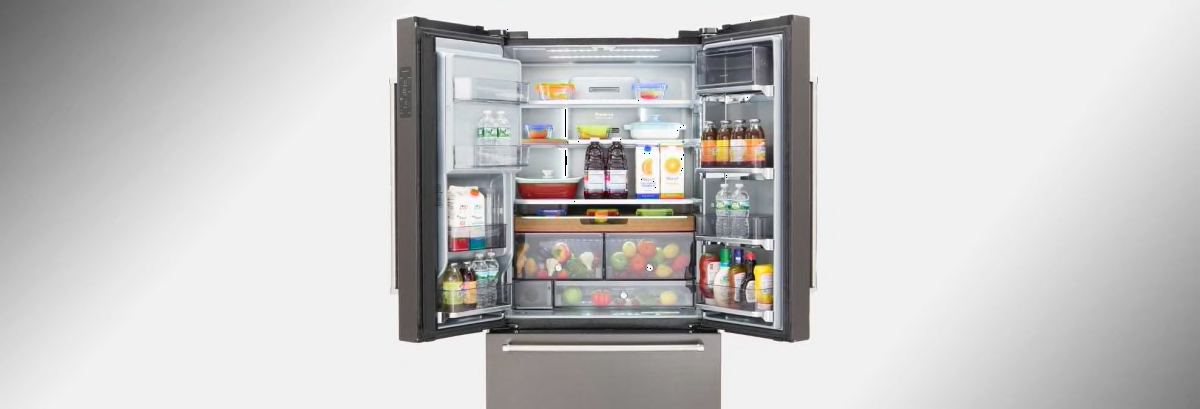
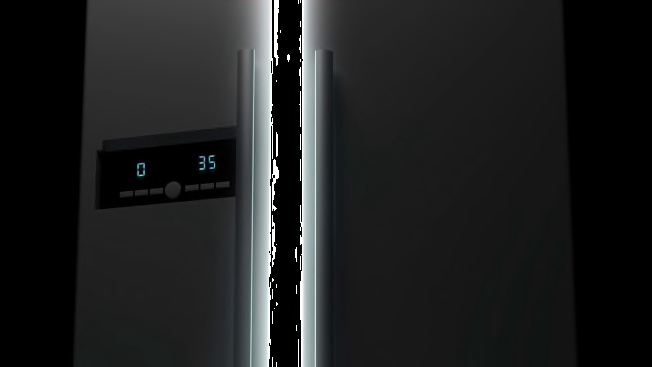
Smart refrigerators can connect to Wi-Fi and have touchscreens. These models blur the line between appliances and electronics. Still, refrigerators are mainly seen as kitchen appliances.
Credit: www.consumerreports.org
Technological Features Of Modern Refrigerators
Modern refrigerators have evolved far beyond simple cooling boxes. Today’s models pack a range of technological features designed to make your life easier, save energy, and keep your food fresher for longer. Understanding these features helps you choose a refrigerator that fits your lifestyle and budget.
Smart Connectivity
Many refrigerators now connect to your smartphone or home network. This lets you check inside your fridge remotely, get alerts if the door is left open, or even create shopping lists based on what’s running low. Imagine getting a notification while you’re at the store, reminding you to pick up milk because your fridge just alerted you it’s almost gone.
Some models also integrate with voice assistants like Alexa or Google Assistant. You can ask your fridge to show what’s inside on your smart display or control the temperature without touching a button. How much easier would it be to manage your groceries with this level of control?
Energy Efficiency Innovations
Energy efficiency is a key focus in modern refrigerators. Technologies like inverter compressors adjust their speed based on cooling needs, using less electricity than traditional compressors. This means lower energy bills without sacrificing performance.
LED lighting inside the fridge reduces power consumption compared to old bulbs. Plus, better insulation materials keep the cold air in longer. Have you checked your energy usage lately? A modern fridge could make a noticeable difference.
Advanced Cooling Systems
Today’s refrigerators use advanced cooling methods to maintain even temperatures and humidity levels. Multi-airflow systems circulate cold air evenly, preventing hot spots that spoil food faster. You might notice your fruits and vegetables stay crisp longer with these systems.
Some models also feature separate temperature zones or customizable compartments. This lets you store different types of food at ideal temperatures, from deli meats to fresh produce. Wouldn’t it be great to customize your fridge space exactly how you want it?
Comparing Refrigerators With Typical Electronics
Comparing refrigerators with typical consumer electronics reveals some interesting differences and similarities. While both categories include devices you use daily, their roles, durability, and maintenance needs vary a lot. Understanding these differences can help you make smarter choices when buying or repairing these appliances.
Functionality And Usage
Refrigerators primarily focus on preserving food by keeping it cool and fresh. Typical electronics like smartphones, TVs, or laptops provide entertainment, communication, or productivity functions. You interact with consumer electronics actively and frequently, but refrigerators mostly work quietly in the background.
Think about your smartphone—it requires constant input and updates, while your fridge simply needs power and occasional adjustments. Does your refrigerator get the same level of daily attention as your other gadgets? Probably not, but it is just as essential in your home.
Lifespan And Durability
Refrigerators generally last longer than many consumer electronics. It’s common for a fridge to run efficiently for 10 to 20 years, whereas phones or laptops may become outdated or stop working in 3 to 5 years. This longer lifespan means fridges are built tougher to handle continuous operation.
Durability also varies because refrigerators deal with physical wear and tear differently. They are exposed to moisture, temperature changes, and heavy contents inside. Can your smartphone survive such conditions? Most likely not.
Repair And Maintenance
Repairing refrigerators often involves specialized parts and professional technicians due to their complex cooling systems. In contrast, many typical electronics can be fixed more easily or replaced altogether. For example, replacing a cracked phone screen is straightforward compared to fixing a faulty compressor in a fridge.
Maintenance for refrigerators is usually simple, like cleaning coils or checking seals. Most consumer electronics require software updates and battery care. How often do you think about maintaining your fridge compared to your laptop?
)
Credit: www.business-standard.com
Market Classification And Consumer Perception
Understanding how refrigerators fit into market classification helps clarify their place in consumer electronics. Many see refrigerators as essential home appliances. Yet, they also share traits with consumer electronics like innovation and connectivity. Consumer perception blends these views, influencing buying choices and marketing approaches.
Retail Categories
Refrigerators often appear in appliance sections of stores. They are grouped with other large home appliances, not always with smaller electronic gadgets. Retailers separate them because of size, price, and use. This separation affects how consumers find and choose refrigerators.
Some stores now include smart refrigerators in electronics aisles. These models offer features like touch screens and Wi-Fi. This shift blurs lines between traditional appliances and consumer electronics. Retail categories adapt as technology evolves.
Consumer Buying Behavior
Consumers see refrigerators as long-term investments. They focus on durability, energy efficiency, and size. Features like smart controls or connectivity often matter less to buyers. Price and brand reputation tend to guide decisions more.
Shoppers often research online before visiting stores. They compare models based on reviews and ratings. Convenience, warranty, and after-sales service influence choices as well. Consumer behavior shows a mix of appliance and electronics buying traits.
Impact Of Smart Technology On Refrigerators
Smart technology has changed the way refrigerators work. These appliances are no longer just for cooling food. They now connect to the internet and other devices. This makes them more useful and easier to control.
Smart refrigerators bring many benefits. They help save energy and keep food fresh longer. They also offer new features that improve daily life. These changes show how technology shapes household electronics.
Integration With Home Automation
Smart refrigerators can connect to home automation systems. This allows users to control them with voice assistants or smartphones. For example, you can check the fridge’s contents remotely. You can also adjust temperatures without opening the door.
Some models send alerts about groceries or maintenance needs. Integration helps create a more connected and efficient home. It makes managing kitchen tasks simpler and faster.
Software Updates And Security
Smart refrigerators receive regular software updates. These updates add new features and fix bugs. They improve performance and security over time. Keeping the fridge software updated is important for safety.
Security matters because these appliances connect to the internet. Manufacturers use encryption and firewalls to protect user data. Users should also set strong passwords and update software promptly. These steps help prevent hacking and data theft.
Legal And Regulatory Perspectives
Refrigerators often blur the line between household appliances and consumer electronics. This mix influences their legal and regulatory treatment. Understanding these perspectives helps consumers know their rights and the standards these products must meet. Laws and regulations ensure safety, performance, and fair business practices for refrigerators.
Warranty And Consumer Rights
Refrigerators come with warranties that protect buyers from defects. These warranties usually cover parts and labor for a set time. Consumer protection laws require clear information about warranty terms. Buyers can expect repairs or replacements if problems occur within warranty periods.
Consumers also have rights beyond warranties. Laws may allow returns or refunds for faulty products. It is important to keep purchase receipts and warranty documents. Knowing these rights helps consumers handle issues confidently.
Energy Standards And Certifications
Refrigerators must meet energy efficiency standards set by authorities. These rules aim to reduce electricity use and environmental impact. Many countries require refrigerators to display energy labels.
- Energy Star certification indicates high energy efficiency.
- Minimum Energy Performance Standards (MEPS) define allowed energy use.
- Labels help buyers compare energy costs easily.
Compliance with these standards is mandatory for manufacturers. It ensures consumers get products that save energy and lower utility bills.
Credit: www.consumerreports.org
Frequently Asked Questions
Are Refrigerators Considered Consumer Electronics?
Yes, refrigerators are considered consumer electronics because they are electric appliances used daily by consumers. They combine electrical components and technology to perform cooling functions, making them part of the consumer electronics category.
How Do Refrigerators Fit Into Consumer Electronics?
Refrigerators fit into consumer electronics as they use electrical circuits and digital controls. Modern models often include smart technology, connecting to Wi-Fi for enhanced user control and energy efficiency, aligning them with other smart consumer devices.
What Distinguishes Refrigerators From Other Consumer Electronics?
Refrigerators differ by their primary function—food preservation—while other consumer electronics focus on entertainment or communication. They are larger, require more power, and involve cooling technology, yet share common electronic components and smart features.
Are Smart Refrigerators A Part Of Consumer Electronics?
Yes, smart refrigerators are a key part of consumer electronics. They feature internet connectivity, touch screens, and sensors, offering users interactive and remote control options, blending traditional appliance functions with advanced technology.
Conclusion
Refrigerators bridge the gap between appliances and electronics. Their features like smart connectivity and energy efficiency highlight this blend. They keep food fresh and safe, making them essential. The technology in modern refrigerators continues to evolve rapidly. Consumers enjoy the benefits of these advancements every day.
Understanding this intersection helps in making informed choices. As technology grows, the line between appliances and electronics blurs. Always consider your needs and preferences when choosing a refrigerator. This knowledge empowers smarter purchasing decisions. Stay informed and enjoy the blend of convenience and technology.
Leave a Reply