Are you curious about what it takes to become a consumer-electronics engineer? If you love gadgets and want to create the next big thing in technology, knowing the right degrees to pursue is your first step.
This guide will show you exactly which educational paths open doors in this exciting field. By the end, you’ll have a clear idea of how to turn your passion into a rewarding career. Keep reading to discover what degrees you need to make your mark in consumer electronics.
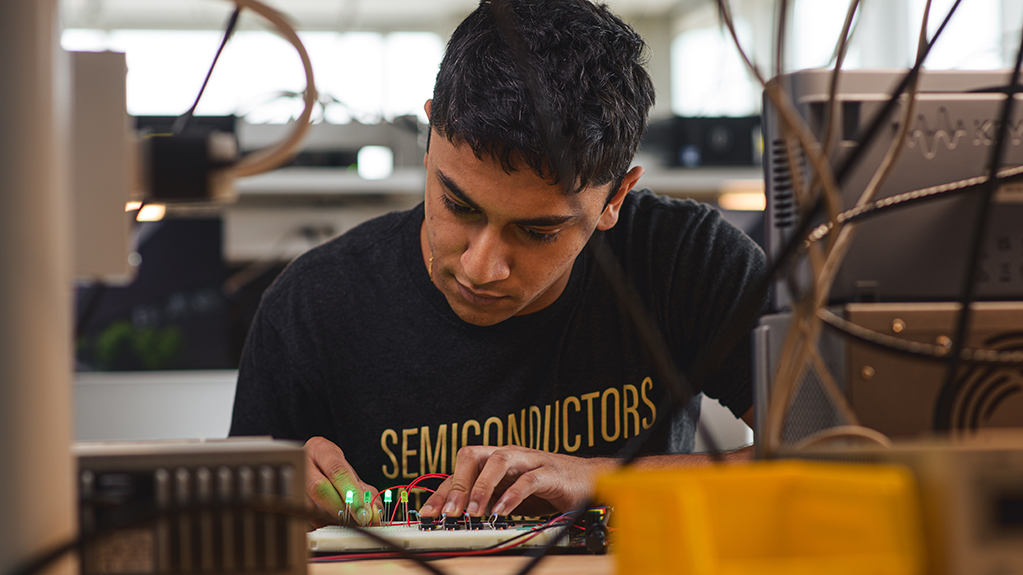
Credit: www.admissions.purdue.edu
Core Degrees For Consumer-electronics Engineering
Choosing the right degree is a key step if you want to become a consumer-electronics engineer. The core degrees provide the fundamental knowledge and skills needed to design, develop, and improve electronic devices that millions use daily. Understanding the focus of each degree can help you decide which path fits your goals and interests best.
Electrical Engineering
Electrical Engineering covers the basics of electricity, circuits, and power systems, which are essential for consumer-electronics engineering. You’ll learn how to design and analyze electrical components that make devices work efficiently. This degree also teaches you about signal processing and control systems, which are crucial for creating reliable electronics.
Think about how your smartphone manages power and connectivity. Electrical engineers develop these systems to ensure your device lasts longer and performs better. If you enjoy working with hardware and understanding how electricity flows through devices, this degree is a solid choice.
Electronics Engineering
Electronics Engineering focuses more specifically on small-scale electronic circuits and components used in consumer gadgets. It dives into semiconductors, microprocessors, and embedded systems that power devices like smartwatches and gaming consoles. This degree prepares you to work on the intricate details of electronic hardware design.
Consider your experience with any electronic device that features complex circuits. Electronics engineers make sure these circuits function as intended and improve over time. If designing and testing compact and sophisticated electronics excite you, this degree aligns well with your ambitions.
Computer Engineering
Computer Engineering bridges the gap between hardware and software, combining knowledge of electronic circuits with computer systems. This degree teaches you how to build and optimize the hardware that runs software applications on devices like tablets and laptops. You’ll also explore programming and system architecture, which are critical for integrating hardware and software effectively.
Have you ever wondered how your device’s hardware supports complex apps and games? Computer engineers work behind the scenes to make this possible. If you want to work on both the physical device and the software it runs, this degree offers a comprehensive approach.
Specialized Degrees And Certifications
Specialized degrees and certifications can set you apart as a consumer-electronics engineer. They provide focused knowledge that general engineering degrees might miss. These qualifications help you develop skills tailored to the specific demands of modern electronics design and production.
Embedded Systems
Embedded systems play a crucial role in consumer electronics like smart TVs, wearables, and home automation devices. A degree or certification in embedded systems teaches you how to design and program microcontrollers and real-time operating systems. This knowledge lets you create devices that are efficient, reliable, and responsive.
Have you considered how software and hardware interact in your favorite gadget? Understanding embedded systems gives you the power to improve that experience directly.
Software Development
Software development skills are essential for consumer-electronics engineers because many devices rely on complex software to function. Pursuing degrees or certifications in software development enables you to write code that controls hardware, manages user interfaces, and processes data.
Learning languages like C, C++, or Python can make you more versatile. Certifications in software testing or agile methodologies also boost your ability to deliver quality products faster.
Industrial Design
Industrial design focuses on the look, feel, and usability of consumer electronics. A degree in this field teaches you to create products that users find intuitive and attractive. It covers areas like ergonomics, materials, and manufacturing processes.
Think about your smartphone’s design—how it fits in your hand and looks on a desk. Engineers with industrial design knowledge bridge the gap between technology and user satisfaction, making products that stand out in the market.
Alternative Educational Paths
Alternative educational paths can lead to a career as a consumer-electronics engineer. Not all engineers follow the traditional electrical or computer engineering route. Other fields offer valuable skills and knowledge for designing and improving electronic devices. Exploring these paths broadens your options and can fit different interests and strengths.
Physics
Physics degrees provide a strong foundation in understanding how electronic components work. Topics include electromagnetism, optics, and quantum mechanics. These principles are important for developing advanced consumer electronics. Physics graduates often excel in research and development roles.
Mechatronics
Mechatronics combines mechanical, electronic, and computer engineering. This interdisciplinary field is ideal for engineers who want to design smart devices. Skills in robotics and automation are especially useful. Mechatronics graduates can work on products like smart home systems and wearable tech.
Materials Science
Materials science focuses on the properties and applications of materials. Knowledge in this area helps engineers select and develop components for better performance. Innovations in batteries, displays, and semiconductors often come from materials science research. This path suits those interested in the building blocks of electronics.

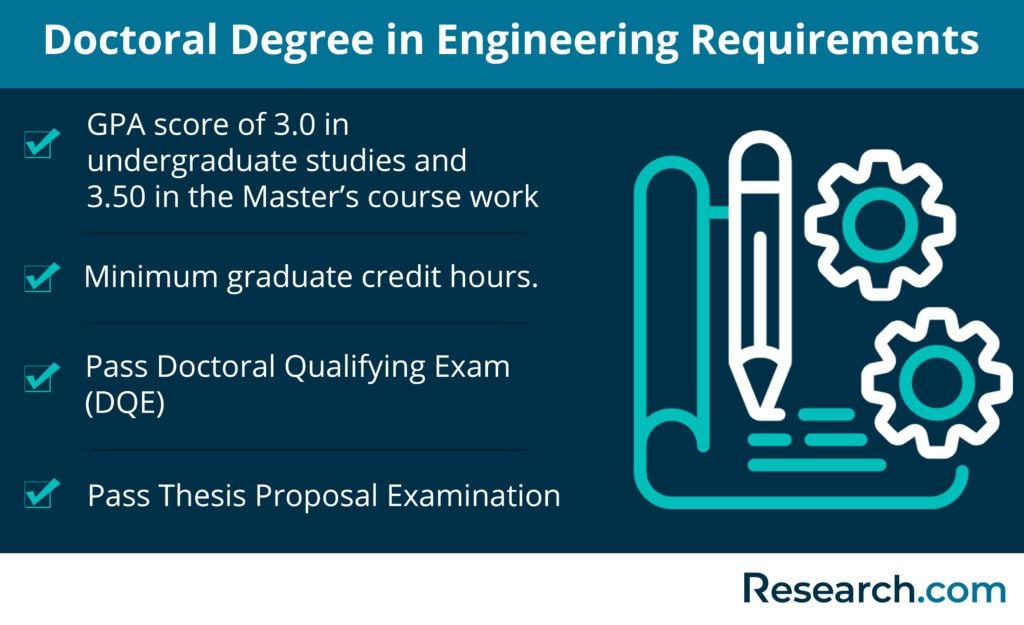
Credit: research.com
Skills Gained Through Degree Programs
Degree programs for consumer-electronics engineers build a strong skill set. These skills prepare students to design, test, and improve electronic products. The courses focus on both theory and practical work. Students learn key areas that help them succeed in the field.
Circuit Design
Students learn to create and analyze electronic circuits. This skill is crucial for developing consumer devices. They study analog and digital circuits. Practical labs help students build real circuits. Understanding circuit behavior aids in troubleshooting and innovation.
Programming Languages
Learning programming is essential for electronics engineers. Degree programs teach languages like C, C++, and Python. These languages control hardware and software integration. Students write code to operate devices and test systems. This skill bridges electronics and software development.
Product Development
Students gain knowledge in designing and launching products. They learn about prototype creation and testing. Courses cover user needs, cost, and manufacturing. Skills include teamwork and project management. This prepares students to bring ideas to market efficiently.
Graduate Degrees And Advanced Studies
Pursuing graduate degrees and advanced studies sharpens expertise for consumer-electronics engineers. These higher degrees focus on complex topics and practical skills. They prepare engineers to tackle evolving technology challenges and innovation demands.
Master’s In Electronics
A Master’s degree in Electronics dives deeper into circuit design, embedded systems, and signal processing. It often includes hands-on projects and lab work. This degree refines problem-solving skills and technical knowledge. It also opens doors to specialized roles in product development and testing.
Research Opportunities
Graduate studies offer chances to join cutting-edge research projects. Students explore new materials, wireless communication, and device miniaturization. Research experience builds critical thinking and analytical abilities. It also helps in publishing papers and presenting at conferences, boosting professional reputation.
Impact On Career Growth
Advanced degrees often lead to better job positions and higher salaries. Employers value the deeper understanding and innovation skills gained from graduate studies. Engineers with a Master’s or PhD can move into leadership, design, or research roles. This education also makes switching to related fields easier.
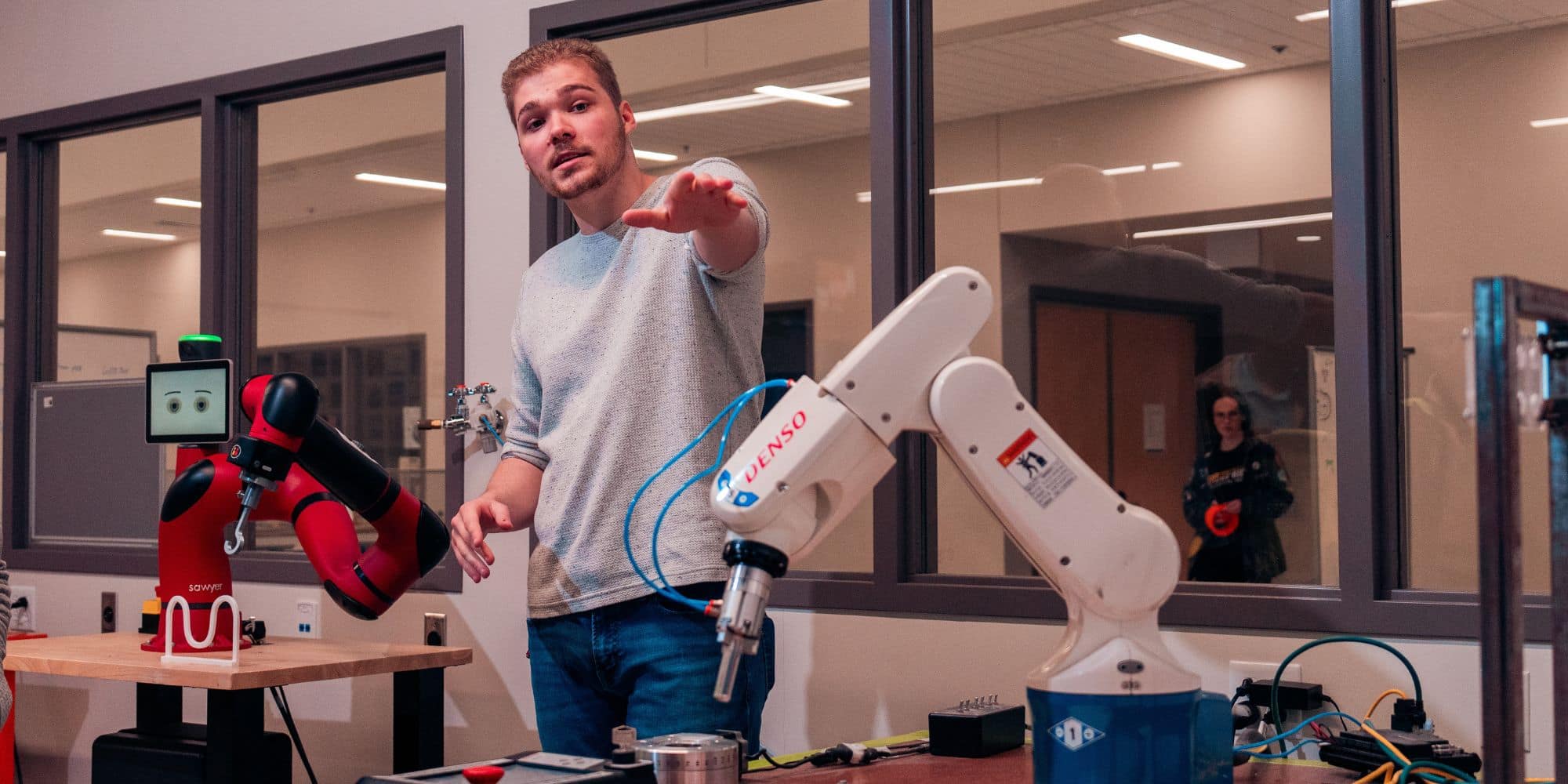
Credit: erau.edu
Choosing The Right Program
Choosing the right program is a crucial step toward becoming a successful consumer-electronics engineer. The degree you pursue will shape your skills, knowledge, and opportunities. It’s not just about picking any engineering program; it’s about finding one that fits your goals and helps you grow professionally.
Accreditation And Reputation
Always check if the program is accredited by recognized bodies like ABET. Accreditation ensures the education meets industry standards and that your degree will be valued by employers.
Reputation matters too. Schools known for strong engineering programs often have better resources and faculty. Have you considered how a program’s ranking might affect your job prospects later?
Internships And Industry Connections
Programs with good ties to the consumer electronics industry offer valuable internship opportunities. Internships give you hands-on experience and a chance to build a professional network.
Look for schools that partner with well-known companies or have alumni working in the field. These connections can be the key to landing your first job after graduation.
Curriculum Focus
Review the curriculum carefully to see if it covers areas relevant to consumer electronics, such as embedded systems, circuit design, and software integration. A balanced mix of theory and practical courses will prepare you for real-world challenges.
Also, check if the program offers electives or projects related to the latest technologies. Are you ready to learn skills that align with industry trends and employer demands?
Trends Shaping Consumer-electronics Education
Consumer-electronics education is evolving fast. New trends influence what students learn and how they prepare for careers. These trends reflect changes in technology and society. Staying updated helps students gain skills employers want. Three key trends shape this education today.
Iot And Smart Devices
Courses now focus on the Internet of Things (IoT). Students learn to design devices that connect to the internet. Smart home gadgets, wearables, and sensors are common examples. Education covers wireless communication, data security, and cloud computing. These skills help engineers create devices that work together seamlessly.
Sustainable Electronics
Green technology is a growing concern. Schools teach how to build electronics with less waste and energy use. Students study materials that are recyclable or biodegradable. They also learn about power efficiency and reducing harmful chemicals. This knowledge prepares engineers to create eco-friendly products.
Ai Integration
Artificial intelligence (AI) is key in new consumer electronics. Education includes programming and machine learning basics. Students explore how AI improves device performance and user experience. This trend opens doors to creating smarter, more adaptive gadgets. AI skills are valuable across many tech fields.
Frequently Asked Questions
What Degree Is Required To Become A Consumer-electronics Engineer?
A bachelor’s degree in electrical engineering or electronics engineering is typically required. This foundation provides essential knowledge in circuits, systems, and technology used in consumer electronics.
Can A Computer Engineering Degree Lead To This Career?
Yes, a computer engineering degree is relevant. It covers hardware and software skills useful in designing consumer electronics and embedded systems.
Are Advanced Degrees Necessary For Consumer-electronics Engineers?
Advanced degrees like a master’s can enhance job prospects but are not mandatory. Bachelor’s degrees suffice for most entry-level roles.
Which Subjects Are Important In These Engineering Degrees?
Key subjects include digital circuits, microprocessors, signal processing, and embedded systems. These areas are crucial for consumer-electronics product development.
Conclusion
Pursuing a career in consumer-electronics engineering requires dedication and the right education. Degrees in electrical engineering or electronics are essential. They provide the foundational knowledge needed. Practical skills gained through internships are invaluable. They help in understanding real-world applications. Continuing education keeps professionals updated with technology trends.
Choosing the right path shapes a successful career. It ensures adaptability in a rapidly evolving field. Always stay curious and eager to learn. This mindset is crucial in technology-driven industries.
Leave a Reply