Have you ever wondered where your favorite gadgets fit in the big picture of industries? When you pick up your smartphone or switch on your smart TV, you’re holding a product from a specific sector that shapes how we live and work.
Understanding what sector consumer electronics belong to can change the way you see these everyday devices. You’ll discover exactly where consumer electronics sit in the market and why it matters to you—whether you’re a buyer, investor, or just curious. Keep reading to unlock the insights behind the tech you use daily.
Consumer Electronics Sector
The consumer electronics sector plays a huge role in shaping how we interact with technology daily. It includes devices that most people use at home, work, or on the go, impacting communication, entertainment, and productivity. Understanding this sector helps you grasp the tech trends that affect your life and buying decisions.
Definition And Scope
The consumer electronics sector covers electronic devices designed for personal use by individuals. These products are generally user-friendly and focus on enhancing everyday experiences. From smartphones to wearable tech, this sector blends hardware and software to deliver convenience and entertainment.
This sector is broad, including both portable gadgets and home appliances. It also evolves quickly as new innovations hit the market, meaning what’s popular today might change rapidly. Have you noticed how often you upgrade your phone or buy a new gadget?
Key Product Categories
- Mobile Devices:Smartphones, tablets, and smartwatches are essential tools for communication and entertainment.
- Audio and Video Equipment:This includes headphones, speakers, TVs, and home theater systems that enhance how you enjoy media.
- Computing Devices:Laptops, desktops, and accessories like keyboards and mice fit here, powering work and play.
- Wearable Technology:Fitness trackers and smart glasses track health and provide hands-free information.
- Home Appliances:Smart refrigerators, microwaves, and vacuum cleaners add automation to your daily chores.
Each category serves a different purpose but shares one goal: making your life easier or more enjoyable. Which device do you rely on the most every day?
Credit: nielseniq.com
Industry Classification
Understanding the industry classification of consumer electronics helps clarify its role in the economy. This sector involves products like smartphones, TVs, and home appliances. It crosses multiple areas, showing connections with various industries. The classification highlights its main functions and economic impact.
Technology Sector Connection
Consumer electronics belongs primarily to the technology sector. It focuses on devices that use advanced tech and software. Innovations in hardware and software drive growth here. Companies in this sector invest heavily in research and development. This connection shows how technology shapes everyday gadgets.
Relationship With Manufacturing
Manufacturing plays a key role in consumer electronics. It turns design ideas into physical products. Factories produce components like chips, screens, and batteries. Efficient manufacturing ensures quality and affordability. The link between design and production is critical for success.
Market Trends
The consumer electronics sector is constantly evolving. Market trends show rapid changes in technology and user preferences. Companies must adapt quickly to remain competitive. Understanding these trends helps predict future developments. Two key areas stand out: emerging technologies and shifts in consumer behavior.
Emerging Technologies
New technologies shape the consumer electronics market. Artificial intelligence is widely used in smart devices. Voice recognition and automation improve user experience. Augmented reality enhances gaming and shopping applications. Wearable technology continues to grow in popularity. Energy-efficient products gain more attention. These innovations drive product development and sales.
Consumer Behavior Shifts
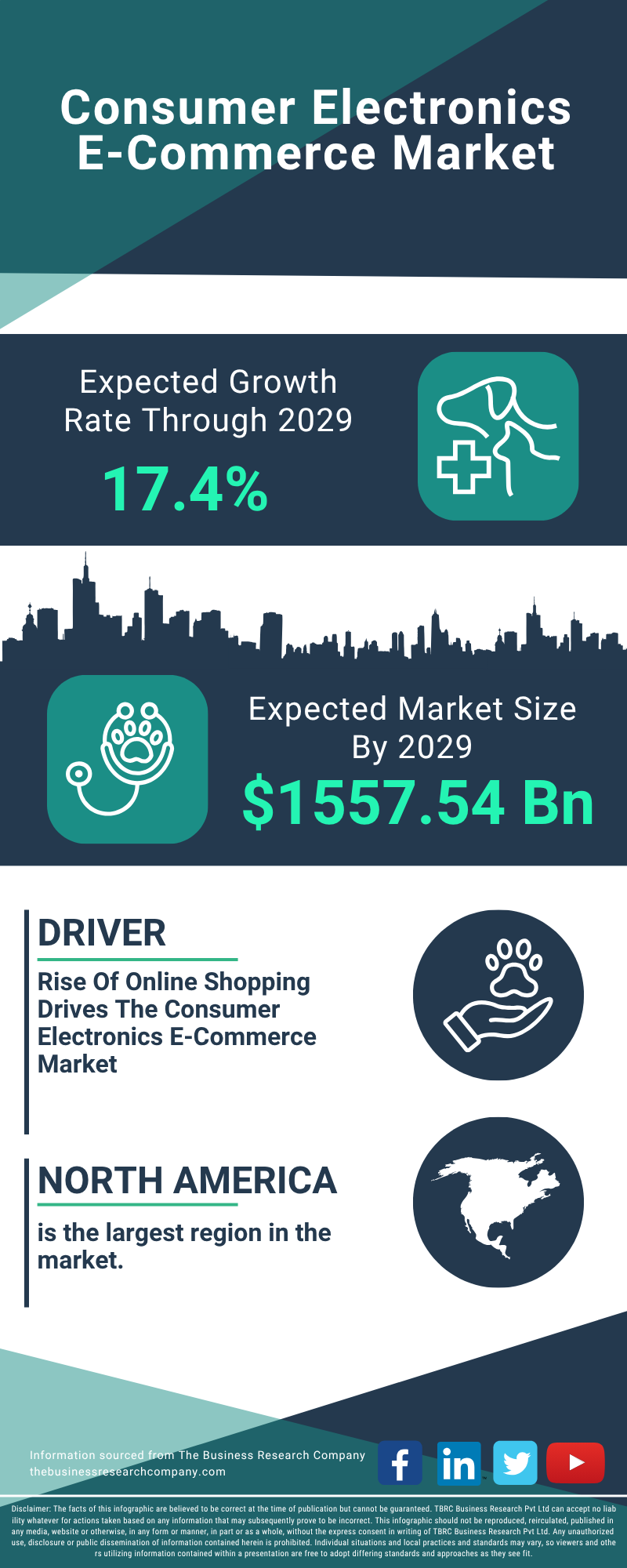
Consumers now demand more convenience and connectivity. Mobile devices are preferred for daily tasks. Online shopping for electronics is increasing fast. Buyers seek affordable, high-quality products. Eco-friendly and sustainable options influence buying decisions. Personalization becomes a key factor in product choice. Brands must align with these changing habits to succeed.
Major Players
The consumer electronics sector includes many well-known companies. These firms design and sell devices used daily worldwide. Understanding the major players reveals industry trends and innovations. These companies invest heavily in research and development. Their products shape how people communicate and entertain themselves.
Leading Brands
- Apple: Known for iPhones, iPads, and Mac computers.
- Samsung: Offers smartphones, TVs, and home appliances.
- Sony: Famous for gaming consoles and audio equipment.
- LG Electronics: Produces TVs, smartphones, and home devices.
- Microsoft: Key player with Surface devices and Xbox.
- Huawei: Strong presence in smartphones and network equipment.
Market Share Insights
Apple and Samsung lead global smartphone sales. Apple holds a large share in premium devices. Samsung covers both premium and budget segments. Sony and LG focus more on audio and visual electronics. Microsoft dominates in gaming with Xbox consoles. Huawei maintains strong sales in Asia despite challenges.
Market shares shift with new product launches. Consumer preferences drive rapid changes in this sector. Innovation and brand loyalty keep these companies competitive.
Economic Impact
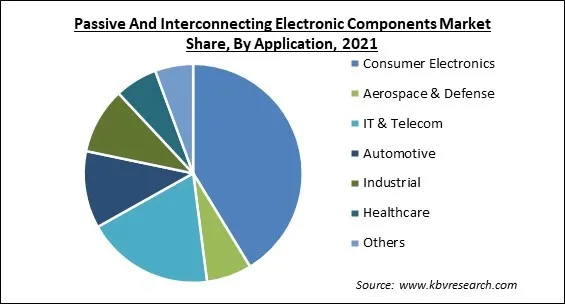
The consumer electronics sector has a strong economic impact worldwide. It drives significant revenue and supports many jobs. This sector also pushes innovation and technology forward. Understanding its economic role helps reveal its importance in daily life and global markets.
Global Market Size
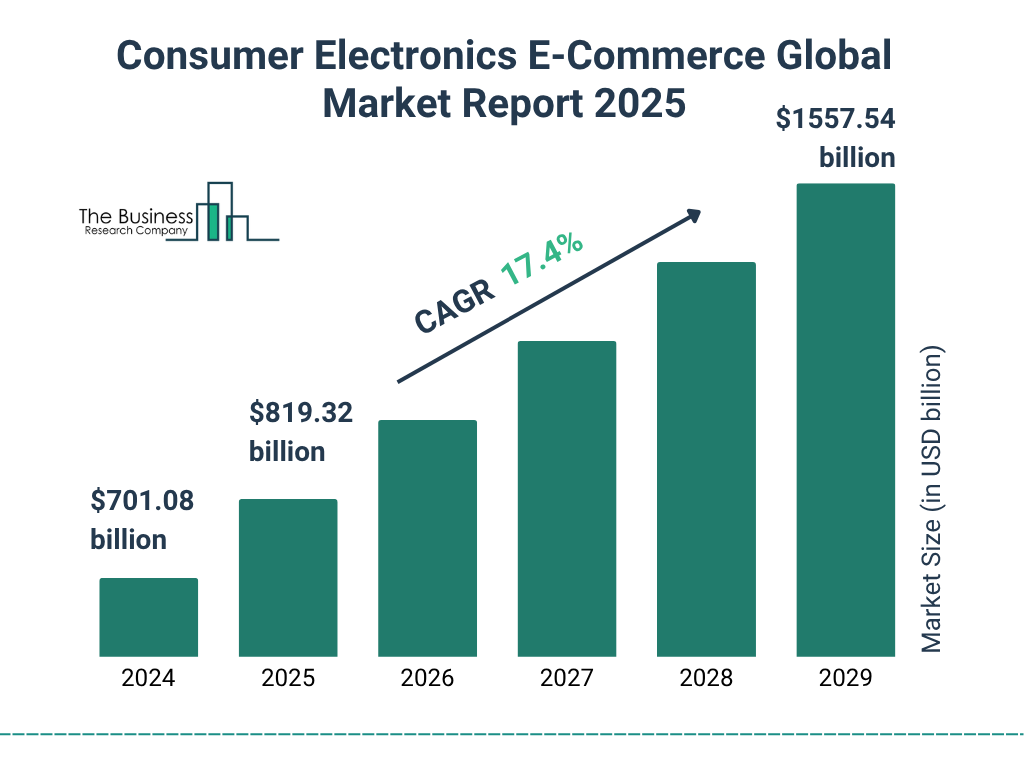
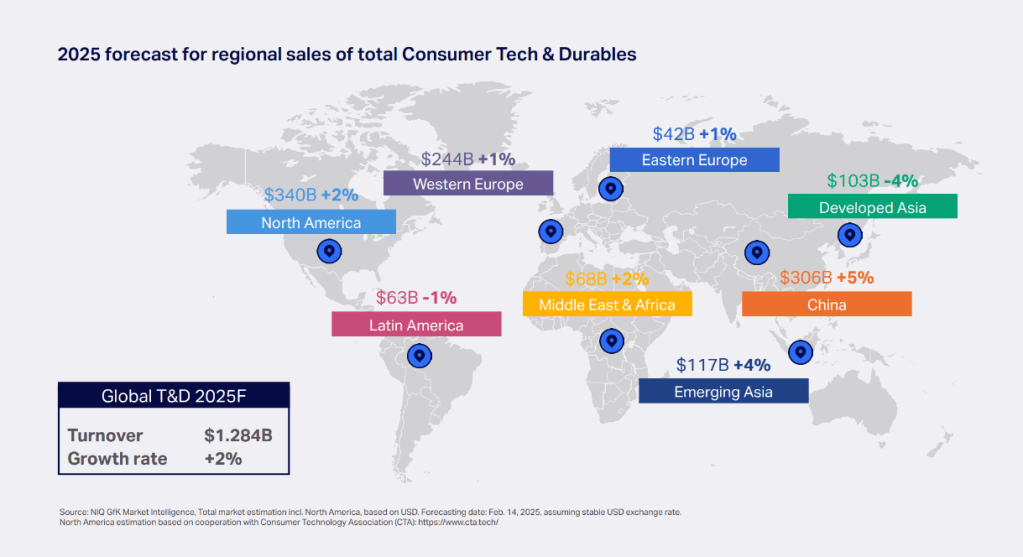
The consumer electronics market is vast and growing. It reaches trillions of dollars annually. Products like smartphones, laptops, and TVs lead sales. Regions such as Asia, North America, and Europe dominate the market.
Growth comes from rising demand and new technology. Consumers buy more smart and connected devices. This trend fuels steady market expansion worldwide.
Employment And Innovation
This sector creates millions of jobs globally. Workers include engineers, designers, and factory staff. Jobs vary from product development to sales and support.
Innovation is constant in consumer electronics. Companies invest heavily in research and development. New features and improved designs appear regularly. This progress benefits other industries too.
Credit: www.kbvresearch.com
Future Outlook
The future outlook for the consumer electronics sector is both exciting and complex. Rapid innovation continues to shape how you interact with technology daily. Understanding where this sector is headed can help you make smarter choices as a consumer or investor.
Growth Opportunities
Smart devices are becoming more integrated into everyday life, creating new markets and niches. Think about how wearable tech evolved from simple fitness trackers to health monitors with advanced sensors.
Artificial intelligence and the Internet of Things (IoT) open doors for smarter, more connected products. You might soon control your home, car, and office devices seamlessly with a single platform.
- Increased demand for eco-friendly and energy-efficient electronics
- Expansion of virtual and augmented reality in gaming and education
- Rise of personalized tech solutions tailored to individual needs
Are you ready to embrace devices that anticipate your needs before you even voice them?
Challenges Ahead
Despite growth, the sector faces hurdles that could slow progress. Supply chain disruptions and component shortages have already affected product availability and pricing.
Privacy concerns also loom large as devices collect more personal data. You must consider how companies handle your information and whether they are transparent about it.
- Rising competition pushing companies to innovate faster
- Environmental impact of electronic waste and recycling challenges
- Regulatory pressures on data security and consumer rights
How will you balance your desire for the latest tech with concerns about security and sustainability?
Credit: www.thebusinessresearchcompany.com
Frequently Asked Questions
What Sector Does Consumer Electronics Belong To?
Consumer electronics belong to the technology sector. This sector focuses on electronic devices used by individuals daily. It includes gadgets like smartphones, TVs, and home appliances, driving innovation and consumer demand worldwide.
Is Consumer Electronics Part Of The Manufacturing Sector?
Yes, consumer electronics are part of the manufacturing sector. Companies design, produce, and assemble electronic devices. Manufacturing plays a vital role in creating consumer electronics products for global markets.
How Does Consumer Electronics Impact The Technology Industry?
Consumer electronics drive technological advancements and innovation. They influence software, hardware, and connectivity development. This sector shapes trends and consumer preferences in the broader technology industry.
What Industries Are Related To Consumer Electronics?
Industries related to consumer electronics include software, telecommunications, and retail. These industries support product development, distribution, and sales. Collaboration among these sectors enhances the consumer electronics market.
Conclusion
The consumer electronics sector thrives in a dynamic, tech-driven world. It plays a crucial role in our daily lives, offering gadgets that simplify tasks. From smartphones to smart TVs, innovation never stops. Companies compete fiercely to deliver the latest technology.
This competition benefits consumers with better products and prices. Keeping up with trends is essential to understand this sector’s evolution. As technology advances, expect more exciting developments. The consumer electronics industry remains vital, shaping how we interact with the world.
Stay informed and embrace the future of technology.
Leave a Reply